Dimitra Mareta
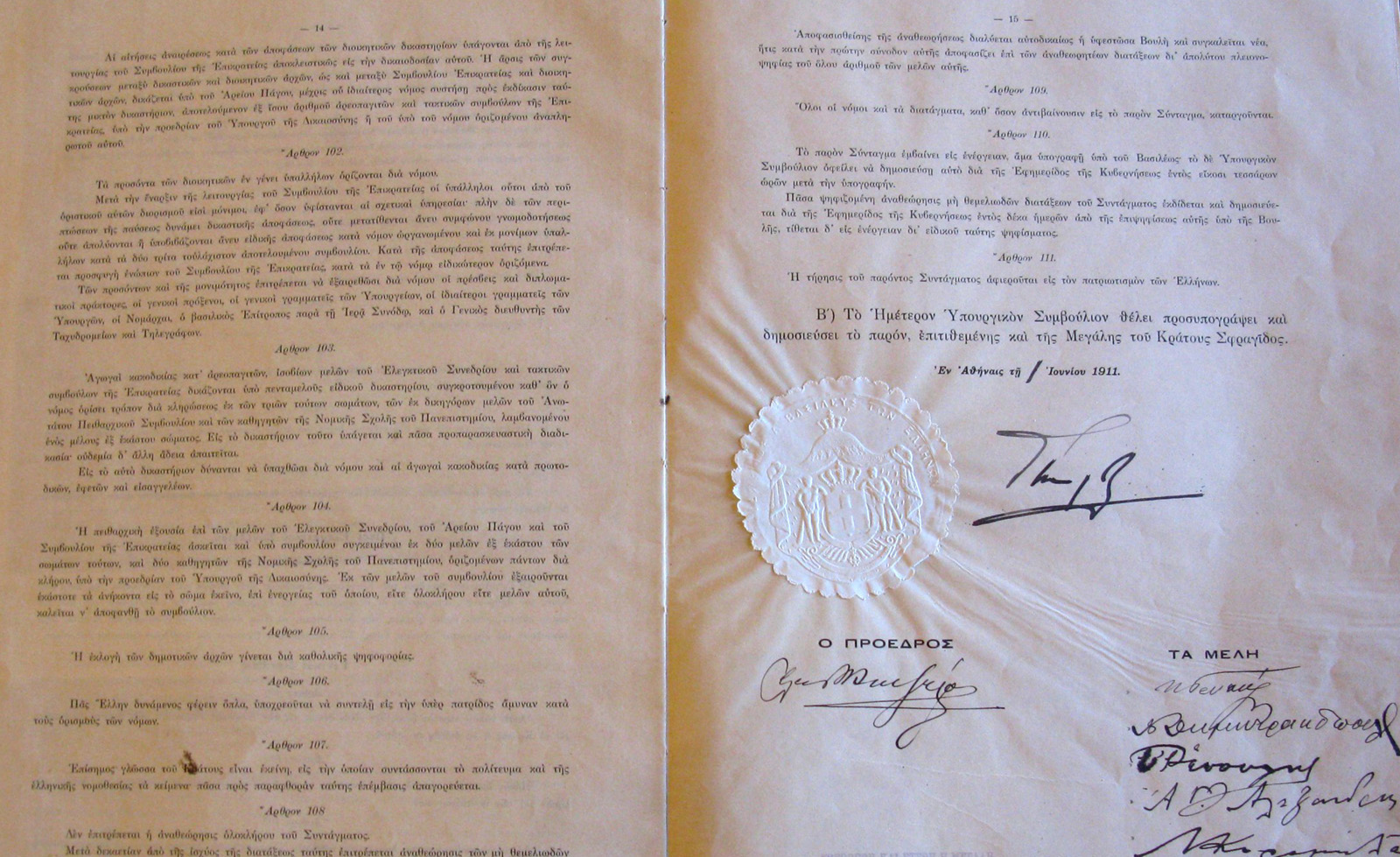
Constitutional revisions usually serve to improve the function of the polity, the state and the protection of citizens. But Greece's current constitutional revision, argues Dimitra Mareta, merely serves the political programme of the governing party, and has advanced with the help of far-right MPs. This, she warns, could lead the country down a dangerous path Read more
Regina Queiroz
The collapse of liberal democracy is often misunderstood. Regina Queiroz argues that a libertarian-conservative model has displaced liberal democracy's endorsement of popular sovereignty. Driven by re-regulation, liberalisation, and privatisation, this model prioritises market logic over social cohesion. From Portugal’s housing crisis to national populism, the author explores this ideological shift Read more
Marta Kołczyńska
Political trust can shape the trajectory of democracy writes Marta Kołczyńska, but its effects are conditional, uneven, and increases in trust may sometimes even be conducive to democratic decline rather than renewal Read more
Vera Tika
Vera Tika argues that contemporary illiberalism rarely arrives through dramatic democratic rupture. Instead, it advances quietly through routine governance and administrative practices that normalise exclusion. Examining Greece’s regulation of civil society, she shows how democratic erosion can occur incrementally — through law, procedure, and bureaucratic control Read more
Gaia Romeo
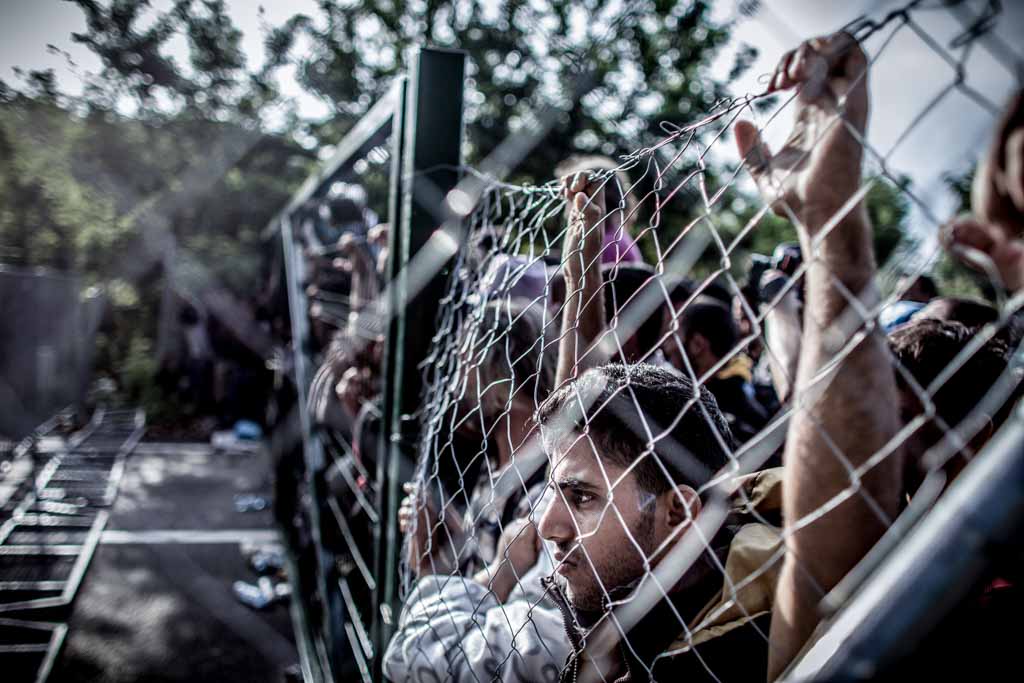
The European Commission has proposed letting member states drop the ‘connection requirement’ from the ‘safe third country’ concept in asylum cases. Gaia Romeo and Frowin Rausis argue this seemingly technical tweak marks a major shift — toward an ‘(un)safe fourth country’ approach that some countries have repeatedly tried, and failed Read more
Zeynep Şahin Mencütek
The European Commission has proposed a new system for returning third-country nationals staying illegally in the EU: sending them to designated holding areas before deportation. Zeynep Şahin Mencütek and Soner Barthoma explain why its plan will not work Read more
Magdalena König
Enlargement’s symbolic revival after Russia’s full-scale invasion of Ukraine risks repeating past failures. Magdalena König warns that without credible timelines and reform momentum, the EU may trap candidates — old and new — in an ‘eternal waiting room’. Frustration, backsliding, and geopolitical drift are likely unless promises are matched by progress Read more
Jan Philipp Thomeczek
Jan Philipp Thomeczek argues that European left-wing populist parties become more moderate as a consequence of their participation in government. Here, he draws on recent examples from Spain, Greece and Germany. Read more
We use necessary cookies to make our site work. We'd also like to set analytics cookies that help us make improvements by measuring how you use the site. These will be set only if you accept.
▼
Strictly Necessary Cookies
Necessary cookies enable core functionality such as security, network management, and accessibility. You may disable these by changing your browser settings, but this may affect how the website functions.
▼
Analytics Cookies
Google Analytics
We'd like to set Google Analytics cookies to help us improve our website by collecting and reporting information on how you use it. The cookies collect information in a way that does not directly identify anyone. For more information on how these cookies work please see our Privacy Notice.