Sebastian Steingass
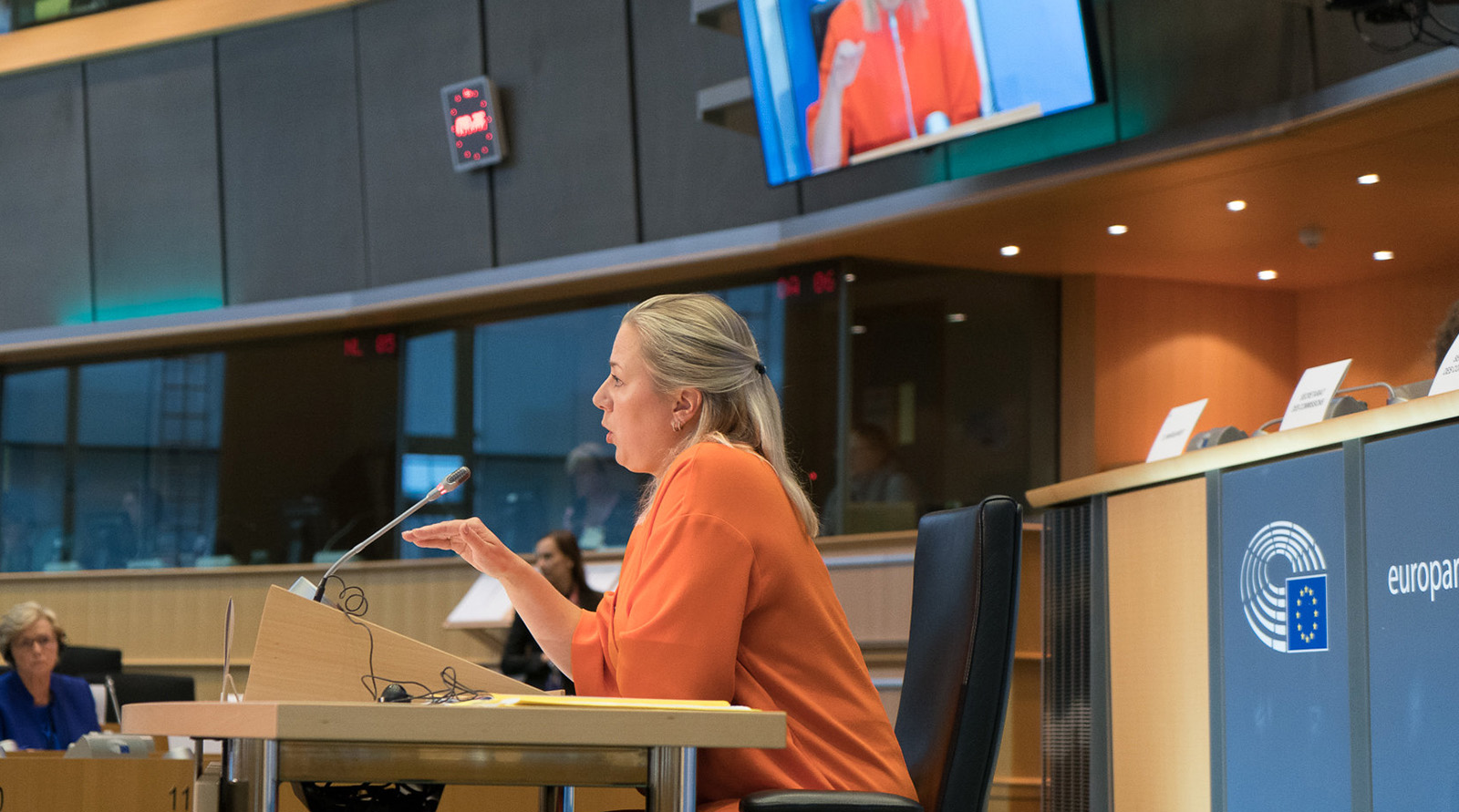
According to the European Union, the time of aid donors and recipients is over. But the transition towards policies and equal partnerships conducive to global development remains elusive. Sebastian Steingass argues that it is doubtful whether such transition is sufficient to overcome the EU's post-colonial legacies Read more
Soumi Banerjee
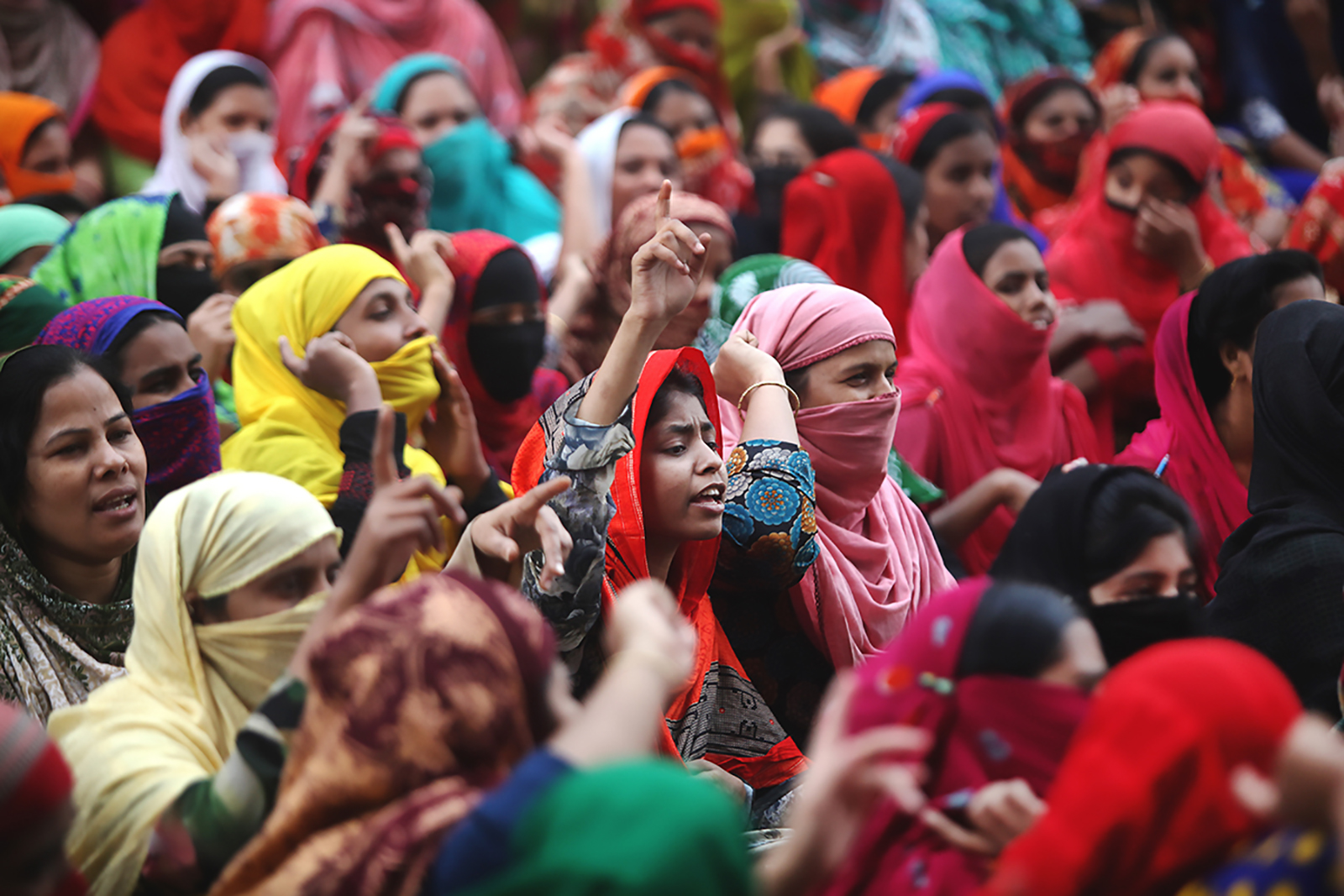
Soumi Banerjee and Rishi Jha argue that the rising wave of illiberalism is causing a shift in state-civil society relationships around the world. In contemporary India, the government often targets NGOs, resulting in the partial or complete seizure of operations Read more
Sebastian Haug
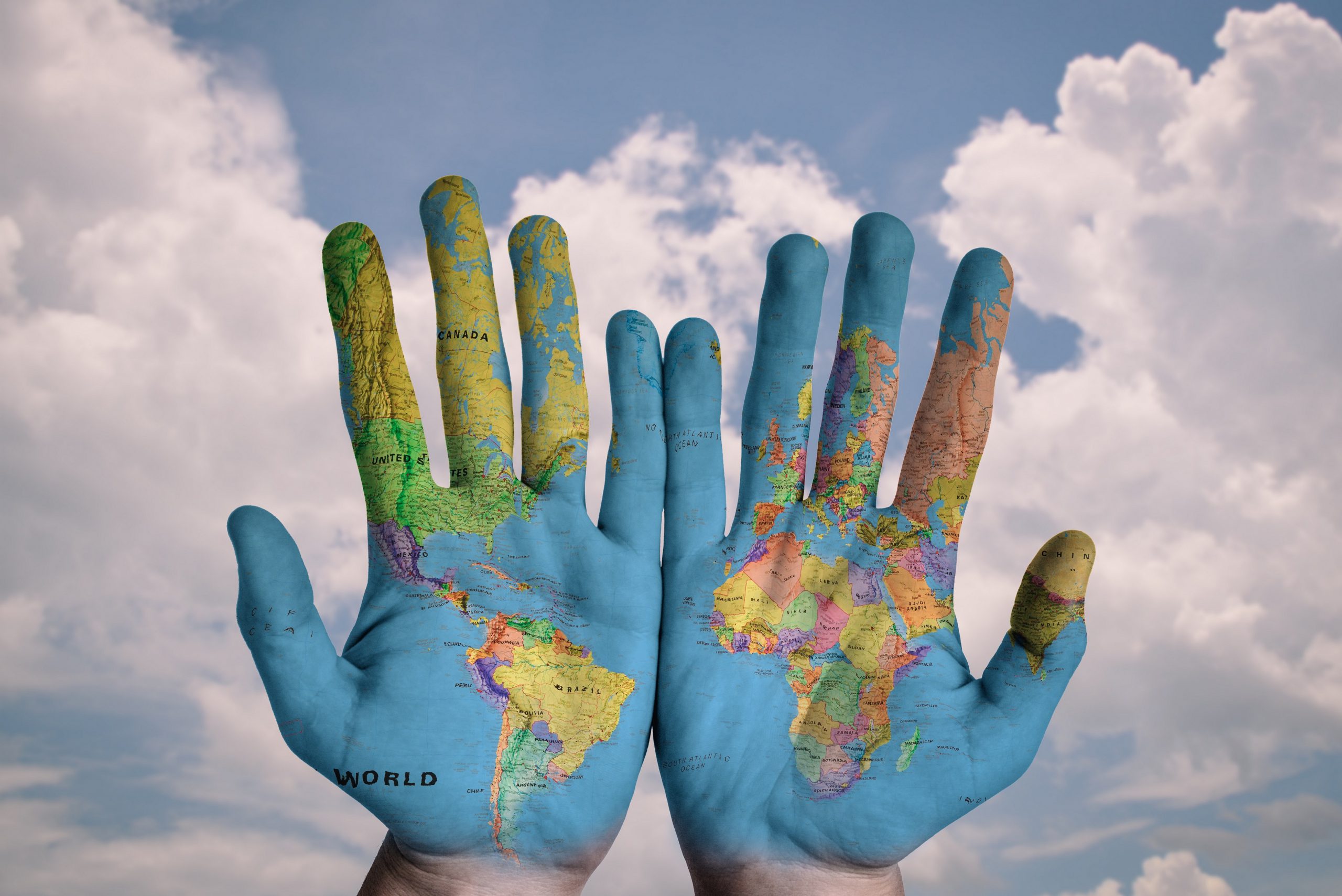
The ‘Global South’ has become a popular meta category in the practice and study of world politics. Making use of its analytical potential, Sebastian Haug argues, requires an explicit engagement with definitions, meanings and the implications of taken-for-granted framings Read more
Johanne Døhlie Saltnes
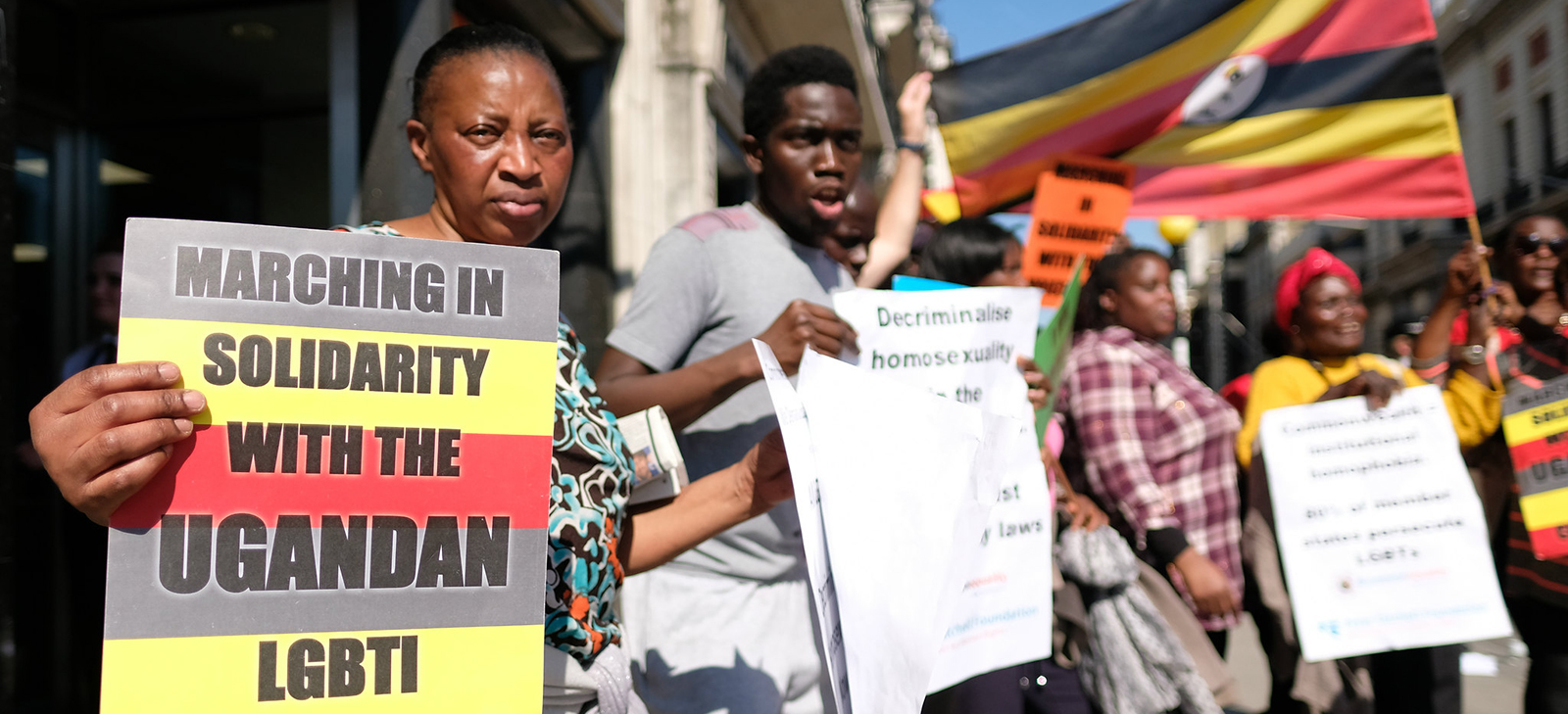
The EU often faces criticism for conducting an inconsistent and arbitrary human rights policy. This critique is misguided and overlooks a more fundamental problem with the policy, argues Johanne Døhlie Saltnes: that it tends to be executive-driven, precluding the participation of individuals and affected groups Read more
Anna Guildea
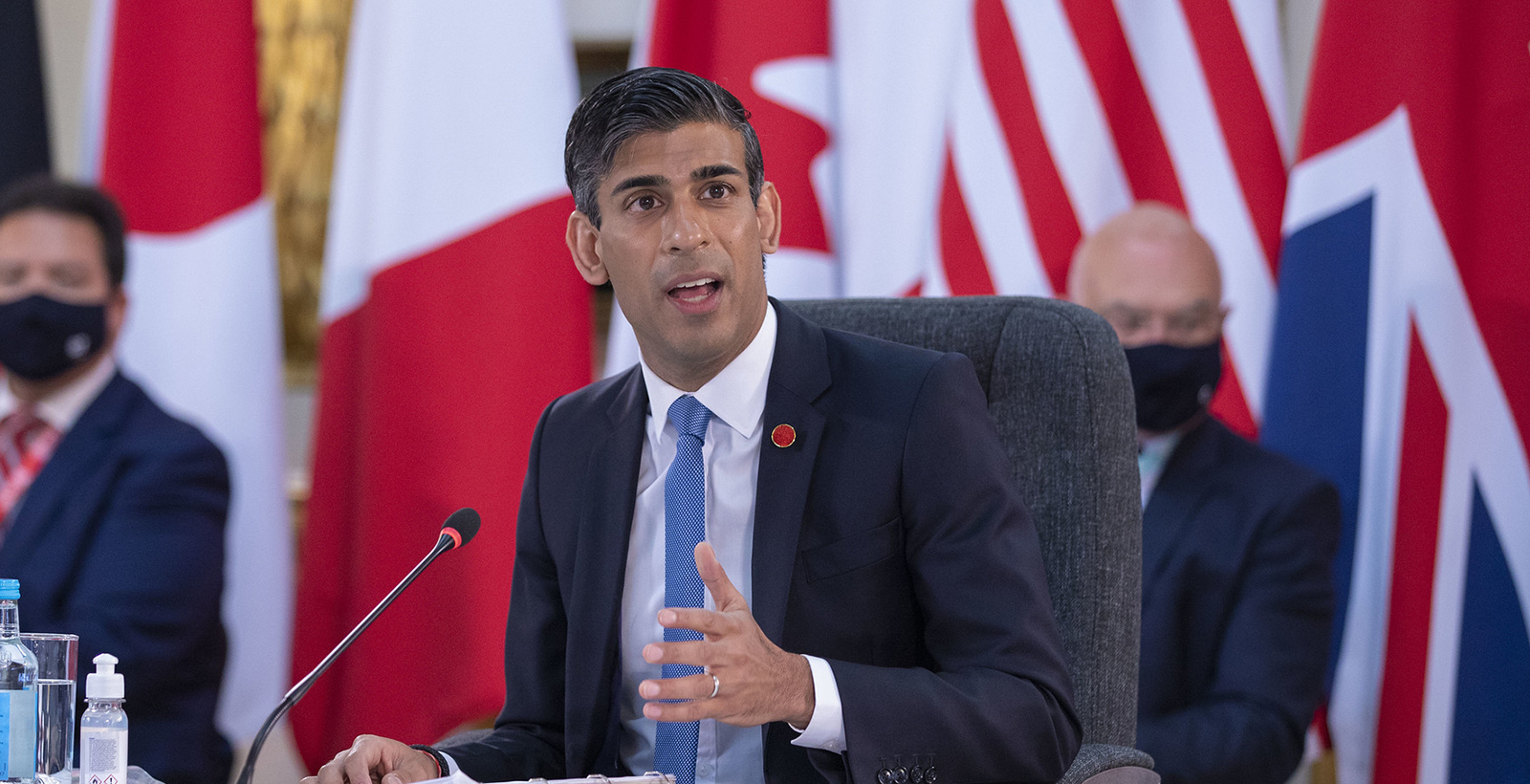
The global minimum corporate tax will help countries retain wealth. Yet, writes Anna Guildea, a truly ‘global’ corporate tax must originate from fora more inclusive than the G7 Read more
Vittorio Bufacchi
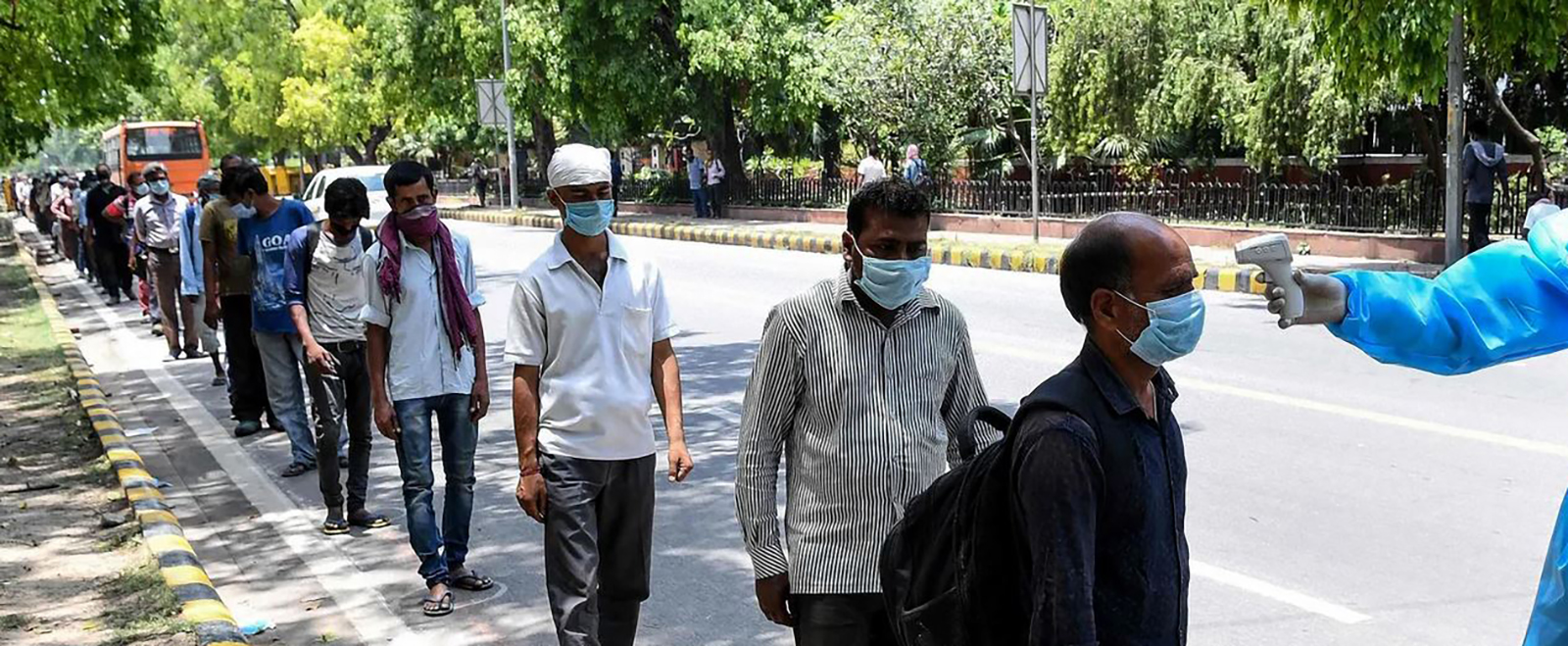
India is the seventh-richest country in the world. Yet it recently recorded the highest-ever daily death toll from Covid-19. It's a disaster, write Vittorio Bufacchi and Urmi Bhattacharyya, caused by India’s gross inequalities, along with misguided political decisions and policies throughout the country's pandemic response Read more
Franziskus von Lucke
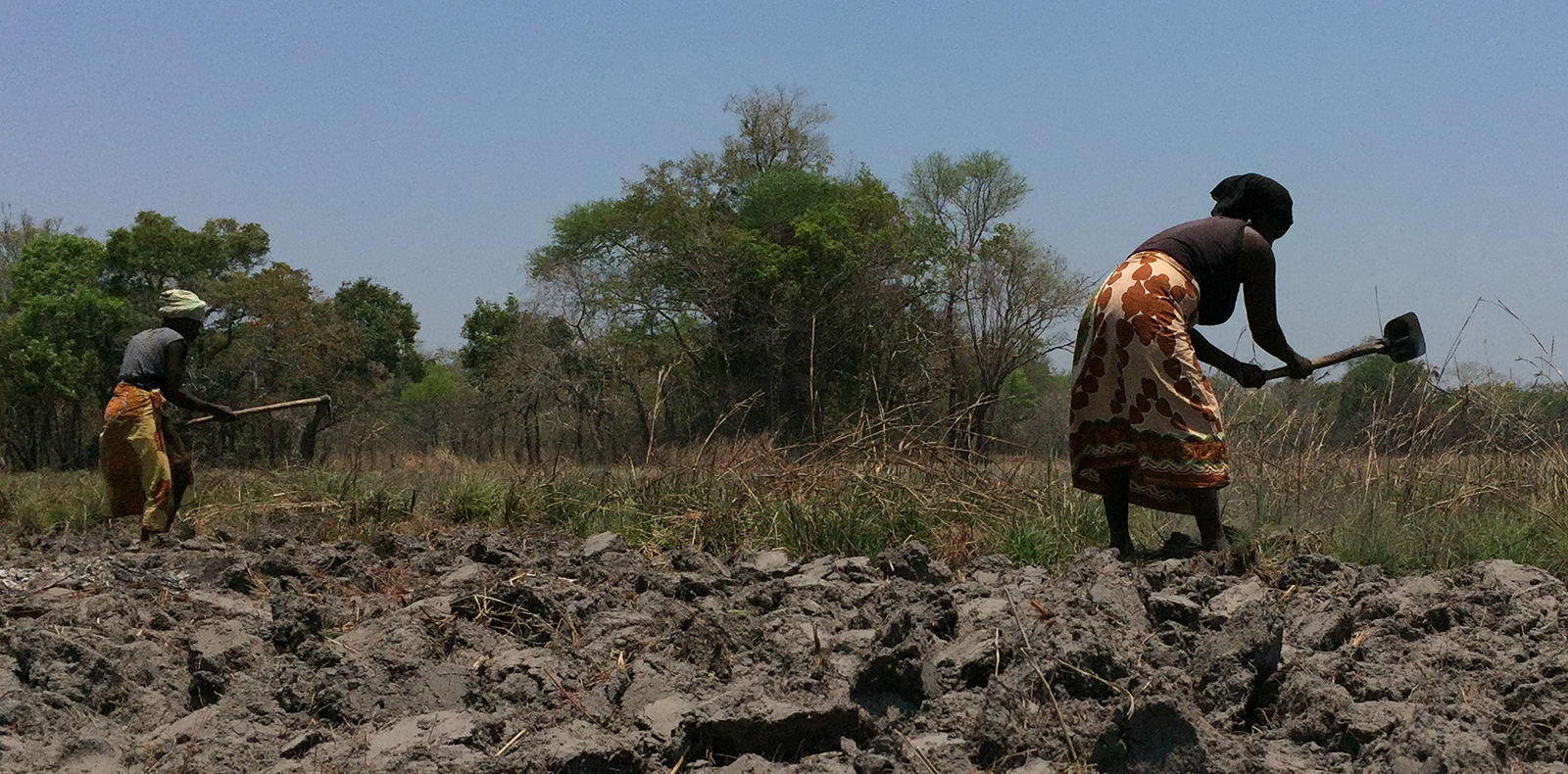
The pandemic still dominates headlines, yet political attention must soon refocus on a crisis even more fundamental: climate change. Franziskus von Lucke argues that to deal with the climate crisis, actors such as the EU must recognise different understandings of global climate justice Read more
We use necessary cookies to make our site work. We'd also like to set analytics cookies that help us make improvements by measuring how you use the site. These will be set only if you accept.
▼
Strictly Necessary Cookies
Necessary cookies enable core functionality such as security, network management, and accessibility. You may disable these by changing your browser settings, but this may affect how the website functions.
▼
Analytics Cookies
Google Analytics
We'd like to set Google Analytics cookies to help us improve our website by collecting and reporting information on how you use it. The cookies collect information in a way that does not directly identify anyone. For more information on how these cookies work please see our Privacy Notice.