Sebastián León-Giraldo
Political decisions about what governments collect, publish and use can shape more than statistics. Sebastián León-Giraldo argues that public knowledge is part of democratic infrastructure. When states make some populations harder to see, they can also weaken the evidence used to identify inequality and hold power accountable Read more
Ján Michalko
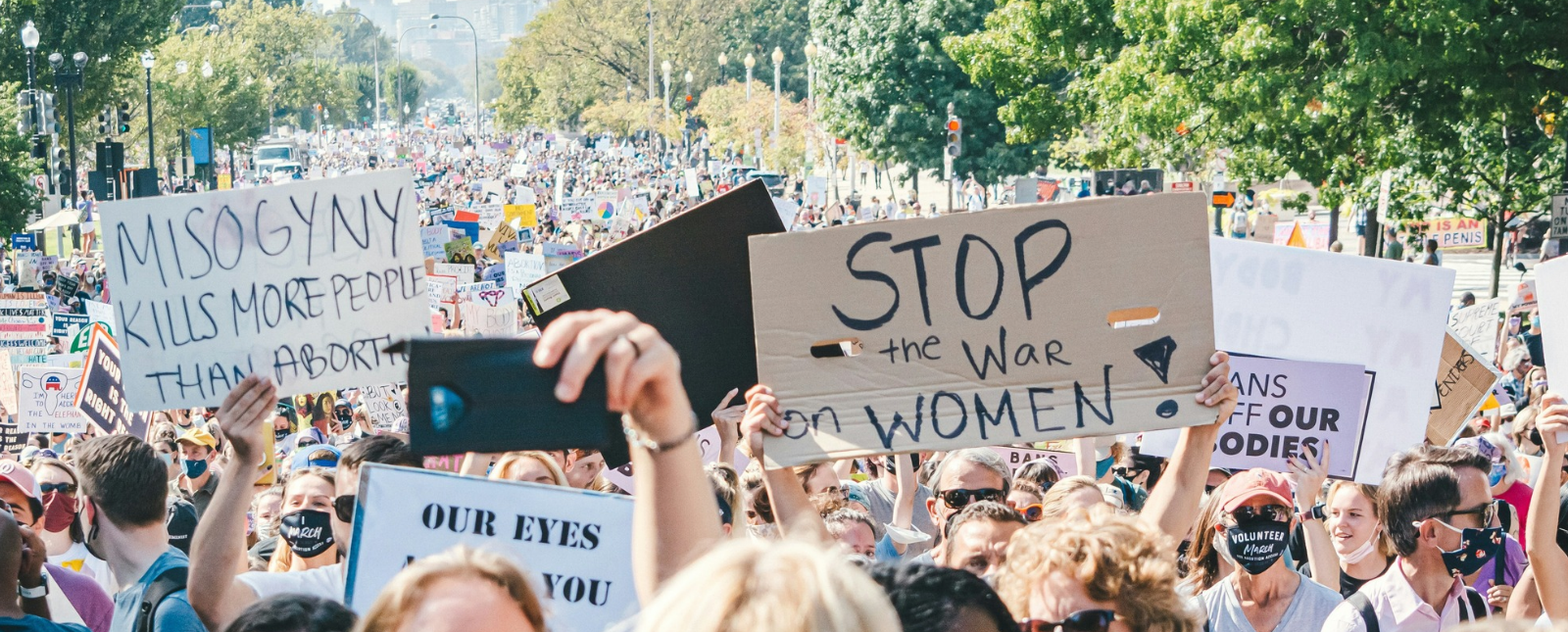
A recent ruling in the case of a Slovak journalist who suffered years of online abuse is a stark reminder of widespread gendered violence against women in public life. Ján Michalko argues that this form of violence puts democracies at risk and demands an urgent response, including efforts to transform unequal gender norms that enable it Read more
Anya Kuteleva
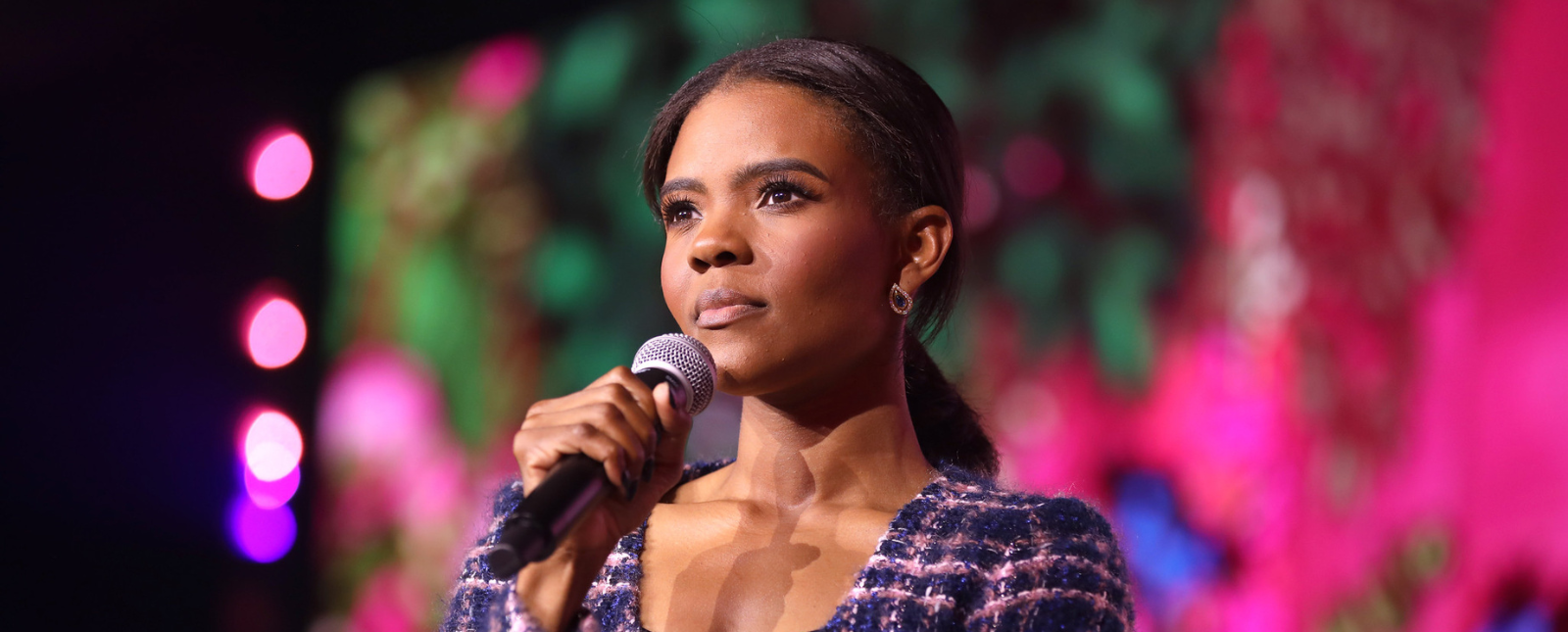
In June 2026, US far right figures and manosphere influencers appeared at Russian state-linked events and in military propaganda. These moments, argues Anna Kuteleva, reveal a mutually beneficial alliance: Russia offers legitimacy, platforms, and refuge, while the anti-gender right normalises authoritarianism by recasting it as culture war Read more
Massimo Prearo
Anti-gender politics does not only attack rights. It attacks the knowledge that makes those rights intelligible. Massimo Prearo argues that anti-gender politics is an epistemic conflict as much as a political one. This conflict generates political fatigue among researchers engaged in feminist and queer work. We must address such fatigue through distance, care and collective reflection Read more
Francesca Romana Ammaturo
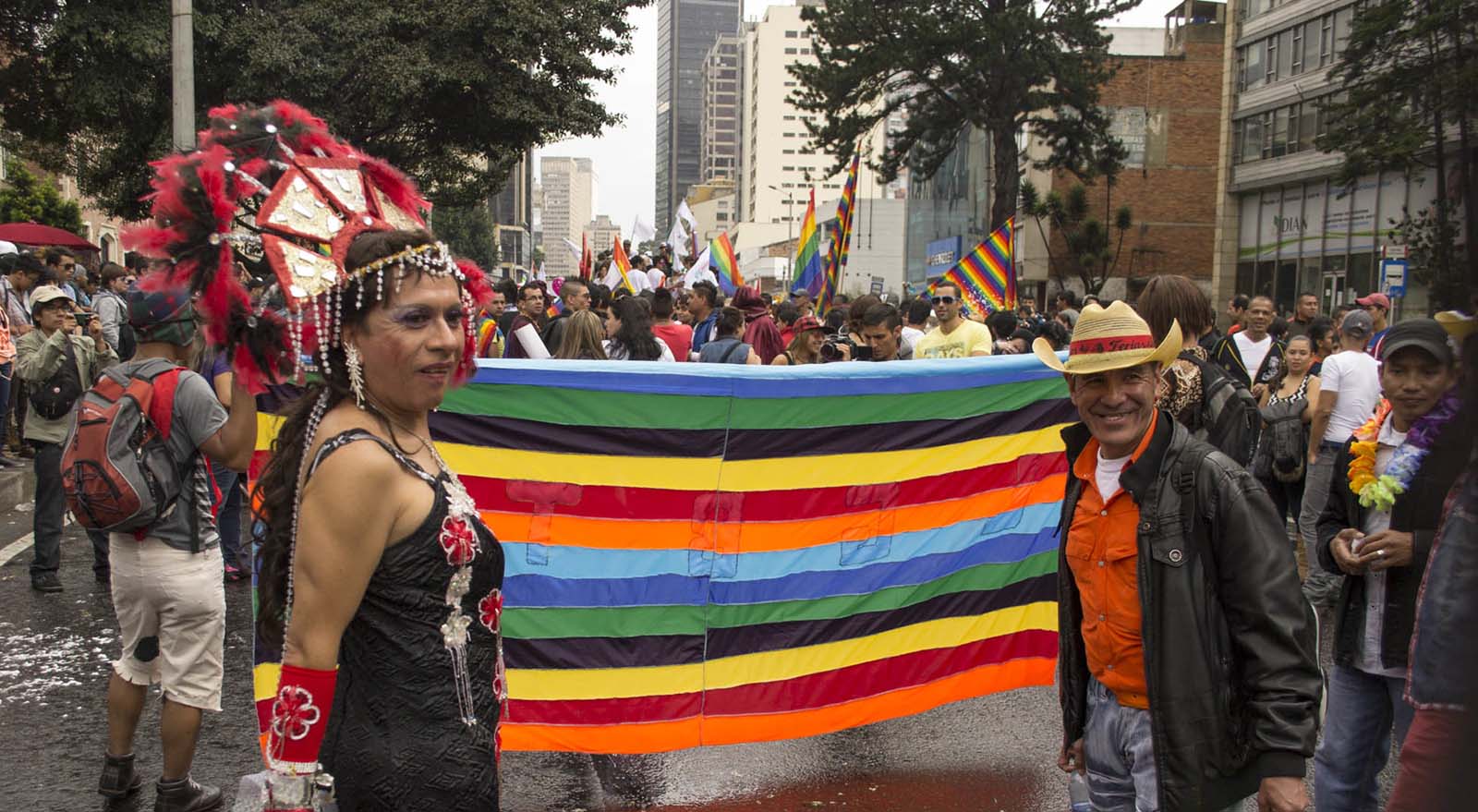
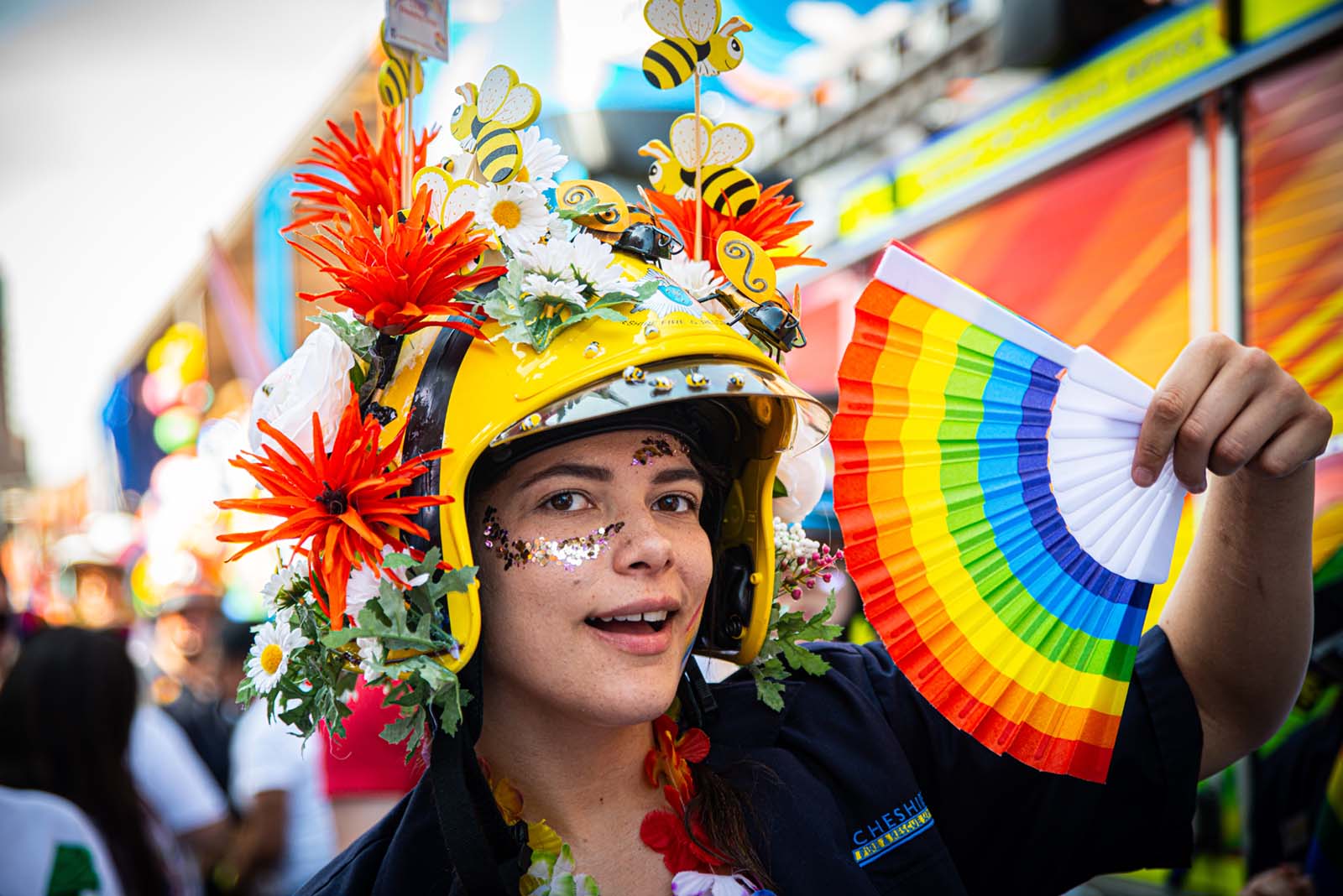
Amid the rise of far-right and anti-gender movements, and given growing internal conflicts and divisions, many LGBTQAI+ people worry about the future of Pride events. But Francesca Romana Ammaturo reveals that throughout its history, Pride has reflected many different visions of activism and community Read more
Sabine Volk
In countries across Europe, Pride events celebrating LGBTQI visibility face threats of violence. This, warns Sabine Volk reveals the transnationalisation of far-right activism and the mainstreaming of trans-hostile discourse. Democratic states, she says, are failing to protect marginalised communities Read more
Romain Biesemans
Reactionary gender politics are not the preserve only of the far right. Through a comparison between Belgium and Spain, Romain Biesemans and Archibald Gustin show how conservative and far-right parties converge in their opposition to gender equality Read more
Annika Björkdahl
As reports of gendered violence emerge from Gaza, Sudan, Ukraine and elsewhere, a crucial question remains: whose stories shape our understanding of war? Annika Björkdahl, Kristine Höglund and Johanna Mannergren show how women's testimonies have transformed how the world recognises wartime violence. Despite this, women remain marginal to many accounts of conflict Read more
We use necessary cookies to make our site work. We'd also like to set analytics cookies that help us make improvements by measuring how you use the site. These will be set only if you accept.
▼
Strictly Necessary Cookies
Necessary cookies enable core functionality such as security, network management, and accessibility. You may disable these by changing your browser settings, but this may affect how the website functions.
▼
Analytics Cookies
Google Analytics
We'd like to set Google Analytics cookies to help us improve our website by collecting and reporting information on how you use it. The cookies collect information in a way that does not directly identify anyone. For more information on how these cookies work please see our Privacy Notice.