Jana Belschner
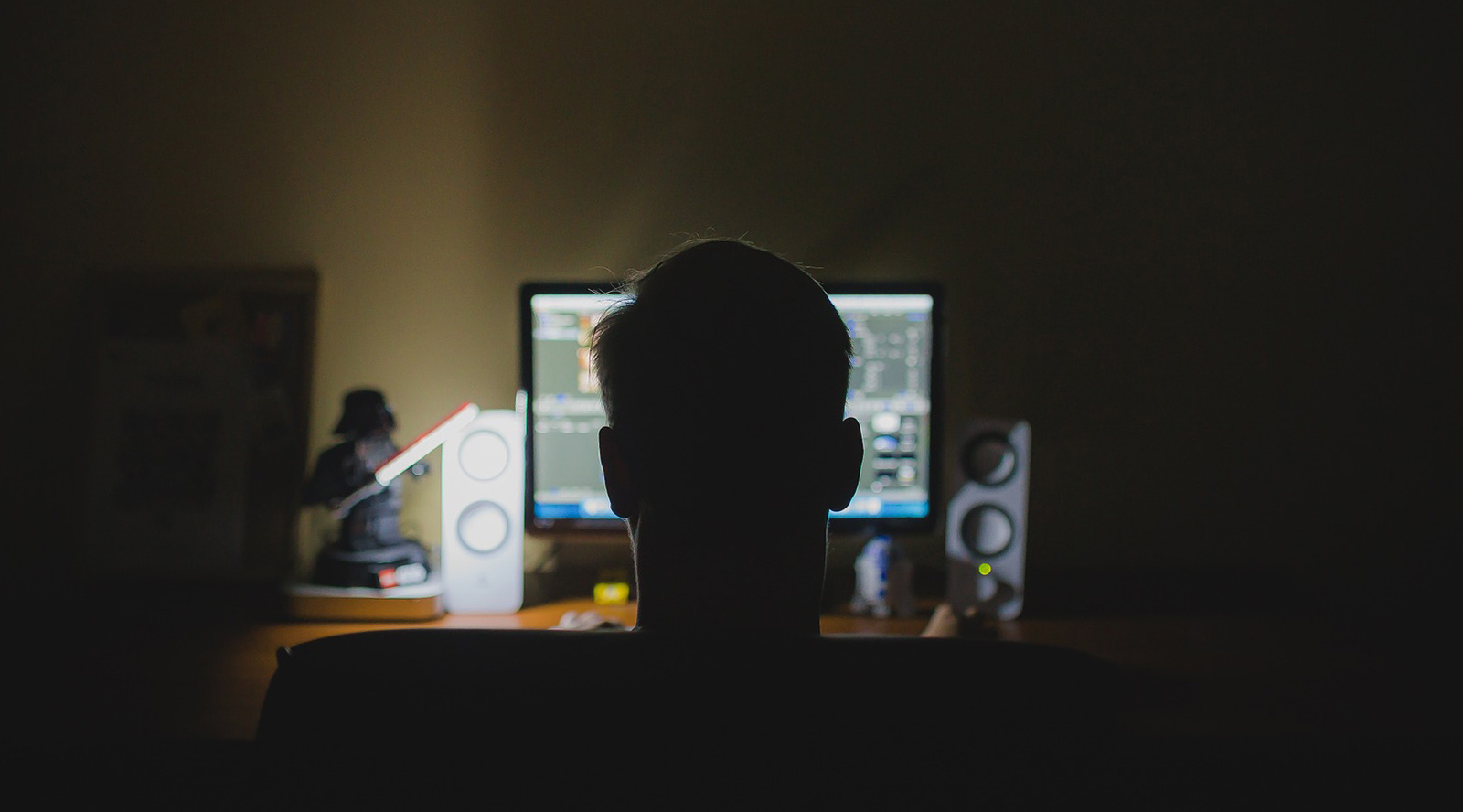
Jana Belschner analysed 875,000 Twitter exchanges during Germany's 2021 election. Here, she reveals complex patterns in online toxicity between citizens and elites. Politicians’ behaviour matters, but identity markers also shape experiences of digital political toxicity Read more
Paloma Caravantes González
To kickstart a new round of blogs in the Gendering Democracy series, Paloma Caravantes, Laura Eigenmann and Francesca Feo recap the discussion so far, explaining why we need to keep gender at the centre of research on the politics of our time – and where we should go next Read more
Julia Zulver
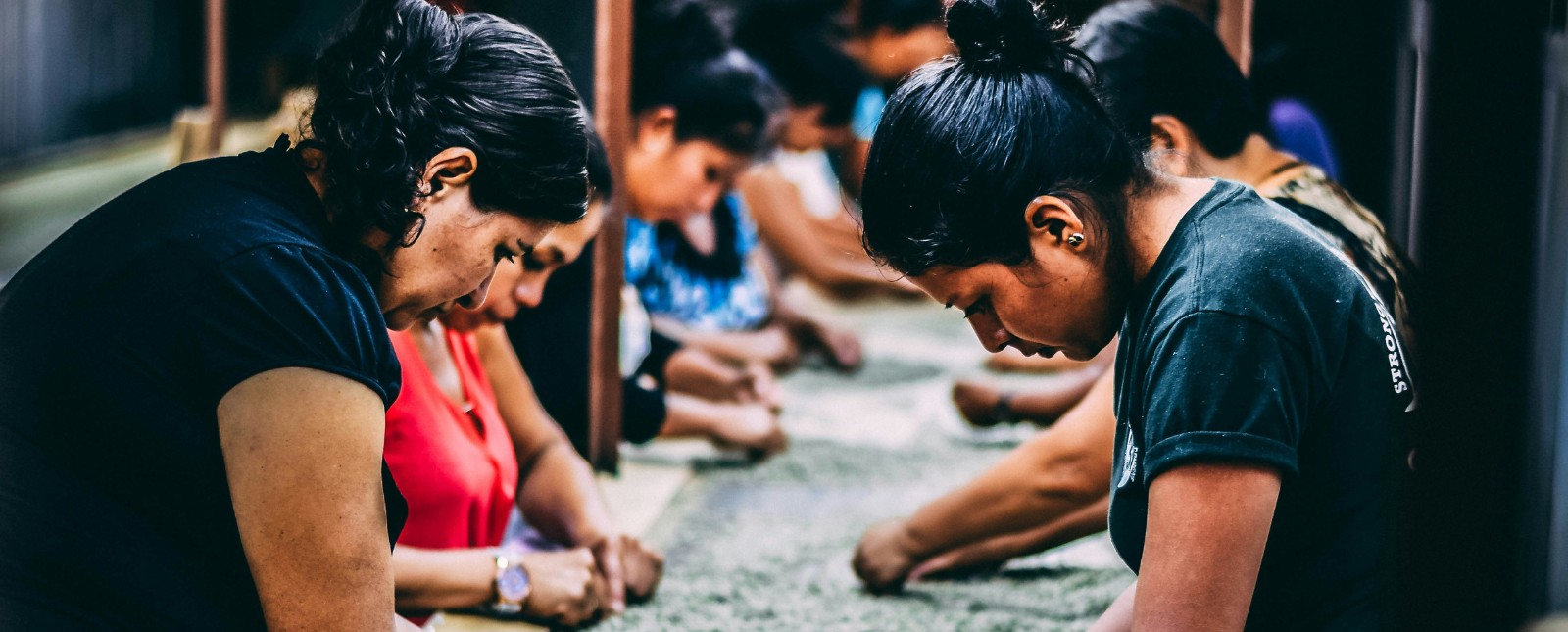
Under President Bukele’s perpetual 'State of Exception', El Salvador has made international news for its historic decline in homicides. Despite this, women report that problems of violence are far from over in the country, write Julia Zulver and Anne Ruelle Read more
Adrianna Zabrzewska
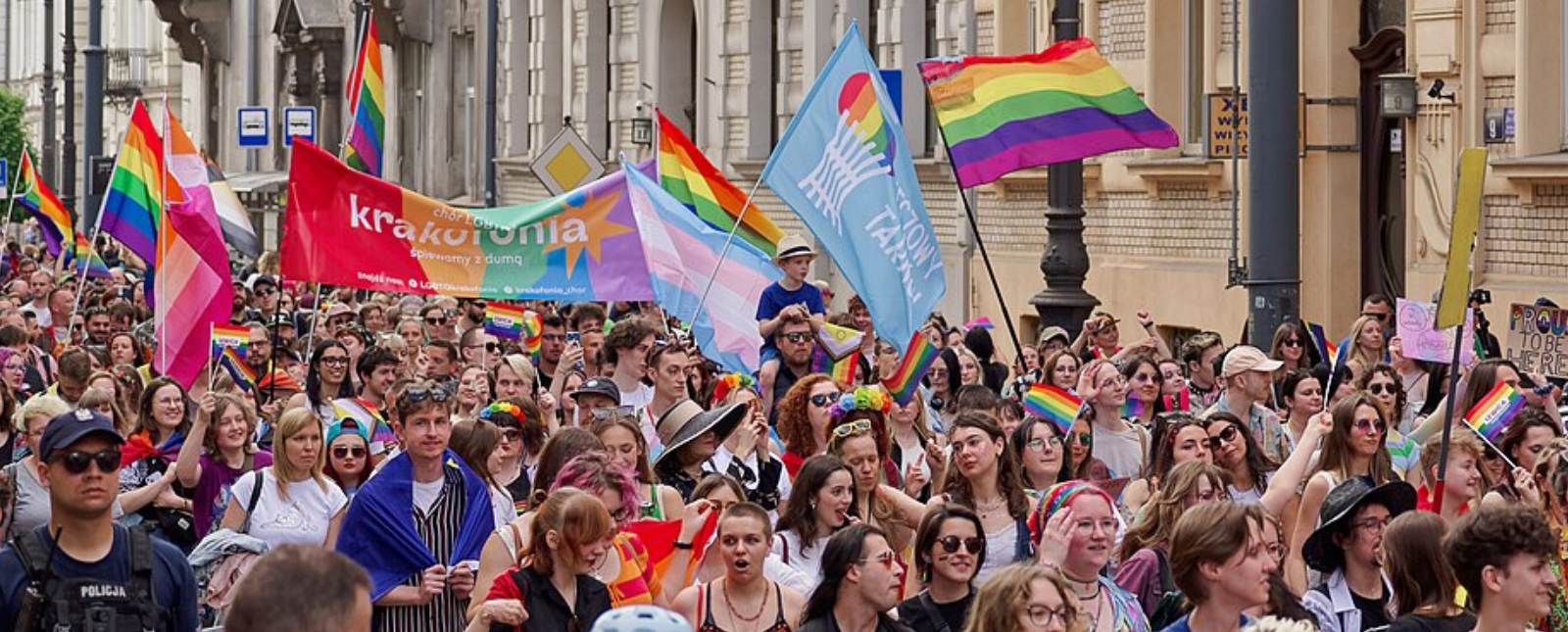
Adrianna Zabrzewska and Roberto Kulpa show that, despite populism's hostile political climate, limited funding, and tensions within the community, the pursuit of a liveable and joyful life for LGBTIQ+ individuals and cishet women in Poland is an unfolding project of resilience and resistance Read more
Corinna Kröber
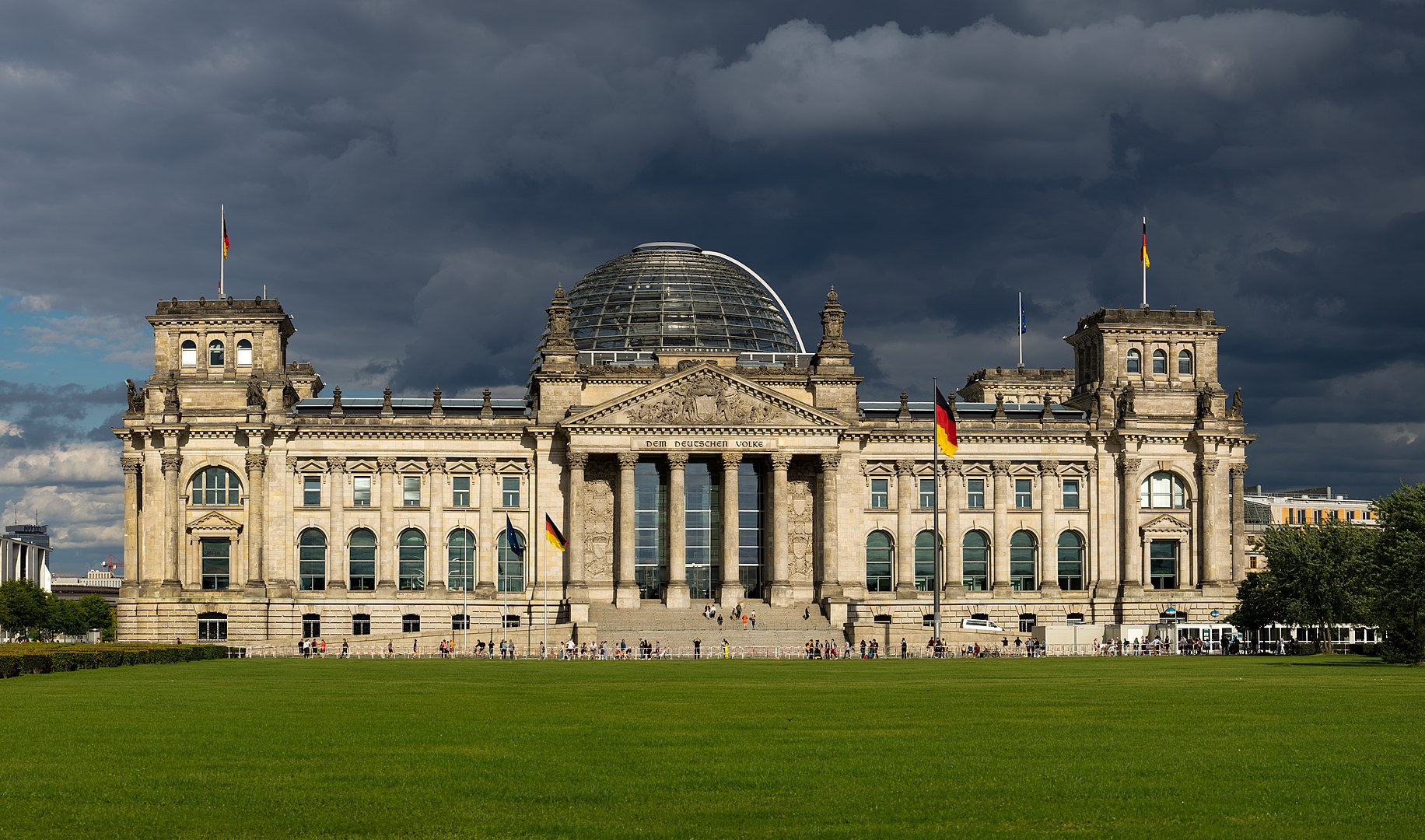
The new German Bundestag will be smaller and more right-wing wing. And it will be more male-dominated. Corinna Kröber and Lena Stephan discuss how the political shift to the right and the new electoral law have influenced this trend, and the potential long-term consequences for women’s political representation in Germany Read more
Iris B. Segers
Far-right politicians around the world have mastered the art of epistemic warfare, posing a serious threat to academic freedom. Iris B. Segers reflects on the challenges of feminist resistance to a bizarre political reality rife with lies Read more
Daniel Baldin Machado
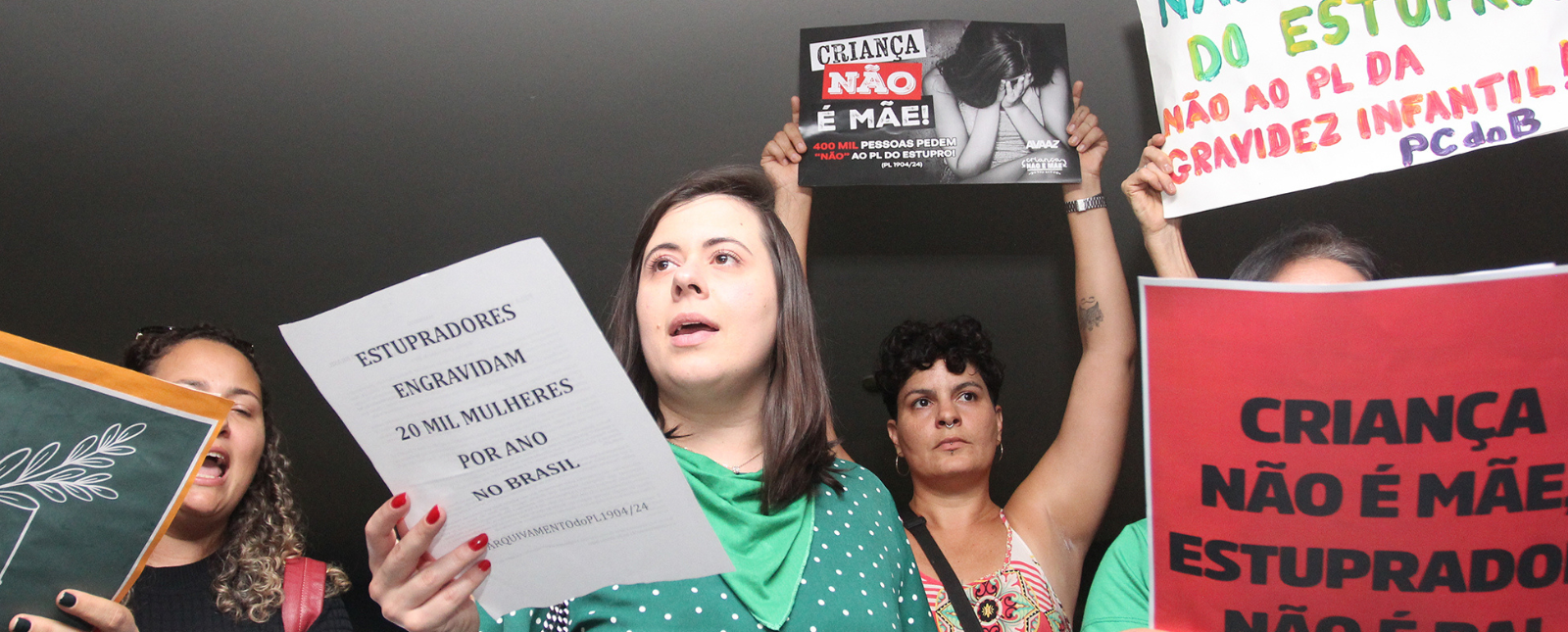
In just one month, a bill equating abortion with homicide reached the voting stage in Brazil’s Lower House. How did this happen? Daniel Baldin Machado examines how a decade of institutional changes has reshaped legislative processes to sideline scrutiny, deepen gendered biases, and weaken democratic accountabilit Read more
Renée Krug
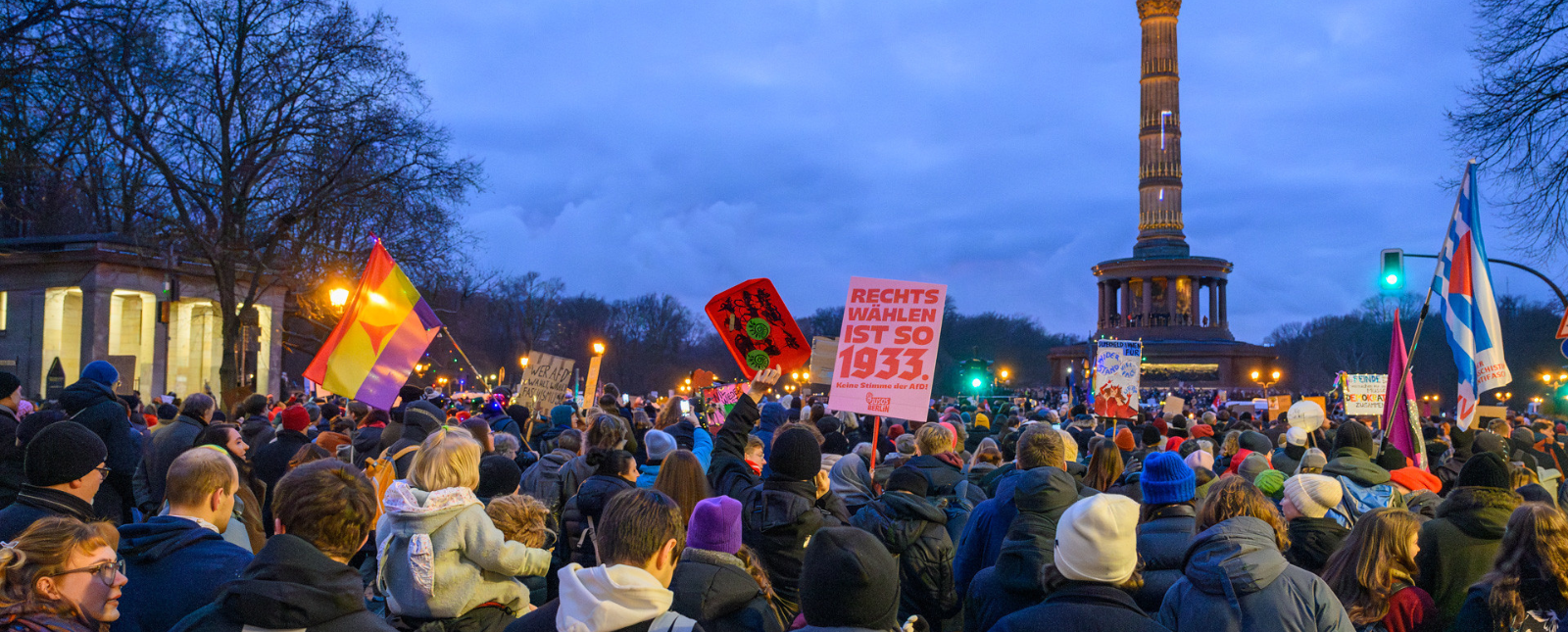
Germany heads to the polls on 23 February, amid an economic recession. Renée Krug, Stefan Wallaschek and Pauline Ahlhaus analyse the parties' main election programmes, and show how, in contrast with left-wing parties, those on the right rarely address gendered economic inequalities and LGBTQI rights. With polls indicating a CDU-led government, gender-related issues are at risk of being sidelined — or even reversed Read more
We use necessary cookies to make our site work. We'd also like to set analytics cookies that help us make improvements by measuring how you use the site. These will be set only if you accept.
▼
Strictly Necessary Cookies
Necessary cookies enable core functionality such as security, network management, and accessibility. You may disable these by changing your browser settings, but this may affect how the website functions.
▼
Analytics Cookies
Google Analytics
We'd like to set Google Analytics cookies to help us improve our website by collecting and reporting information on how you use it. The cookies collect information in a way that does not directly identify anyone. For more information on how these cookies work please see our Privacy Notice.