Xuechen Chen
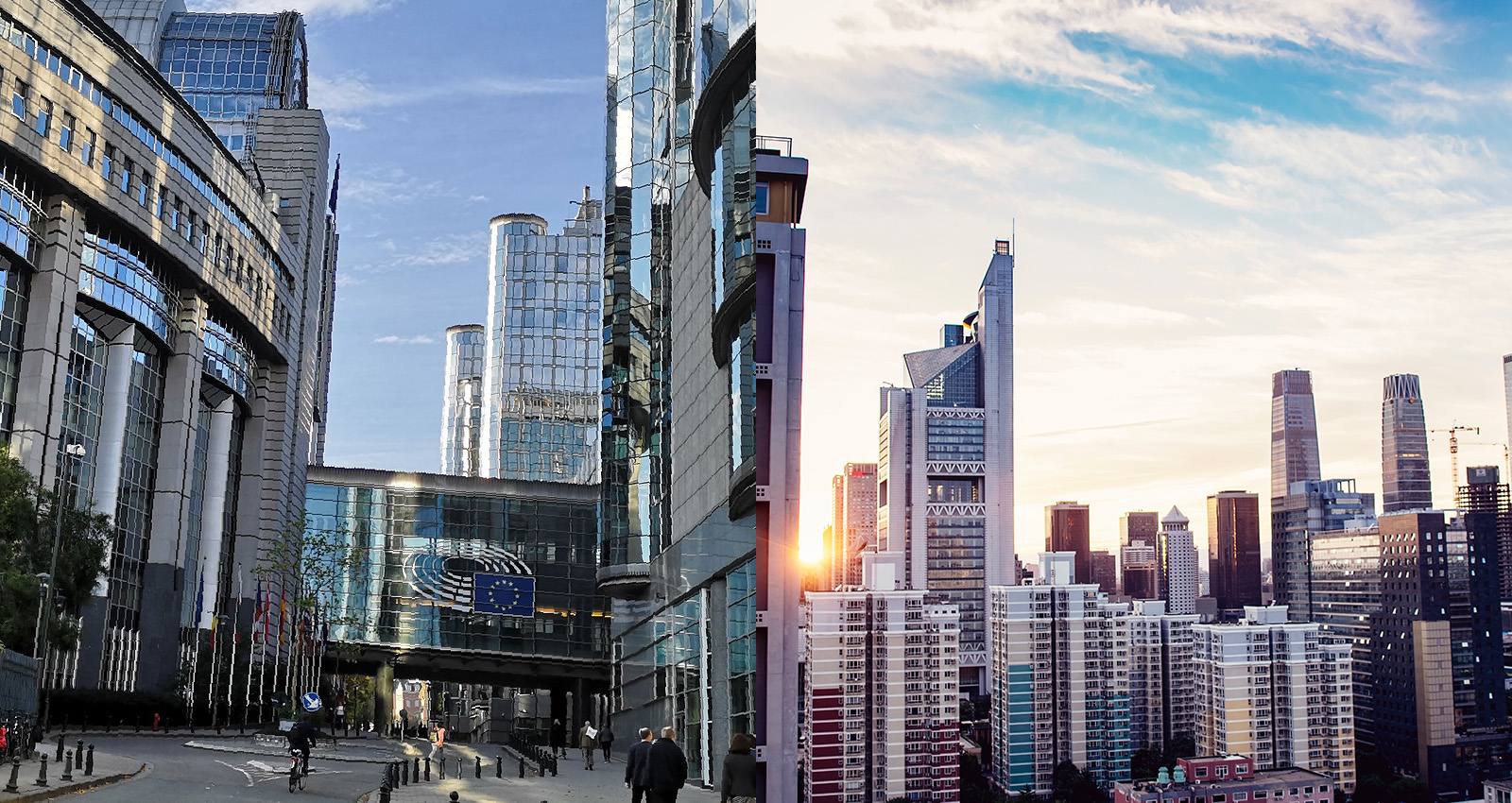
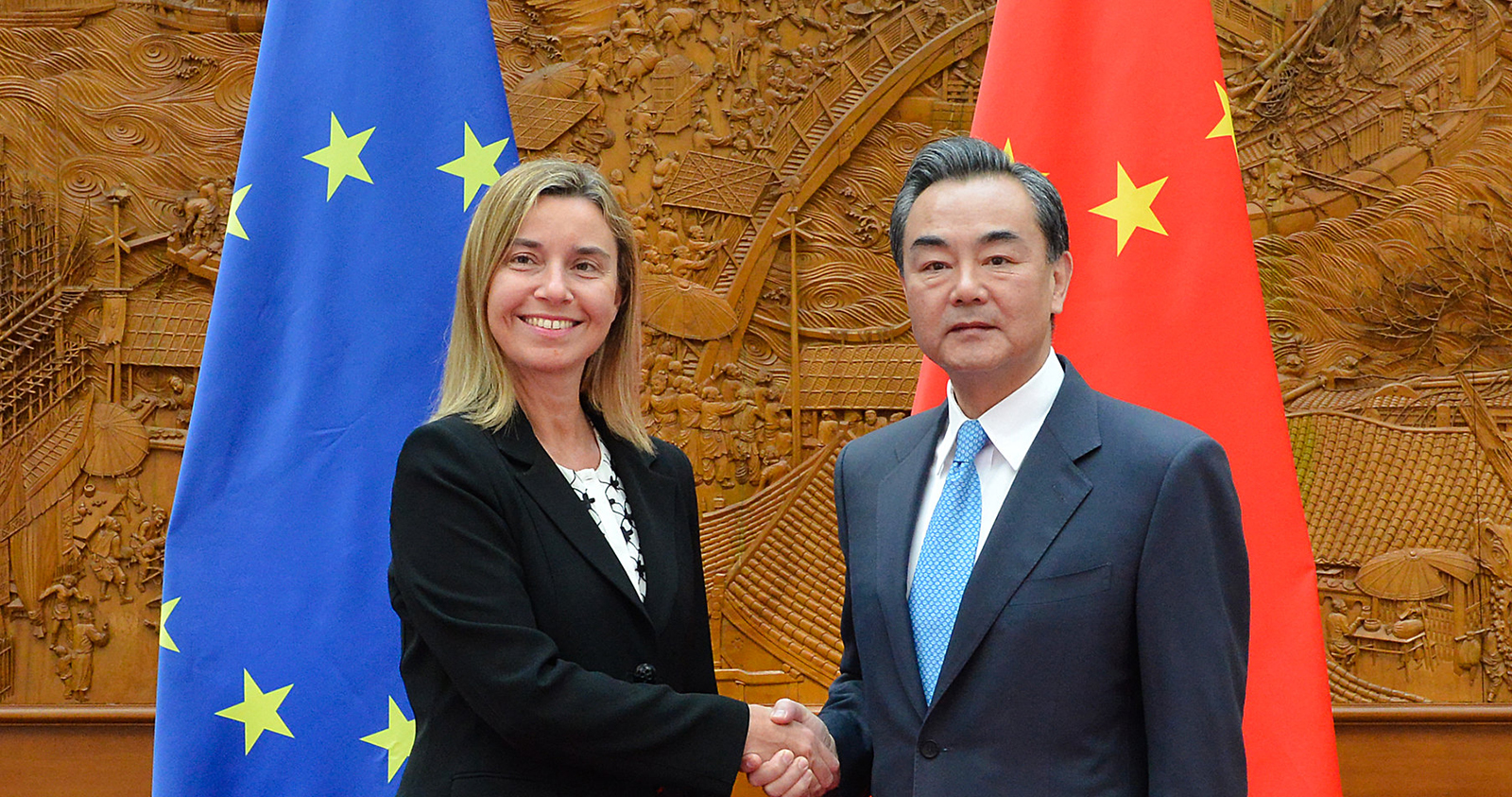
Xuechen Chen and Xinchuchu Gao contend that the bilateral relationship between the EU and China must be examined in a broader context. Specifically, that of the EU's increasingly proactive strategy towards the wider Asian region Read more
Hager Ali
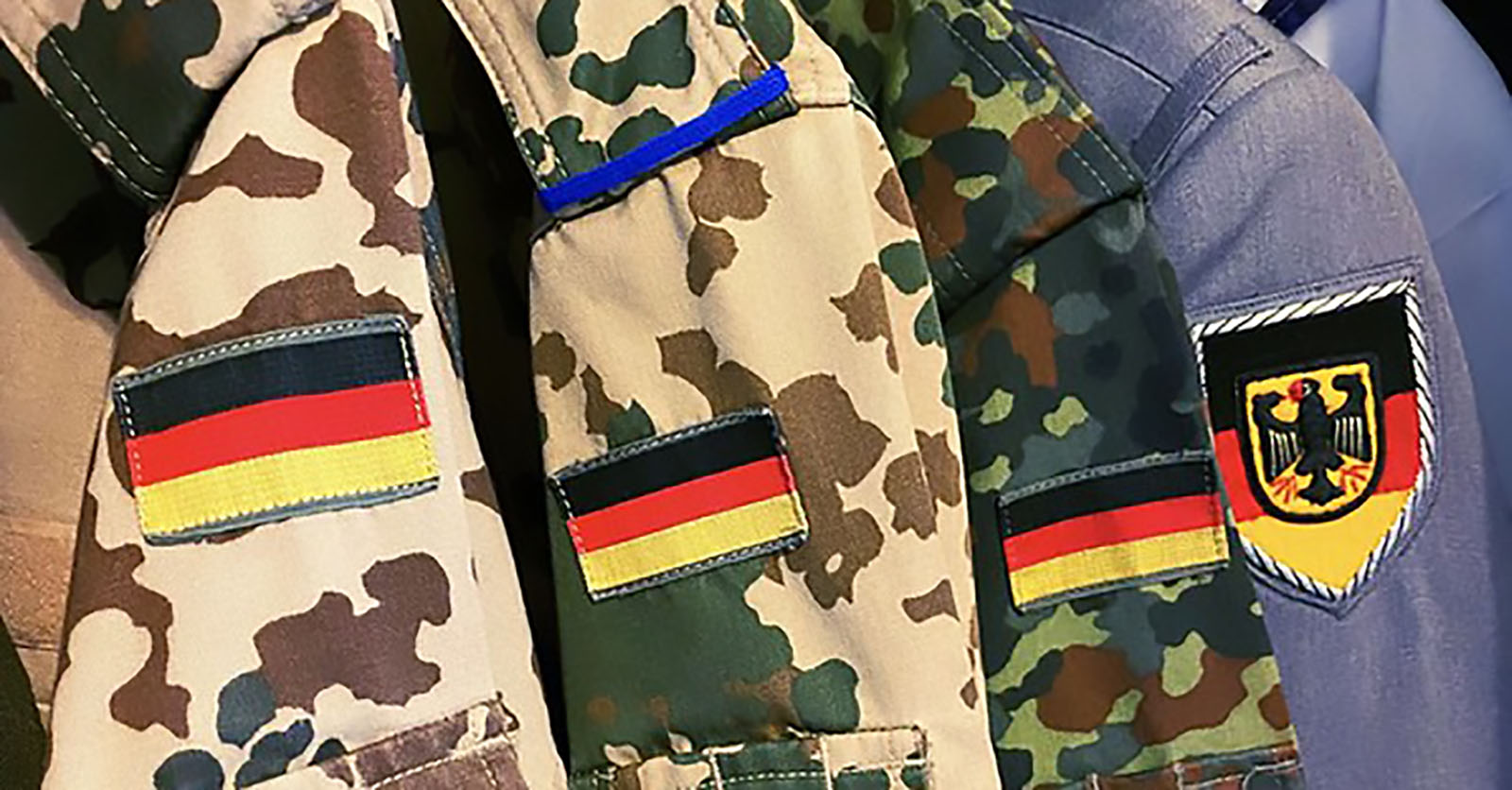
Years of austerity has stifled Germany’s army, the Bundeswehr, but Hager Ali argues that money is the least of it. Salvaging the Bundeswehr means reconfiguring German military professionalism – and fixing its relations with the public Read more
Clara Portela
Human rights activists have applauded the European Union's new human rights sanctions regime. However, writes Clara Portela, although the regime comes with several flexible innovations, its ultimate goal remains ambiguous Read more
Ziya Öniş
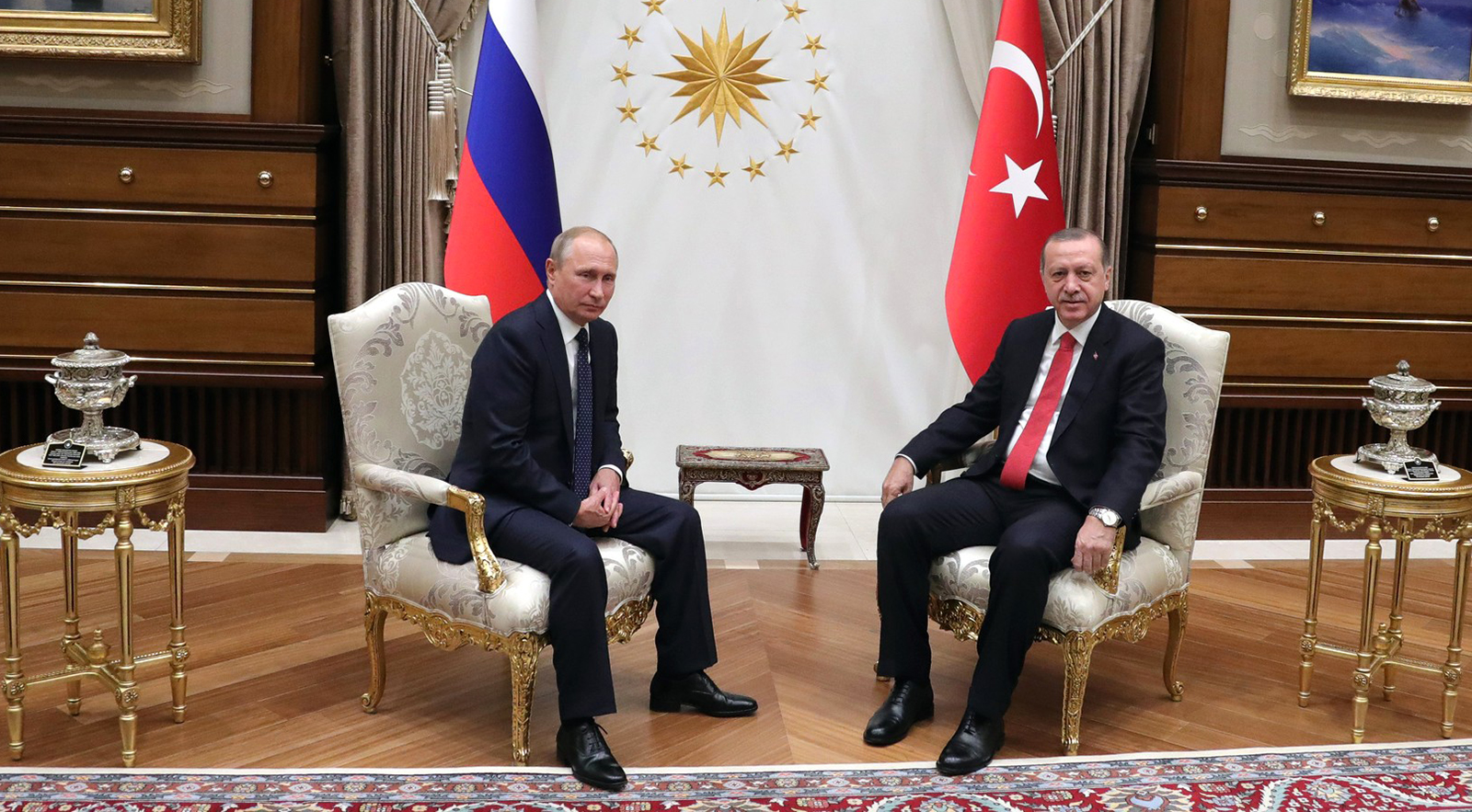
In recent years, Turkish foreign policy has oscillated between traditional alignments with the West, and a new Eastern orientation. Partnerships with Russia and China are becoming increasingly important, write Ziya Öniş and Mustafa Kutlay. Yet Turkey must be firmly anchored to the club of democratic states to regain its benign regional and global role Read more
Mahmoud Javadi
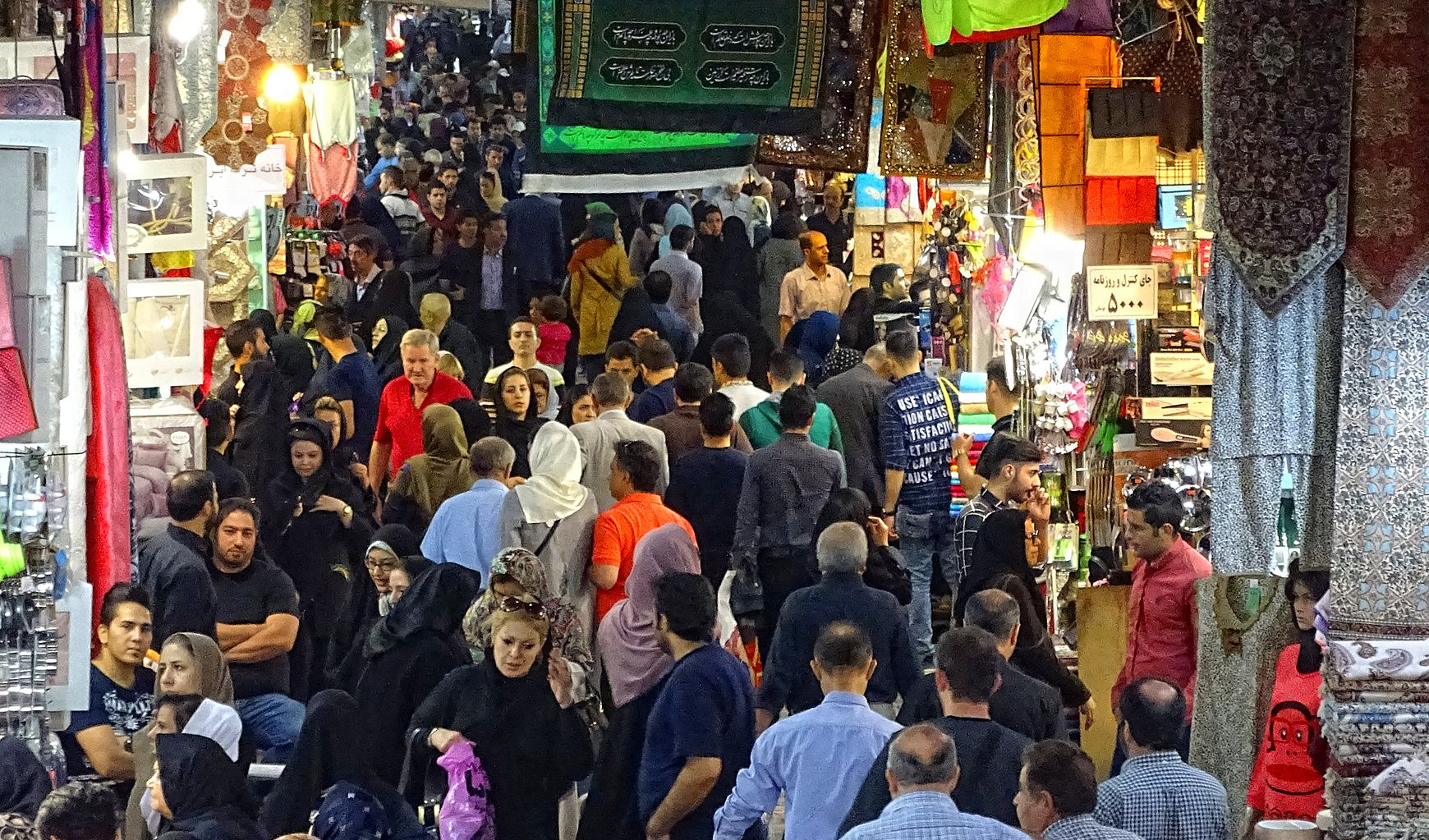
Relations between Iran and Europe are in a pretty poor state. But Mahmoud Javadi argues that there are avenues for improvement through identification of 'shared interests' – and the EU can, and should, play its part Read more
Xuechen Chen
Xuechen Chen and Xinchuchu Gao argue that the EU’s decision to securitise China lies behind the recent deterioration in EU-China relations. Yet divergent views among member states are hampering EU policy, resulting in incoherent and inconsistent implementation at national levels Read more
Johanne Døhlie Saltnes
The EU often faces criticism for conducting an inconsistent and arbitrary human rights policy. This critique is misguided and overlooks a more fundamental problem with the policy, argues Johanne Døhlie Saltnes: that it tends to be executive-driven, precluding the participation of individuals and affected groups Read more
Markus Thiel
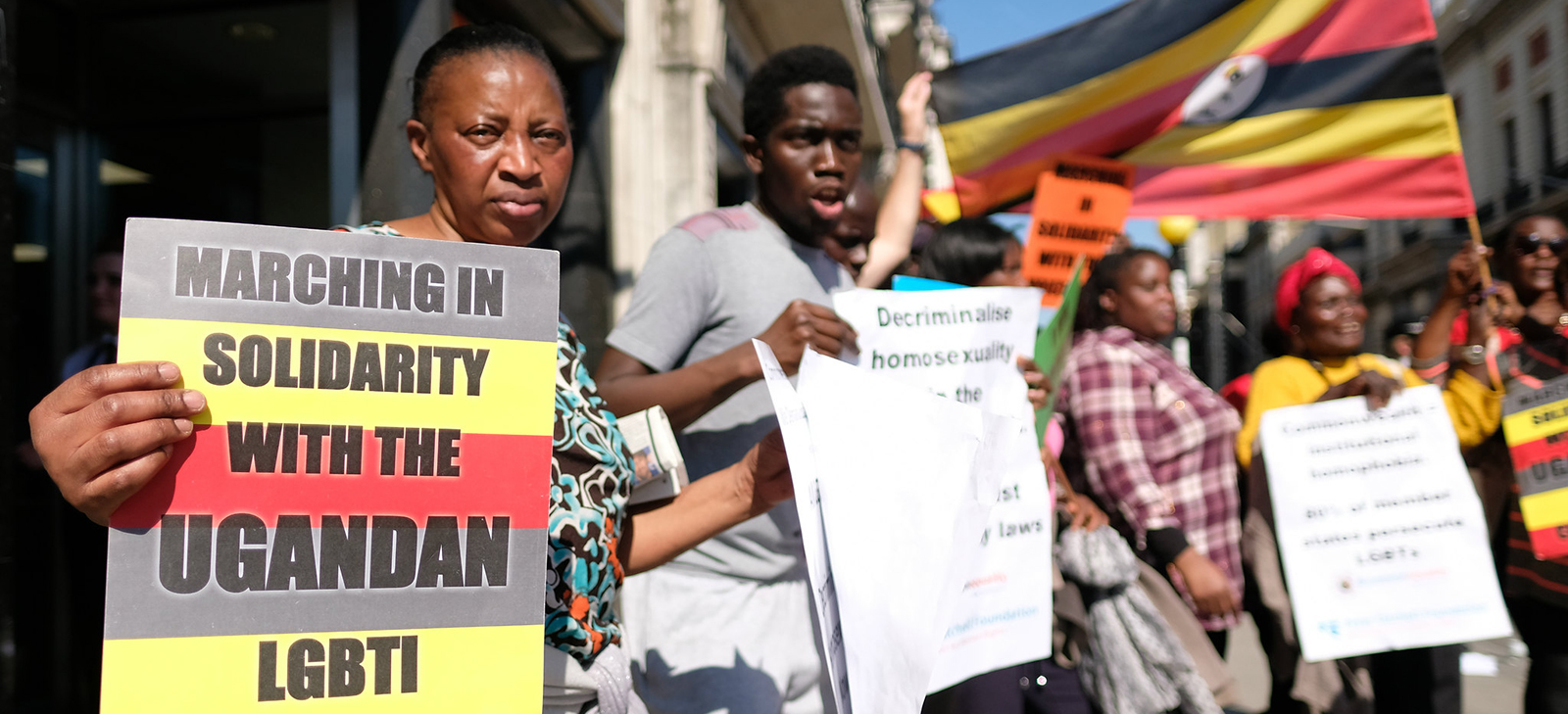
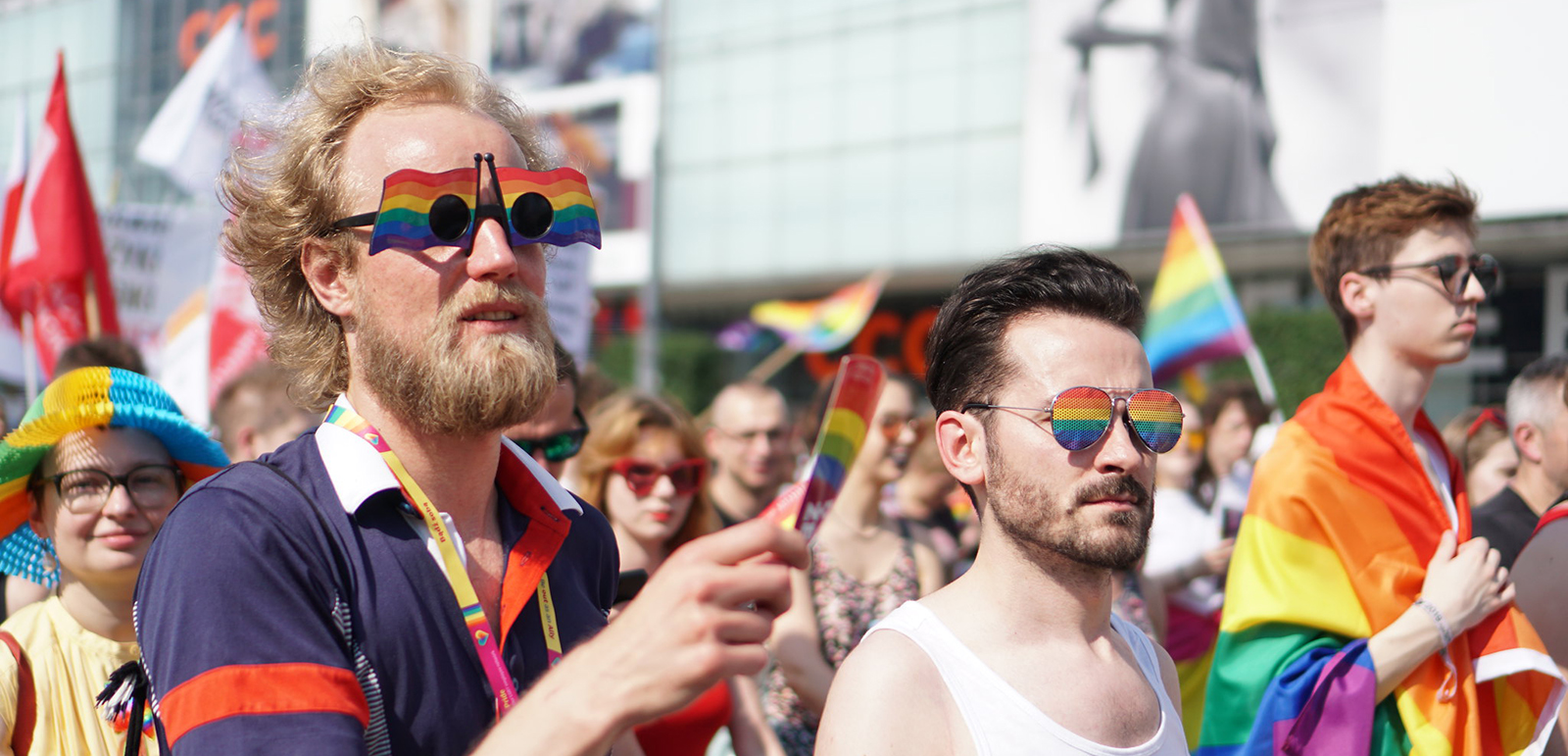
The EU’s promotion of LGBTI human rights has provoked disputes over these rights, and the way they are promoted. Focusing on civil pluralism and democratic consolidation would make the EU a more reflective and effective actor, argues Markus Thiel Read more
We use necessary cookies to make our site work. We'd also like to set analytics cookies that help us make improvements by measuring how you use the site. These will be set only if you accept.
▼
Strictly Necessary Cookies
Necessary cookies enable core functionality such as security, network management, and accessibility. You may disable these by changing your browser settings, but this may affect how the website functions.
▼
Analytics Cookies
Google Analytics
We'd like to set Google Analytics cookies to help us improve our website by collecting and reporting information on how you use it. The cookies collect information in a way that does not directly identify anyone. For more information on how these cookies work please see our Privacy Notice.