Williamkery Gaddam
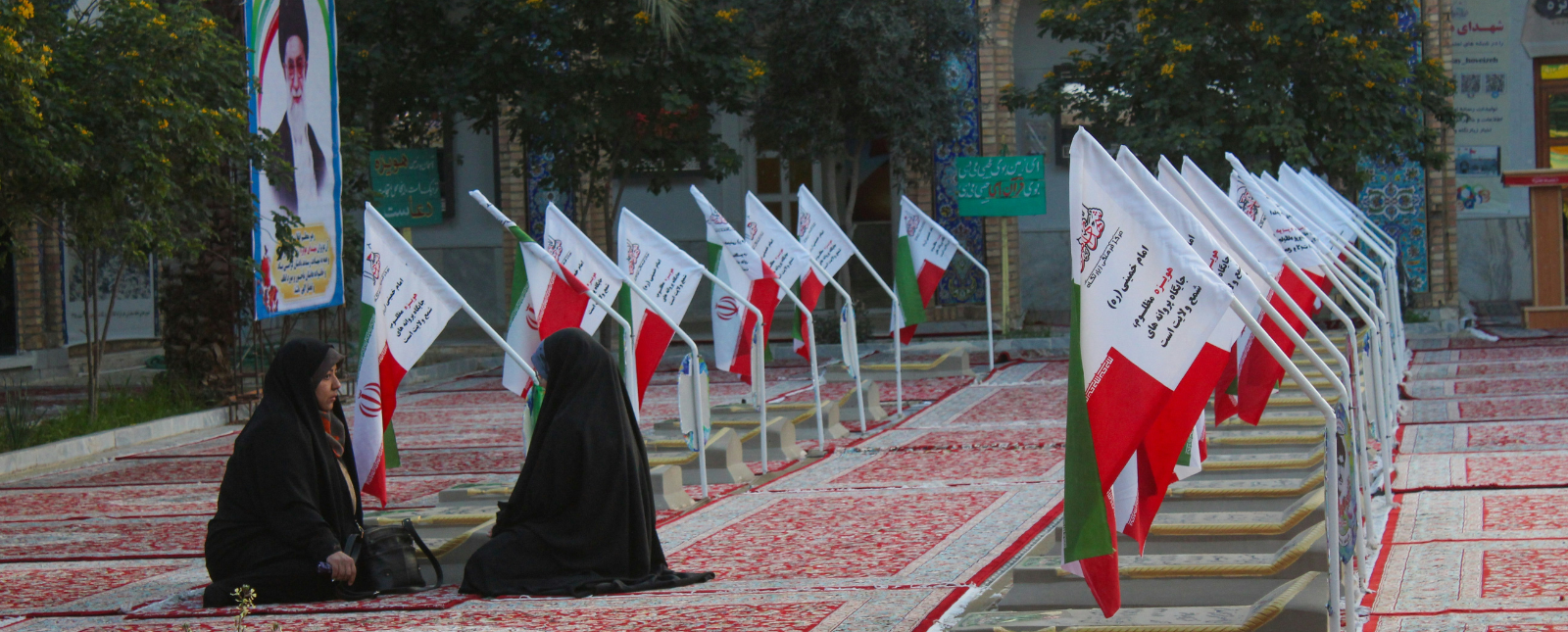
Predictions of regime collapse in Iran often misunderstand the Islamic Republic’s internal mechanics, says Williamkery Gaddam. Authority is not centralised but distributed among clerical bodies, security organisations, and political institutions. This enables the regime to manage elite competition and absorb external shocks, making externally driven transformation far harder than many observers assume Read more
Cristian Pîrvulescu
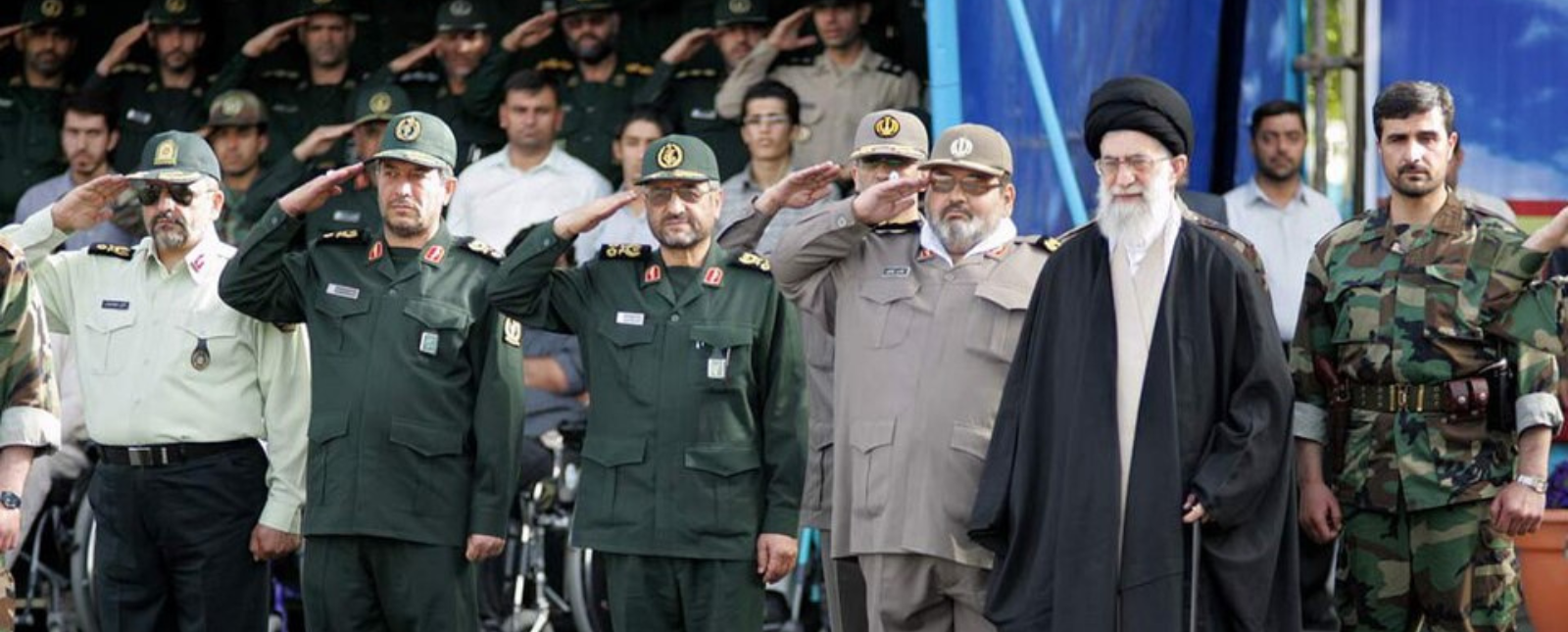
The attack on Iran by Israel and the US can be seen as an attempt to force regime change. Yet, says Cristian Pîrvulescu, authoritarian regimes rarely collapse when leaders fall. Systems built around institutions often survive because they reproduce power through structures that organise coercion and coordinate elites Read more
Jacob Wentz
Jacob Wentz analyses populist rhetoric and communication strategies in the election campaigns of Donald Trump and Giorgia Meloni. Both leaders adopt similar approaches, criticising traditional media, personalising politics, and using language that marginalises immigrants and the LGBTQ+ community. We should not, he argues, underestimate the power of their rhetoric. Read more
Damir Kapidžić
Illiberal politics are a way to understand the process by which ruling elites (mis)use democratic institutions of the state to create an electoral advantage for themselves with the aim to remain in power indefinitely. With a focus on Southeast Europe, Damir Kapidžić explains the concept's roots in institutional legacies of past regimes Read more
Angelo Vito Panaro
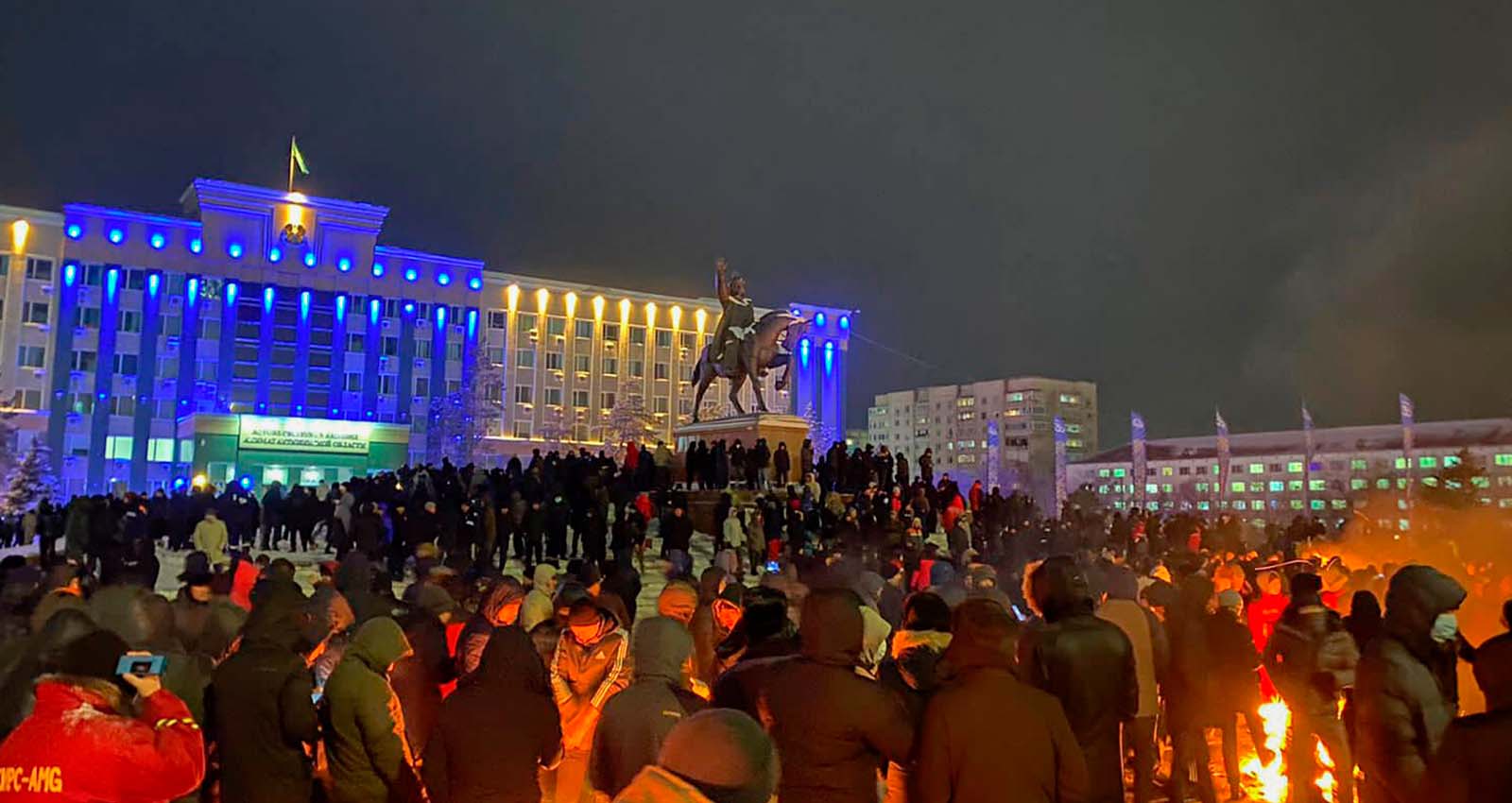
Unprecedented anti-government protests spread across Kazakhstan in January 2022, andwere only quelled through a military solution. Angelo Vito Panaro argues that, despite the outcome, the protests expose the inherent fragility of the autocratic regime and the strength of public support for a democratic alternative Read more
Despina Alexiadou
Using a test case of social welfare policy, Despina Alexiadou argues that if we want to understand the policy choices of different governments, we should start by analysing the social class composition of its ministers Read more
Zeynep Menteşoğlu Tardivo
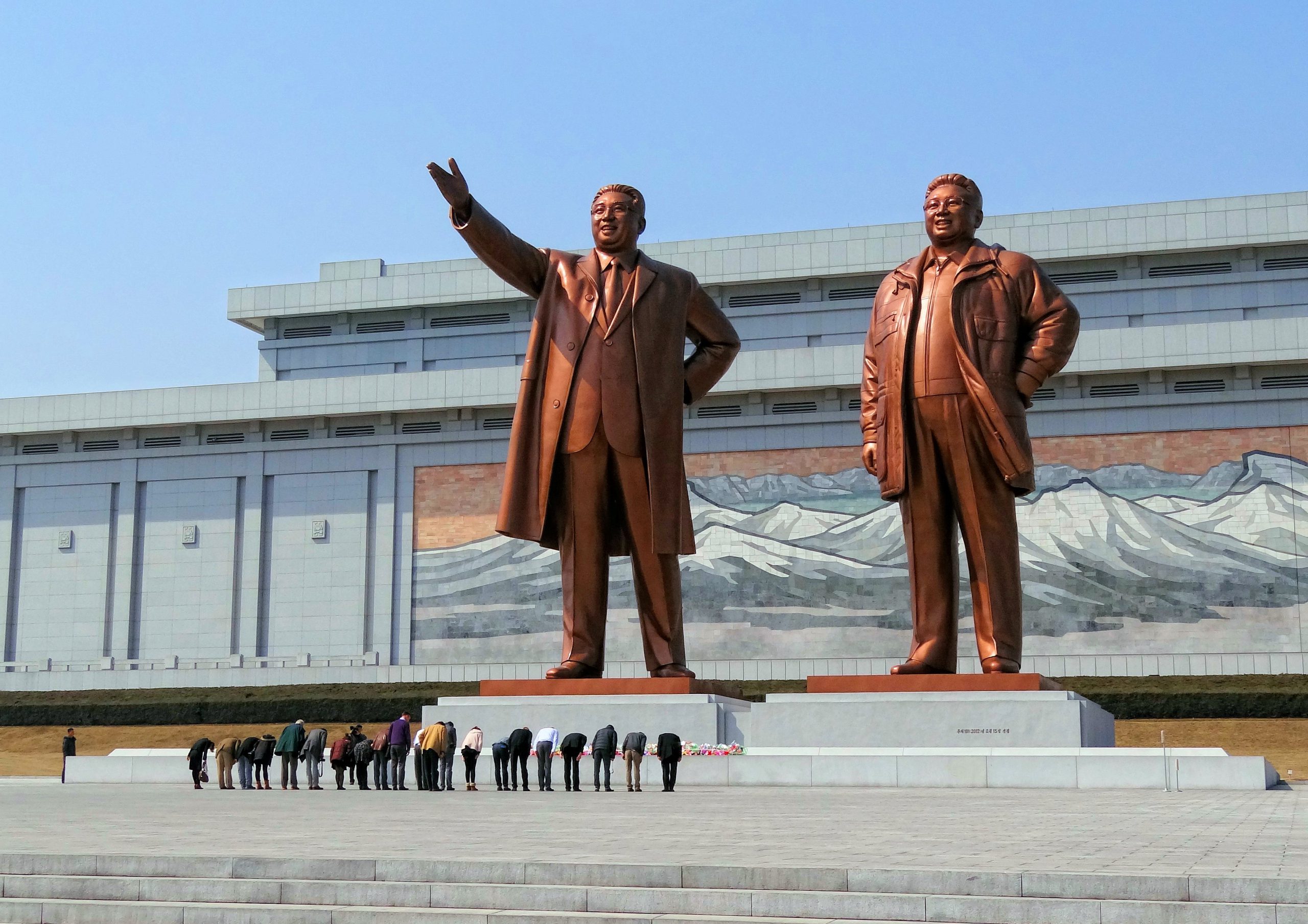
Zeynep Mentesoglu Tardivo analyses the role played by nominally democratic political institutions in authoritarian regimes. She argues that rulers design such institutions to consolidate their power base, even at the cost of economic and political development Read more
Jun Koga Sudduth
Does the creation of nominally democratic institutions help dictators stay in power by reducing the risk of coups d’etat? Jun Koga Sudduth analyses and categorises different types of coup, and their effects. In so doing, she confounds the conventional wisdom that democratic institutions reduce the likelihood of dictators being overthrown Read more
We use necessary cookies to make our site work. We'd also like to set analytics cookies that help us make improvements by measuring how you use the site. These will be set only if you accept.
▼
Strictly Necessary Cookies
Necessary cookies enable core functionality such as security, network management, and accessibility. You may disable these by changing your browser settings, but this may affect how the website functions.
▼
Analytics Cookies
Google Analytics
We'd like to set Google Analytics cookies to help us improve our website by collecting and reporting information on how you use it. The cookies collect information in a way that does not directly identify anyone. For more information on how these cookies work please see our Privacy Notice.