Dana Sofi
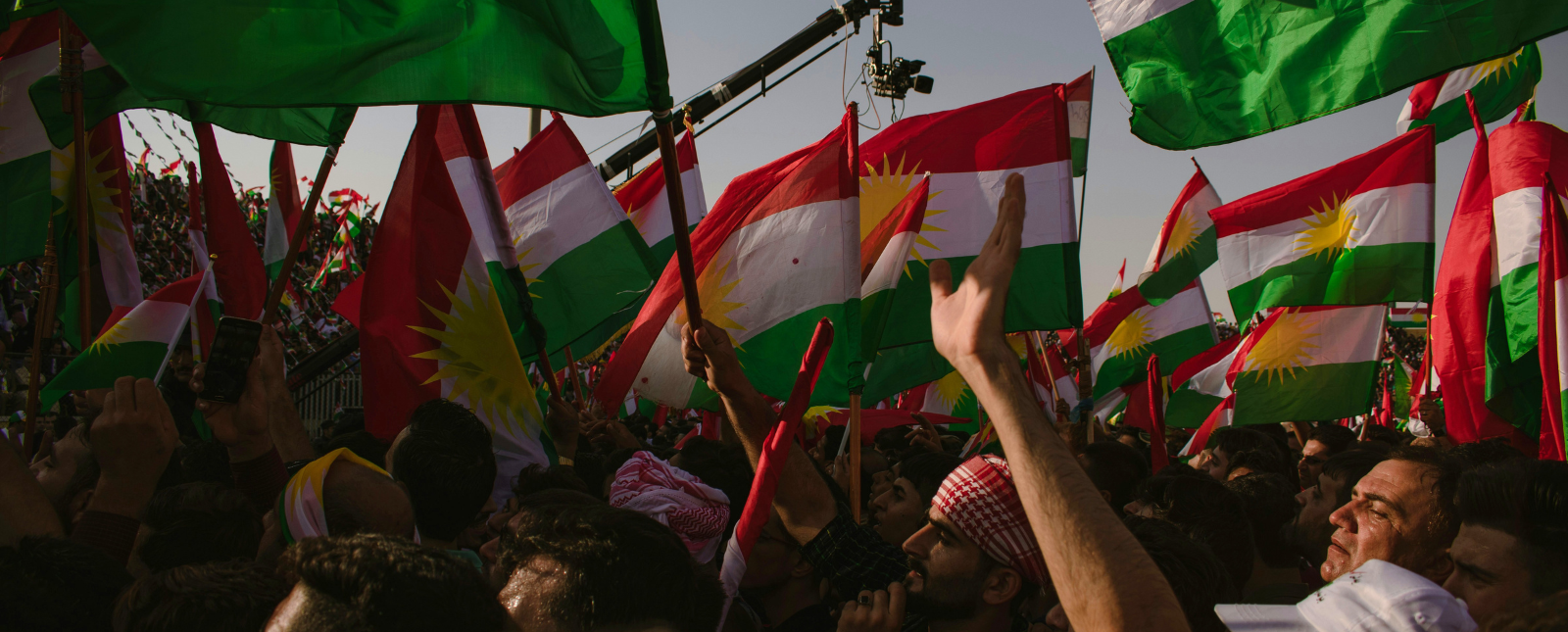
Dana Sofi argues that public participation in Iraqi Kurdistan has expanded in form but remained limited in influence. His research shows that new civic forums increased visibility, access and local trust, yet failed to make political institutions more responsive or redistribute power from elites to citizens Read more
Aleksandra Samonek
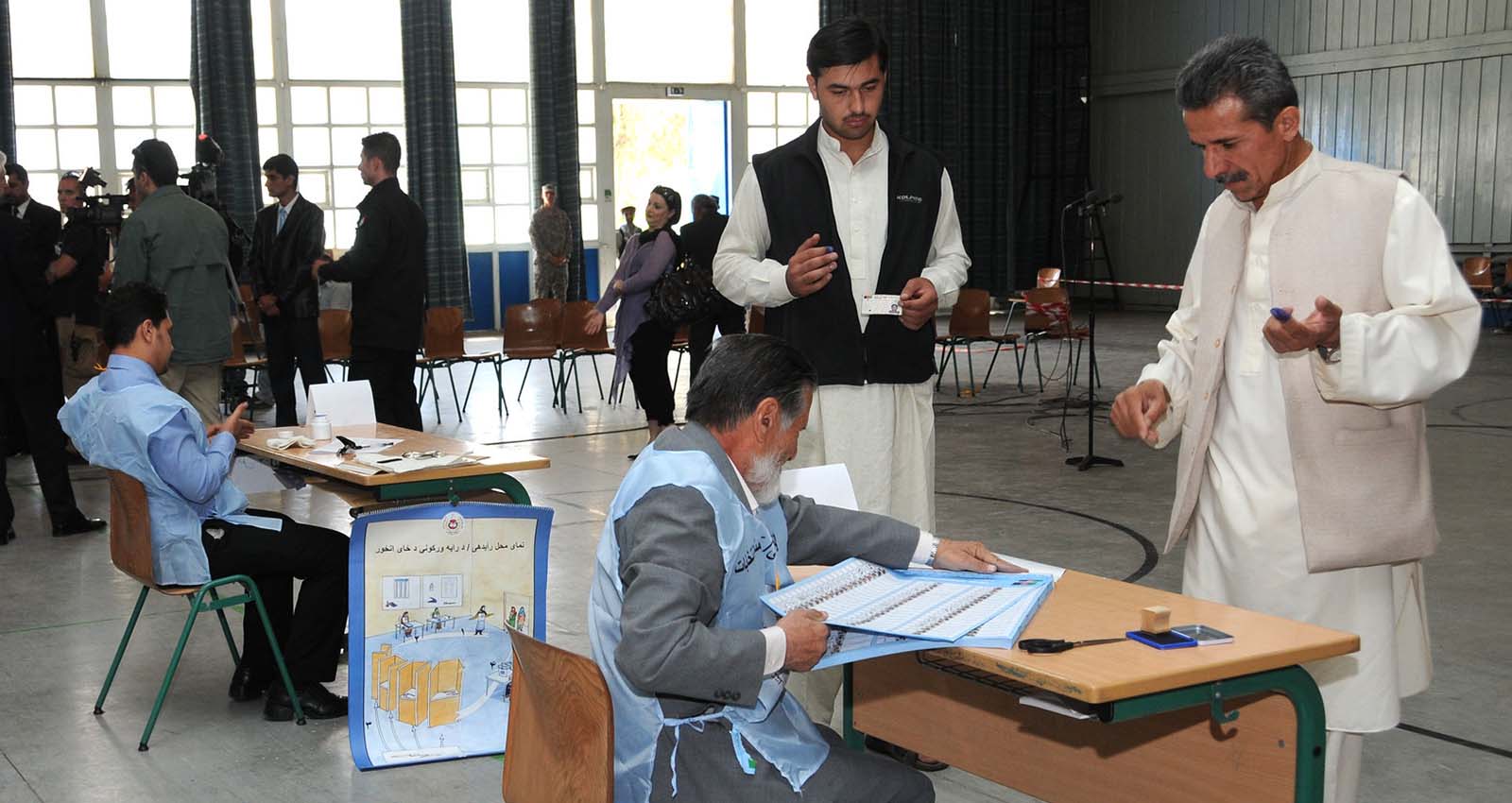
EU candidate status eludes Bosnia and Herzegovina as anti-corruption and judicial reforms have failed to take root, writes Aleksandra Samonek. The European Commission points the finger at a lack of political commitment from Bosnian political leaders. They, meanwhile, are calling on the Commission to do more to facilitate accession Read more
Haakon Gjerløw
In a new book, Haakon Gjerløw, Carl Henrik Knutsen, Tore Wig and Matthew C. Wilson challenge conventional wisdom. Building state institutions before democratisation does not help long-term economic development, after all Read more
Hager Ali
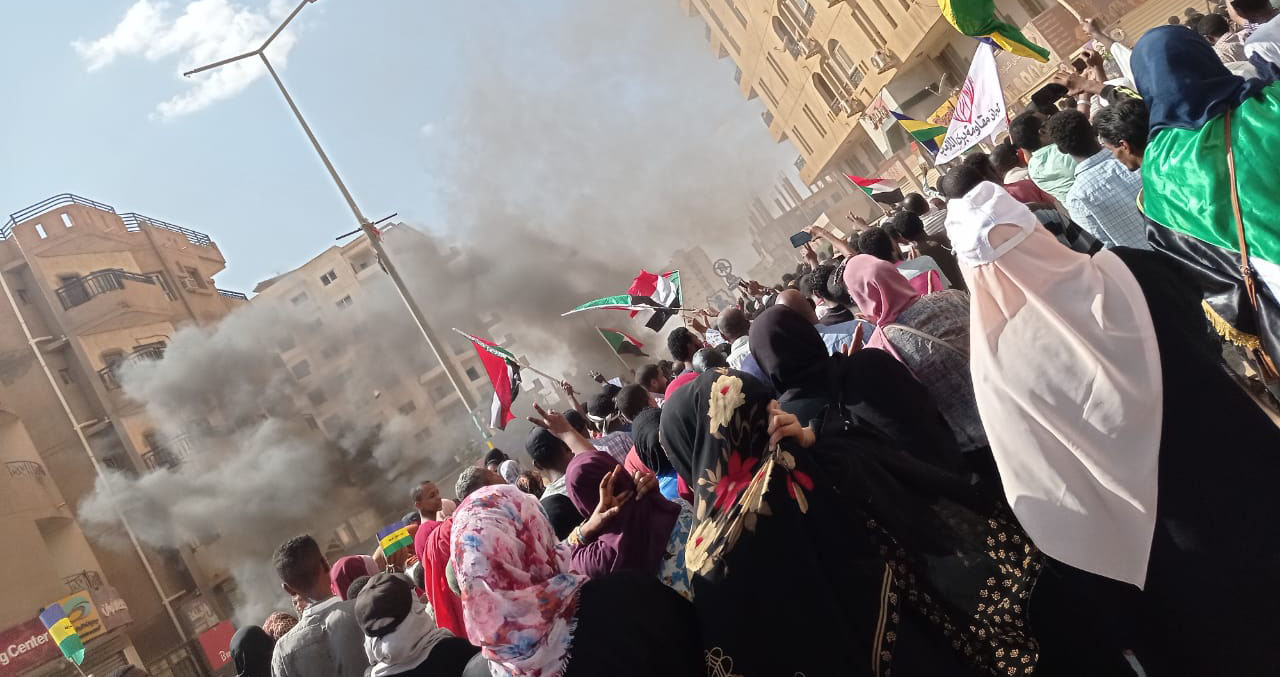
A military coup on 25 October put an abrupt end to Sudan’s fragile democratic transition. Hager Ali argues that although the coup pre-empted a foreseeable power-transfer, the military also created a much bigger problem for itself. The same socio-political conditions that kept al-Bashir in power for decades now threaten the military’s capacity to govern Read more
Hager Ali
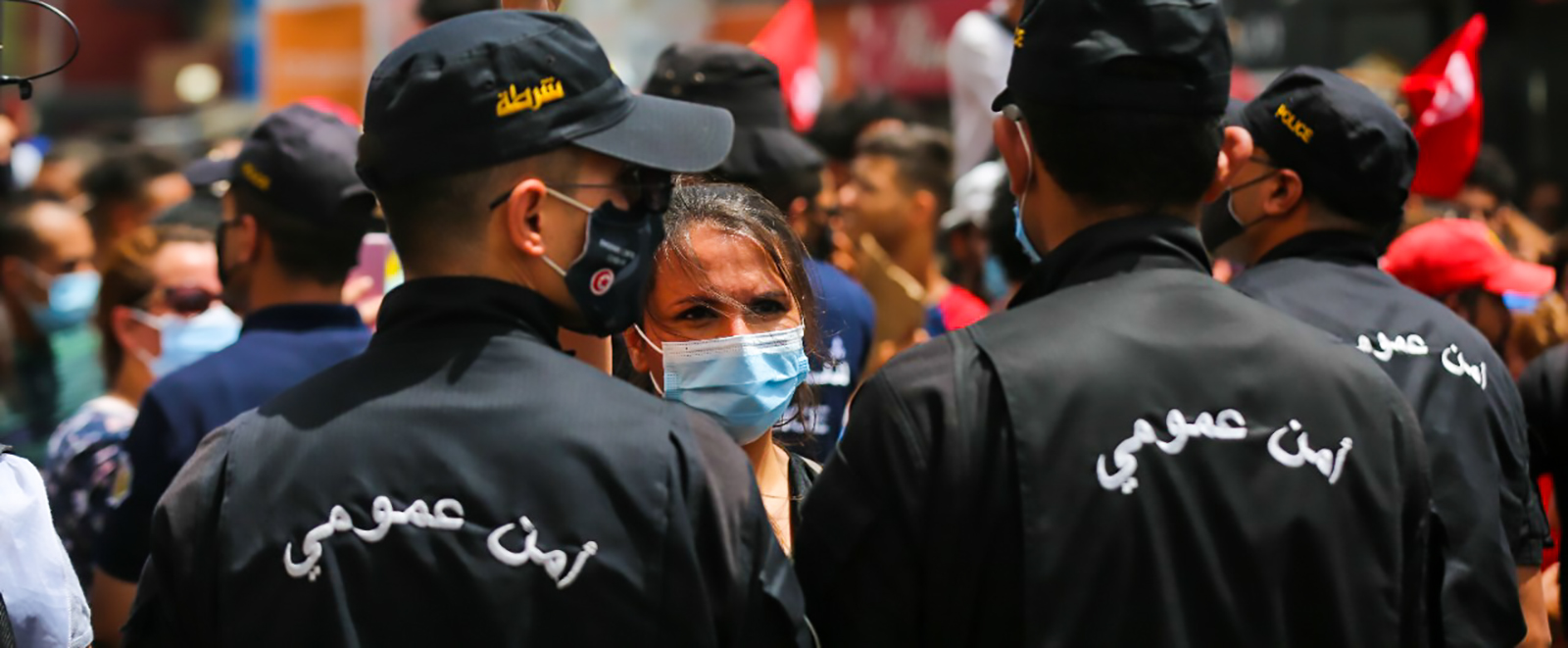
Over recent weeks, Western pundits have been quick to claim recent events in Tunisia are evidence of a ‘failed democracy experiment’. But Hager Ali and Ameni Mehrez argue that the protests are more a testament to democratic resilience than failure Read more
Julieta Suárez-Cao
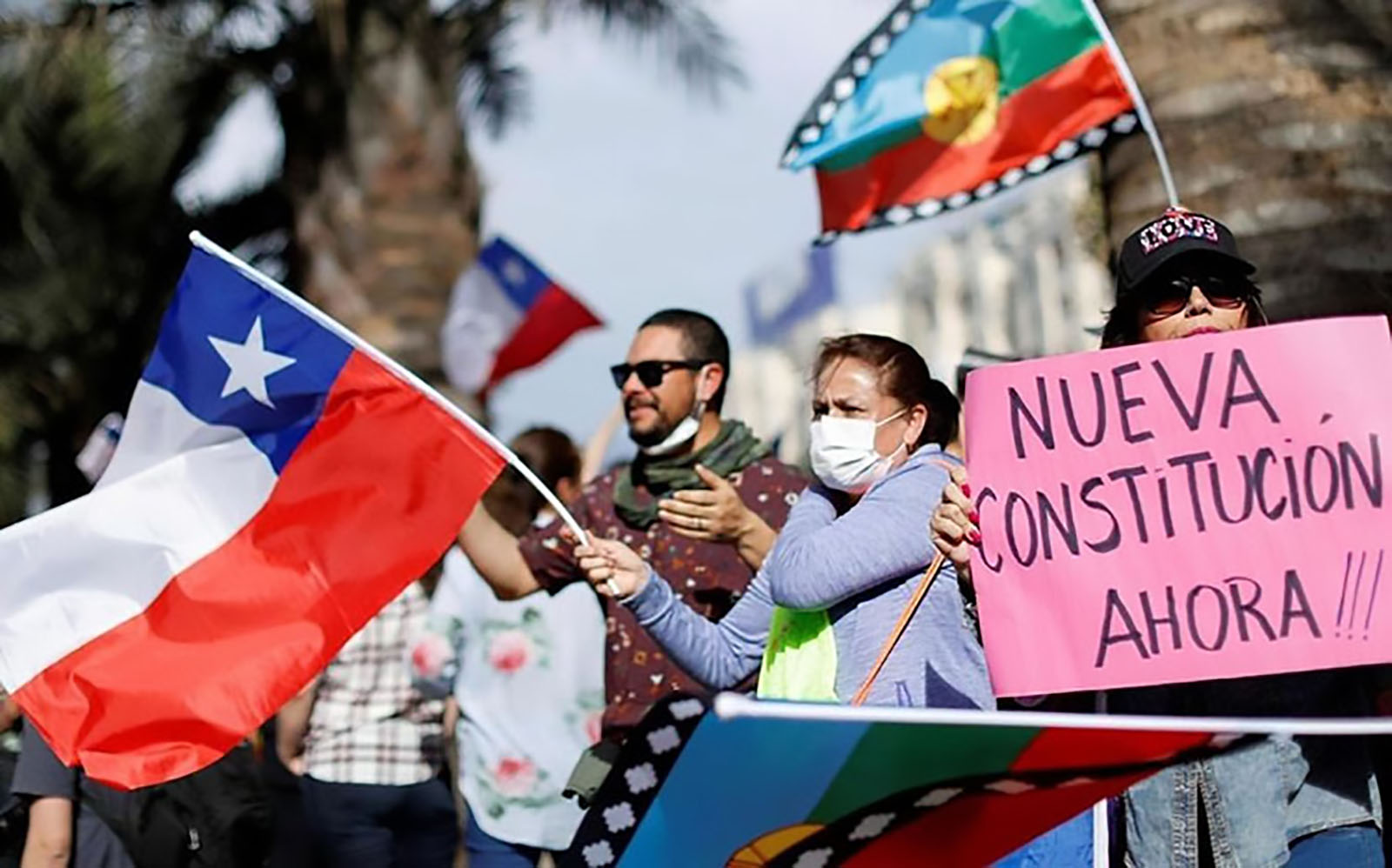
Chile’s constitutional reform started after massive social protests in 2019. With gender parity, reserved seats for indigenous people, and a significant number of seats for independent delegates, Julieta Suarez-Cao argues that the country's assembly is on track to rebuild democratic legitimacy in the years to come Read more
Aliaksei Kazharski
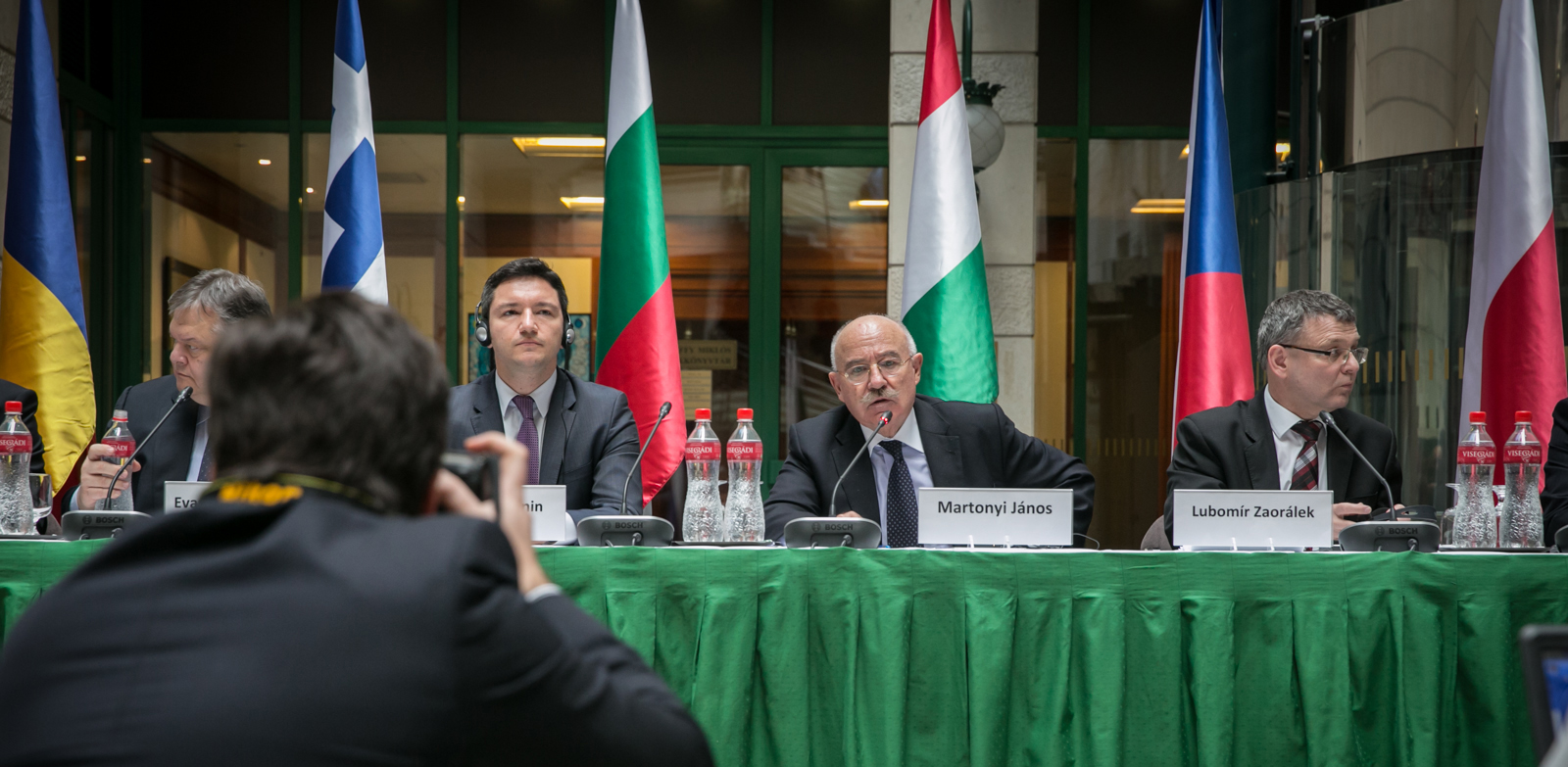
Following the end of the Cold War, the Visegrád 4 of Hungary, Poland, Czechia and Slovakia embarked on a 'return to the West'. These countries, writes Aliaksei Kazharski, are hardly beacons of democracy. But could they anchor Europeanisation and democratic change in East-Central Europe? Read more
Stefano Ruzza
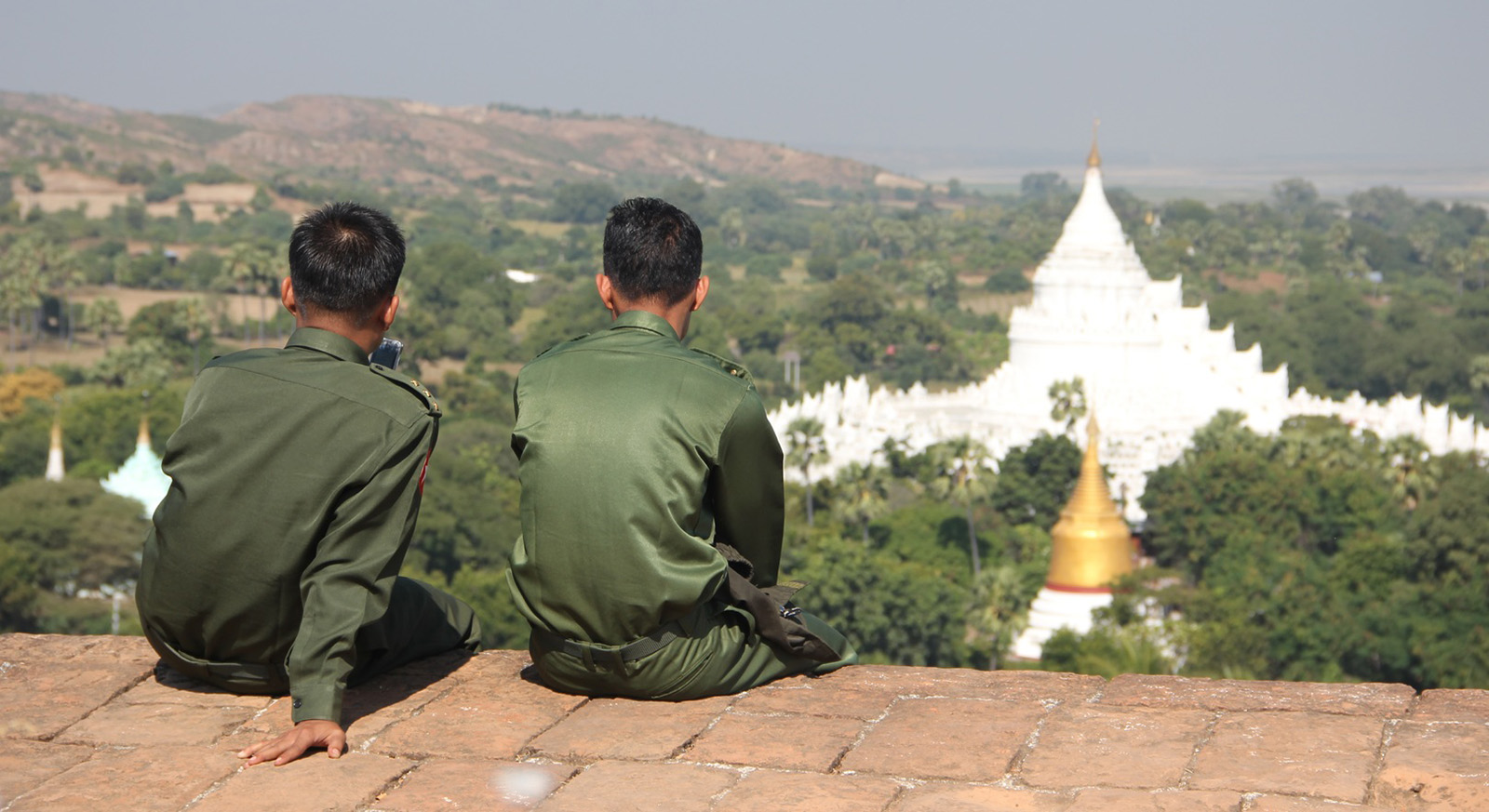
What does the recent military coup tell us about the prospects for Myanmar’s regime? Stefano Ruzza argues that while the country's semi-democracy is not dead, it is unlikely ever to escape occasional authoritarian interventions Read more
We use necessary cookies to make our site work. We'd also like to set analytics cookies that help us make improvements by measuring how you use the site. These will be set only if you accept.
▼
Strictly Necessary Cookies
Necessary cookies enable core functionality such as security, network management, and accessibility. You may disable these by changing your browser settings, but this may affect how the website functions.
▼
Analytics Cookies
Google Analytics
We'd like to set Google Analytics cookies to help us improve our website by collecting and reporting information on how you use it. The cookies collect information in a way that does not directly identify anyone. For more information on how these cookies work please see our Privacy Notice.