Dana Sofi
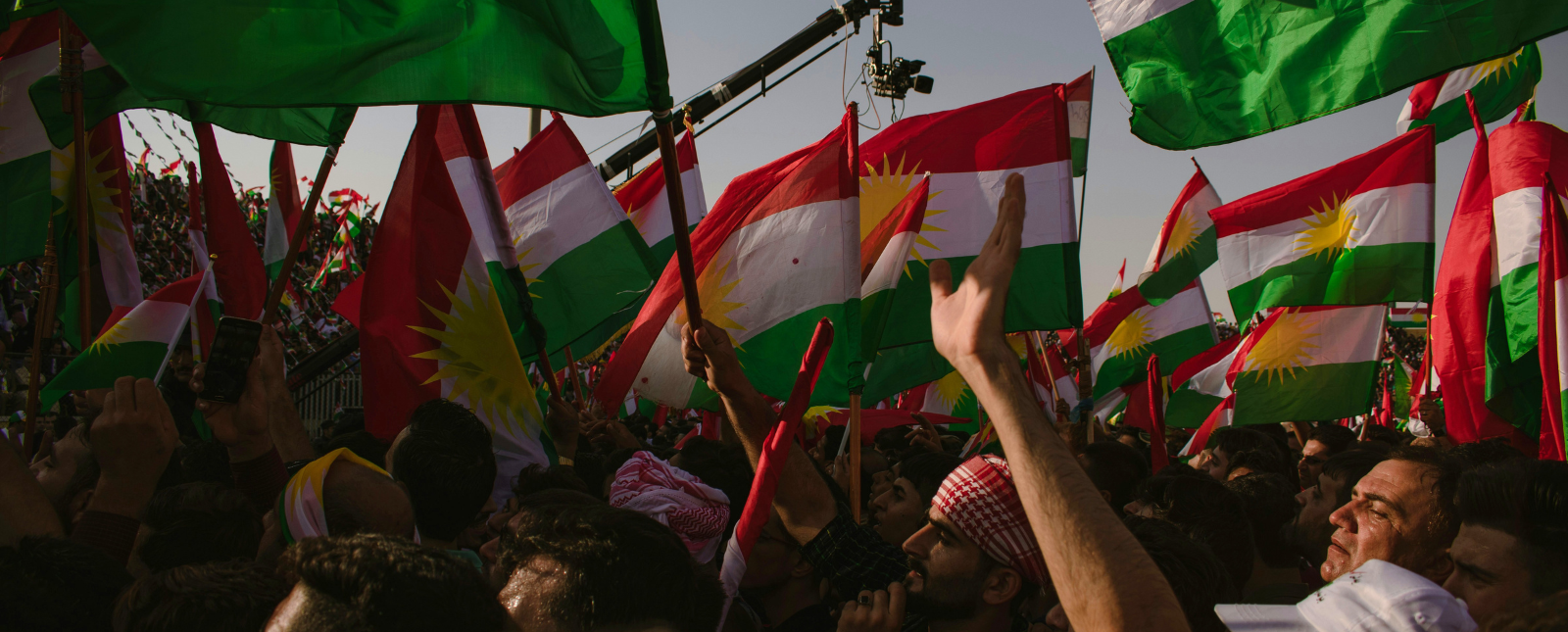
Dana Sofi argues that public participation in Iraqi Kurdistan has expanded in form but remained limited in influence. His research shows that new civic forums increased visibility, access and local trust, yet failed to make political institutions more responsive or redistribute power from elites to citizens Read more
Tim Pires Alves
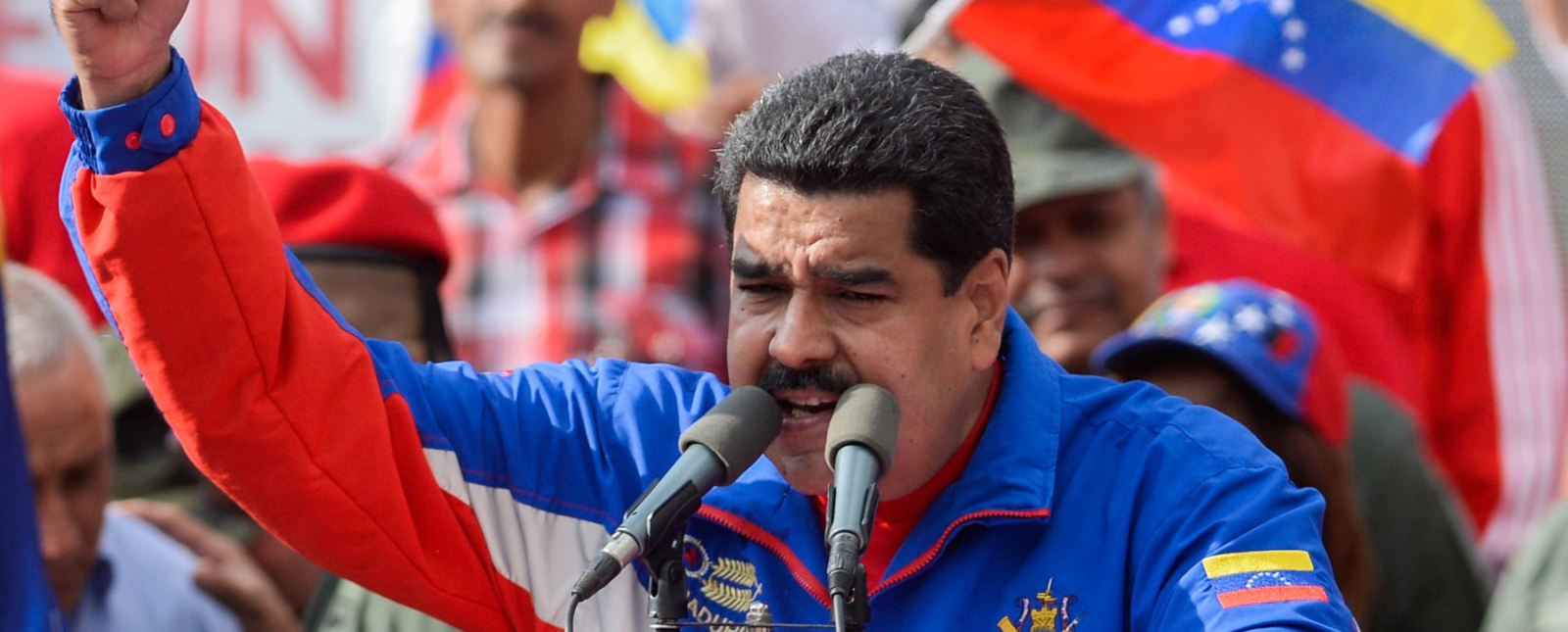
In January 2026, many believed Venezuela to be on the brink of democratic transition. Recent political developments, however, have tempered any such optimism. So, have transformative efforts come to an end, or did they ever truly begin? Tim Pires Alves outlines a possible long-term trajectory for Venezuela toward a dysfunctional democracy shaped by economic dependence and opportunism Read more
Jan Pieter Beetz
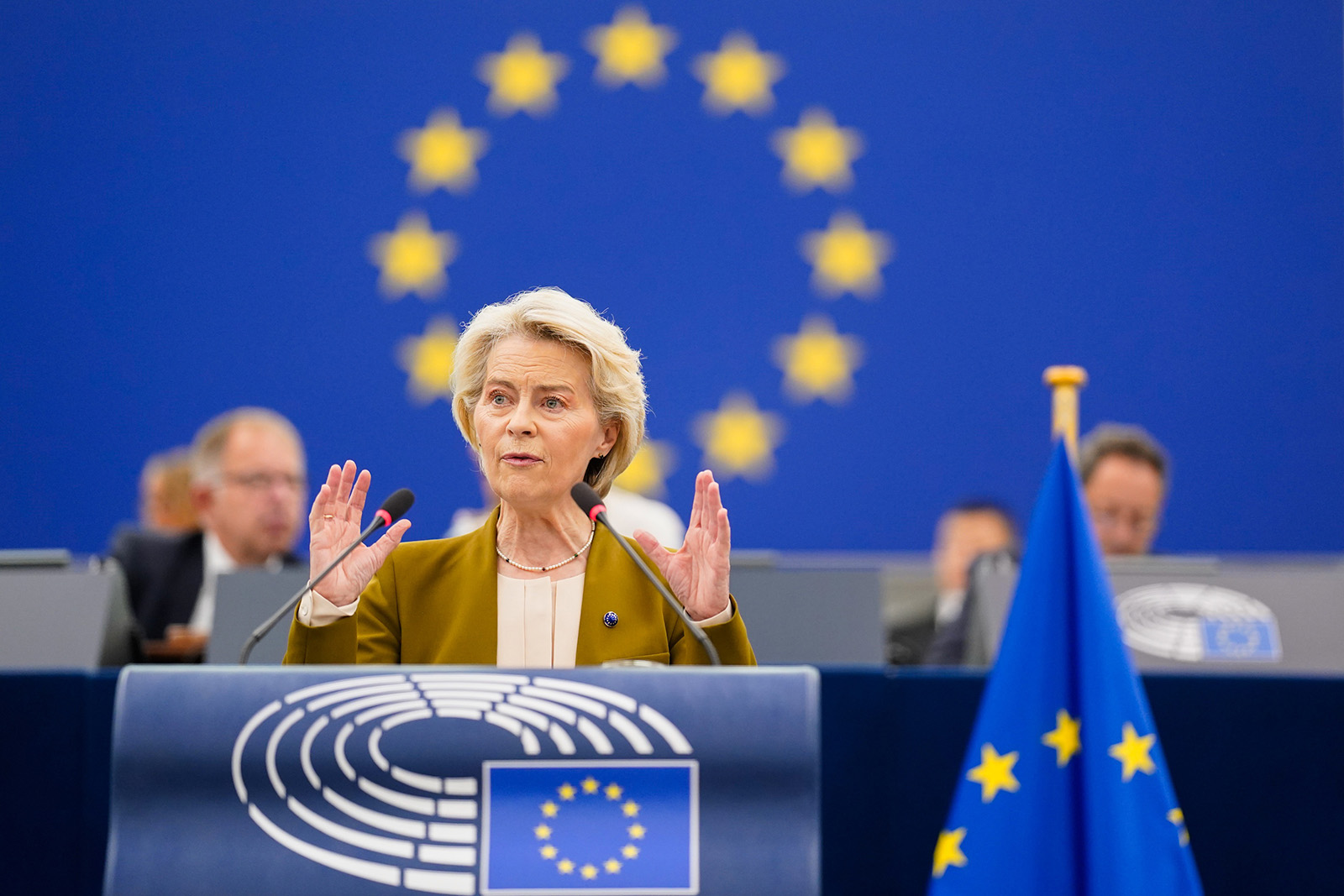
Pro-EU MEPs have long pursued a logic of democratisation based on institutional mimicry. But as Jan Pieter Beetz, Gilles Pittoors and Wouter Wolfs argue, this path has become ideologically entrenched at the expense of alternative models that might better connect with European citizens Read more
Michael Ganslmeier
Michael Ganslmeier and Tim Vlandas have developed a new approach to measure the fragility of findings in political science. Showing that empirical results can change substantially when researchers vary reasonable and equally defensible modelling choices, they advocate for greater use of systematic robustness checks Read more
James Dawson
The EU did not foresee how autocratisation would unfold in Central and Eastern Europe (CEE). But political scientists failed to raise the alarm, too. Lise Herman, James Dawson and Aurelia Ananda show that optimistic assumptions about democratisation misled policy makers and researchers alike Read more
Gülşen Doğan
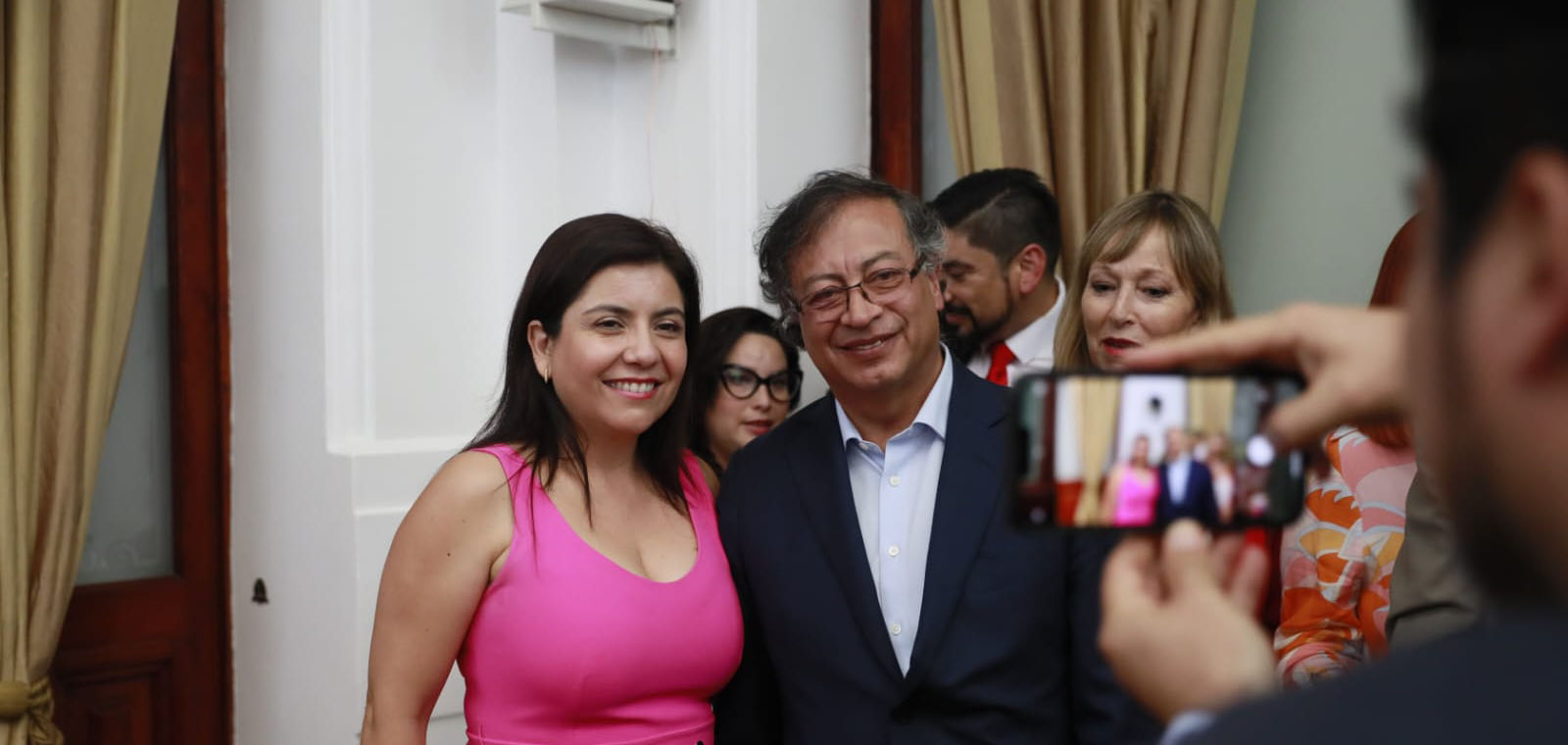
Over the past two years, the number of people living under populist governments has dropped by 800 million. Why? Gülşen Doğan explains the factors helping to overturn authoritarian rule, and reveals why authoritarian leaders have been unseated in some countries, but not in others Read more
Nick Vlahos
Nick Vlahos argues that to fully animate the data mountain that Jean-Paul Gagnon has amassed about the plurality and interrelation of democratic adjectives and forms, we must capture the way in which these variegated types of democracy enclose and open how the public can collectively govern Read more
Jeffrey Haynes
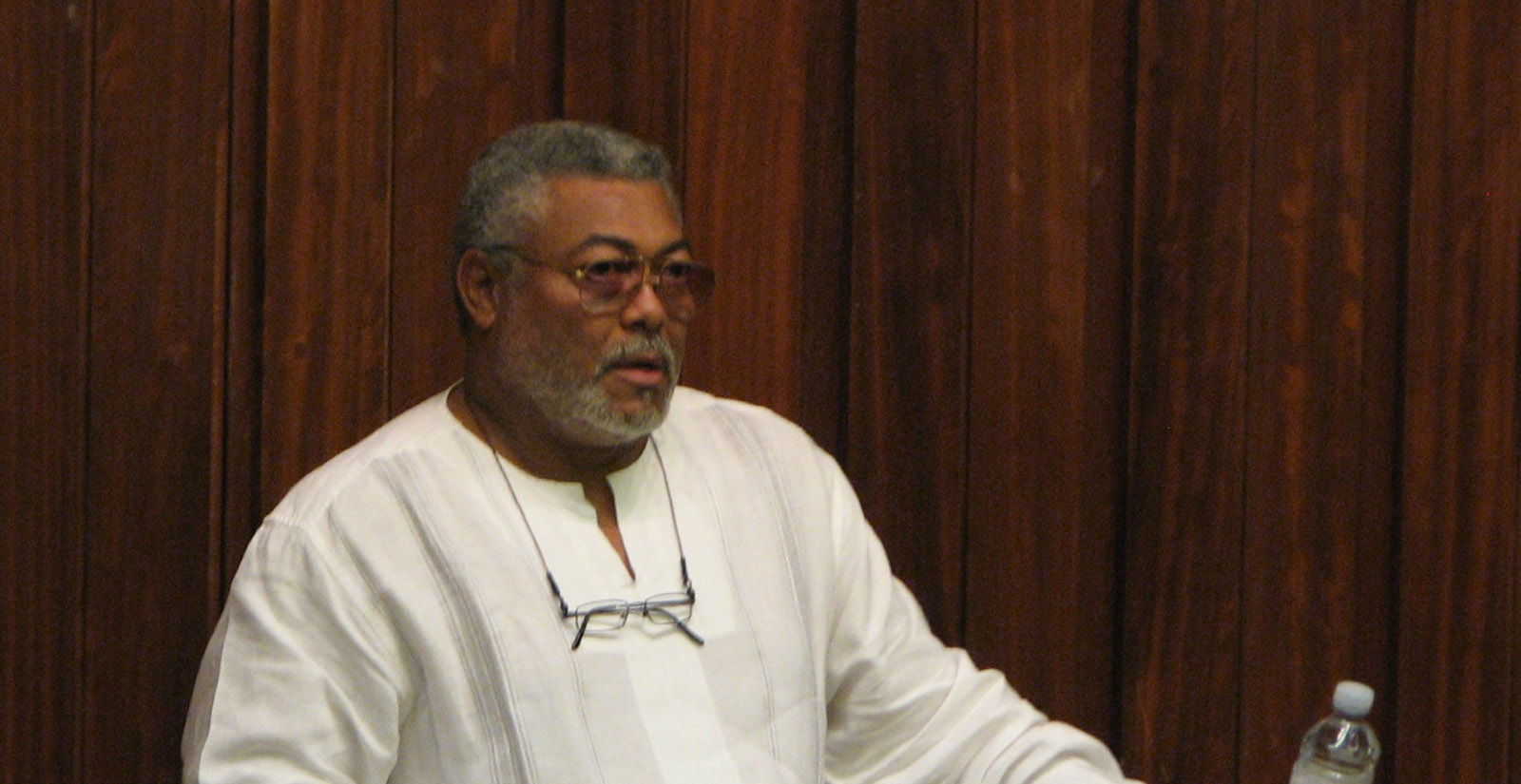
Jeffrey Haynes argues that one of Africa’s most controversial leaders, the late Jerry John Rawlings of Ghana, began his political career as a fiery revolutionary and ended it as a popularly elected president via a liberal democratic political system. What explains this volte face? Was it ideological conversion or expediency? Read more
We use necessary cookies to make our site work. We'd also like to set analytics cookies that help us make improvements by measuring how you use the site. These will be set only if you accept.
▼
Strictly Necessary Cookies
Necessary cookies enable core functionality such as security, network management, and accessibility. You may disable these by changing your browser settings, but this may affect how the website functions.
▼
Analytics Cookies
Google Analytics
We'd like to set Google Analytics cookies to help us improve our website by collecting and reporting information on how you use it. The cookies collect information in a way that does not directly identify anyone. For more information on how these cookies work please see our Privacy Notice.