Edward Goldring
Hager Ali launched this series by pointing out that 'we lack the terminology to do anything beyond counting non-democracies'. Yet Edward Goldring argues that we sometimes struggle to accurately do that. This raises troubling questions for analyses of non-democracies – and emphasises the importance of studying history Read more
Salah Ben Hammou
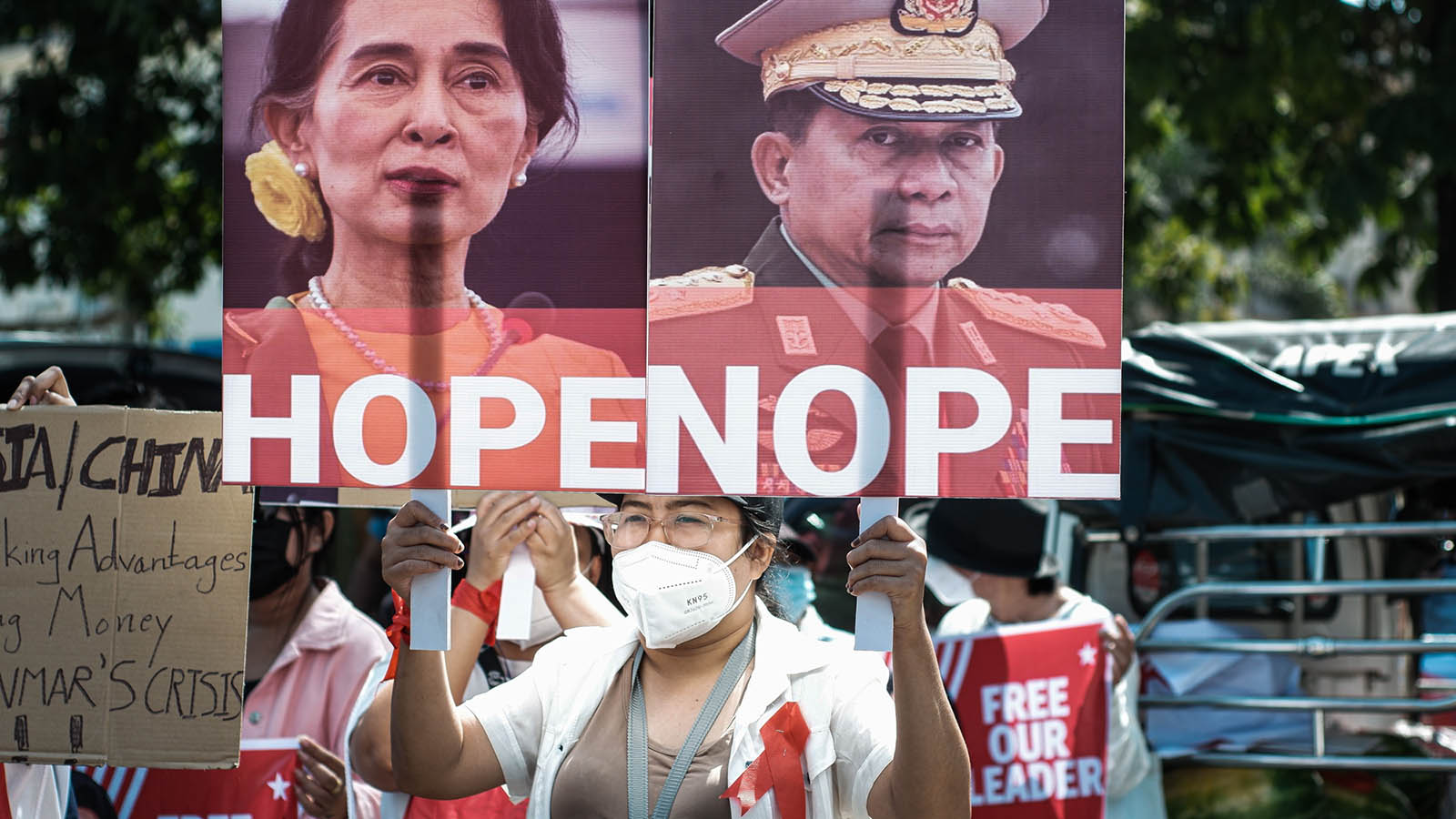
Researchers of authoritarian politics and civil-military relations have long examined military rule. However, our understanding of civilian participation in military regimes remains limited and requires greater analytical attention, argues Salah Ben Hammou. Amid last year’s coup resurgence, researchers must move to appreciate the subtle but salient differences among military dictatorships Read more
Hager Ali
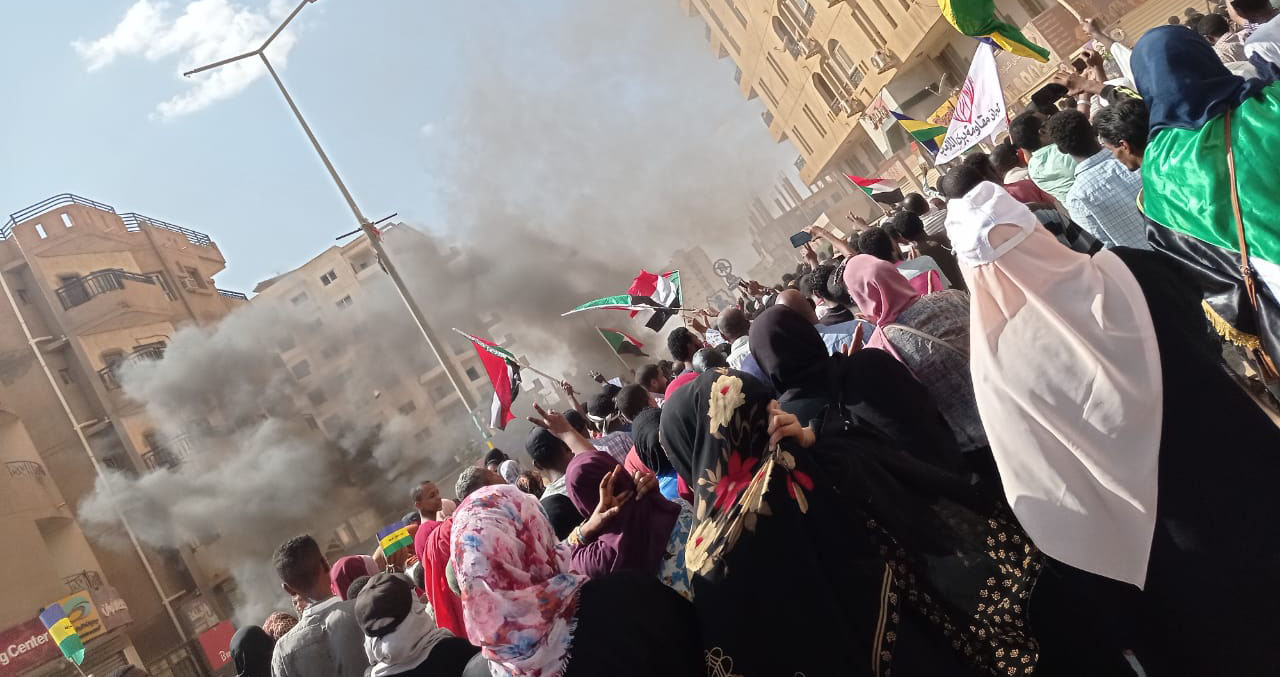
A military coup on 25 October put an abrupt end to Sudan’s fragile democratic transition. Hager Ali argues that although the coup pre-empted a foreseeable power-transfer, the military also created a much bigger problem for itself. The same socio-political conditions that kept al-Bashir in power for decades now threaten the military’s capacity to govern Read more
Mădălin-Cătălin Blidaru
The regional dimension of international relations is more significant today than ever before, argues Mădălin-Cătălin Blidaru. In the current crisis, regional cooperation and institutionalised regional organisations are delivering important solutions. The network of external relations being developed by regional organisations takes us beyond a state-centred world Read more
Hager Ali
Only a few months remain before elections in Libya. But Western policymakers are focusing on election preparations and the withdrawal of foreign mercenaries, to the neglect of other pressing matters. Hager Ali argues that unless Libya tackles its political and military problems, elections may prove little more than a sticking plaster on a bullet wound Read more
Jun Koga Sudduth
Does the creation of nominally democratic institutions help dictators stay in power by reducing the risk of coups d’etat? Jun Koga Sudduth analyses and categorises different types of coup, and their effects. In so doing, she confounds the conventional wisdom that democratic institutions reduce the likelihood of dictators being overthrown Read more
We use necessary cookies to make our site work. We'd also like to set analytics cookies that help us make improvements by measuring how you use the site. These will be set only if you accept.
▼
Strictly Necessary Cookies
Necessary cookies enable core functionality such as security, network management, and accessibility. You may disable these by changing your browser settings, but this may affect how the website functions.
▼
Analytics Cookies
Google Analytics
We'd like to set Google Analytics cookies to help us improve our website by collecting and reporting information on how you use it. The cookies collect information in a way that does not directly identify anyone. For more information on how these cookies work please see our Privacy Notice.