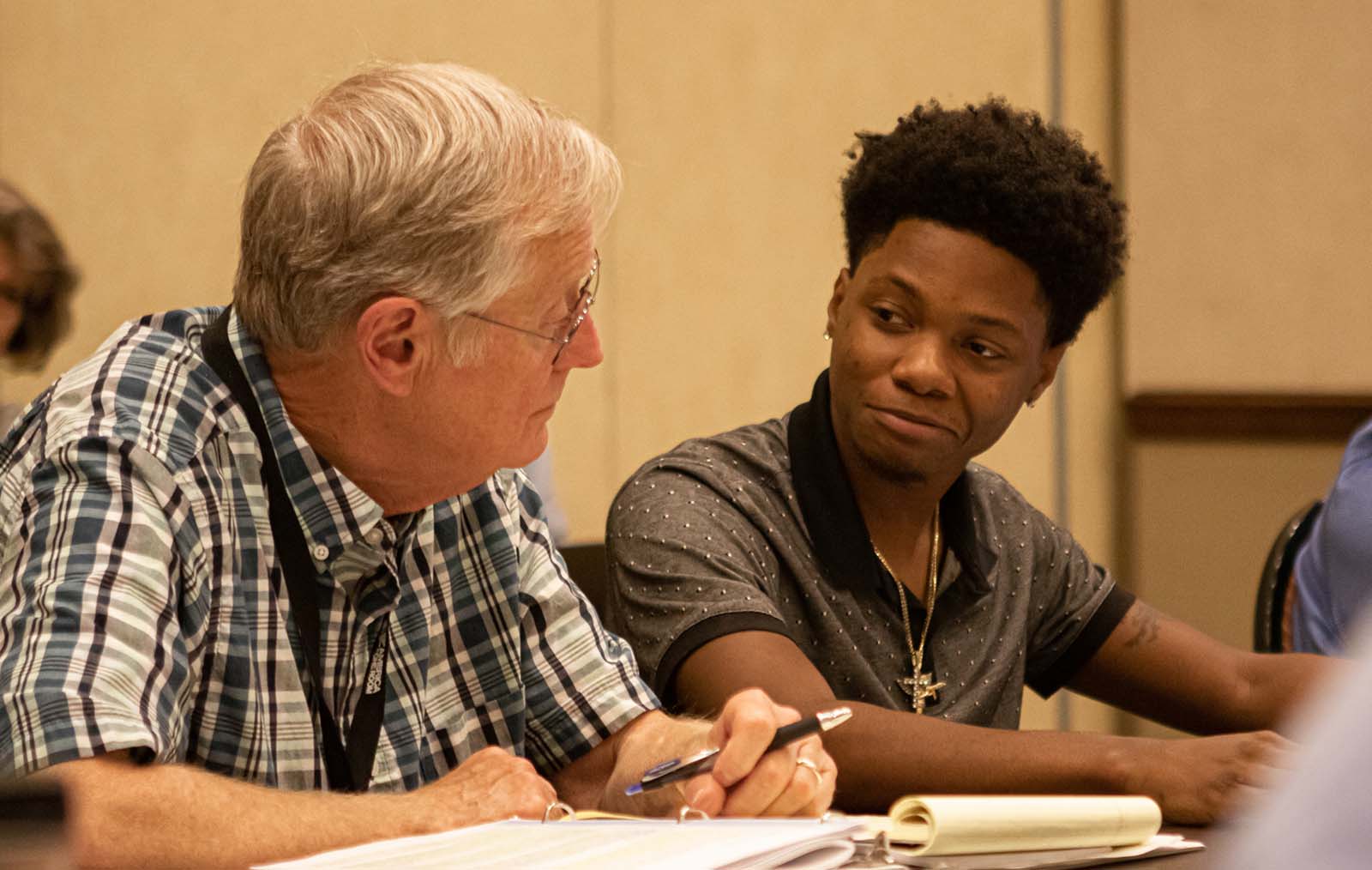
Co-creation has become a familiar response to Europe’s democratic malaise. Marjan Marjanović argues that inviting citizens into policymaking is not enough. As Europe navigates its green and digital transitions, the democratic value of co-creation depends on whether institutions share influence, allow disagreement to emerge, and remain accountable for the decisions that follow
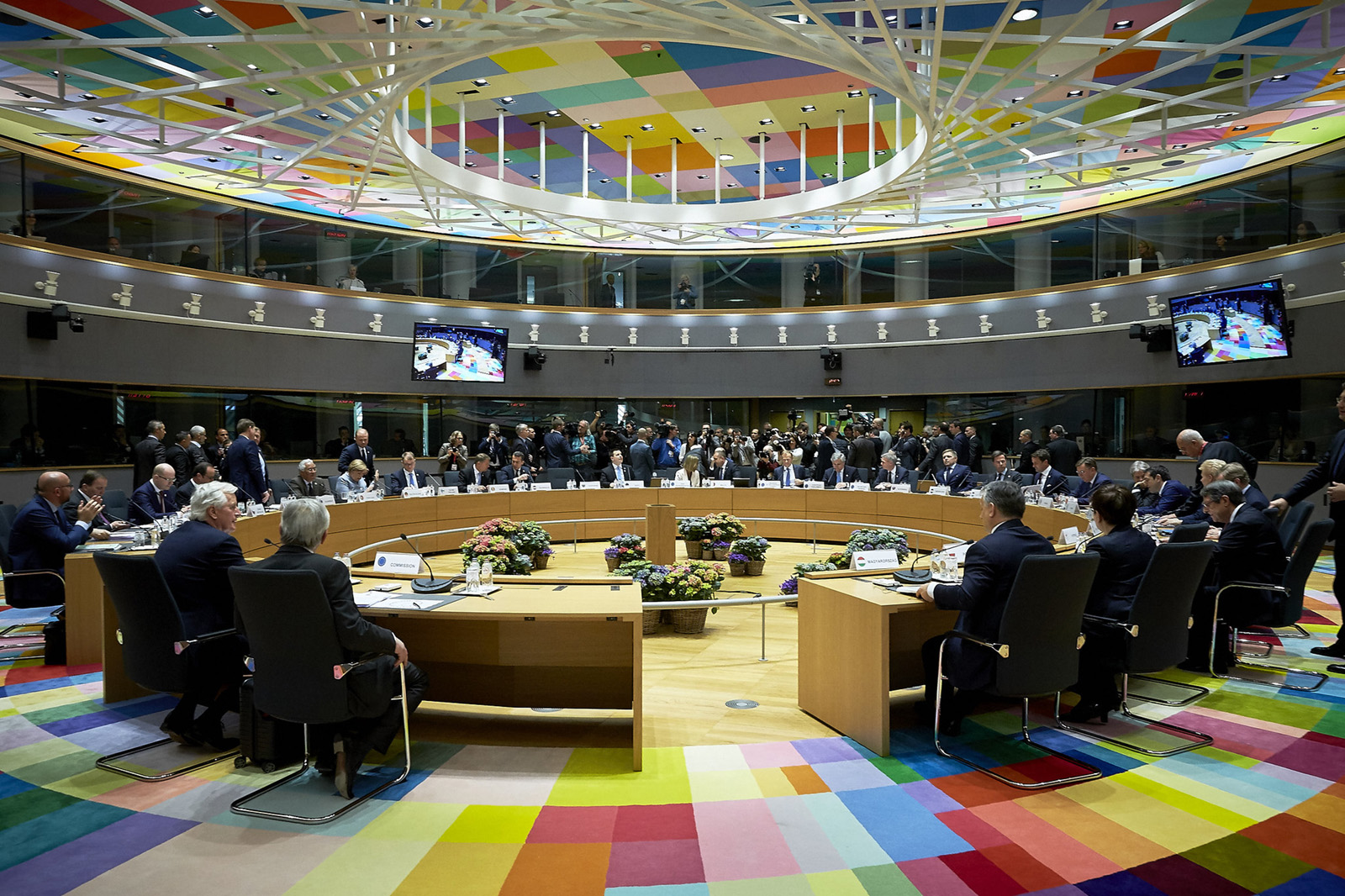
As Europe rethinks its position in a changing world, China has become increasingly important and contested. European actors broadly agree on the need to strengthen Europe’s strategic autonomy and global position, but remain divided over how far Europe should cooperate with China or pursue greater independence. Esther D’haeninck explores how European political parties navigate these differences, and how partisan cooperation contributes to the debate
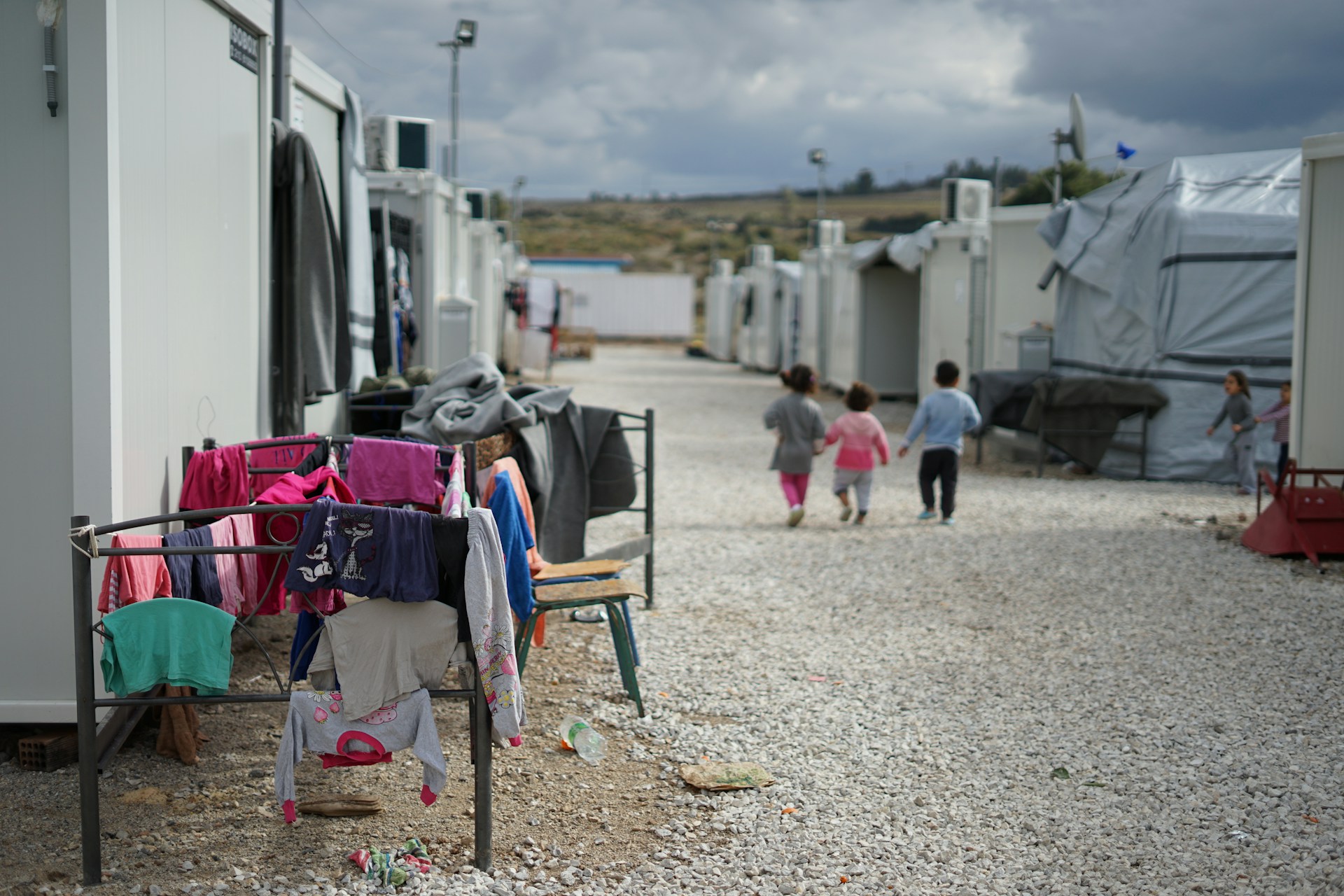
Refugees are not born of persecution; they are made by states. People may flee war, violence or persecution, but they only become refugees once a state decides they qualify for protection. Asylum is thus not simply a humanitarian matter; it is also a question of how states work. Pierre Georges Van Wolleghem investigates the quiet politics of asylum decision-making
The Holy See has no army, no intelligence service and no counterterrorism capability. Yet, Shreya Nautiyal argues, Pope Leo XIV’s recent interventions in Nigeria and his push for stronger Christian–Muslim relations show how moral diplomacy can support preventive security and build social cohesion, even if it can’t replace traditional state tools
A fascist zeitgeist has replaced the populist one. Luca Manucci explains how, to attract voters, the contemporary far right exploits a widespread saudade for the authoritarian past. The firewall has fallen, the stigma has gone, and the Iberian countries are no longer ‘exceptional’
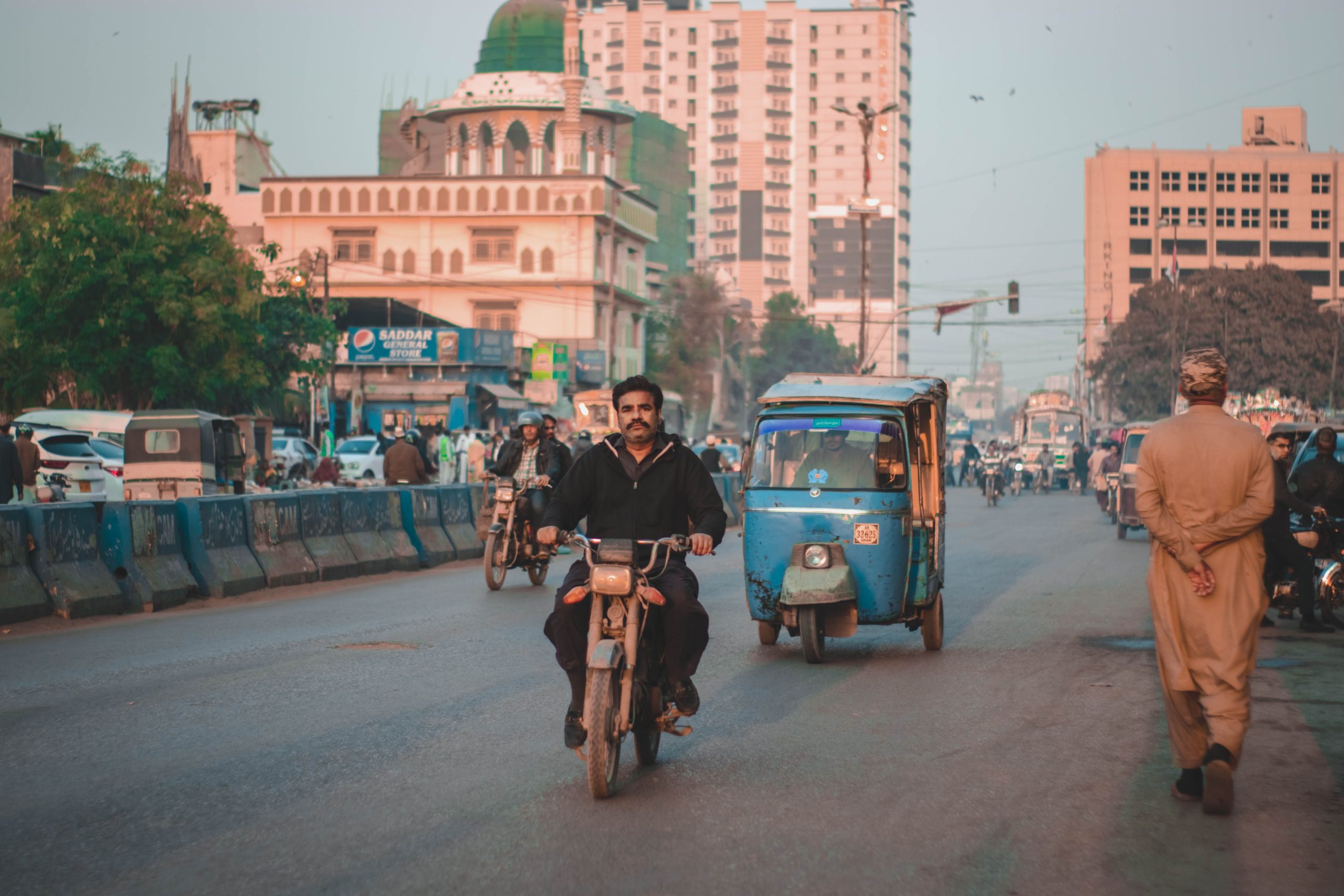
US-Pakistan ties have repeatedly deepened during geopolitical crises and weakened when the emergency passed. Saima Afzal argues that the latest opening may prove more durable precisely because it is less ambitious: trade, technology, critical minerals and counterterrorism can each sustain cooperation without requiring grand strategic alignment
Evelyn De Simone, Sergio Martini, Federico Russo and Elif Şeyma Şişman find little evidence that Europeans are abandoning democracy. But democratic support often coexists with openness to authoritarian alternatives. This ambivalence is socially structured, with education emerging as the most consistent dividing line
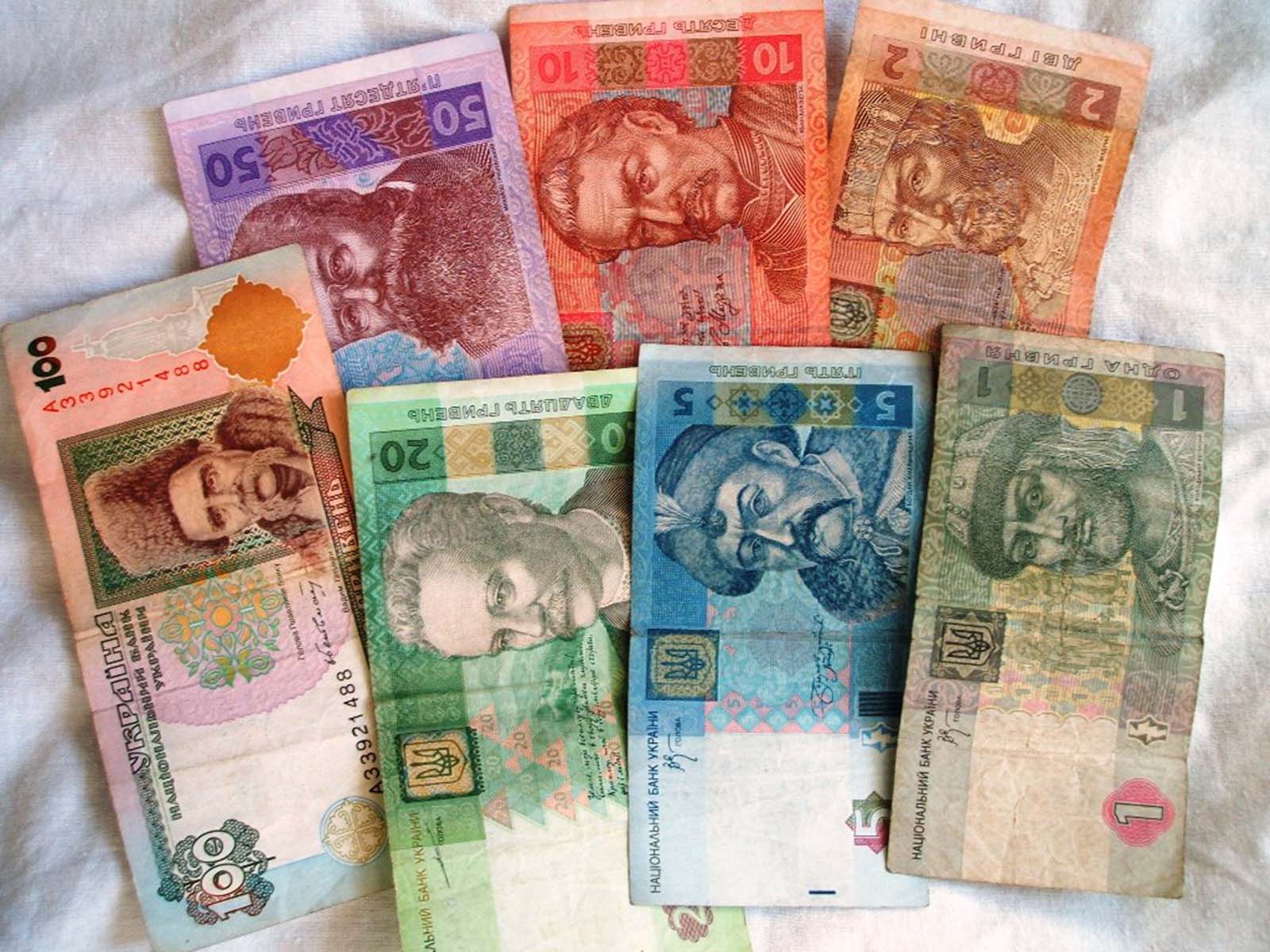
Anastasiia Kudlenko argues that a corruption scandal that toppled yet another Prosecutor General in Ukraine offers Ukrainian society and international partners an opportunity to reinvigorate reforms, aimed at dismantling state capture in the system of law enforcement
Drawing on research conducted with colleagues into Arabic-language social media narratives about Swedish child welfare services, Dana Sofi explains why correcting false claims is rarely enough to restore institutional trust. Disinformation becomes powerful when personal testimony, fear and identity combine to create compelling versions of social reality
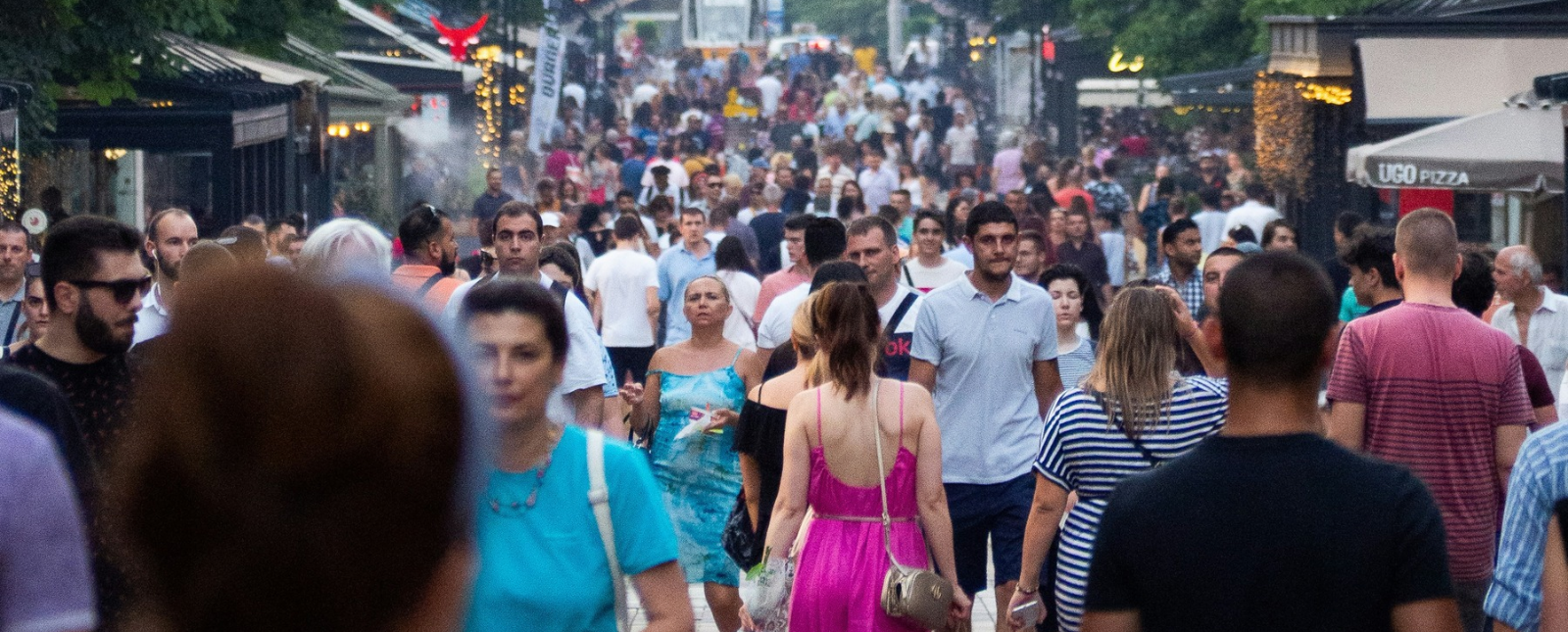
Support for European integration and satisfaction with the European Union are not the same thing. Alexander Kossev argues that Bulgaria reveals a politically important group of frustrated Europeans. They value integration but remain disappointed by its results – creating frustration that political parties can redirect towards very different visions of Europe Not every critic wants […]
We use necessary cookies to make our site work. We'd also like to set analytics cookies that help us make improvements by measuring how you use the site. These will be set only if you accept.
▼
Strictly Necessary Cookies
Necessary cookies enable core functionality such as security, network management, and accessibility. You may disable these by changing your browser settings, but this may affect how the website functions.
▼
Analytics Cookies
Google Analytics
We'd like to set Google Analytics cookies to help us improve our website by collecting and reporting information on how you use it. The cookies collect information in a way that does not directly identify anyone. For more information on how these cookies work please see our Privacy Notice.