Oscar Larsson
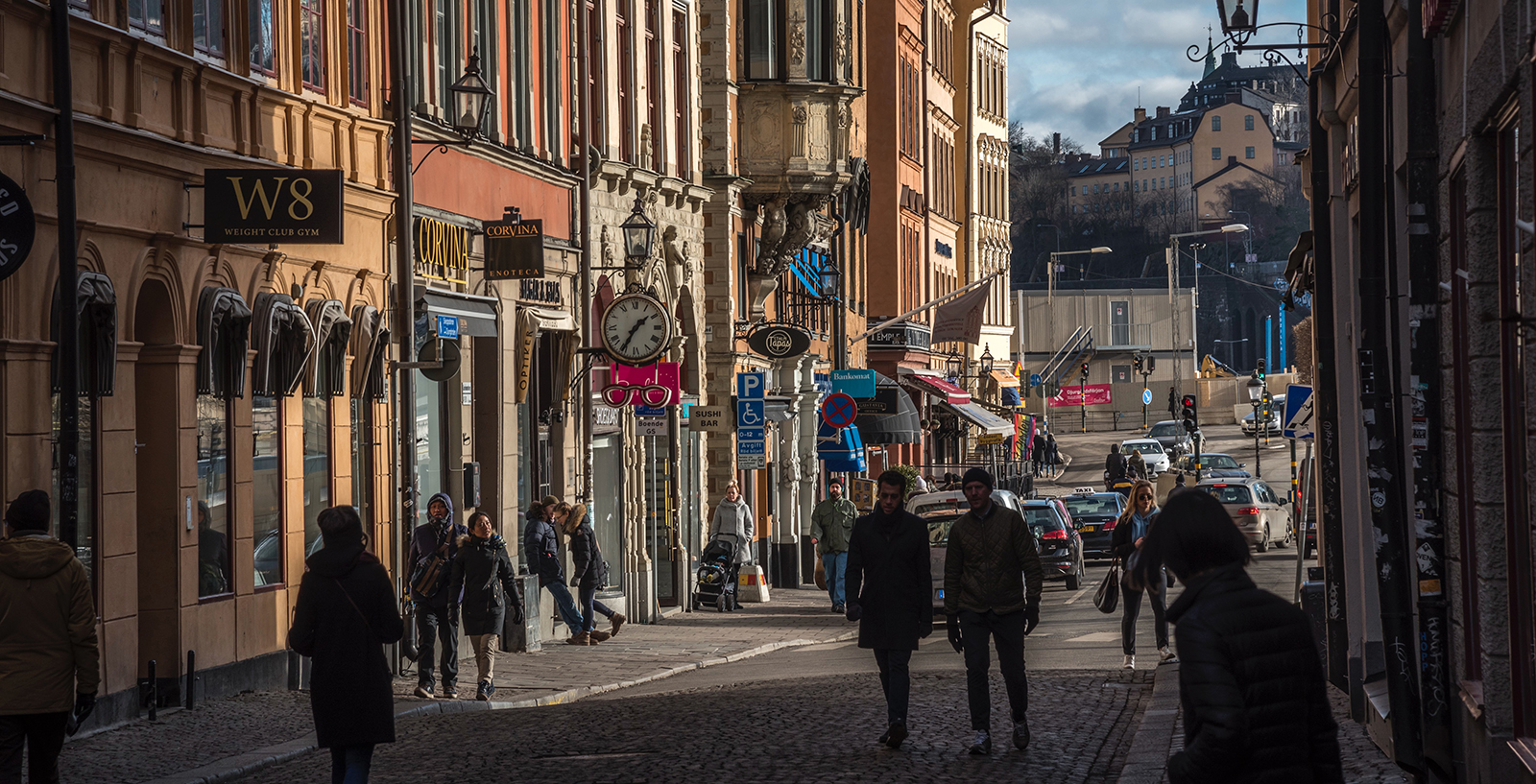
Unlike most other countries, Sweden adopted a ‘soft’ approach to managing the Coronavirus pandemic, flying in the face of ‘securitisation theory’. Oscar Larsson considers whether its approach will succeed Read more
Verena Wisthaler
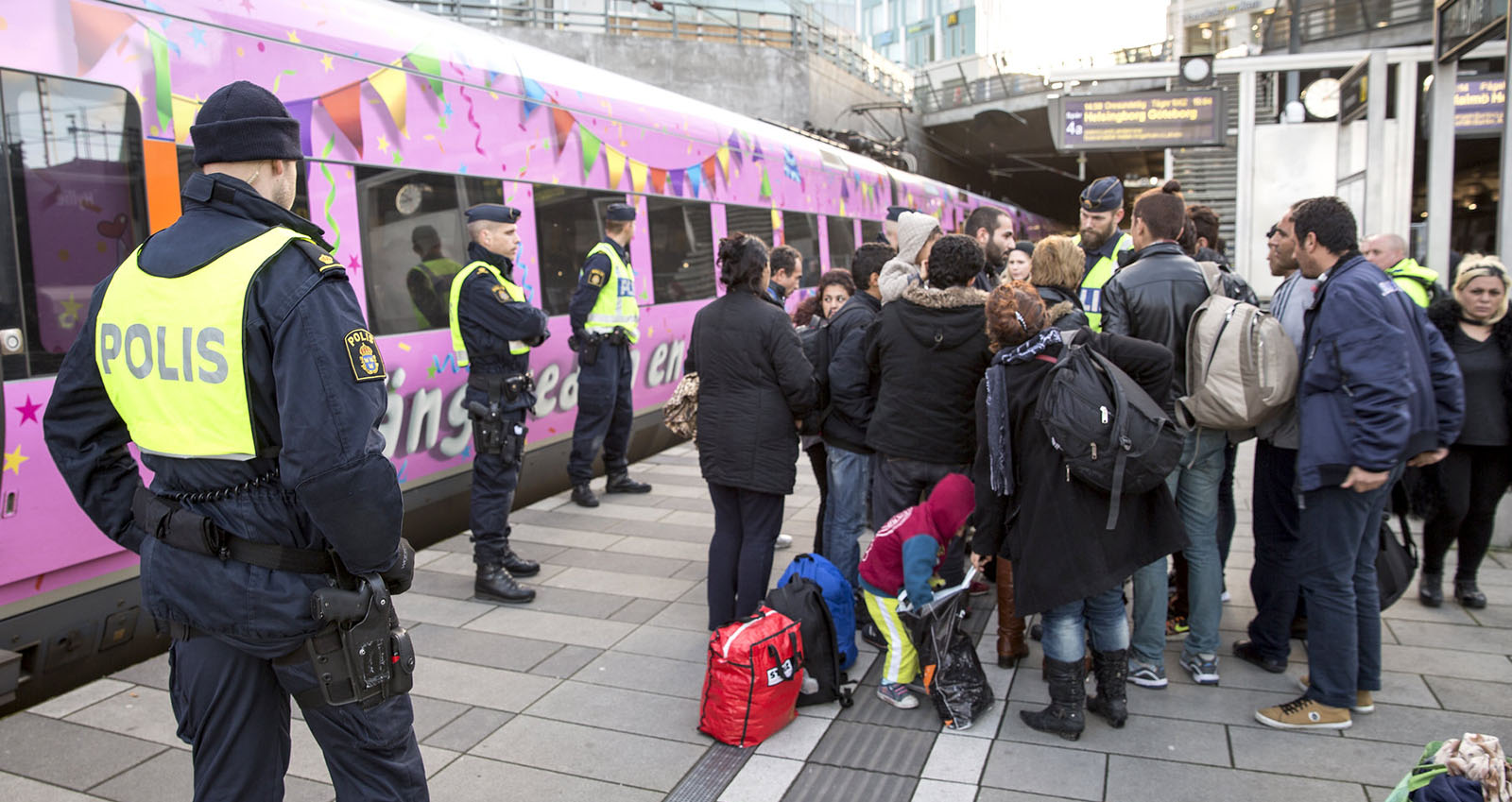
Regions and cities worldwide are increasingly engaging in immigrant integration policy making, challenging or complementing central and federal governments’ policies, and turning immigrants into citizens, writes Verena Wisthaler Read more
Irene Landini
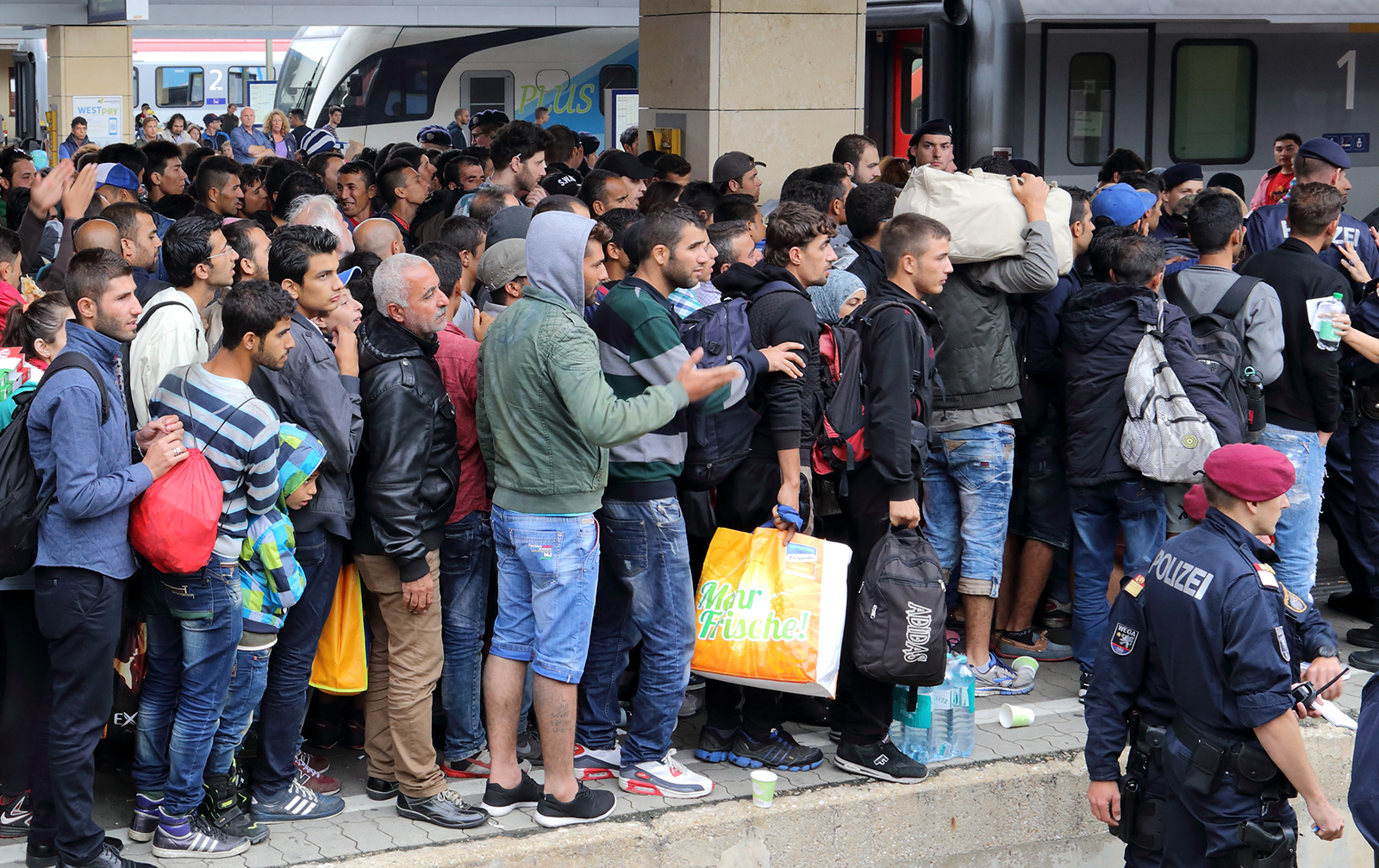
The Austrian government's openly discriminatory policies against migrants have been invalidated by the Constitutional Court and challenged by the European Commission. But, argues Irene Landini, that has not ended ‘welfare chauvinism’ and social exclusion, either in Austria or elsewhere in Europe Read more
Domenico Valenza
The scientific credibility of Russia’s Sputnik-V vaccine has been seriously challenged. So why is Russia risking mass vaccination? Domenico Valenza argues that an international, biopolitical power-play presents Russia as the actor that can bring order to a disordered world Read more
Akudo McGee
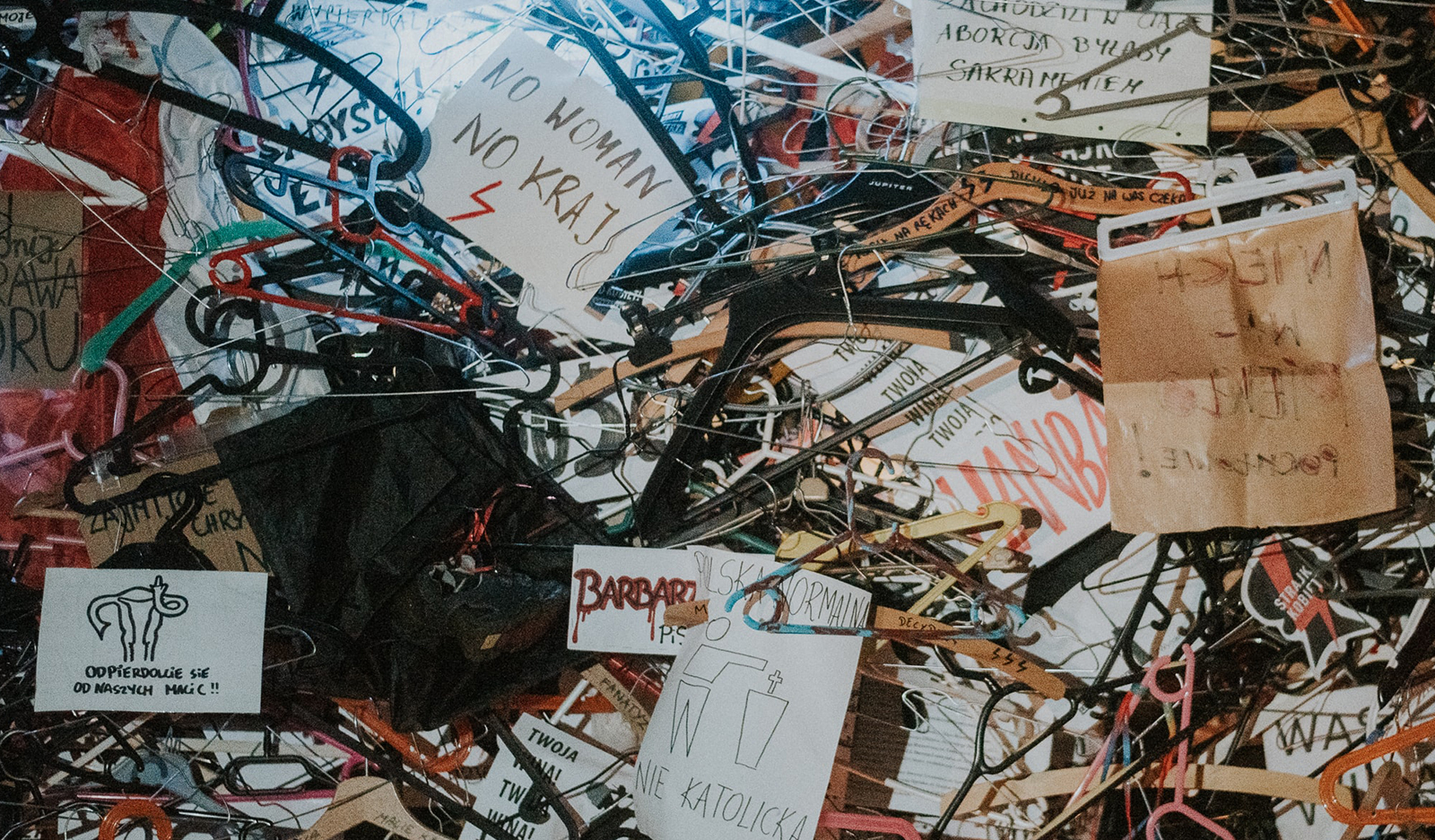
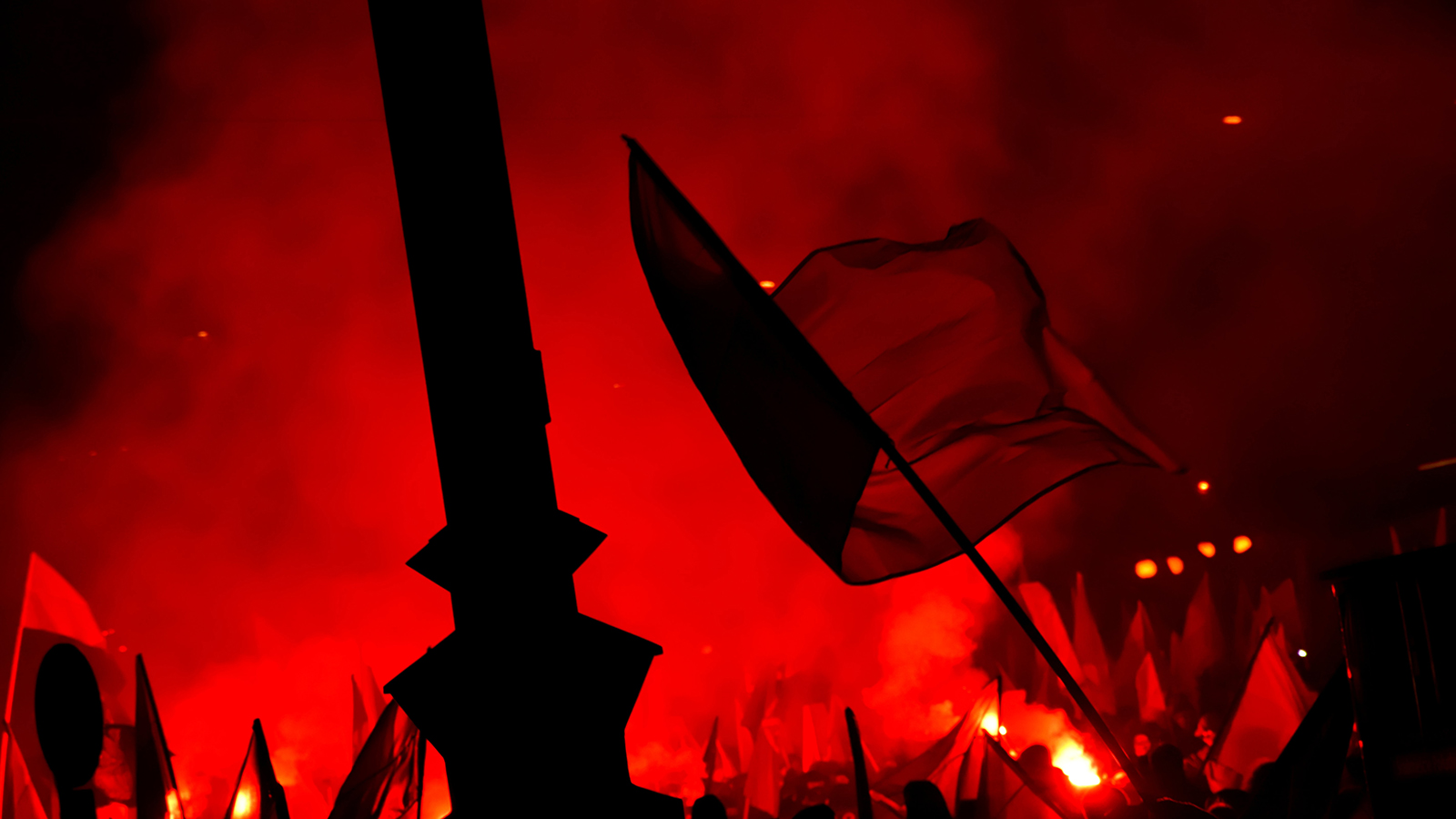
Enraged by Poland’s new abortion law, thousands of protestors filled the streets in late October. Many protests were organised by liberal civil society organisations, yet, argues Akudo McGee, it is precisely through civil society that the government has been able to exert its anti-liberal agenda Read more
Renata Mieńkowska-Norkiene
Renata Mieńkowska-Norkiene considers the current mass protests in Poland against the near-total ban on abortion as the manifestation of a nascent cultural (r)evolution. But it doesn't necessarily signal that a political revolution is in the offing – at least not yet Read more
Rachel M. Gisselquist
States with fragile state health systems have been commended for effective responses to the Covid-19 pandemic. But if we take into account factors such as favourable climate and the age structure of the population, the Covid-19 impact is, in fact, greater on states with weak institutions, explain Rachel M. Gisselquist and Andrea Vaccaro Read more
Jay Krehbiel
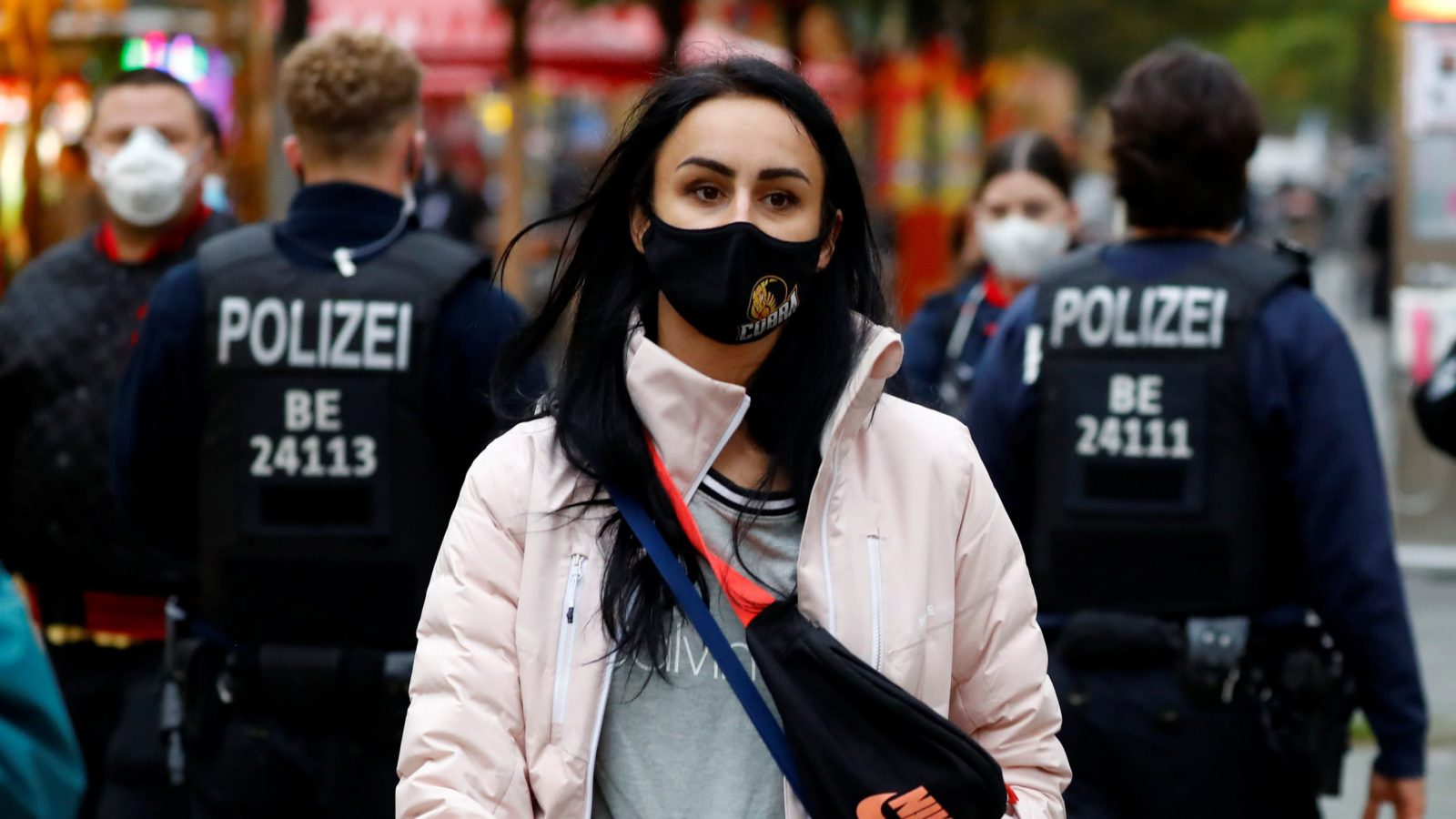
Changing German attitudes to the coronavirus, as measured in original survey data, are the key to understanding how long the country’s success in tackling the pandemic may last, writes Jay N. Krehbiel, Amanda Driscoll, Michael J. Nelson and Taylor Kinsley Chewning Read more
We use cookies to ensure that we give you the best experience on our website. If you continue to use this site we will assume that you are happy with it.