Peter Kovacs
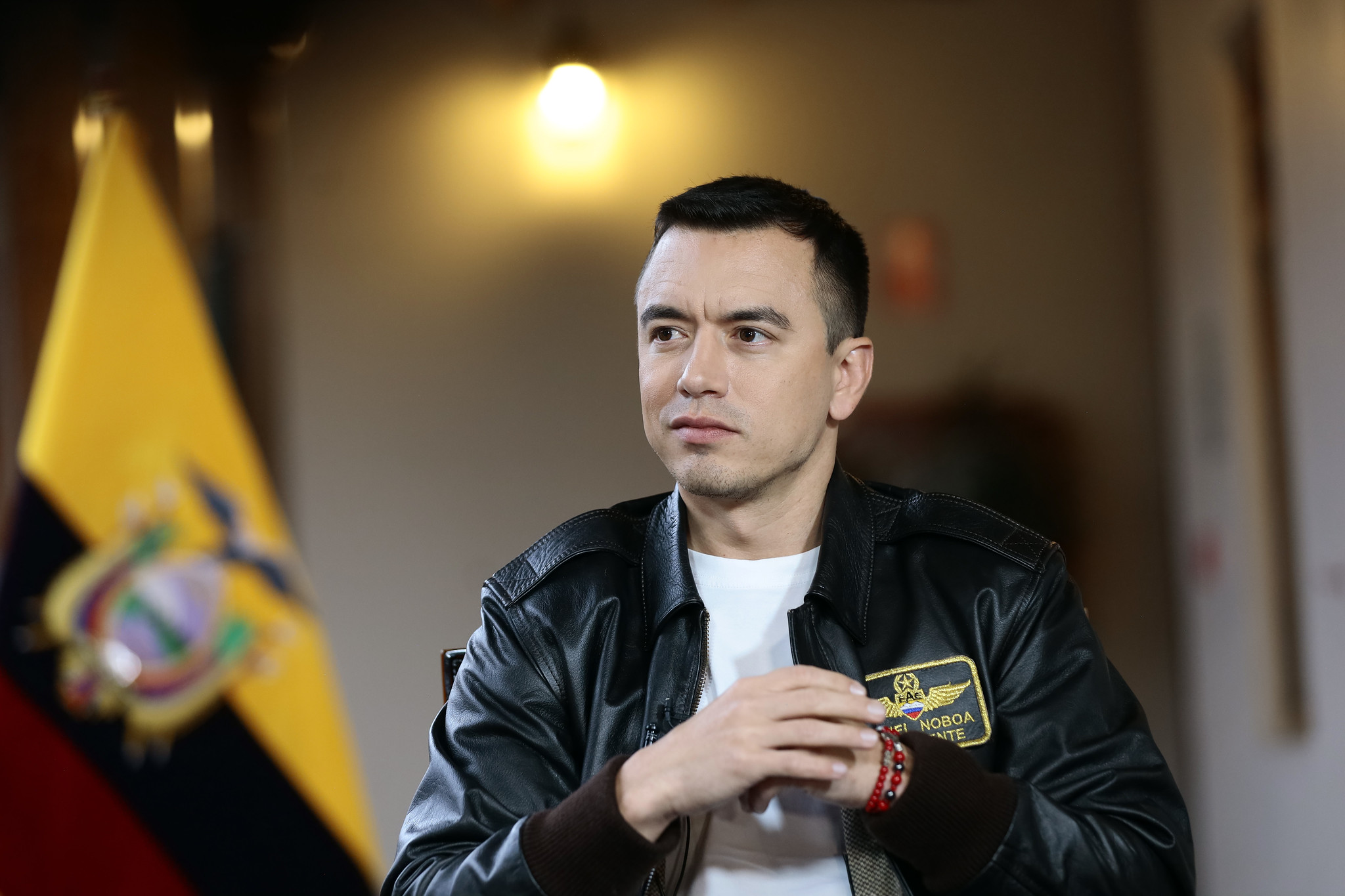
Peter Kovacs argues that internationally mobile wealth gives some citizens political leverage beyond the ballot box. Yet research finds that wealthy taxpayers’ relocation decisions are constrained by family, business, and community ties. Democracies should test exit threats rather than let unverified warnings shape public policy Read more
Norma Osterberg-Kaufmann
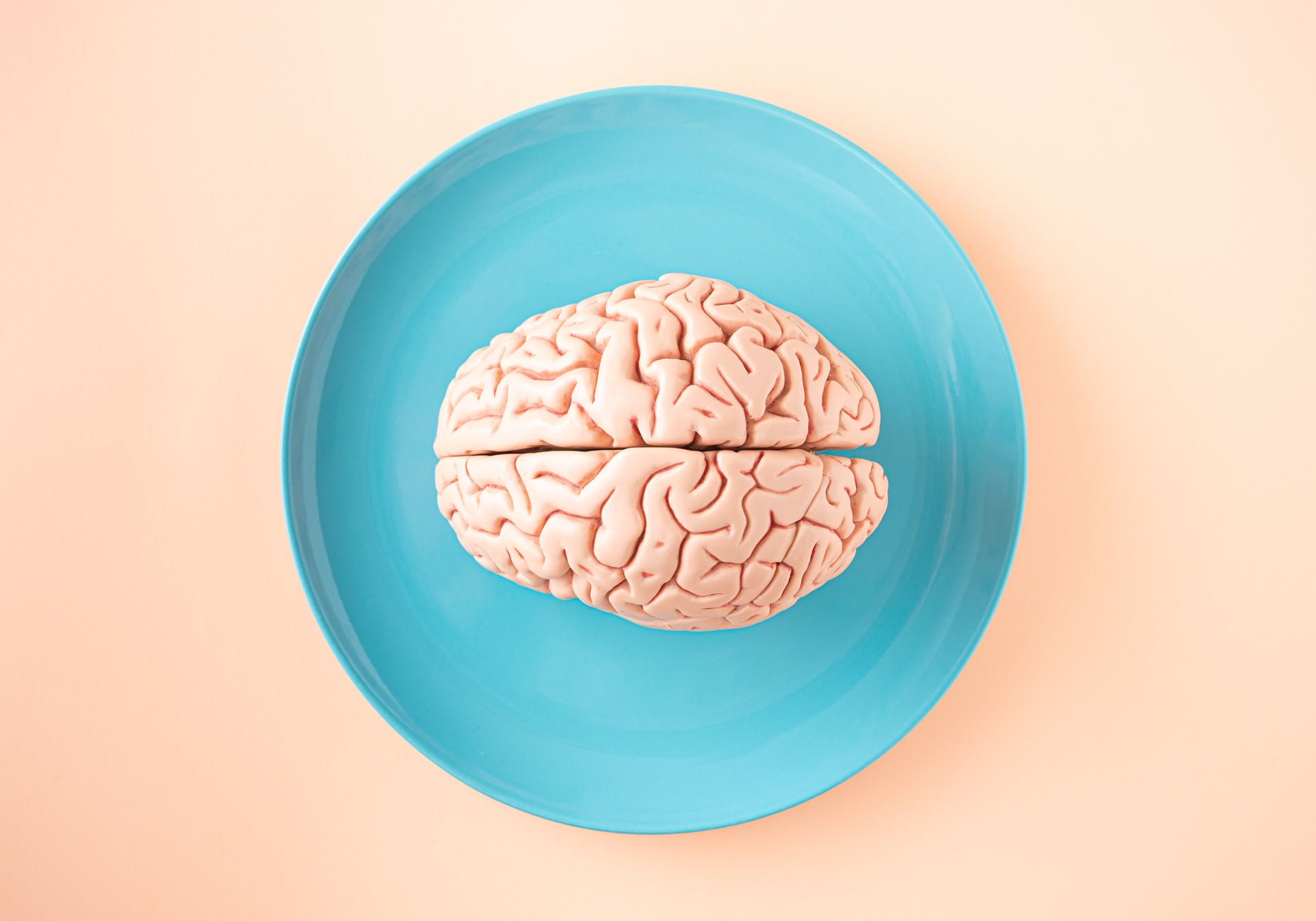
Norma Osterberg-Kaufmann built the participatory method Photovoice into democracy studies, creating a three-step design that asks participants to put a photograph before a single word. The pictures that came back said almost nothing about elections – but a great deal about mailboxes, crocheted lace, and a rental bike... Read more
Prokop Válek
American conservatives revere the illiberal playbook of former Hungarian Prime Minister Viktor Orbán. Perhaps nowhere is this inspiration more visible than in education. Yet, says Prokop Válek, this battleground against 'the woke agenda' also reveals clear limits to transnational populist learning Read more
Ibrahim Mammadli
In March this year, a Russian online campaign promoted a fake 'Narva People’s Republic' in Estonia. It flopped. But the playbook behind it is still in use. Ibrahim Mammadli argues that Estonia can control only one step of that playbook: whether there are real grievances for Moscow to exploit. That makes integration, not tougher rules, the country’s most important security policy Read more
Nayara F. Macedo de Medeiros Albrecht
Right-wing and far-right leaders have won recent elections in several Latin American countries. Against the backdrop of a history of US intervention in the region, these developments raise concerns about the resilience of democratic institutions, (neo)colonial influence, and the prospects for Latin American integration. Nayara F. Macedo de Medeiros Albrecht examines this changing political landscape through key political science concepts, including democracy and populism Read more
Joe Torreggiani
Joe Torreggiani, Rhianna C. Rogers and Swaptik Chowdhury argue that competition is pushing AI into use faster than it can be controlled. Drawing on a recent breach by AI agents at OpenAI and on their work in education, they call for safeguards that keep humans in control Read more
Alice Sanarico
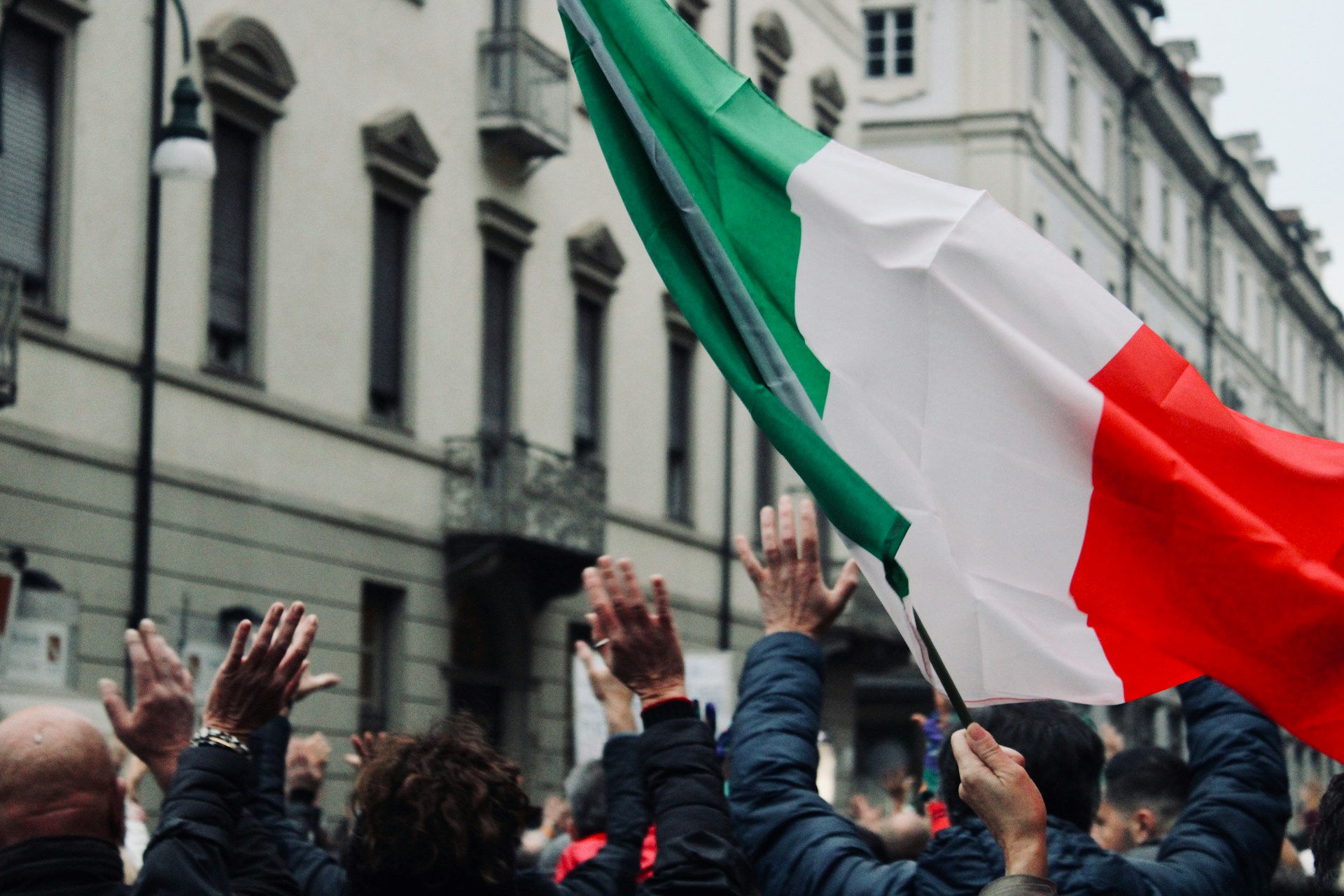
Italy’s new electoral reform, the Stabilicum, promises voters greater choice by bringing back preference voting. But allowing voters to choose individual candidates does not automatically make politics more representative. Alice Sanarico and Federico Taddei argue that the reform could make it harder for younger candidates to compete, reinforcing the very political exclusion that democracies need to overcome Read more
Karina Adamova
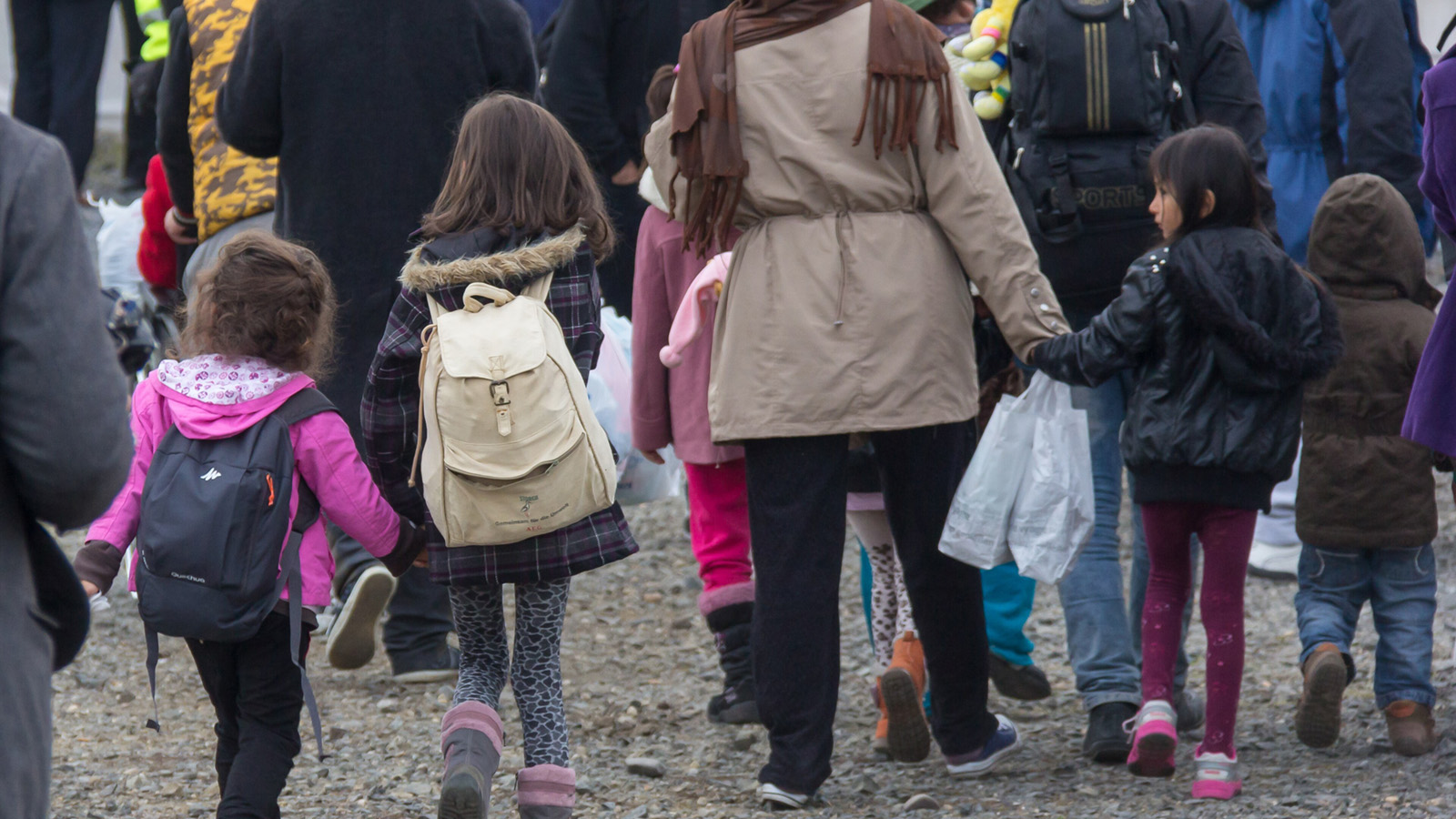
Karina Adamova argues that migration policies which attempt to address labour shortages and decrease refugee migration treat skilled migrants and refugees as separate categories. What they should do, she says, is treat them as the same people at different points in time. Recent events in Germany show that anti-migrant attitudes can affect migrants’ decisions about where to live – even as the country faces significant labour shortages Read more
We use necessary cookies to make our site work. We'd also like to set analytics cookies that help us make improvements by measuring how you use the site. These will be set only if you accept.
▼
Strictly Necessary Cookies
Necessary cookies enable core functionality such as security, network management, and accessibility. You may disable these by changing your browser settings, but this may affect how the website functions.
▼
Analytics Cookies
Google Analytics
We'd like to set Google Analytics cookies to help us improve our website by collecting and reporting information on how you use it. The cookies collect information in a way that does not directly identify anyone. For more information on how these cookies work please see our Privacy Notice.