Stefano Braghiroli
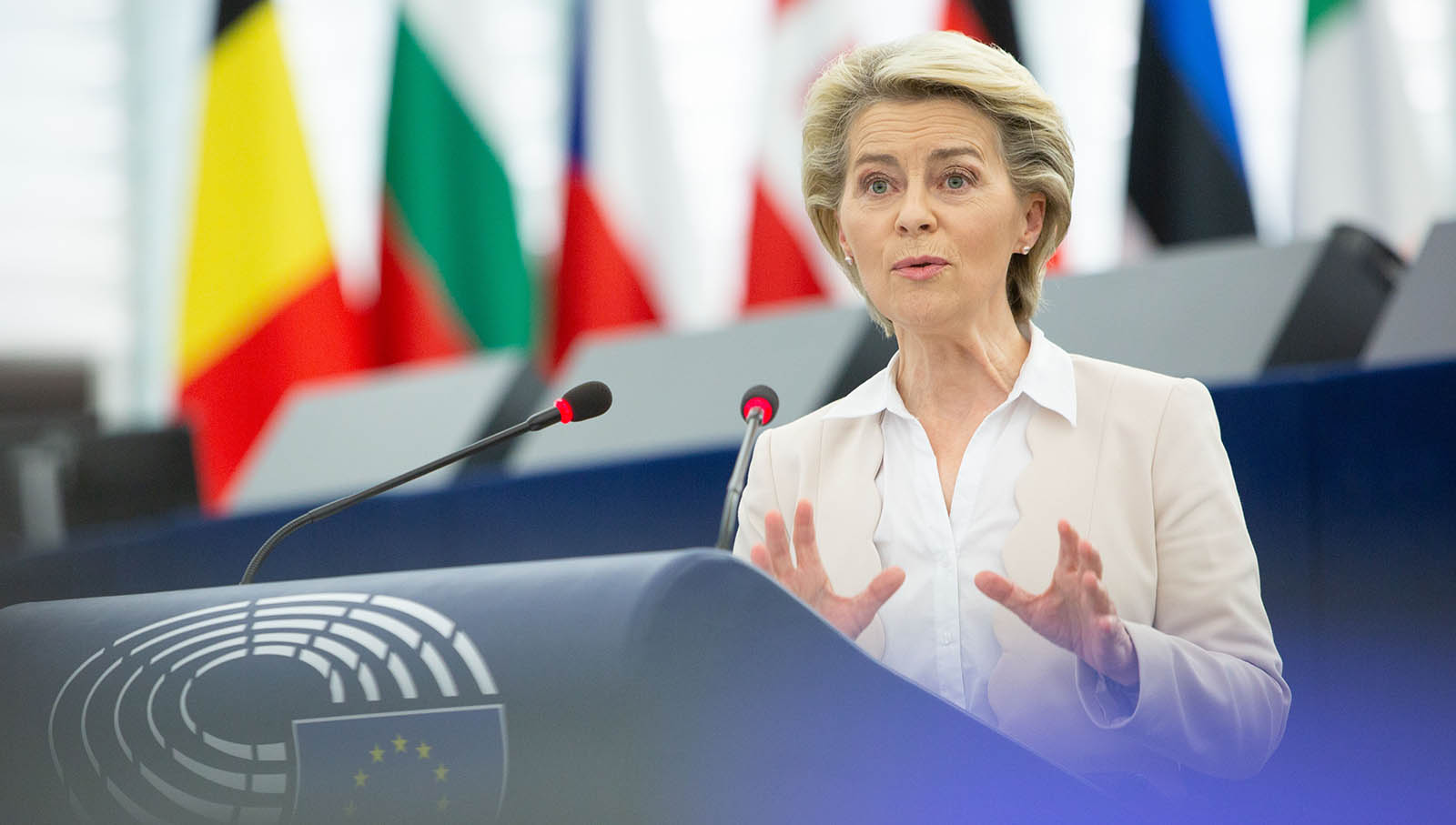
The EU has activated a Covid recovery package worth a staggering €672.5 billion. Observers focus on the role of European capitals, inter-governmental institutions, and the European Commission's coordinating role in delivering it. Yet, argues Stefano Braghiroli, we shouldn't ignore the role of the European Parliament... Read more
Carolina Plescia
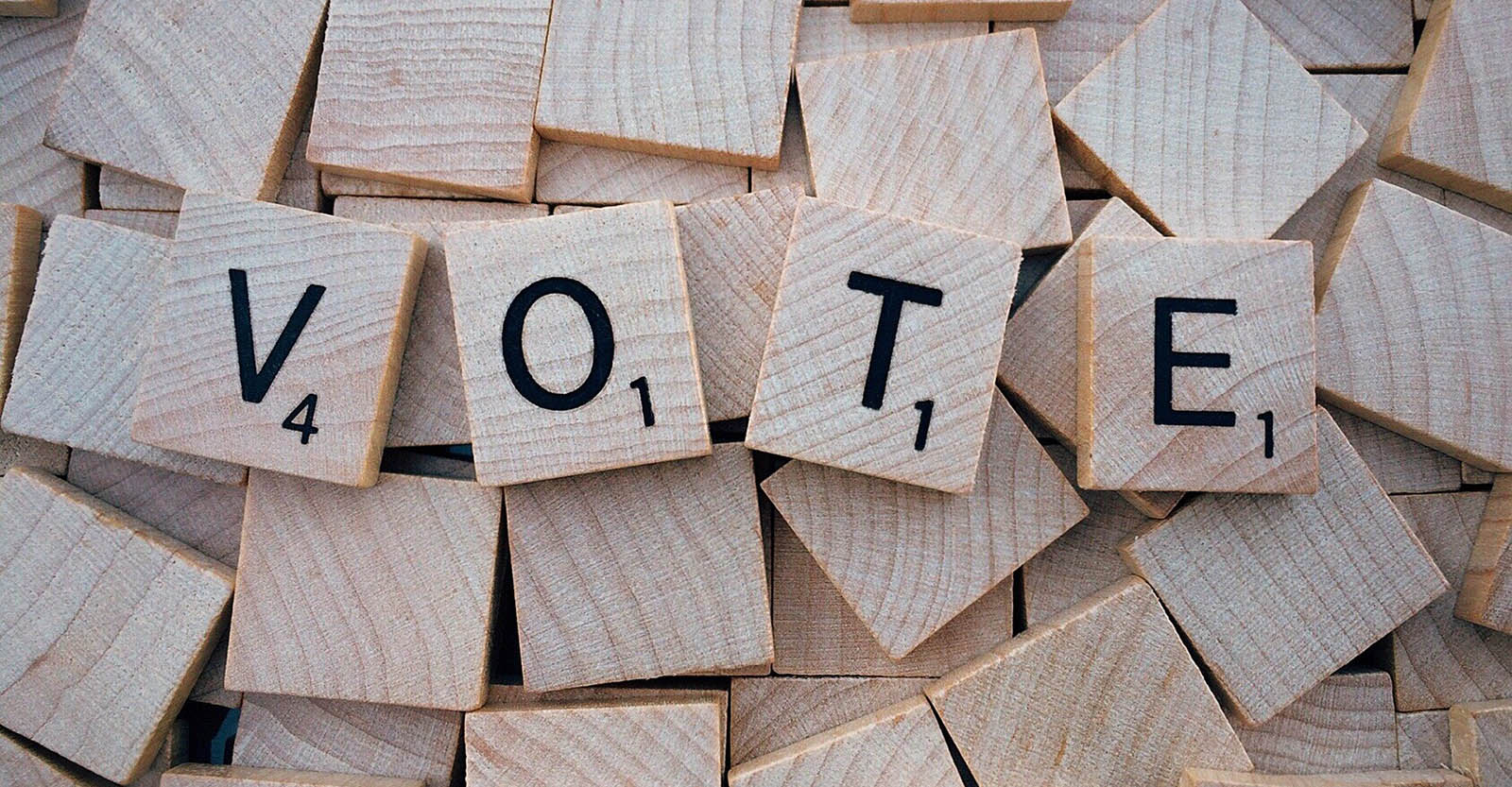
Interest in postal voting has increased during the pandemic as a means to avoid in-person contact. But exactly who is choosing to vote by mail? Carolina Plescia, Semra Sevi and André Blais find that the biggest cleavage in US citizen preferences about how to vote is generational, not ideological Read more
Jun Koga Sudduth
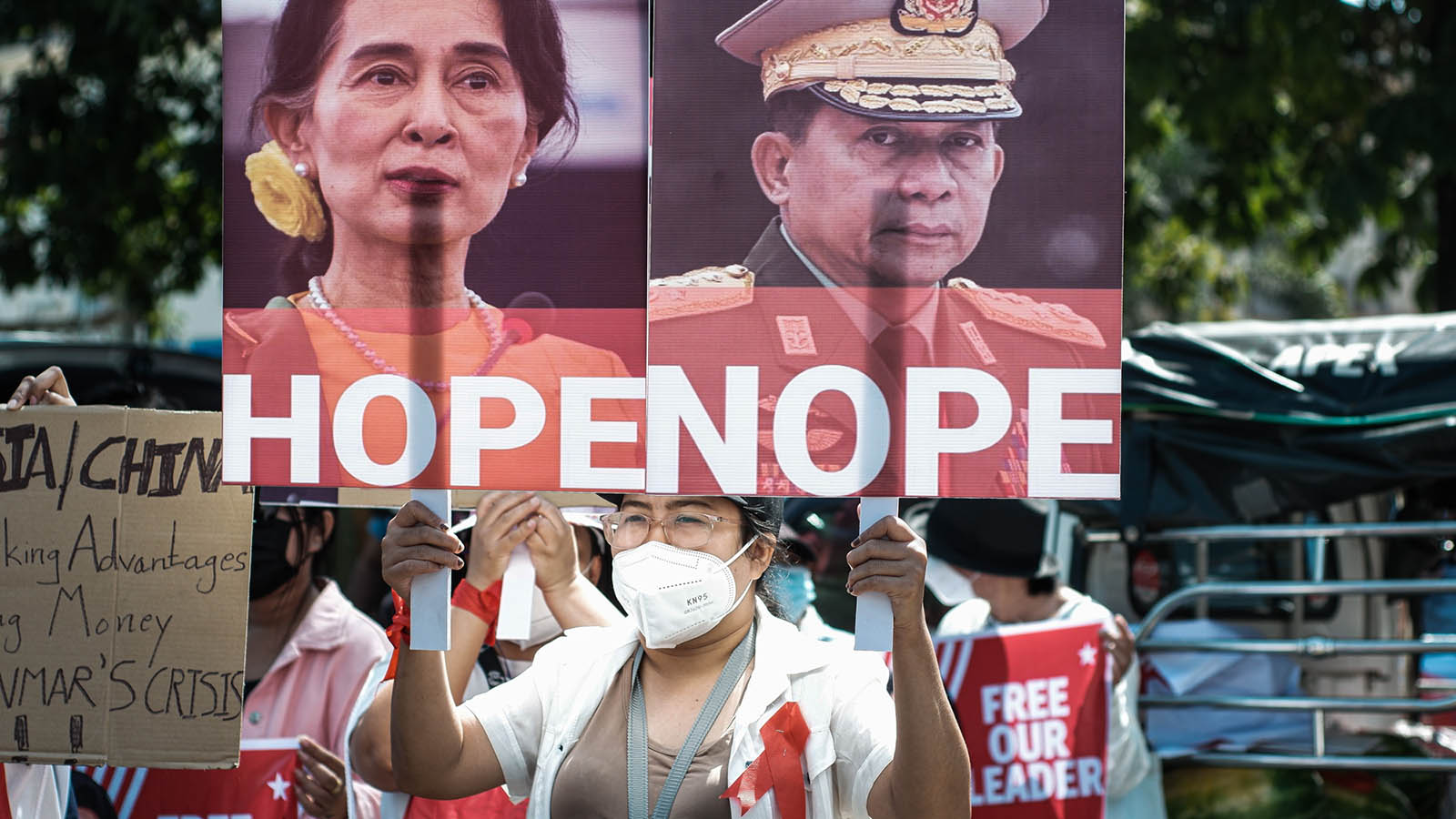
Does the creation of nominally democratic institutions help dictators stay in power by reducing the risk of coups d’etat? Jun Koga Sudduth analyses and categorises different types of coup, and their effects. In so doing, she confounds the conventional wisdom that democratic institutions reduce the likelihood of dictators being overthrown Read more
Maja Gergorić
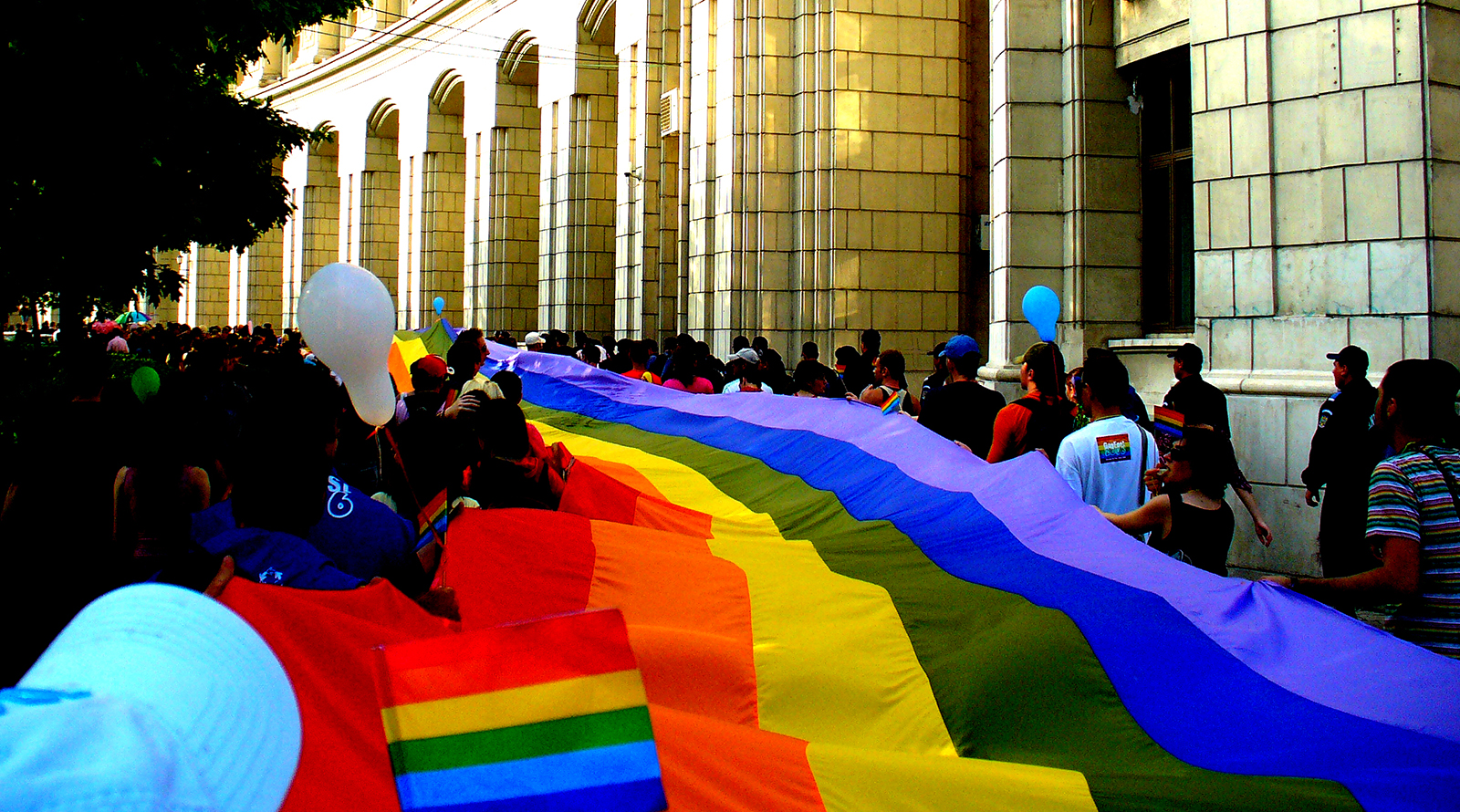
Planning for forthcoming Pride months, LGBTI activists are aware of growing opposition to their cause. Yet, writes Maja Gergorić, anti-LGBTI rhetoric and policy meet with a strong and united LGBTI movement in Eastern European countries Read more
Ekaterina Rashkova
Millions of people no longer live in their countries of birth, and this can distort political representation, argues Ekaterina Rashkova-Gerbrands. If expats had been eligible to vote in recent Dutch parliamentary elections, we would have seen more support for innovative parties such as the D66 and Groen Links Read more
Jack Newman
Levelling up has become the centrepiece of the UK government’s vision for a post-Brexit and post-Covid Britain. It promises greater equality without anybody losing out, and it appeals to all parts of the political spectrum. But these big promises create major challenges that could be the government’s undoing, argues Jack Newman Read more
Ruairidh Brown
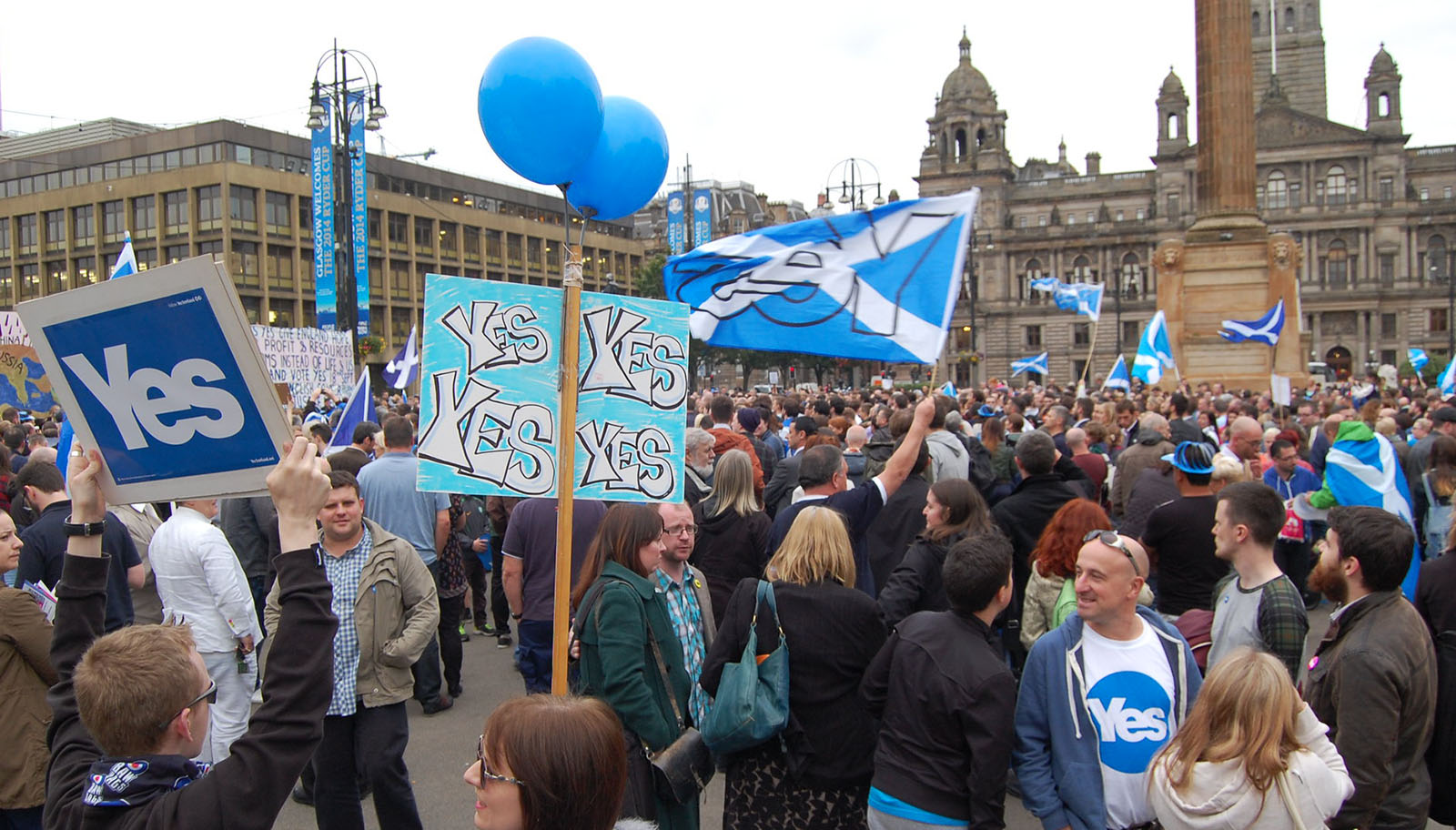
The Kenmure Street protest in Glasgow raises crucial issues concerning political obligation in Scotland, writes Ruairidh Brown. This should serve as a warning to Westminster about the potential dangers of denying a second independence referendum Read more
Lisa Van Dijk
In representative democracies, many citizens feel disconnected from those who make political decisions on their behalf. In extreme cases, they may even refuse to accept democratic decisions and contemplate alternative forms of government. Lisa van Dijk, James Pow and Sofie Marien test the effectiveness of ‘minipublics’ to offset these problems Read more
We use cookies to ensure that we give you the best experience on our website. If you continue to use this site we will assume that you are happy with it.