Danielle Pullan
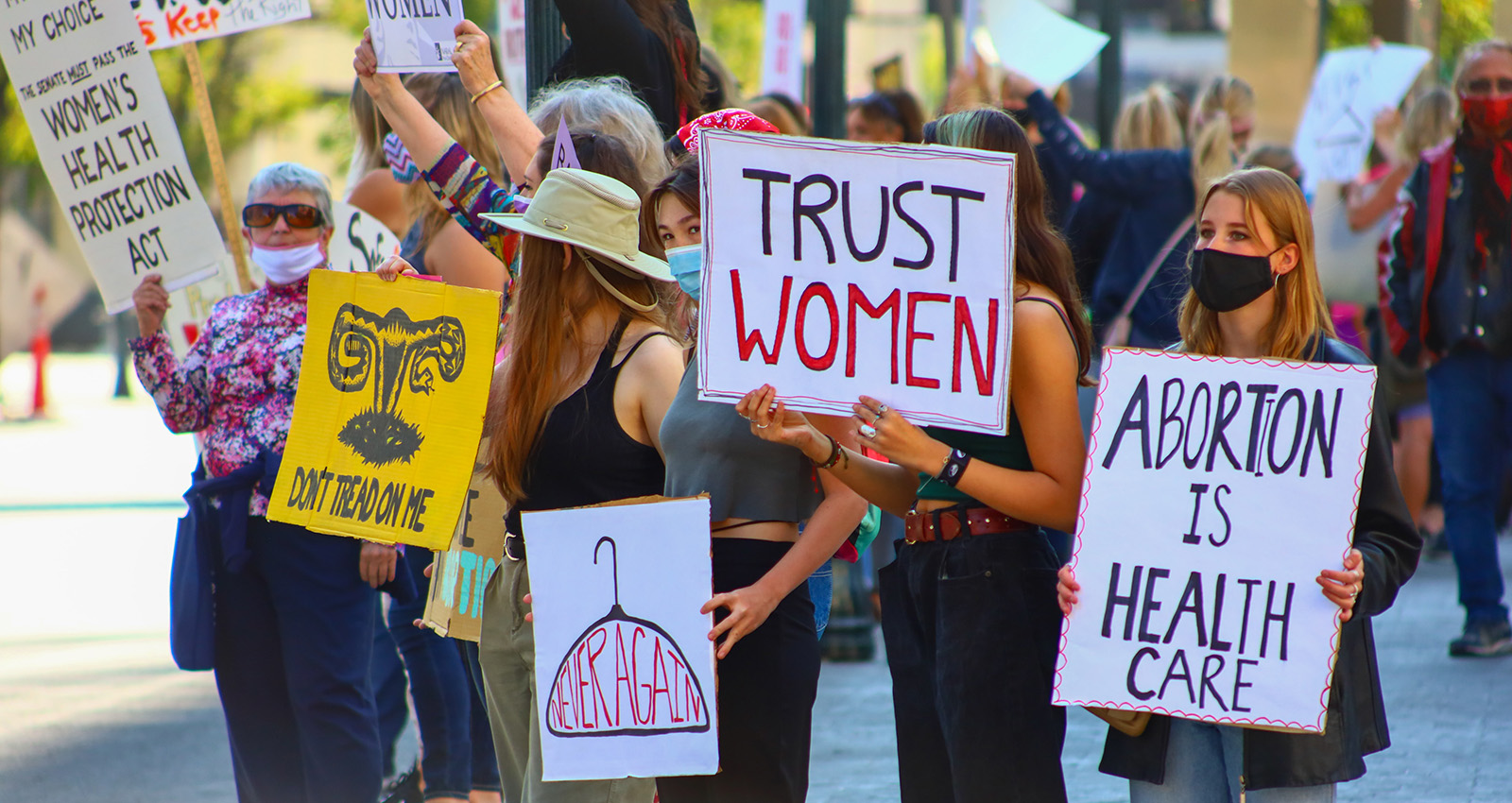
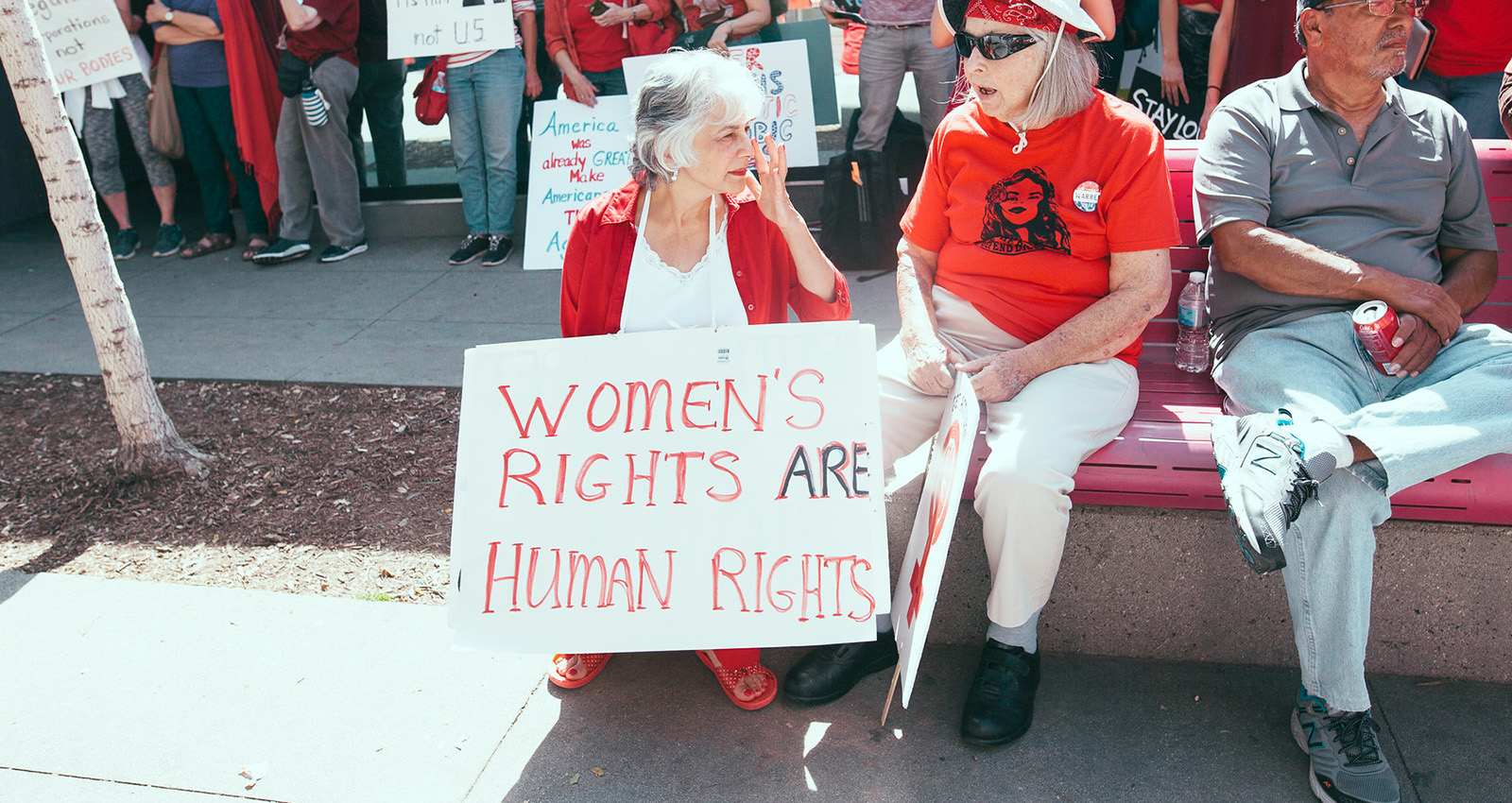
SCOTUS recently overturned the federal right to abortion, leaving many open questions about the future of abortion policy, both in the US and around the globe. Danielle Pullan compares the new post-Roe abortion policy landscape in the US to the current state of abortion governance in Europe, highlighting its similarity to the EU’s approach Read more
Roland Benedikter
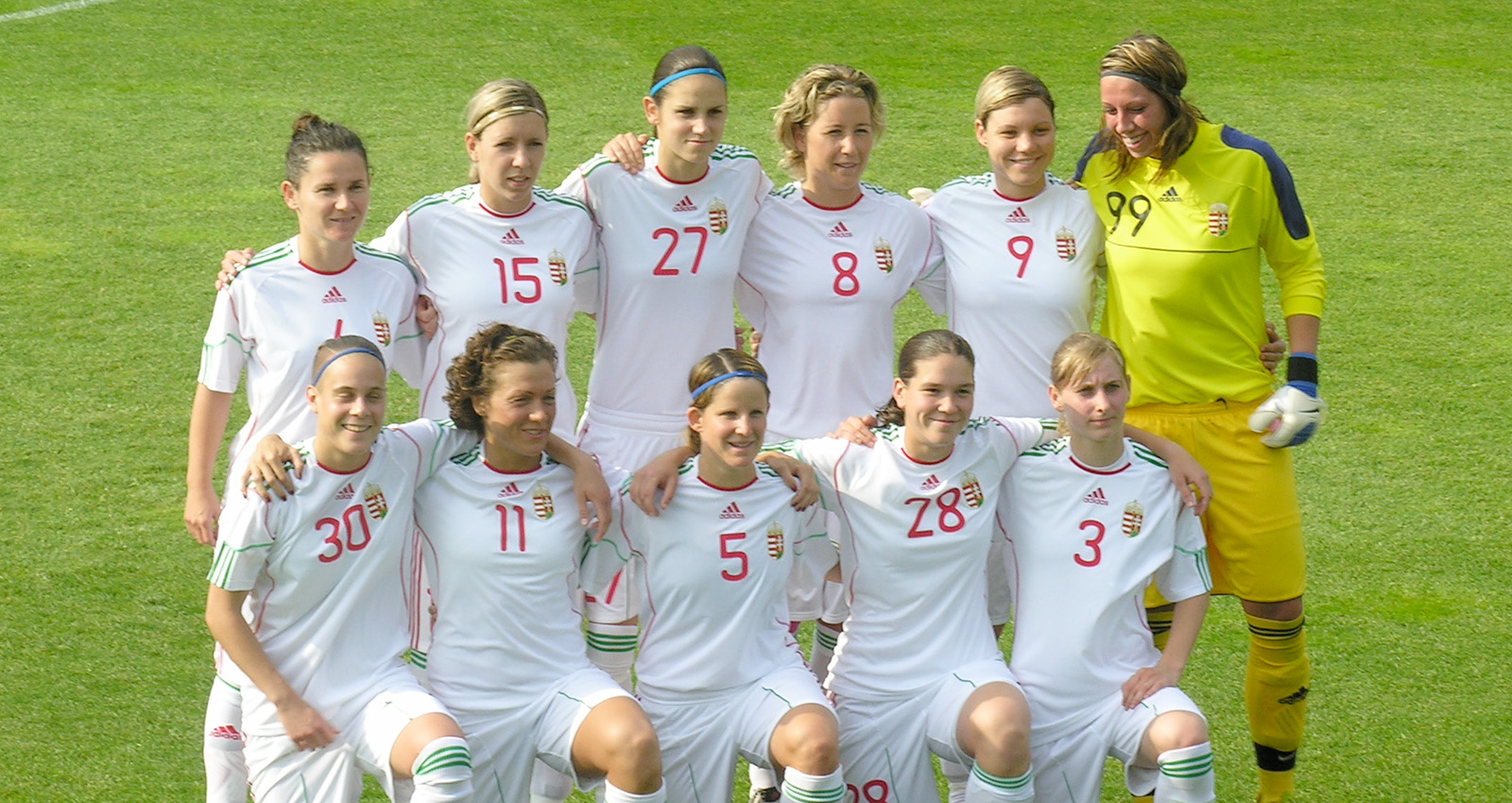
In women’s international football, teams from Western Europe dominate, while Central and Eastern European countries are absent. Roland Benedikter and Dariusz Wojtaszyn explore why women’s football apparently enjoys more success in Western than in Eastern Europe, and whether there is an appetite for change Read more
Gefjon Off
Evidence from Sweden shows that feminist mobilisations, such as #MeToo, can trigger a conservative backlash against gender equality and LGBTQI+ rights. This then fuels support for the radical right, argues Gefjon Off Read more
Martino Comelli
Christian democracy is the political culture that has been the driving force behind European integration. Yet, according to Martino Comelli, it has also facilitated the democratic backsliding of some countries of central and east Europe by providing an illiberal political toolbox of narratives and policies Read more
Louise Olsson
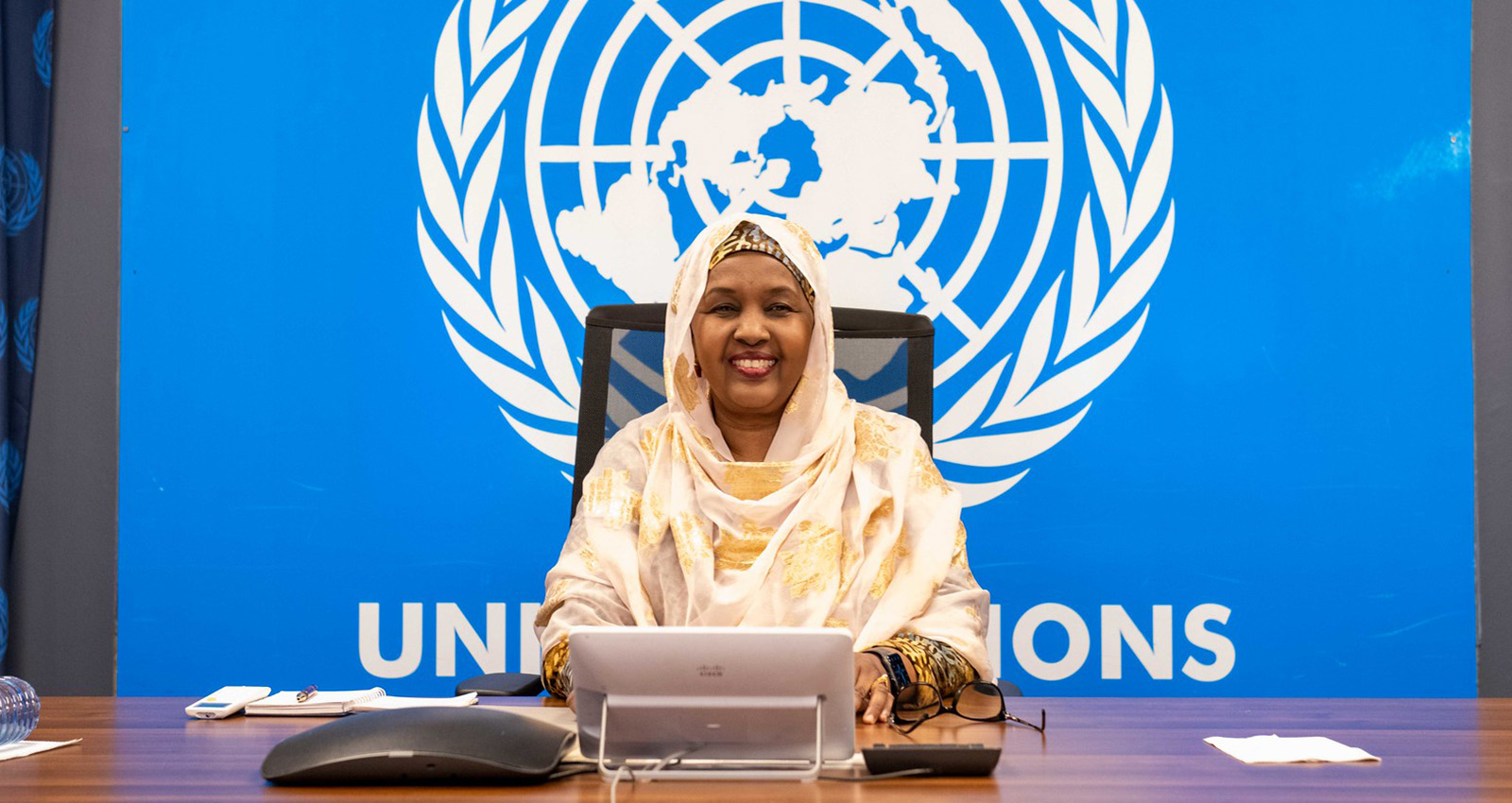
Inviting more women to brief the United Nations Security Council helps include them in decision-making on international peace and security. But despite progress, observe Louise Olsson and Anna Marie Obermeier, challenges remain. The Council must integrate recommendations from women's voices into decision-making Read more
Muireann O'Dwyer
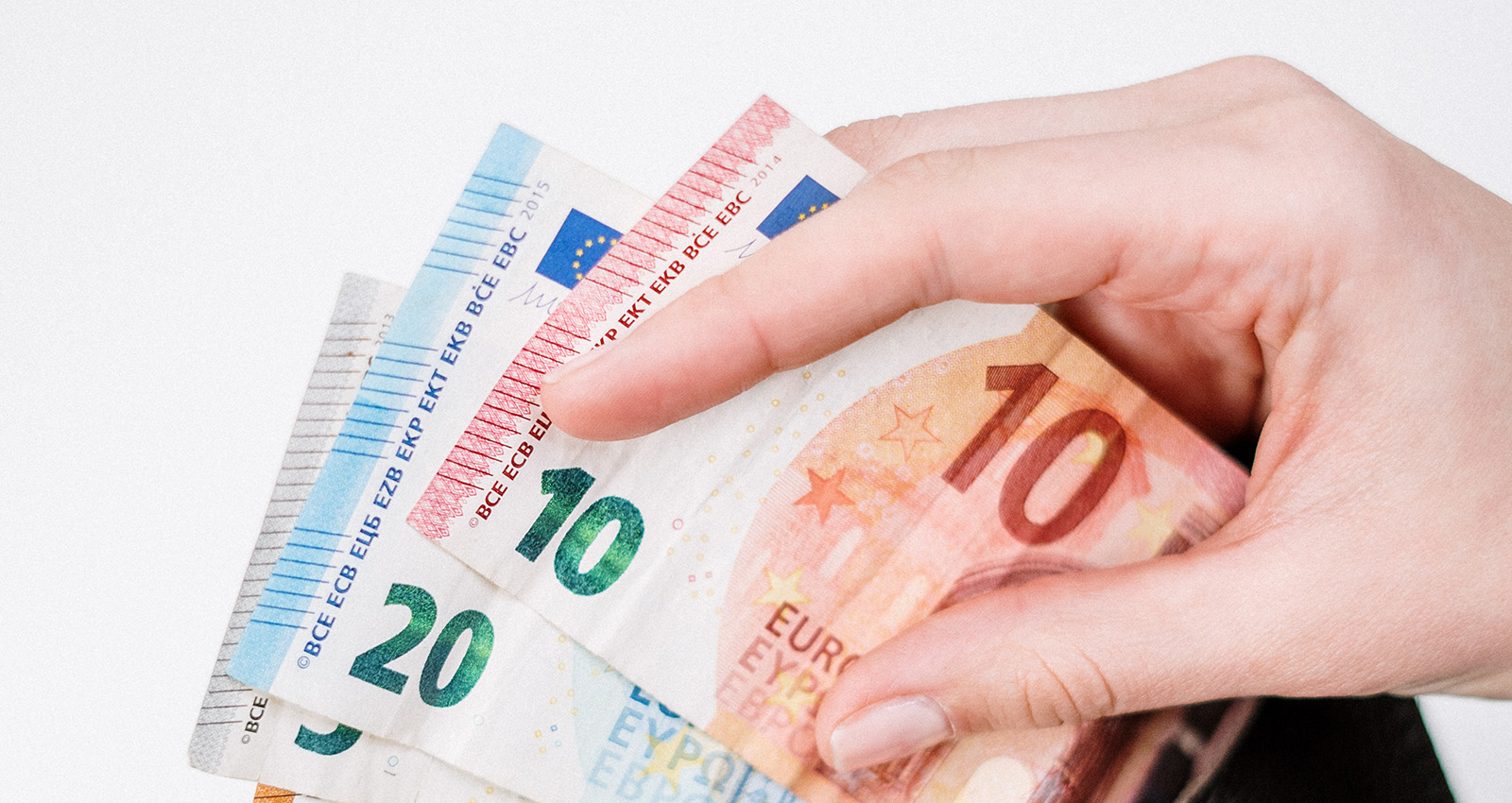
Muireann O’Dwyer argues that the economy's gendered nature means that all EU-developed economic policies are intrinsically gendered. Their consequences shape equality across the member states. Addressing this requires a greater democratisation of economic policy, and a renewed commitment to gender mainstreaming The gender of the economy Economic policy is always, at the same time, gender […] Read more
Stefan Wallaschek
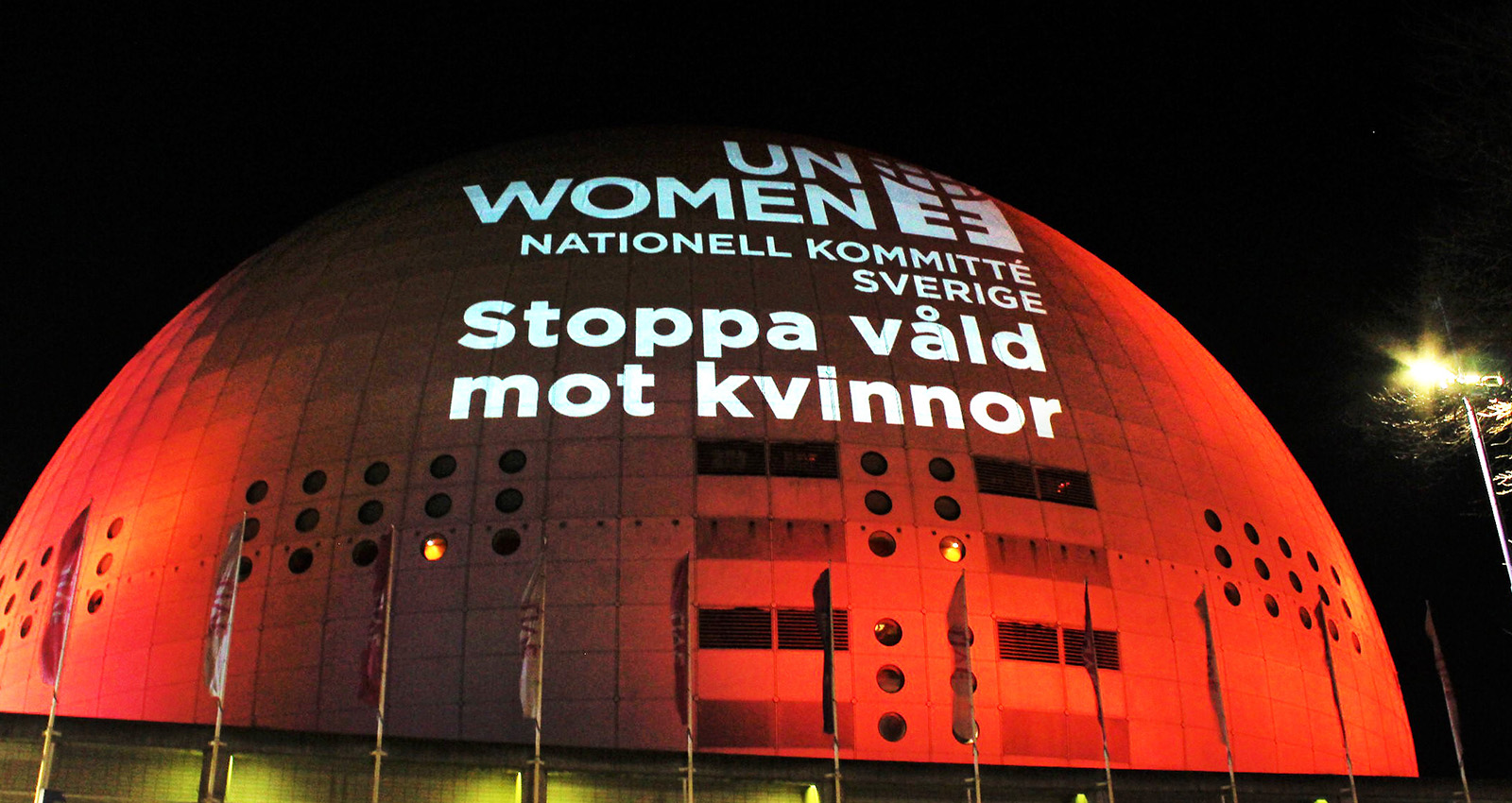
Stefan Wallaschek, Kavyanjali Kaushik, Monika Verbalytė and Aleksandra Sojka highlight how gender equality campaigns, especially around International Women's Day, are only effective by adapting their messages to the national contexts. These campaigns must incorporate initiatives that allow more citizens to mobilise and take action Across Europe, progress towards gender equality has met with resistance from […] Read more
Joyce Wu
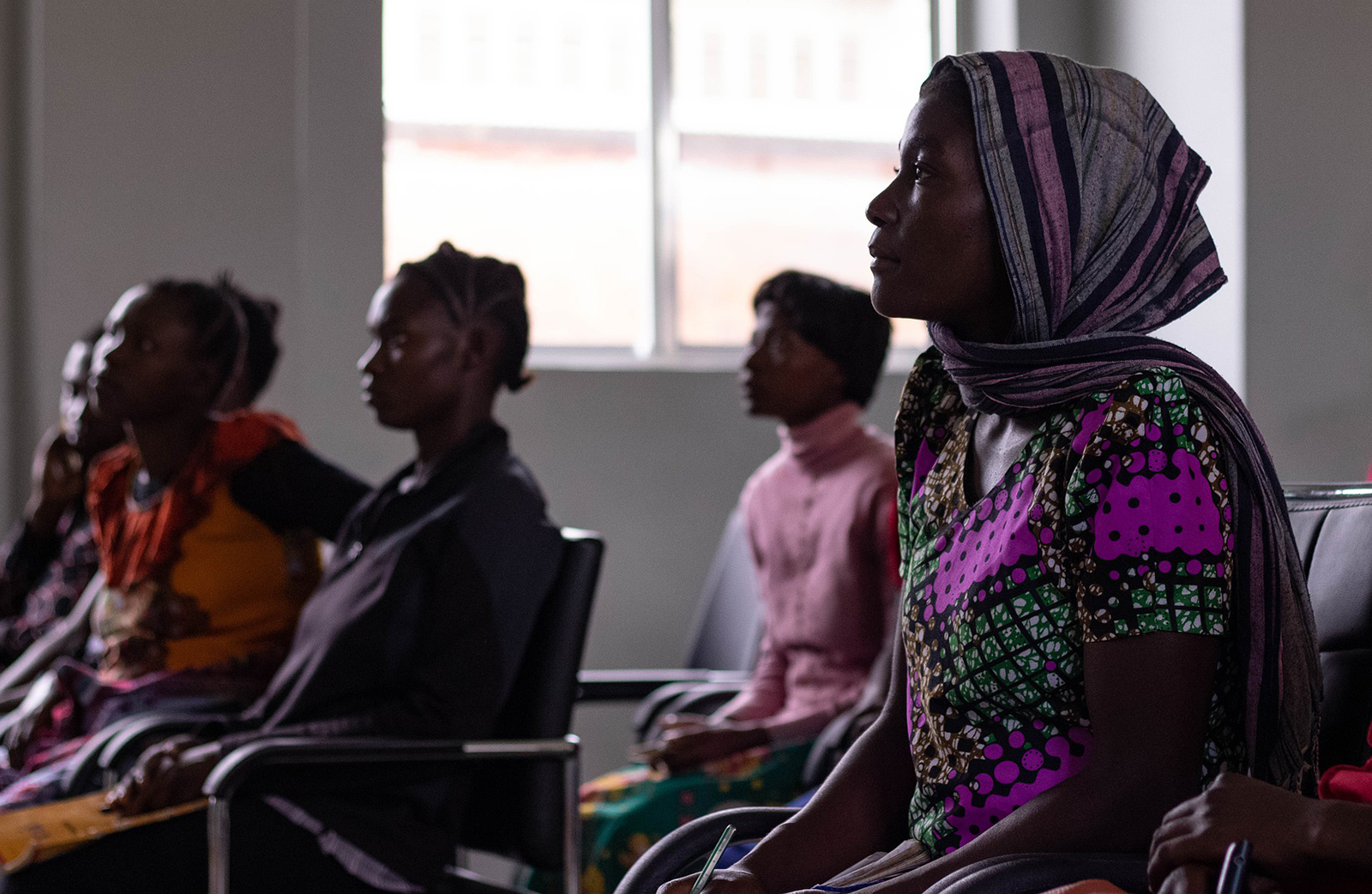
Addressing gender inequality is a critical aspect of international development. So why has progress been so slow? Joyce Wu considers the roadblocks on the path of gender and development. Here, she focuses on institutional resistance, and suggests how to break it down Read more
We use necessary cookies to make our site work. We'd also like to set analytics cookies that help us make improvements by measuring how you use the site. These will be set only if you accept.
▼
Strictly Necessary Cookies
Necessary cookies enable core functionality such as security, network management, and accessibility. You may disable these by changing your browser settings, but this may affect how the website functions.
▼
Analytics Cookies
Google Analytics
We'd like to set Google Analytics cookies to help us improve our website by collecting and reporting information on how you use it. The cookies collect information in a way that does not directly identify anyone. For more information on how these cookies work please see our Privacy Notice.