Anne Metten
Globalisation, and its many uncertainties, shape our modern world. One might assume, therefore, that people worried about global issues vote for anti-globalisation parties. Anne Metten reveals a surprising twist: it's not those who have strong views on globalisation who support anti-globalisation right-wing populist parties Read more
Helene Sjursen
The EU stands at a critical juncture, requiring a consorted commitment to revitalising and reforming a liberal international order, write Helene Sjursen, Viacheslav Morozov, Michela Ceccorulli, Enrico Fassi, Sonia Lucarelli, Senem Aydın-Düzgit, Thomas Diez, Franziskus von Lucke, Pol Bargués, Jonathan Joseph, Ana Juncos Read more
Mahmoud Javadi
Countries of the Global South are the primary advocates of the Treaty on the Prohibition of Nuclear Weapons (TPNW). Mahmoud Javadi argues that the TPNW can help gauge the authenticity, sincerity, and seriousness of major Western and Eastern powers in their geopolitical engagement with these countries Read more
Irene Landini
South Tyrol, like other autonomous minority regions, is experiencing an increase in the number of migrant schoolchildren. Local authorities have adopted the Council of Europe’s intercultural education paradigm. Yet, as Irene Landini shows, its implementation varies significantly between different native groups and different Italian provinces Read more
Sofia Ammassari
Sofia Ammassari argues that grievances are important in understanding why people join populist radical-right parties, but so is political efficacy – the belief that one can influence politics. We shouldn't think of members of these parties only as angry and disaffected citizens; they can be pro-active and efficacious, too Read more
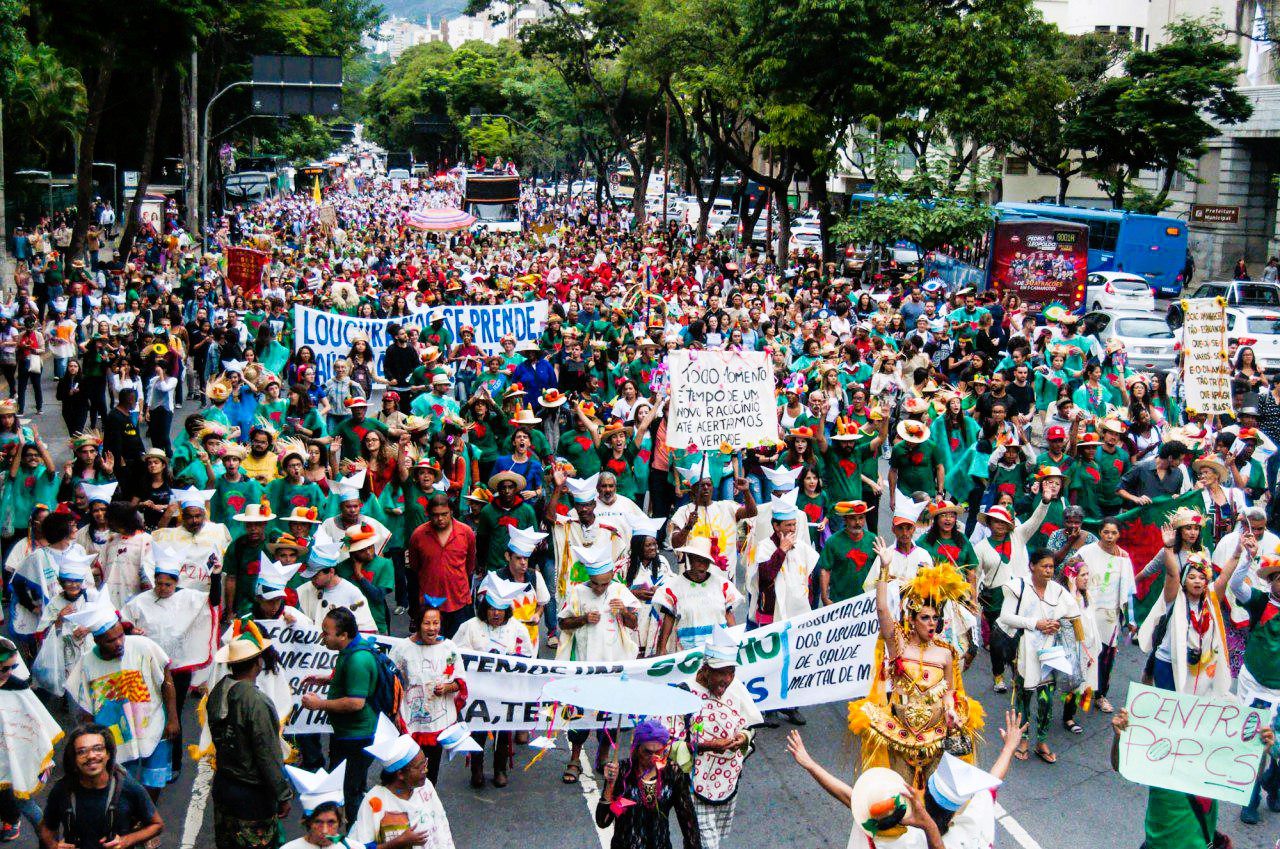
Lucas N. Veloso
By stitching together new alliances, we can assemble united yet internally diverse collective identities, leading the way toward democratic transformations. Lucas Veloso explores the transformative carnival protests of the Brazilian mental health movement Read more
Victoria Portnaya
We used to believe that autocratic educational policies stifled free thought. However, as Russia's meritocratic policy supporting talented youth shows, state-created incentives can serve to spread 'dissident' ideas that differ from those presented in national exams. These ideas, writes Victoria Portnaya, may be adopted by a significant portion of schoolchildren preparing for intellectual competitions Read more
Roberto Baccarini
The Italian cabinet, led by Prime Minister Giorgia Meloni, has approved a proposal to revise the Constitution, chiefly through introducing the direct election of the Prime Minister. However, writes Roberto Baccarini, the reform may in fact undermine Prime Ministerial authority, and would destabilise other existing institutional arrangements Read more
We use necessary cookies to make our site work. We'd also like to set analytics cookies that help us make improvements by measuring how you use the site. These will be set only if you accept.
▼
Strictly Necessary Cookies
Necessary cookies enable core functionality such as security, network management, and accessibility. You may disable these by changing your browser settings, but this may affect how the website functions.
▼
Analytics Cookies
Google Analytics
We'd like to set Google Analytics cookies to help us improve our website by collecting and reporting information on how you use it. The cookies collect information in a way that does not directly identify anyone. For more information on how these cookies work please see our Privacy Notice.