Matthew Stephen
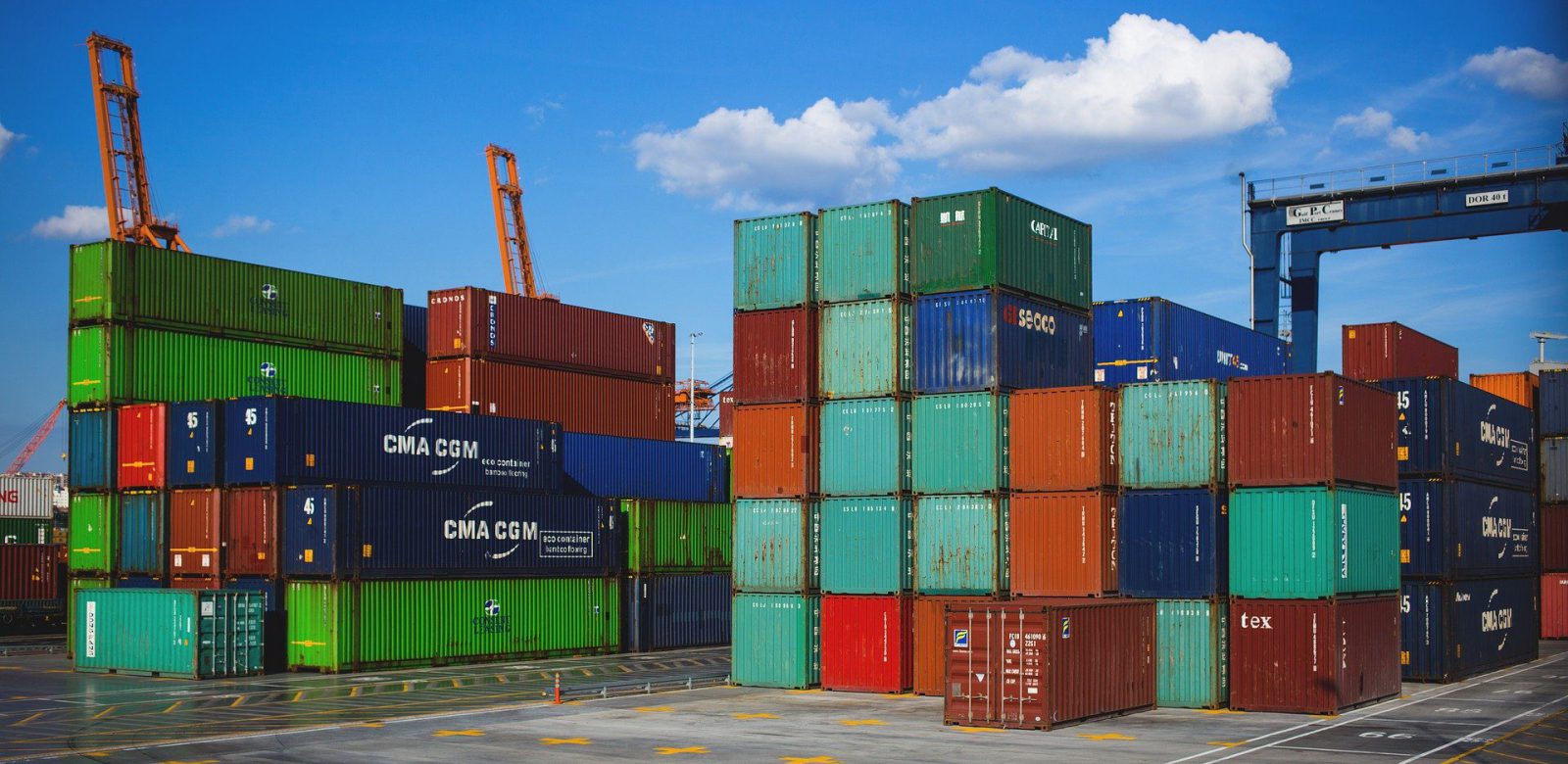
The Regional Comprehensive Economic Partnership is only the latest of many new multilateral institutions created by China. An alternative to the American-led liberal international order looks increasingly viable, suggests Matthew Stephen Read more
Kiryl Kascian
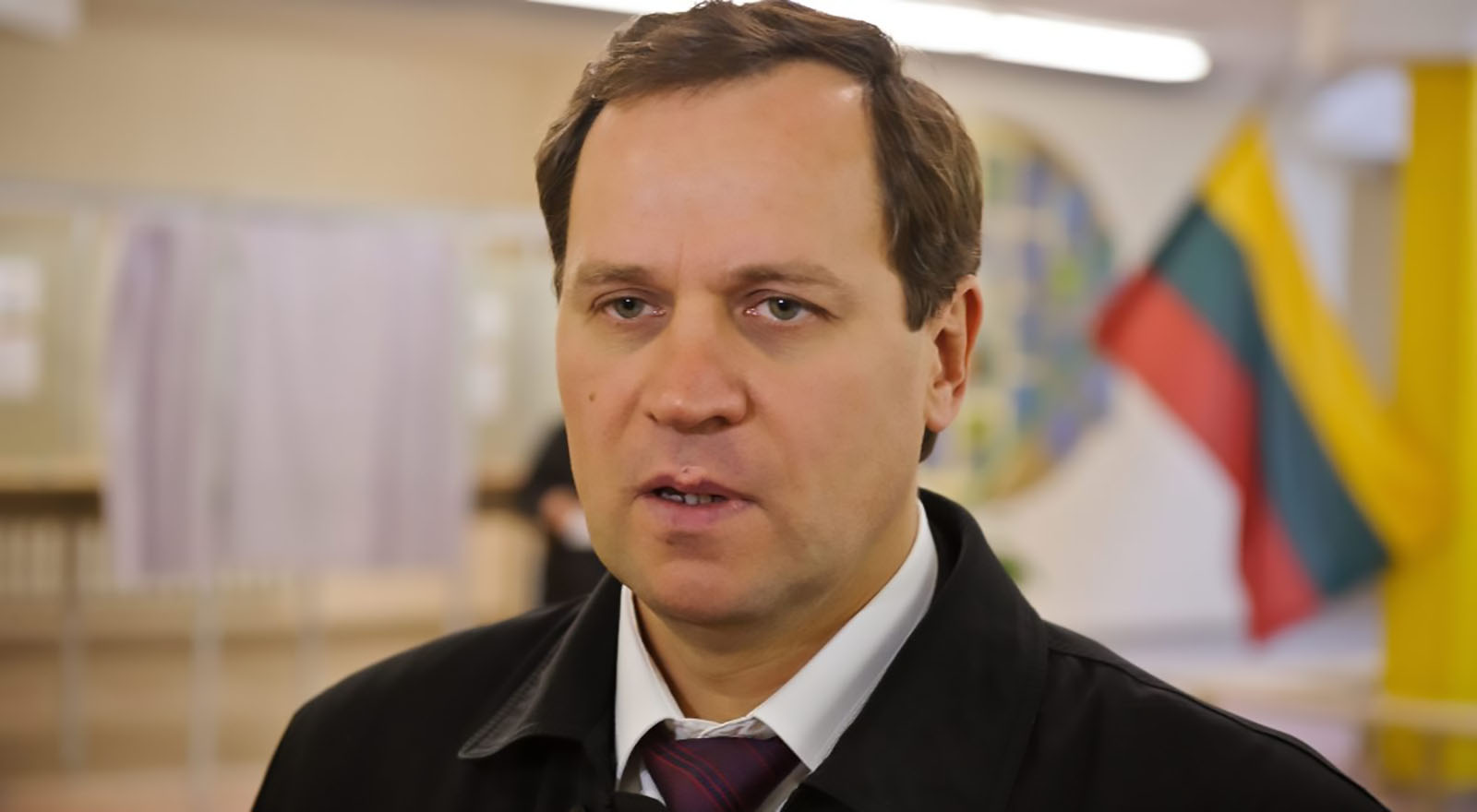
In Lithuania's recent parliamentary election, the party claiming to represent the interests of Polish and other minorities failed to reach the electoral threshold. As Kiryl Kascian writes, this could bring an end to the representation of minorities in Lithuanian politics Read more
Ruairidh Brown
The pandemic has revealed the importance of civic solidarity and public trust, writes Ruairidh Brown. But they function best in a context of ‘friendship', a concept which needs to be recognised as central to political thinking in a post-Covid world Read more
Ranjan Saha Partha
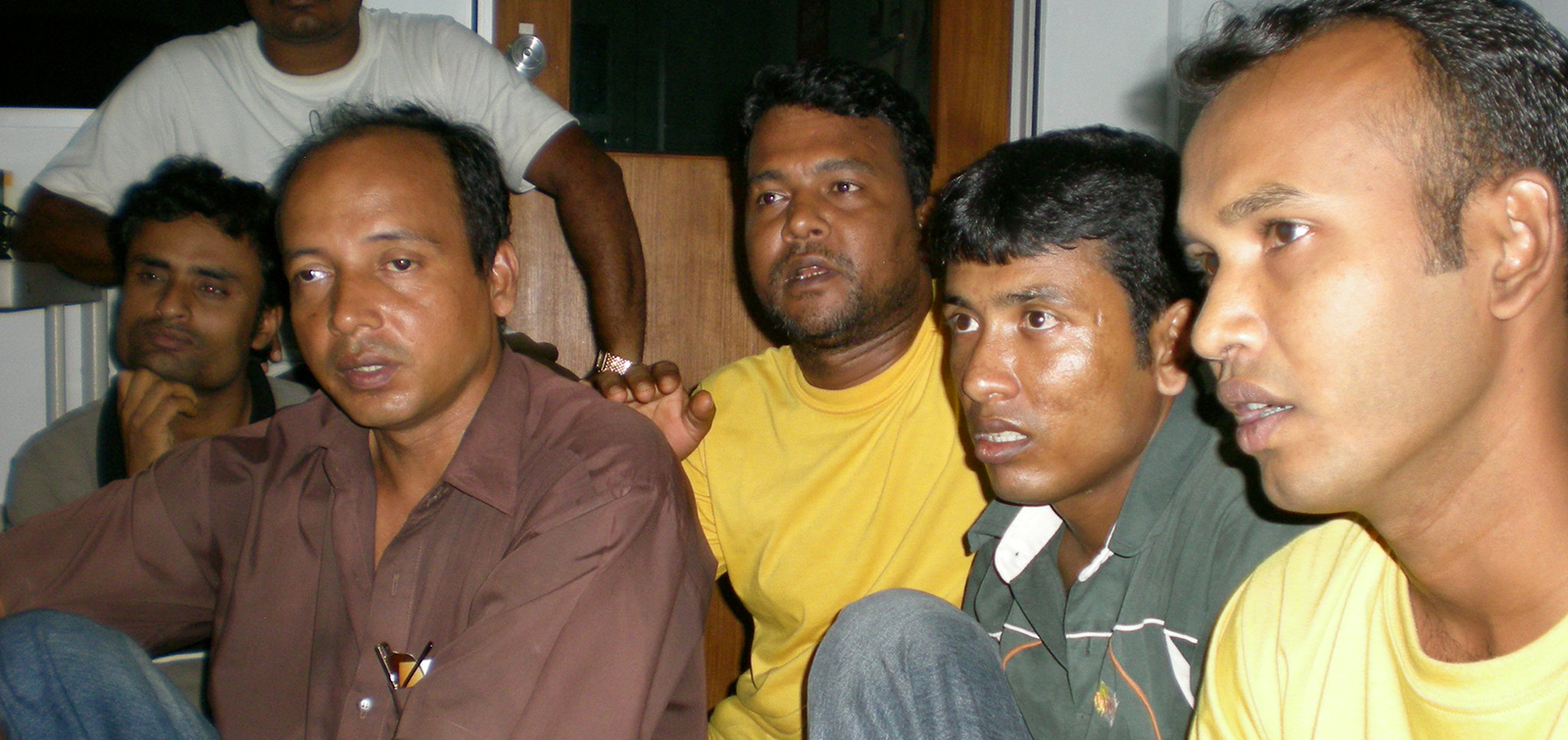
In Bangladesh, attitudes towards overseas migration have changed from ‘hero to zero’ during the spread of Covid-19. Ranjan Saha Partha and Nurul Huda Sakib explain why Read more
Gibrán Cruz-Martínez
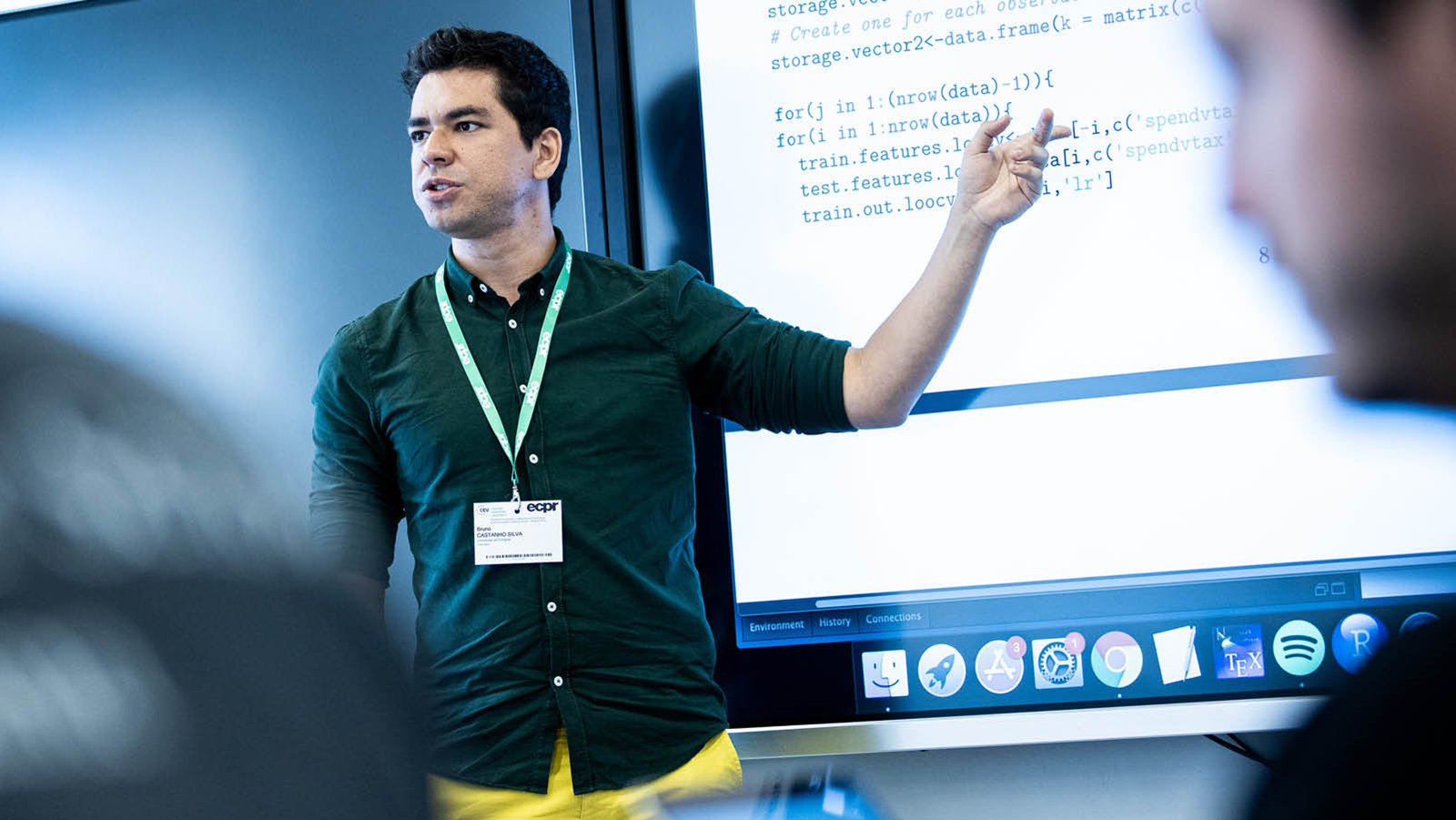
Getting social science students to create short video stories on compelling academic topics is an effective way to involve them the pedagogic process, write Gibrán Cruz-Martínez and Aleksandra Lazareva Read more
Andrew Glencross
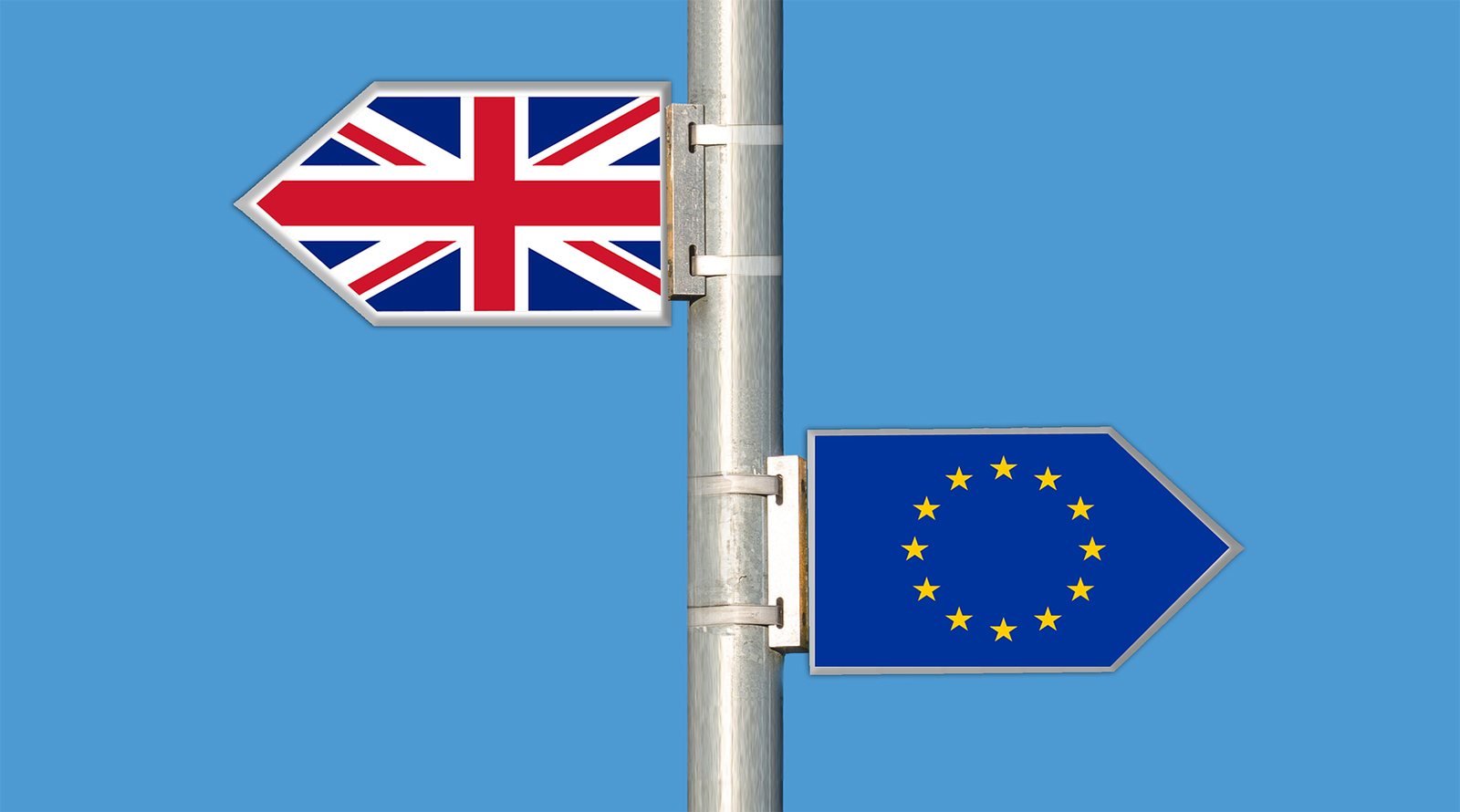
A UK-EU free trade agreement can attenuate the sovereignty debate that spawned Brexit, writes Andrew Glencross. But Brexit will replace an institutionally robust relationship with one that is far more sensitive to public opinion and political partisanship Read more
Mehmet Bardakçı
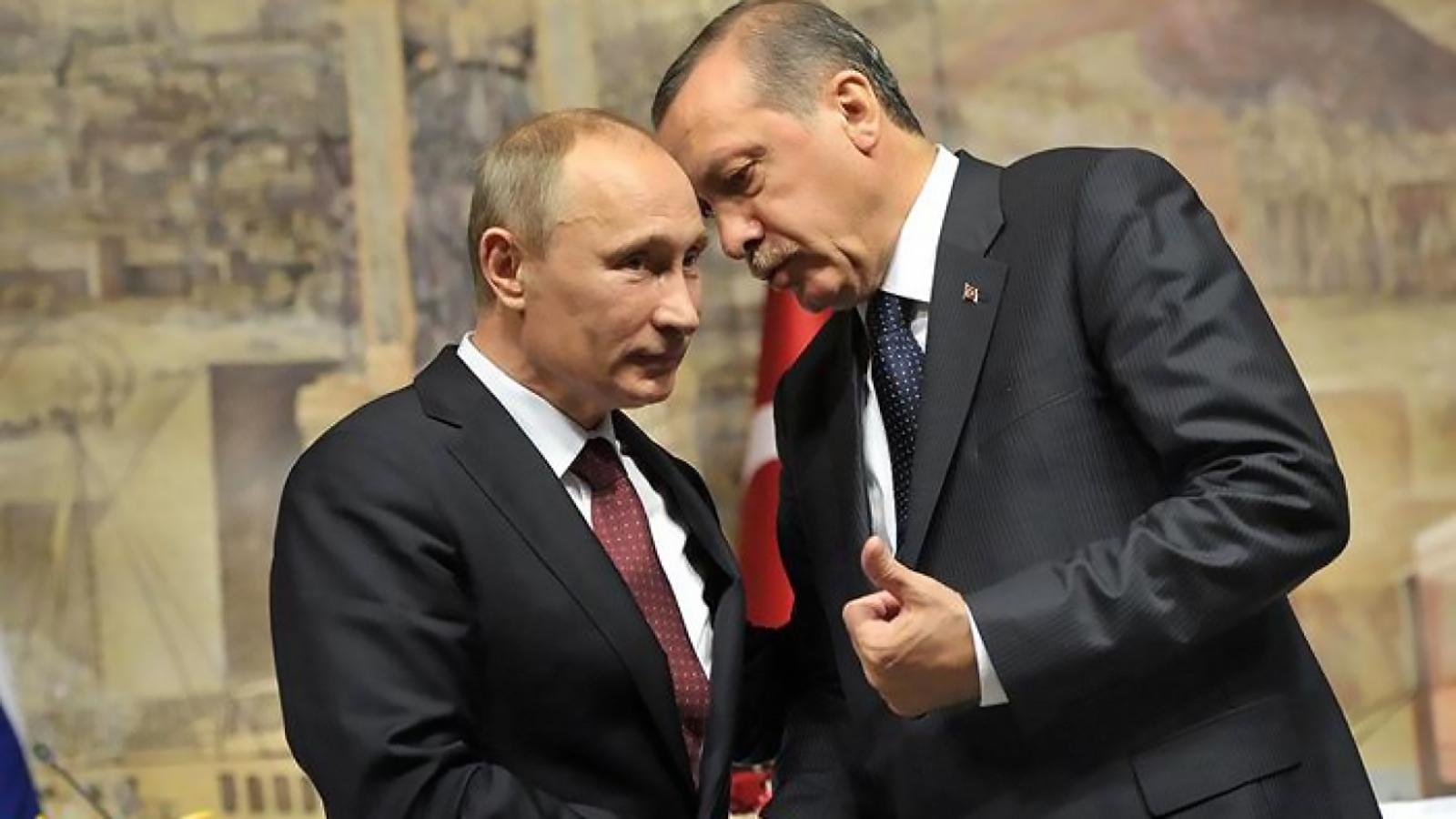
Despite the growing accord between Moscow and Ankara, a relationship that has grown ever closer over the past three decades, a new strategic partnership is unlikely to develop in the near future, writes Mehmet Bardakçı, due to significant differences over geostrategic interests, the lack of a mutual social base to the relationship, and the limited capacity of Russia as an economic partner Read more
Maria Debre
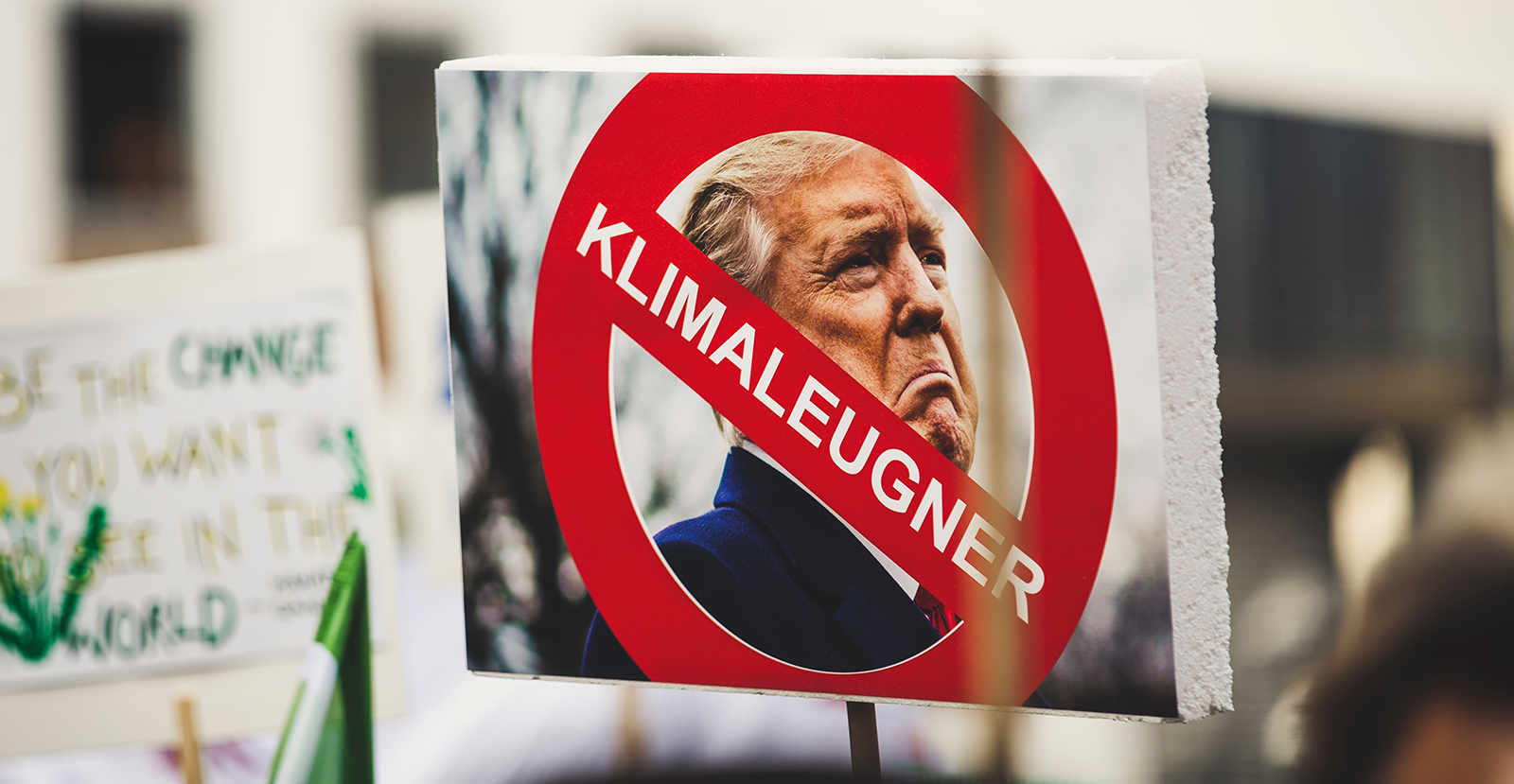
In an unprecedented attack on the international liberal order, Donald Trump withdrew the US from several international organisations. Those that survived the onslaught, write Maria Debre and Hylke Dijkstra, can expect a brighter future under Biden, who has indicated he will reverse many of Trump's decisions Read more
We use cookies to ensure that we give you the best experience on our website. If you continue to use this site we will assume that you are happy with it.