Franziska FN Schreiber
Despite harsh criticism of his government performance, Bolsonaro managed to attract significant public support in the recent election, writes Franziska F. N. Schreiber. The populist incumbent promoted voters’ trust by responding to their anxieties and uncertainties, and perpetuating myths Read more
Massimo D'Angelo
Next June, in Turkey, Recep Tayyip Erdoğan will seek election as President of the Republic for the third time. Massimo D’Angelo explains the opposition parties' joint strategy to defeat Erdoğan, including a pact to overhaul institutions and restore the rule of law Read more
Eri Mountbatten-O'Malley
Ethical democratic practices are informed by understanding what it means to be human and how we may flourish as a species alongside non-humans. This is, Eri Mountbatten-O’Malley argues, a useful way to orient ourselves in a dark time for democracy Read more
Gubad Ibadoghlu
Russia's war in Ukraine poses a threat to Europe’s energy security, prompting the EU to search for new gas suppliers. One of these is Azerbaijan. Gubad Ibadoglu explores the capacity of the country’s gas transport and production and assesses the potential for Azerbaijan to become a reliable gas supplier for Europe Read more
Orlaith Rice
Frustration with integration policy and fear of crime, two issues which Swedish political rhetoric and public opinion increasingly conflates, fuels the Sweden Democrats’ onward journey into mainstream politics. Orlaith Rice considers where SD sits under labels of populism and illiberalism Read more
Stephen Bagwell
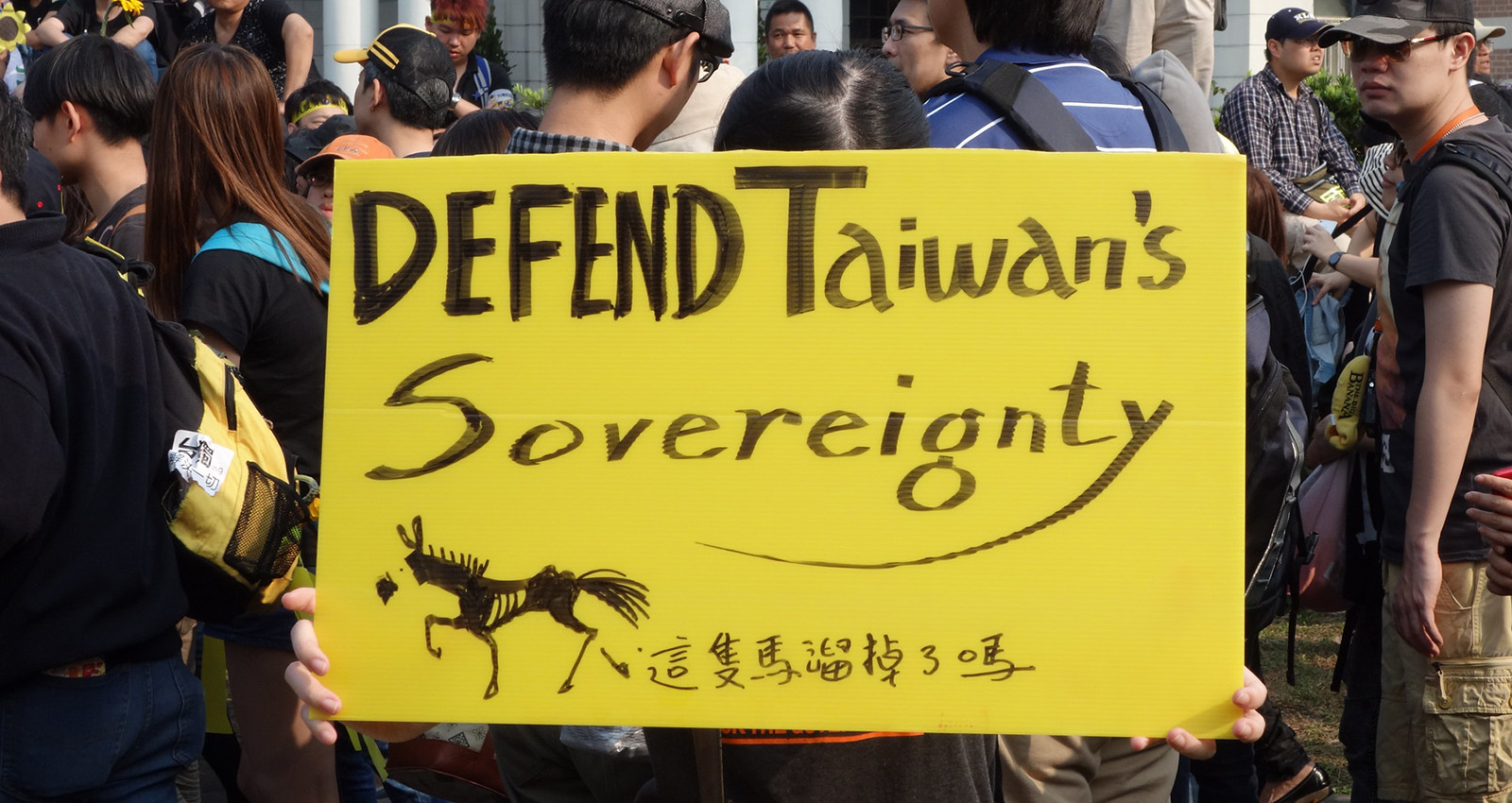
The case of Hong Kong shows that Chinese Communist Party dominance has a negative impact on empowerment rights. For Taiwan, though, it could end up much worse. Stephen Bagwell and Meridith LaVelle explore the potential outcomes of this scenario, using evidence from Hong Kong and data from the Human Rights Measurement Initiative Read more
Gabriella Gricius
In a globalised world with complex governing problems, experts are understudied but essential players. Examining their role in security helps us understand how issues are designated important, and why only certain kinds of knowledge are perceived as expertise. Such study, writes Gabriella Gricius, also helps us challenge the notion of expertise as neutral truth-telling Read more
Luca Manucci
We have, in the intellectual world, spent much time trying to understand populism, fascism, illiberalism and the processes of autocratisation. Now, argues Luca Manucci, it is time to debate and establish the best strategies to fight against these tendencies and establish democratic resilience Read more
We use necessary cookies to make our site work. We'd also like to set analytics cookies that help us make improvements by measuring how you use the site. These will be set only if you accept.
▼
Strictly Necessary Cookies
Necessary cookies enable core functionality such as security, network management, and accessibility. You may disable these by changing your browser settings, but this may affect how the website functions.
▼
Analytics Cookies
Google Analytics
We'd like to set Google Analytics cookies to help us improve our website by collecting and reporting information on how you use it. The cookies collect information in a way that does not directly identify anyone. For more information on how these cookies work please see our Privacy Notice.