Murad Gafarov
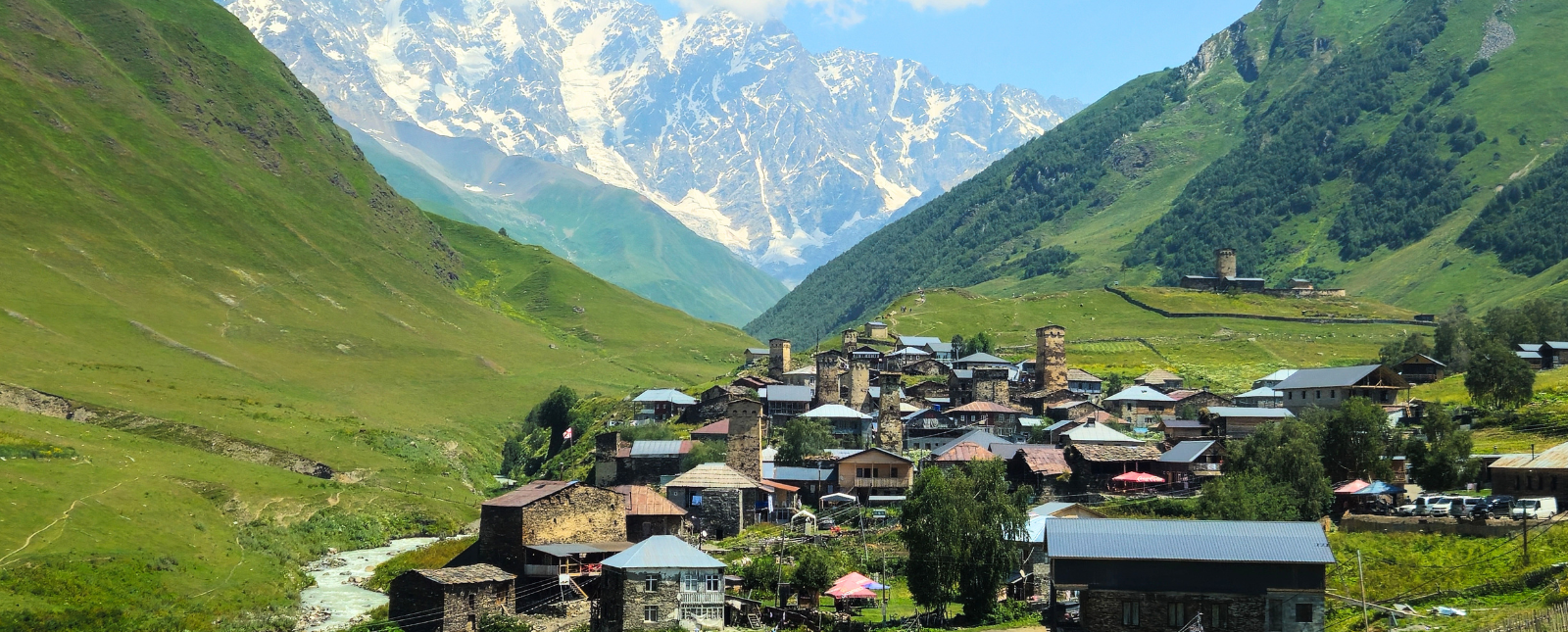
Recent wars in Ukraine and Iran have raised the South Caucasus's strategic value to the EU. Murad Gafarov argues Brussels should move beyond engaging Armenia, Azerbaijan, and Georgia case by case, building a permanent strategy around the region's shared interdependence instead Read more
Agnese Pacciardi
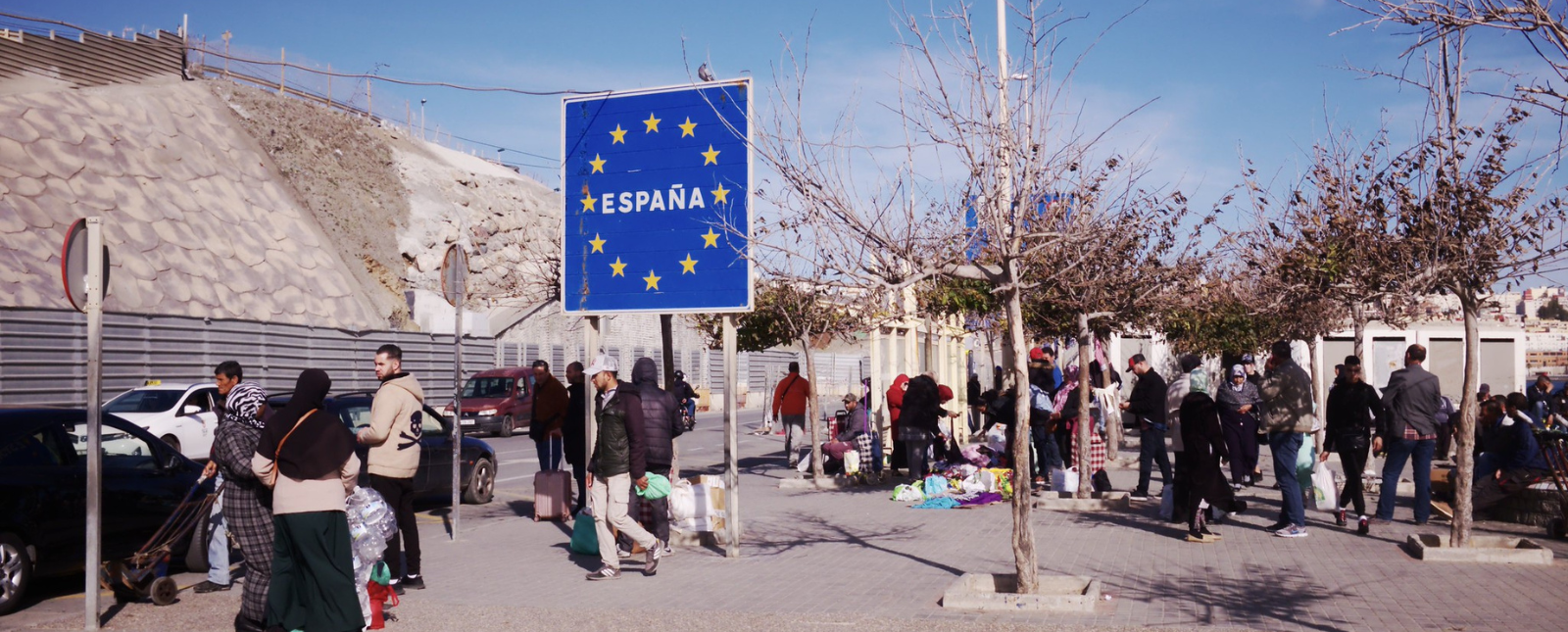
At the end of July, over the space of two days, around 72,000 people crossed from Morocco into the Spanish enclave of Ceuta. The largest such crossing on record, it became the first real-world test of the EU's Pact on Migration and Asylum. Agnese Pacciardi says the crisis resulted in weakened solidarity between member states, rushed deportations, and the neglect of human rights Read more
Pierce Leslie
Britain’s debate over private schooling often treats fairness as a choice between a divided system and a common one. Pierce Leslie argues that equality depends on whether funding, capacity and accountability reach the pupils who need them most Read more
Consuelo Thiers
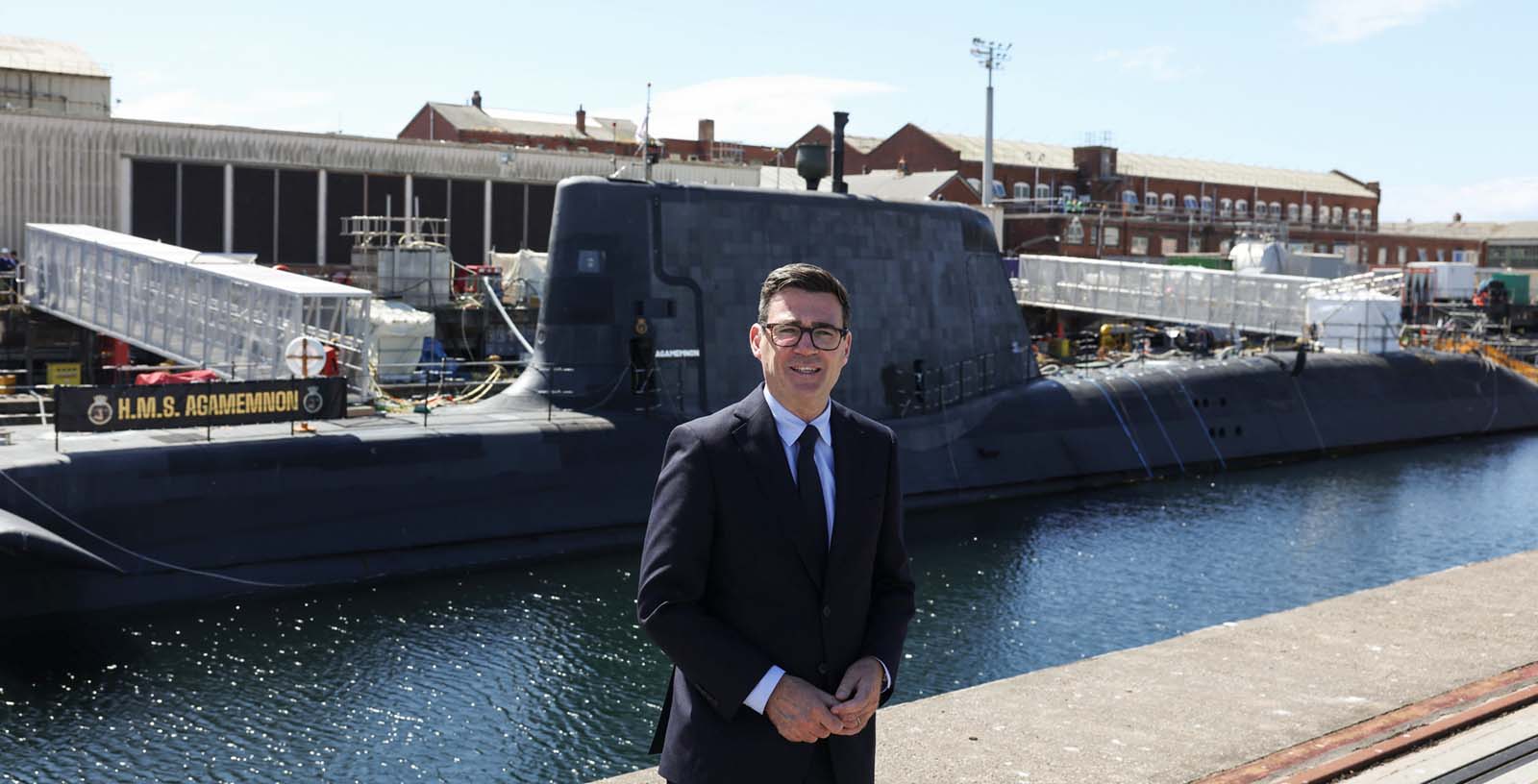
Andy Burnham takes office with little public record on foreign policy. Consuelo Thiers profiles his political personality to offer a interpretation on how he may act on the world stage. She argues that Burnham is likely to be more consultative than his predecessor, but no less determined to shape events his own way Read more
Zoe Gueli
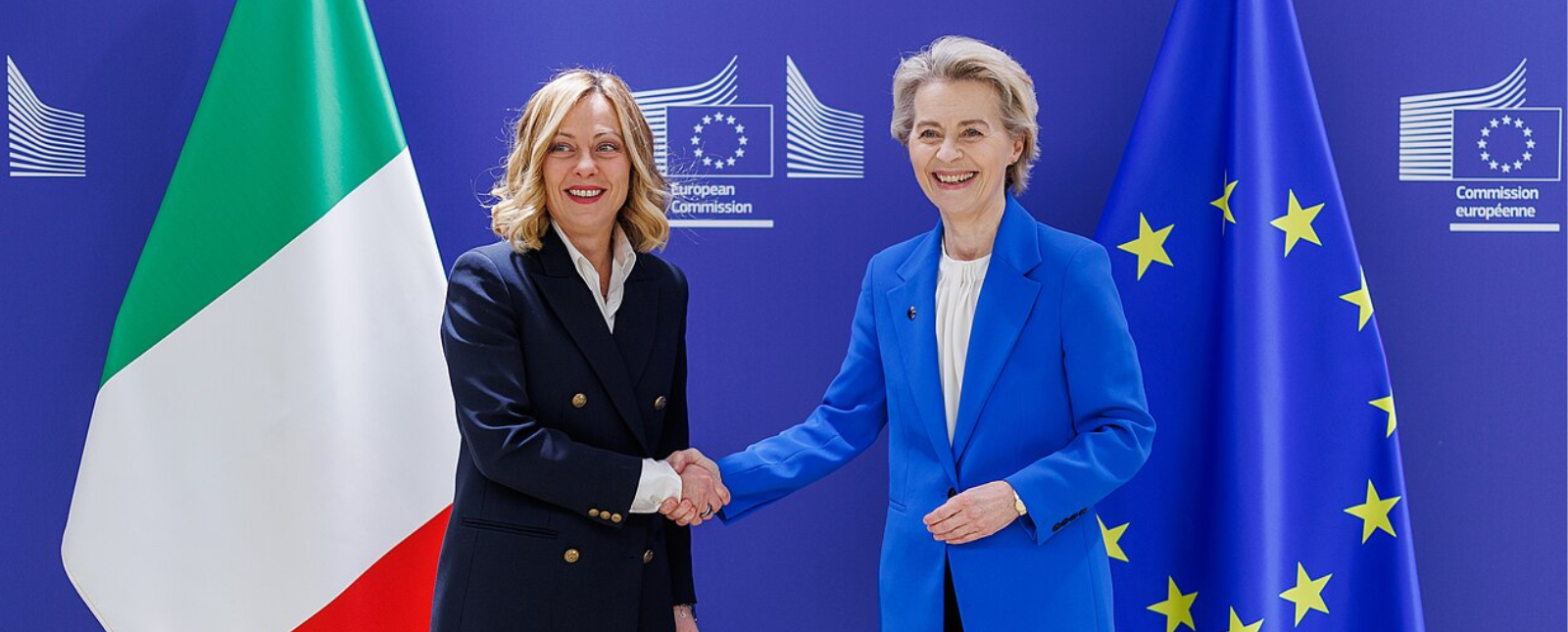
Zoe Gueli argues that in Italy, the anti-Brussels rhetoric of governing right-wing party Fratelli d’Italia survives not because Italians are Eurosceptic, but because its rhetoric functions as a domestic political tool – one that EU institutions are structurally unable to counter Read more
We use necessary cookies to make our site work. We'd also like to set analytics cookies that help us make improvements by measuring how you use the site. These will be set only if you accept.
▼
Strictly Necessary Cookies
Necessary cookies enable core functionality such as security, network management, and accessibility. You may disable these by changing your browser settings, but this may affect how the website functions.
▼
Analytics Cookies
Google Analytics
We'd like to set Google Analytics cookies to help us improve our website by collecting and reporting information on how you use it. The cookies collect information in a way that does not directly identify anyone. For more information on how these cookies work please see our Privacy Notice.