Lea Portmann
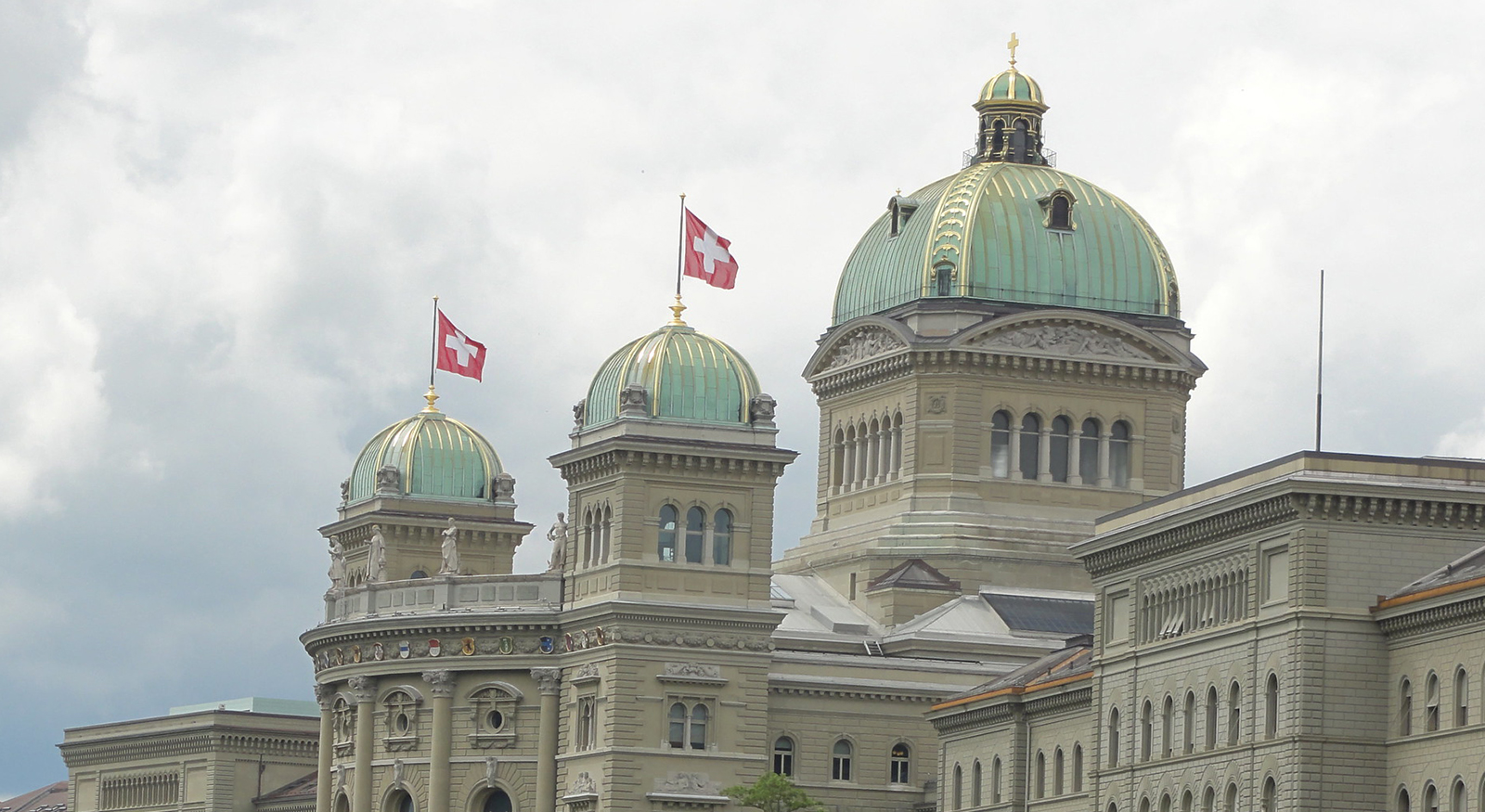
In Switzerland, poor political representation of people with a migrant background is not simply the result of prejudice and deliberate penalising by voters. Lea Portmann and Nenad Stojanović show that it is also caused by voters systematically favouring native ingroup candidates Read more
Sergio Ricardo Quiroga
As Argentina heads for primary and then legislative elections in September, Sergio Ricardo Quiroga assesses the state of Argentinian politics through election build-up in a single province, San Luis. He finds that Argentina’s socioeconomic crisis cannot be resolved without first confronting its crisis of democracy Read more
Ekaterina Rashkova
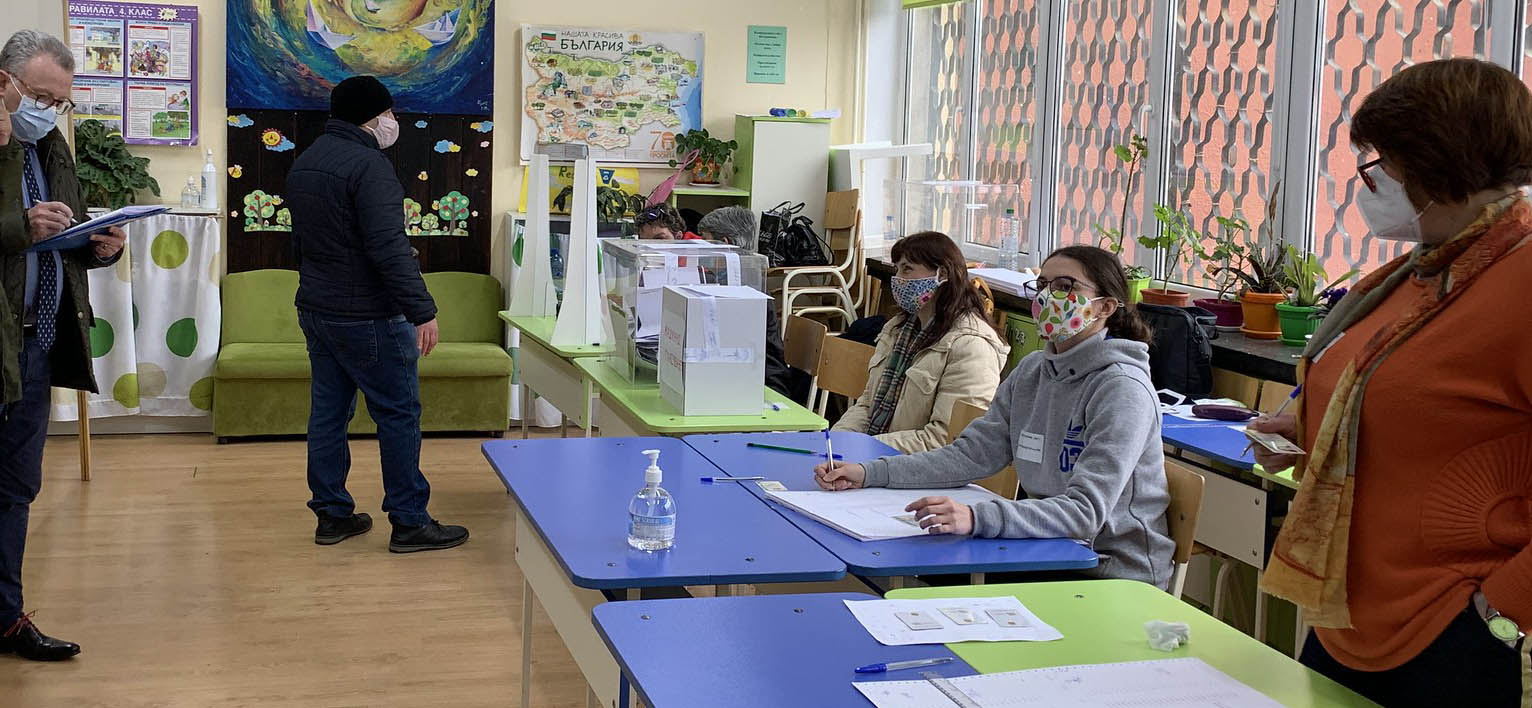
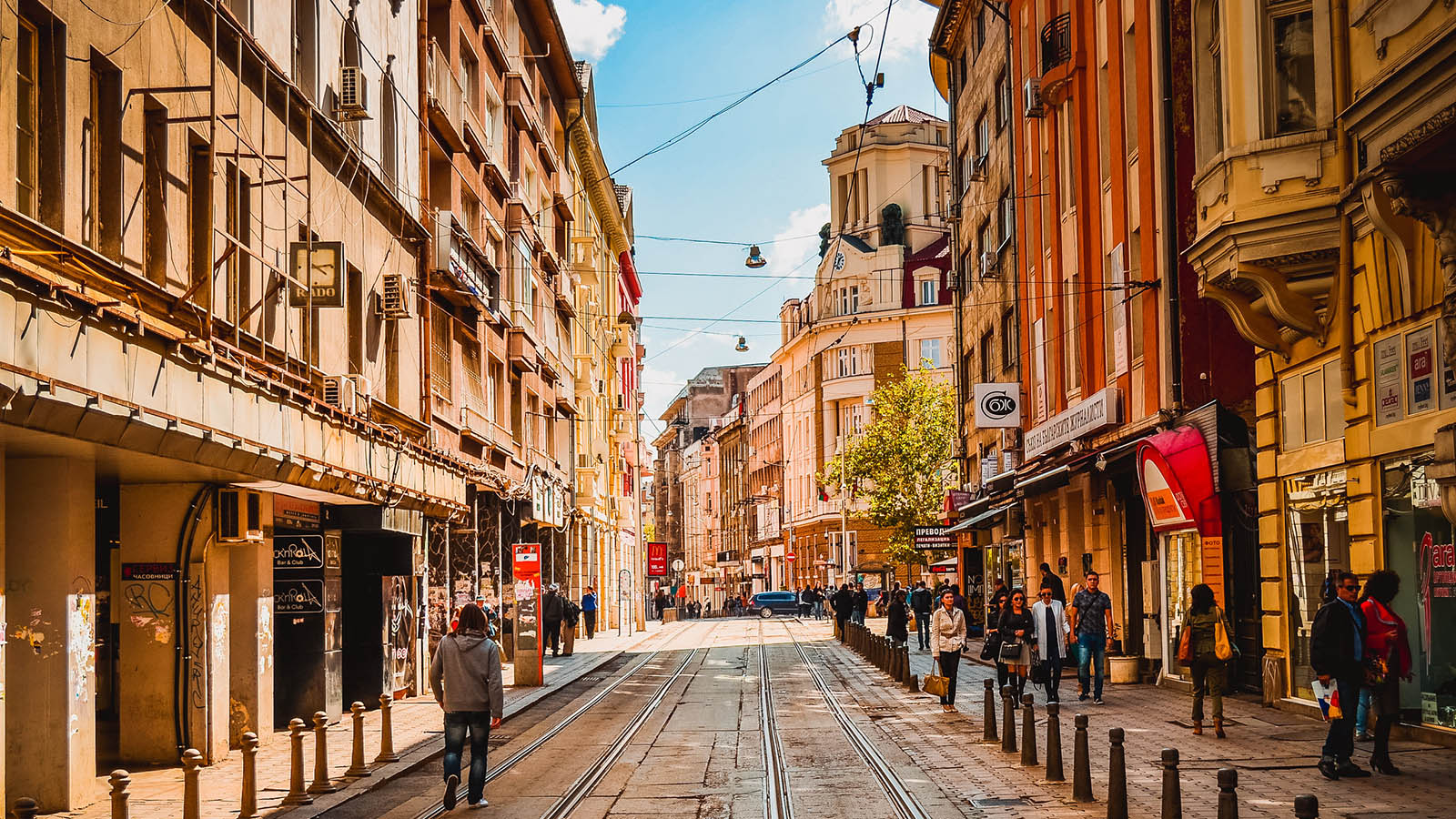
Following the stalemate produced by April's elections, Bulgaria has just gone to the polls for the second time this year. Ekaterina Rashkova-Gerbrands argues that these elections have resolved nothing, leaving Bulgaria in a dilemma Read more
Dragomir Stoyanov
Dragomir Stoyanov analyses the outcome of recent Bulgarian elections, which, just like the April elections a few months ago, have failed to resolve the power struggle between parties of the establishment and new protest parties. The prospect now looms for combined presidential and parliamentary elections in autumn Read more
Stuart Wilks-Heeg
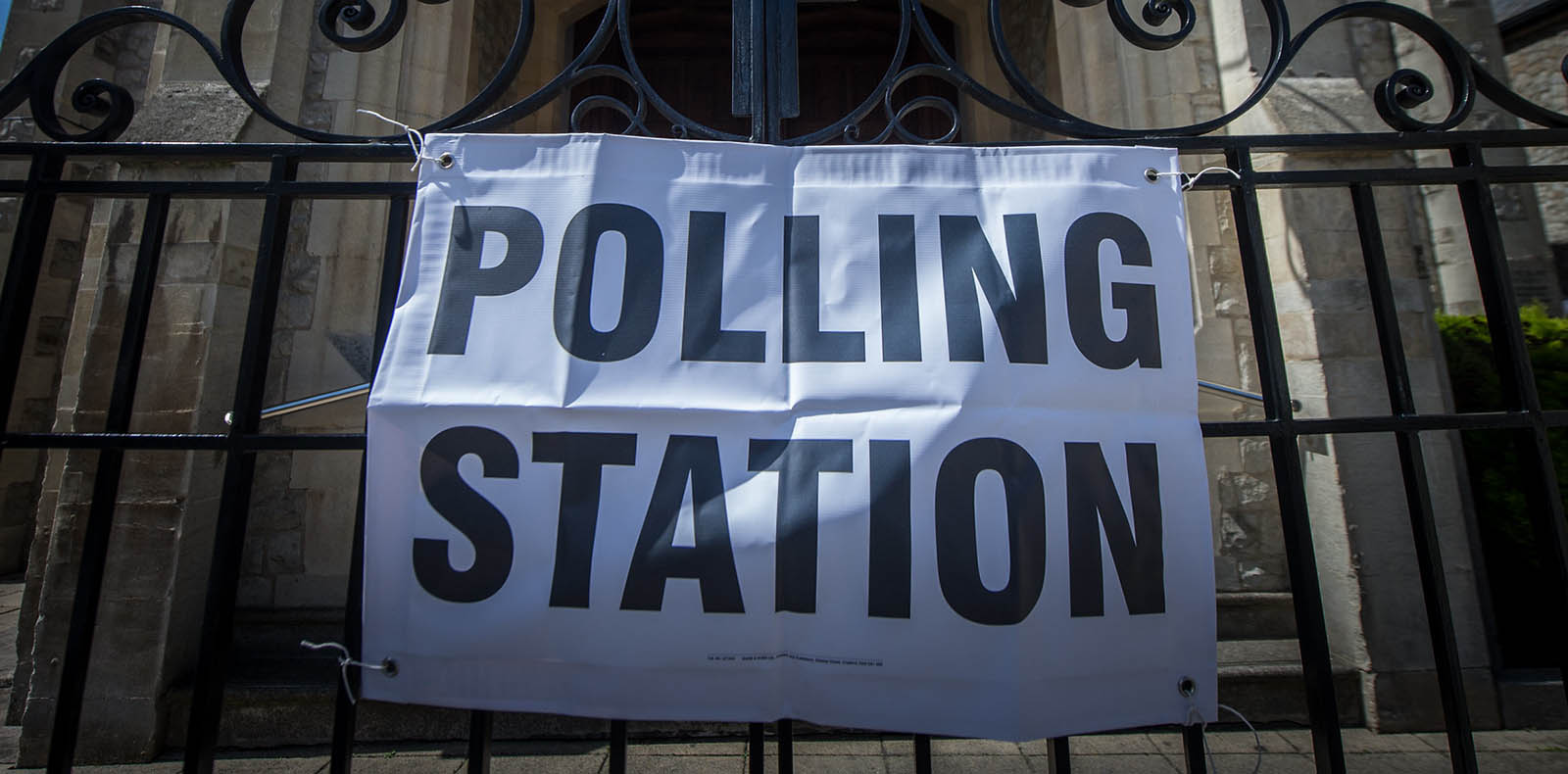
BBC general election night programmes since the 1950s have become increasingly frontloaded with discussion of projected results. Stuart Wilks-Heeg and Peter Andersen explain how this shift has developed in tandem with exit polling, and consider the implications for how the politics of election night unfolds Read more
Carolina Plescia
Interest in postal voting has increased during the pandemic as a means to avoid in-person contact. But exactly who is choosing to vote by mail? Carolina Plescia, Semra Sevi and André Blais find that the biggest cleavage in US citizen preferences about how to vote is generational, not ideological Read more
Ekaterina Rashkova
Millions of people no longer live in their countries of birth, and this can distort political representation, argues Ekaterina Rashkova-Gerbrands. If expats had been eligible to vote in recent Dutch parliamentary elections, we would have seen more support for innovative parties such as the D66 and Groen Links Read more
Laura Dean
Candidate lists in Latvia contain only 38.6% women. Latvia is unlikely to improve women’s representation in its municipal elections unless Latvian voters adopt preference voting, and 'plus' their women candidates, writes Laura Dean Read more
We use necessary cookies to make our site work. We'd also like to set analytics cookies that help us make improvements by measuring how you use the site. These will be set only if you accept.
▼
Strictly Necessary Cookies
Necessary cookies enable core functionality such as security, network management, and accessibility. You may disable these by changing your browser settings, but this may affect how the website functions.
▼
Analytics Cookies
Google Analytics
We'd like to set Google Analytics cookies to help us improve our website by collecting and reporting information on how you use it. The cookies collect information in a way that does not directly identify anyone. For more information on how these cookies work please see our Privacy Notice.