Matthijs Bogaards
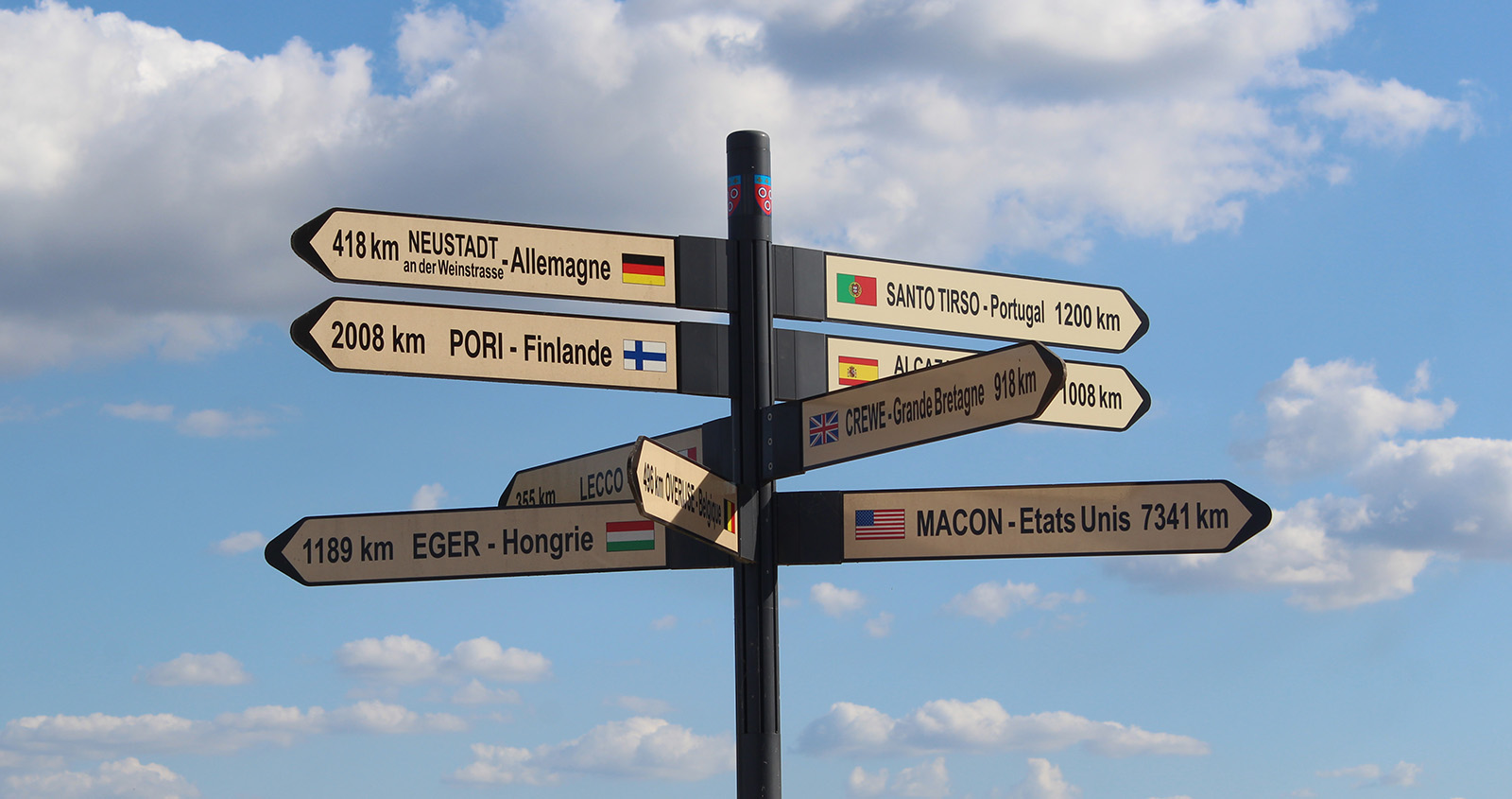
There is no European electorate. When voters elect the European Parliament, they vote for their own parties in their own countries. Many want this to change, but existing reform proposals are not sufficient. Matthijs Bogaards proposes twinning. It works to connect local communities across Europe and it may provide a new way to elect the European Parliament Read more
Lucía Dammert
On 6 June, amid a profound health and economic crisis, presidential elections take place in Peru. Voting for the lesser of two evils is not new, writes Lucia Dammert, yet the 2021 election deepens Peru's political deterioration and further weakens its democratic governance Read more
Dragomir Stoyanov
The success of new challenger parties in Bulgaria's recent national election has reconfigured the country's party system. Dragomir Stoyanov speculates that this may well mark an end to the decade-long era of Prime Minister Boyko Borissov Read more
Maciej Górecki
Researchers now have tools to assess the influence of gender quotas on electoral systems. But, write Maciej Górecki and Michał Pierzgalski, the impact of such quotas reveals limited improvement in women’s political representation Read more
Joop Van Holsteyn
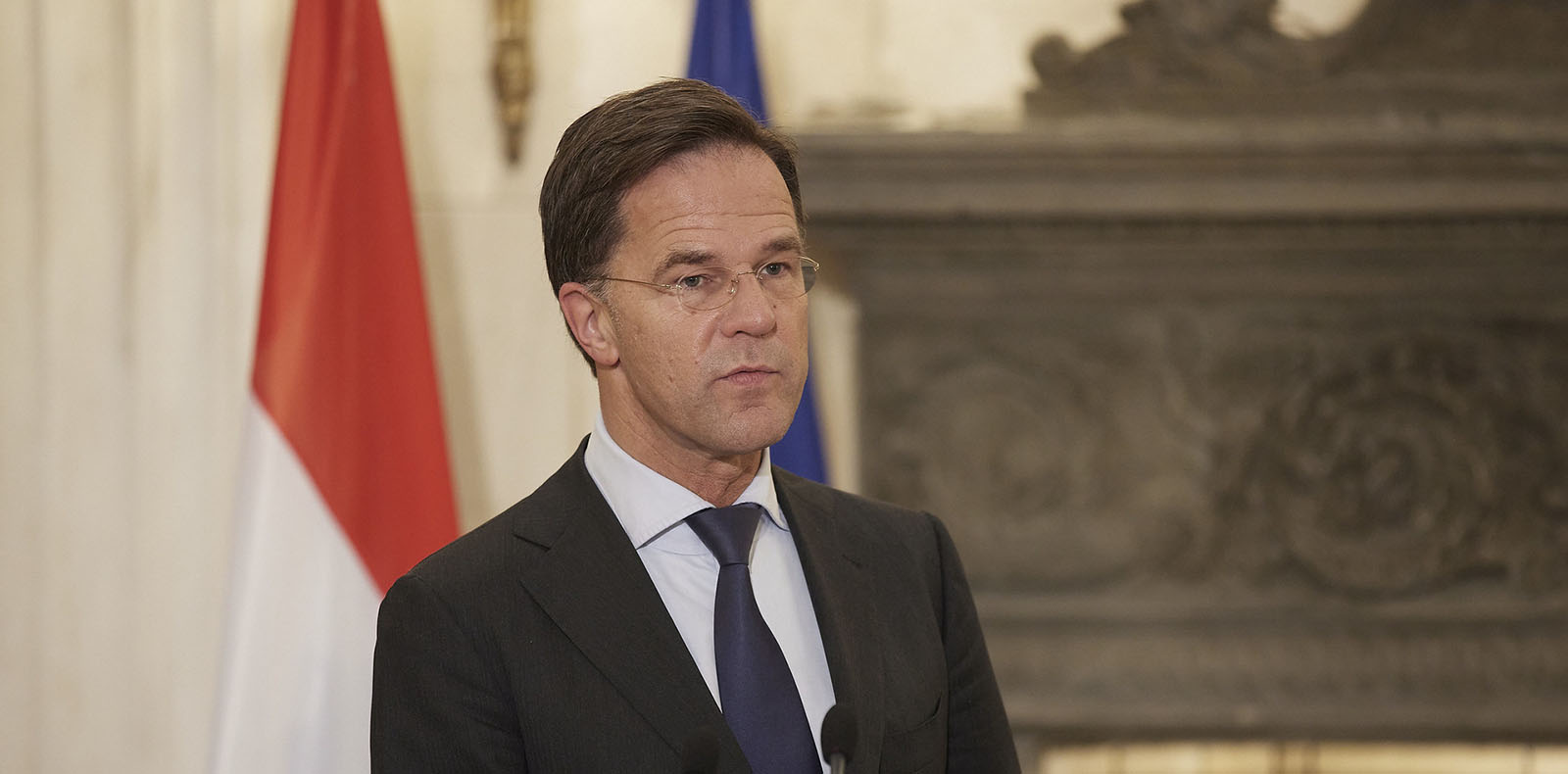
Coronavirus dominated the Dutch elections to the virtual exclusion of all else. The outcome, write Joop van Holsteyn and Galen Irwin, is a parliament with a record number of parties. Although the current coalition has sufficient seats to return to power, this may not happen. The Liberal Party again has the biggest share, and it is likely Mark Rutte will return as Minister-President Read more
Benjamin Leruth
A new European party, Volt, debuted in the Tweede Kamer following last week's Dutch elections. The party faces challenges, but it could play a role in domestic political landscapes throughout Europe, writes Benjamin Leruth Read more
Larissa Peixoto Gomes
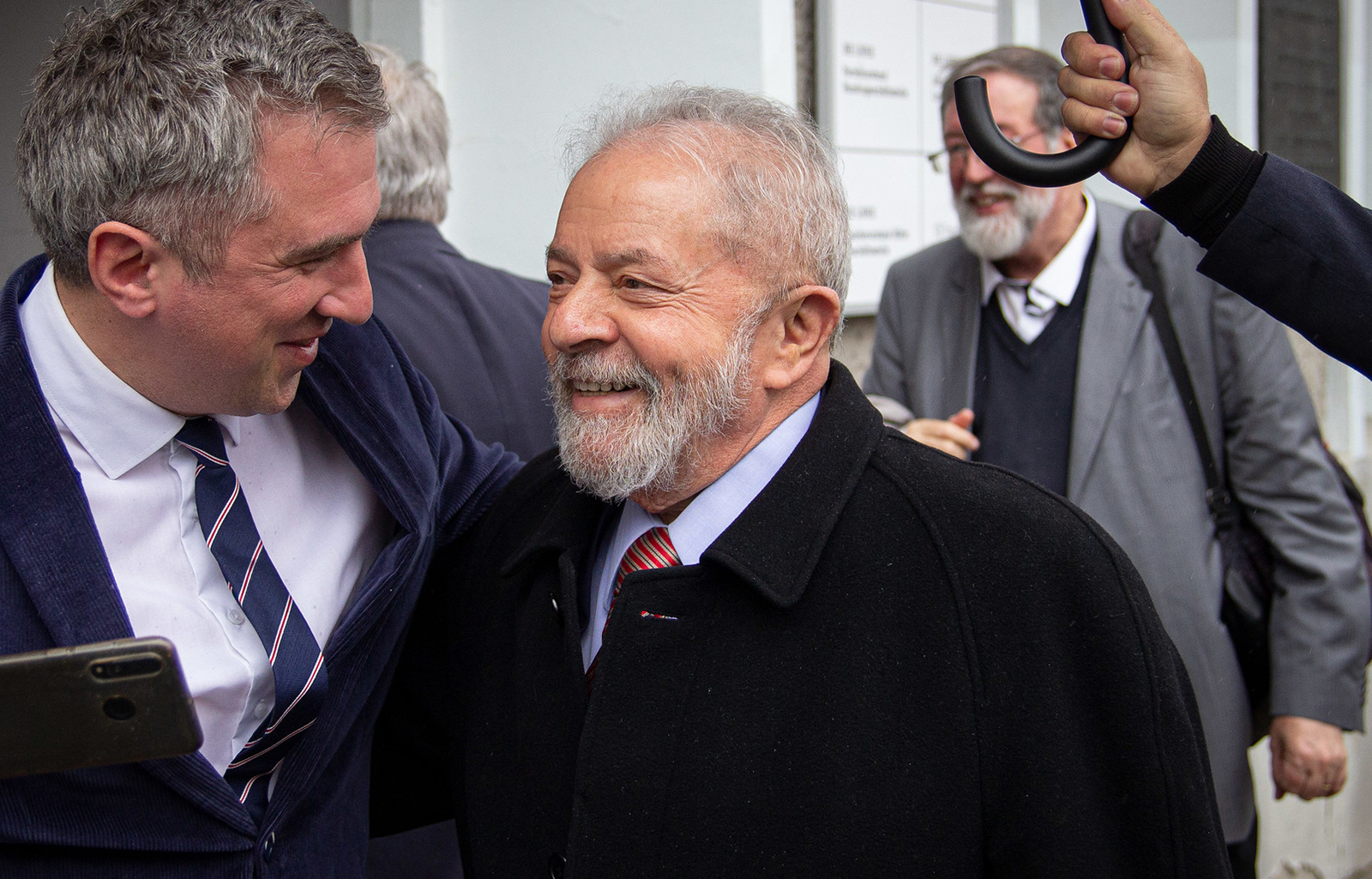
The possibility of Lula running for office in 2022 has already nudged Bolsonaro to change course. Yet, write Larissa Peixoto Gomes and Fernanda Barasuol, although Lula’s candidacy is a likely scenario, it is not guaranteed Read more
Julia Schulte-Cloos
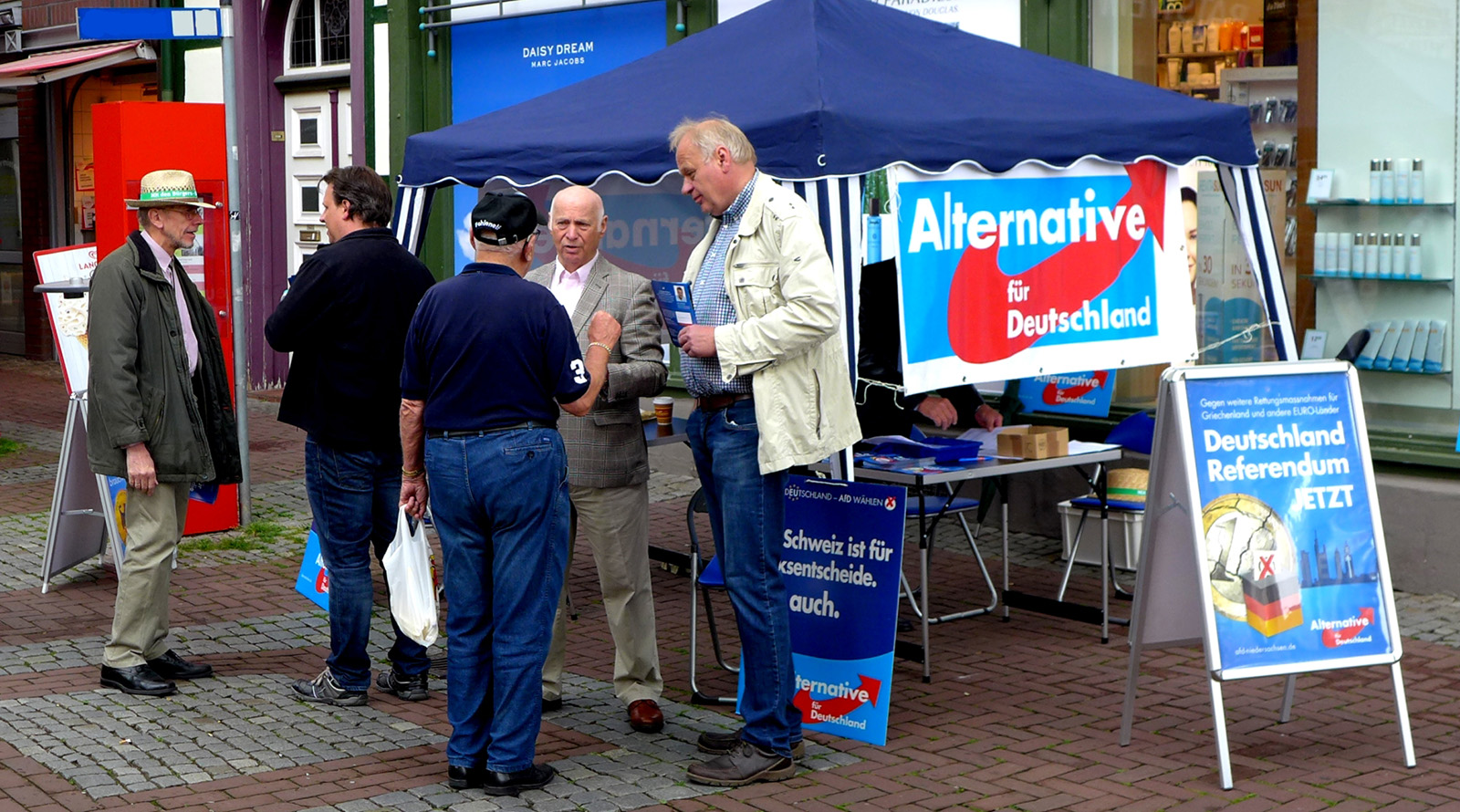
To understand support for right-wing populist parties, we need to analyse not just voters who disengage from established parties, but also those who never voted in the first place, writes Julia Schulte-Cloos Read more
We use cookies to ensure that we give you the best experience on our website. If you continue to use this site we will assume that you are happy with it.