Evelyn De Simone
Evelyn De Simone, Sergio Martini, Federico Russo and Elif Şeyma Şişman find little evidence that Europeans are abandoning democracy. But democratic support often coexists with openness to authoritarian alternatives. This ambivalence is socially structured, with education emerging as the most consistent dividing line Read more
Vera Tika
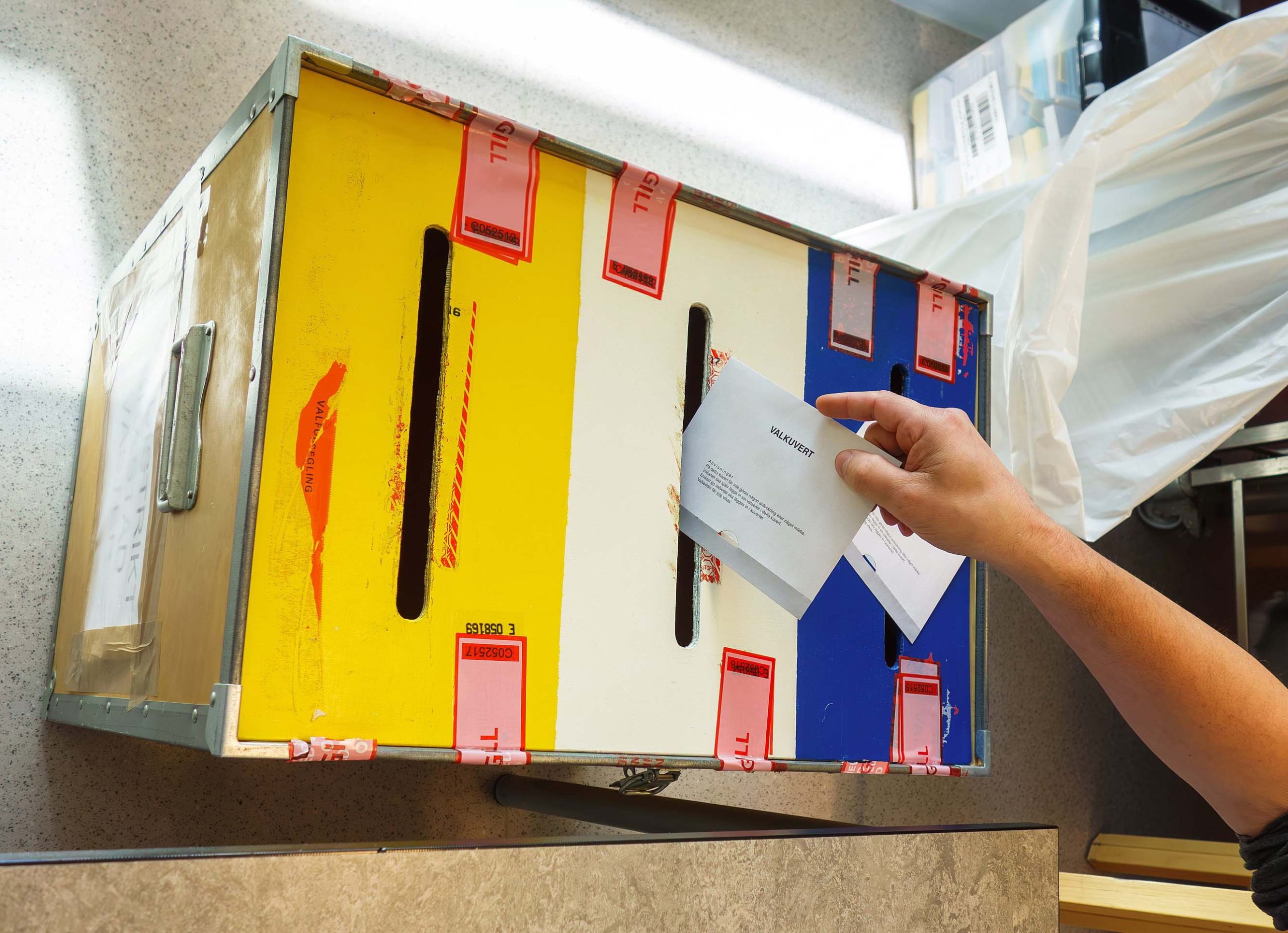
Sweden's election defeated the Tidö bloc and blocked the Sweden Democrats' route into government. Yet the restrictive political settlement they helped construct may endure. Vera Tika argues that far-right normalisation is not automatically reversed by electoral defeat: once institutionalised, illiberal change can acquire a political life of its own Read more
Gulay Icoz
Westminster's voting system is failing, and 193 MPs have demanded change. But democracy's defenders must guard institutional gains and address the grievances on which the far-right feeds. A National Commission, says Gulay Icoz, honours both. Hasty legislation honours neither Read more
Azher Hameed Qamar
In the run-up to Sweden's 2026 election, far-right parties treated the hijab as proof that migrants neither belong nor can be assimilated. Azher Hameed Qamar argues that this debate reveals a democratic tension. Does equality demand sameness? Or does it protect participation despite cultural differences Read more
Haktan Ural
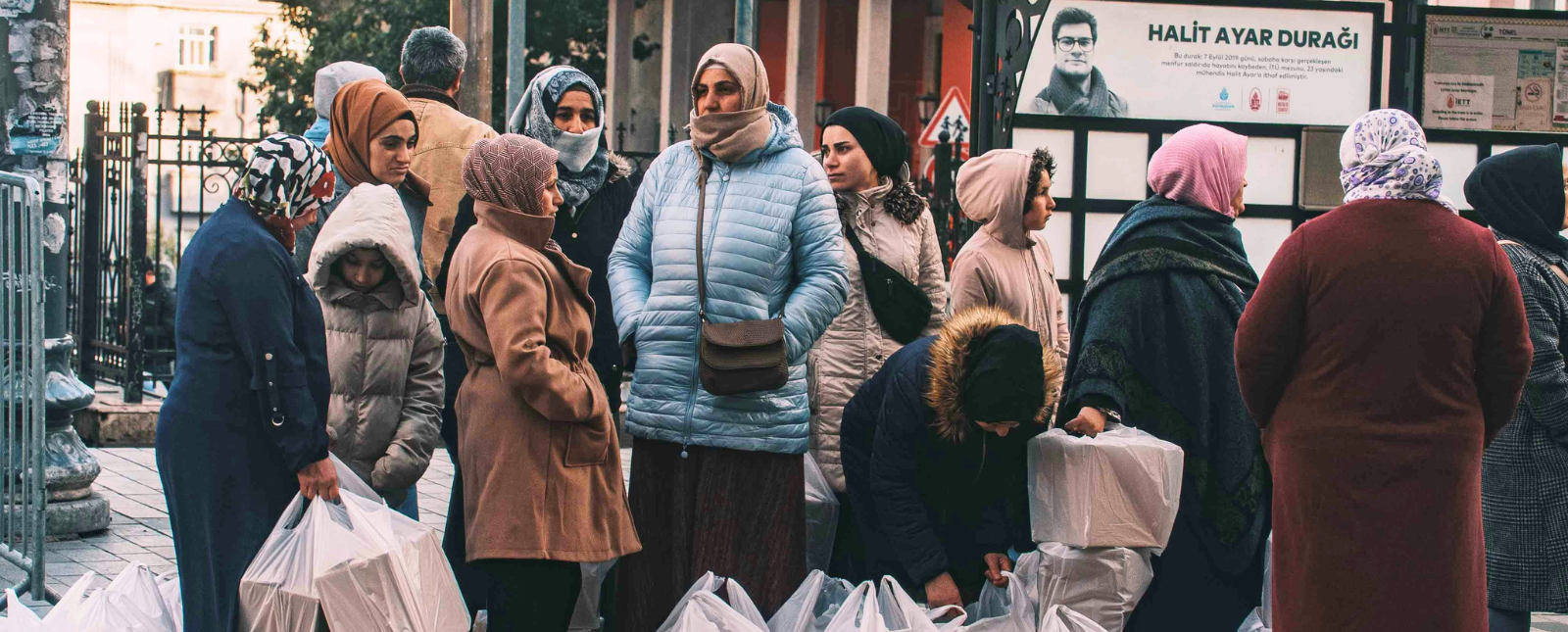
Haktan Ural draws on social media posts from Türkiye's anti-alimony campaigns to show how a currency crash and years of economic insecurity fuelled rage against gender equality. When progressive politics failed to answer economic pain, anti-gender movements stepped in Read more
We use necessary cookies to make our site work. We'd also like to set analytics cookies that help us make improvements by measuring how you use the site. These will be set only if you accept.
▼
Strictly Necessary Cookies
Necessary cookies enable core functionality such as security, network management, and accessibility. You may disable these by changing your browser settings, but this may affect how the website functions.
▼
Analytics Cookies
Google Analytics
We'd like to set Google Analytics cookies to help us improve our website by collecting and reporting information on how you use it. The cookies collect information in a way that does not directly identify anyone. For more information on how these cookies work please see our Privacy Notice.