Nitesh Anchan
Russia justified its invasion of Ukraine mainly on political grounds, but also claimed a cultural reason: the construction of a Eurasian civilisation. To Nitesh Anchan and Priya Vijaykumar Poojary, the Russia-Ukraine war signifies that global politics in the 21st century will be dominated by the rhetoric of the civilisation state Read more
Paul Whiteley
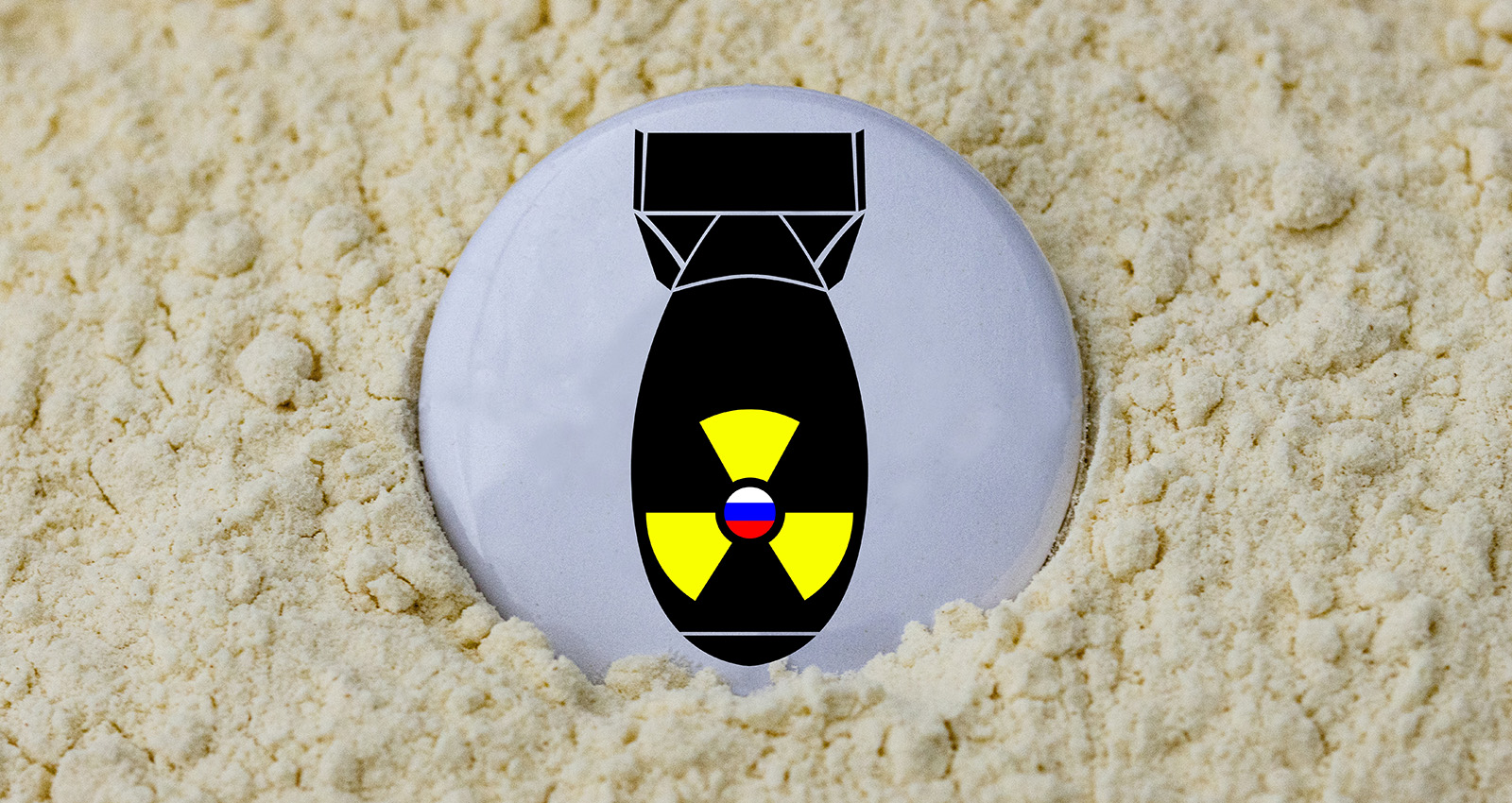
Paul Whiteley, assessing Russia's difficulties and Putin's potential next steps in the offensive against Ukraine, wonders whether it is time for NATO to issue a nuclear guarantee to Ukraine in order to prevent a further escalation of the conflict Read more
Alexandr Burilkov
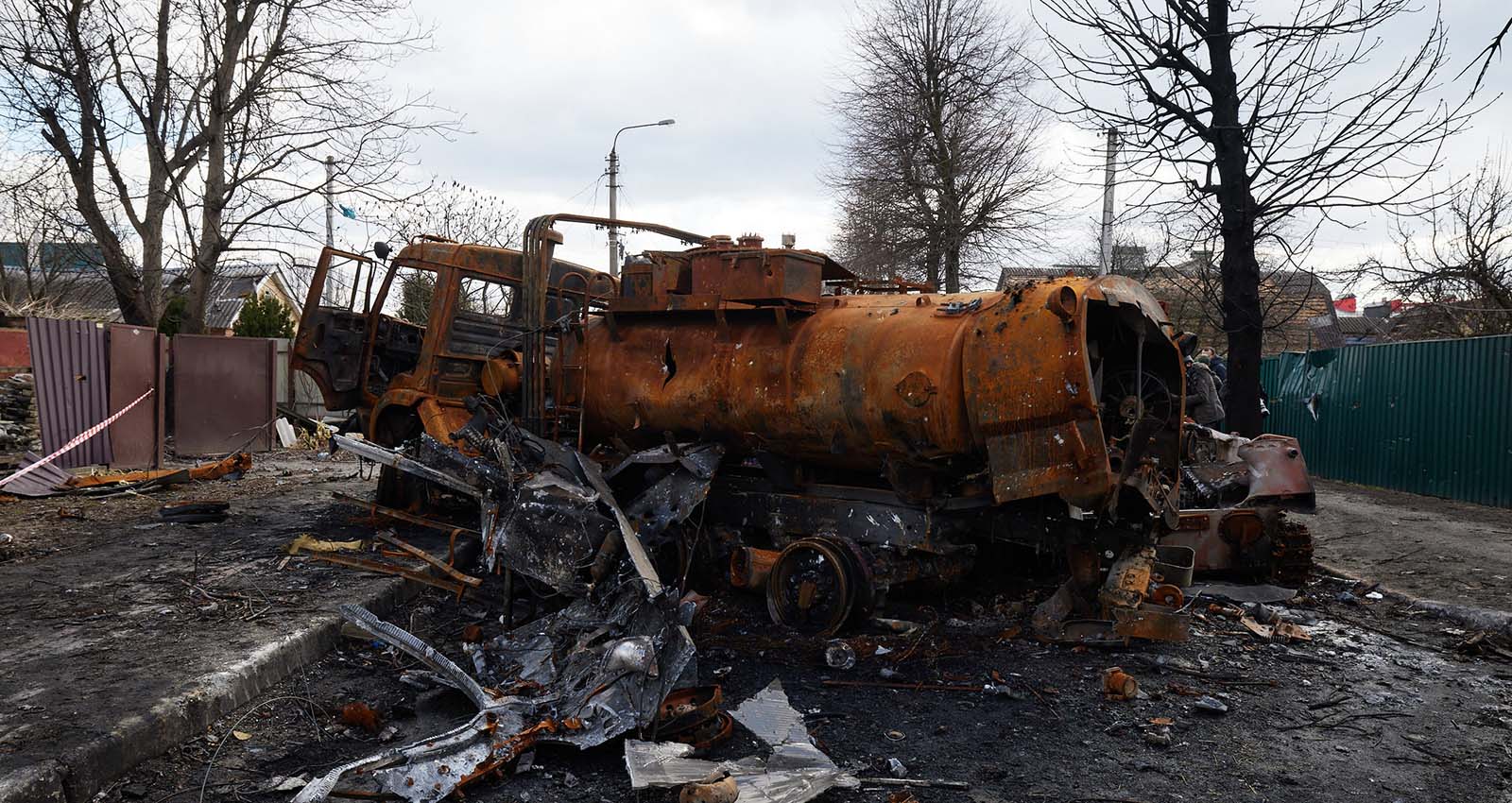
With the Russian invasion of Ukraine reduced to a protracted battle for the Donbas, discontent grows in Russian military and ultranationalist circles. This could lead to the formation of paramilitary groups aiming for a Russia of the revolutionary right, says Alexandr Burilkov Read more
Albrecht Rothacher
he Russian invasion of Ukraine has exposed Russia’s growing dependence on China, argues Albrecht Rothacher. China’s ambitions to displace the US as the main world power contrast vividly with Russia’s long-term stagnation and decline. It's a decline exacerbated by the latest Western economic sanctions Read more
Albrecht Rothacher
Albrecht Rothacher argues that the Russian experience of invading Ukraine has caused China to rethink its militaristic intentions regarding Taiwan. What once might have been perceived as a ‘solution’ to the Taiwanese problem now looks unfeasible in the light of Ukraine’s and the West’s response to Russian aggression Read more
Richard Sakwa
Richard Sakwa argues that the Russian invasion of Ukraine is the culmination of a long period of increasing tensions between Russia and the West. The portents were not only ignored by the West, but misunderstood, and security concerns became part of a broader cultural alienation Read more
Kinga Korányi
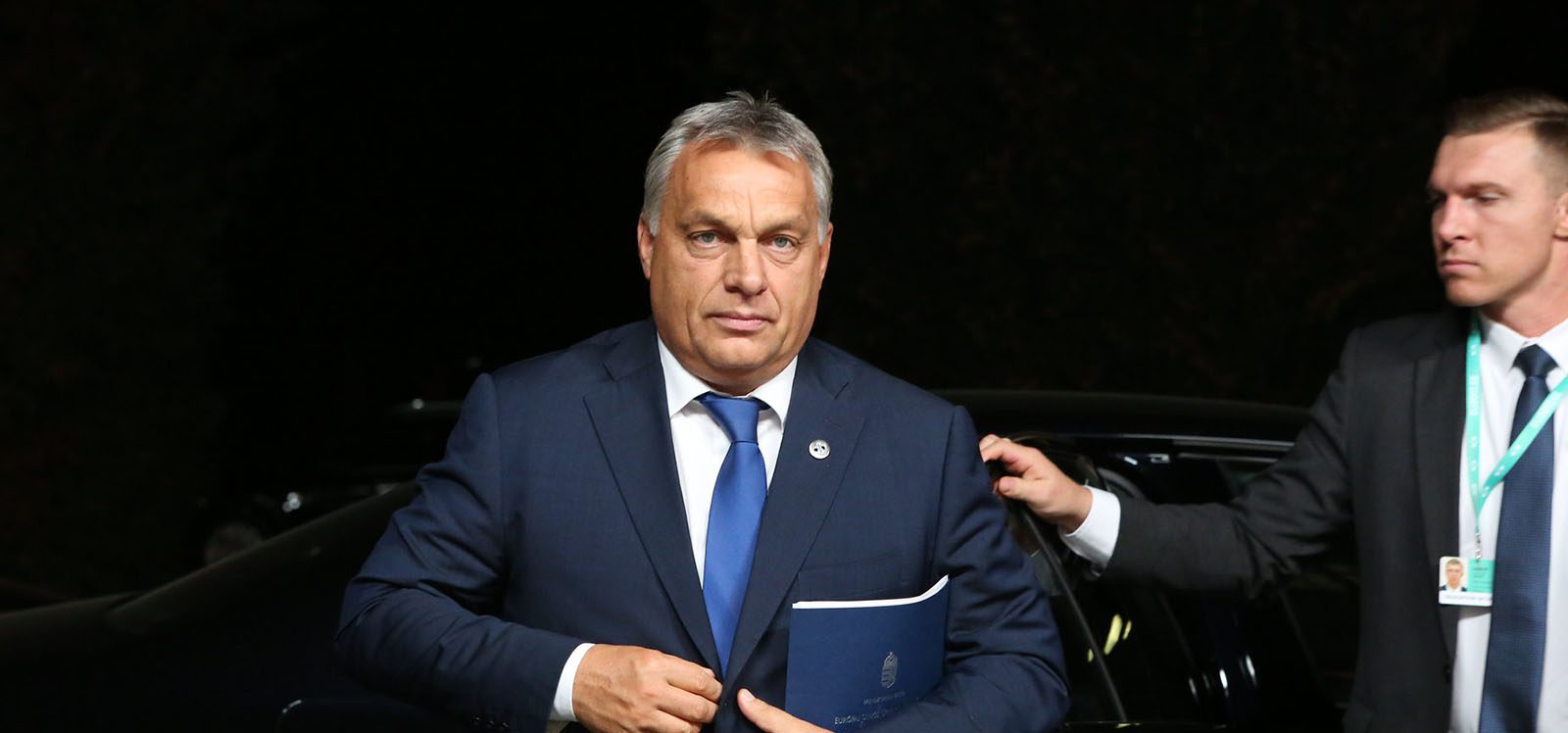
Viktor Orbán has just emerged victorious in the Hungarian national election of 3 April, despite his pro-Russian stance and friendship with Vladimir Putin, which had been expected to tarnish his party Fidesz’s popularity. Kinga Koranyi argues that Fidesz managed to turn its response to the war in Ukraine into a successful campaign tool Read more
Consuelo Thiers
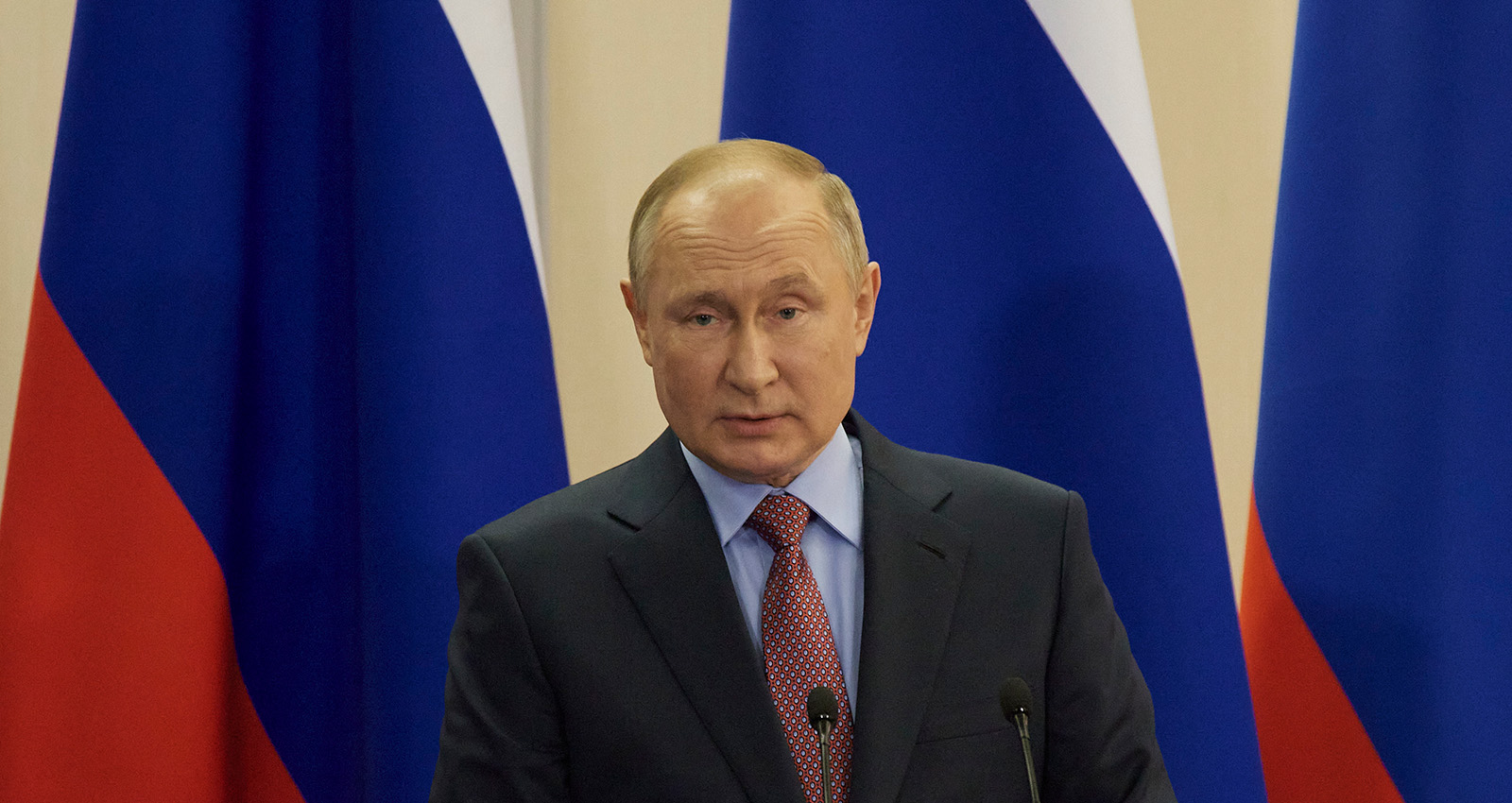
Understanding political leaders' psychology is crucial to making sense of foreign policy decision-making processes. Consuelo Thiers highlights Putin's change of beliefs as a key factor in explaining his decision to wage war against Ukraine Read more
We use necessary cookies to make our site work. We'd also like to set analytics cookies that help us make improvements by measuring how you use the site. These will be set only if you accept.
▼
Strictly Necessary Cookies
Necessary cookies enable core functionality such as security, network management, and accessibility. You may disable these by changing your browser settings, but this may affect how the website functions.
▼
Analytics Cookies
Google Analytics
We'd like to set Google Analytics cookies to help us improve our website by collecting and reporting information on how you use it. The cookies collect information in a way that does not directly identify anyone. For more information on how these cookies work please see our Privacy Notice.