Gabriela Patricia García García
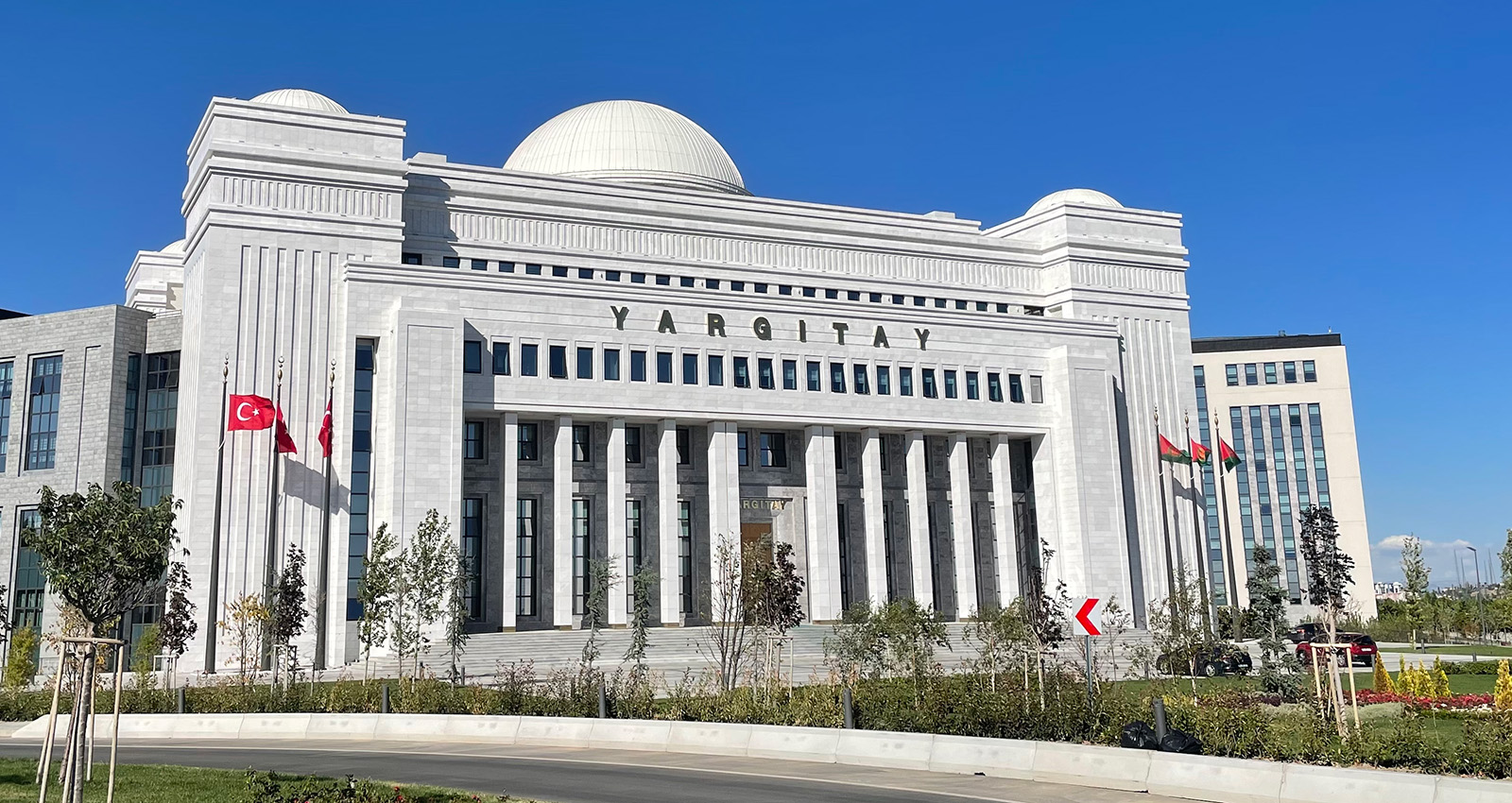
Human rights organisations in Turkey face a predicament. In using the law to confront human rights violations by the government, they then experience those violations themselves. Legal mobilisation against democratic backsliding has its limits, argues Gabriela García García Read more
Cindy Regnier
Renewed tensions between Russia and the West amid war in Ukraine have focused attention on the ‘Suwałki gap’. According to Cindy Regnier, this corridor along the Lithuanian-Polish border has been increasingly securitised. Still, any attempt to seize control over it would gain the Russians little Read more
Valentina Ausserladscheider
Germany's recently announced increase in defence spending reflects a broader European shift in response to the war in Ukraine. Using the concept of path dependency, Valentina Ausserladscheider believes that this shift breaks with the founding idea of peace in the European Union Read more
Steven Langendonk
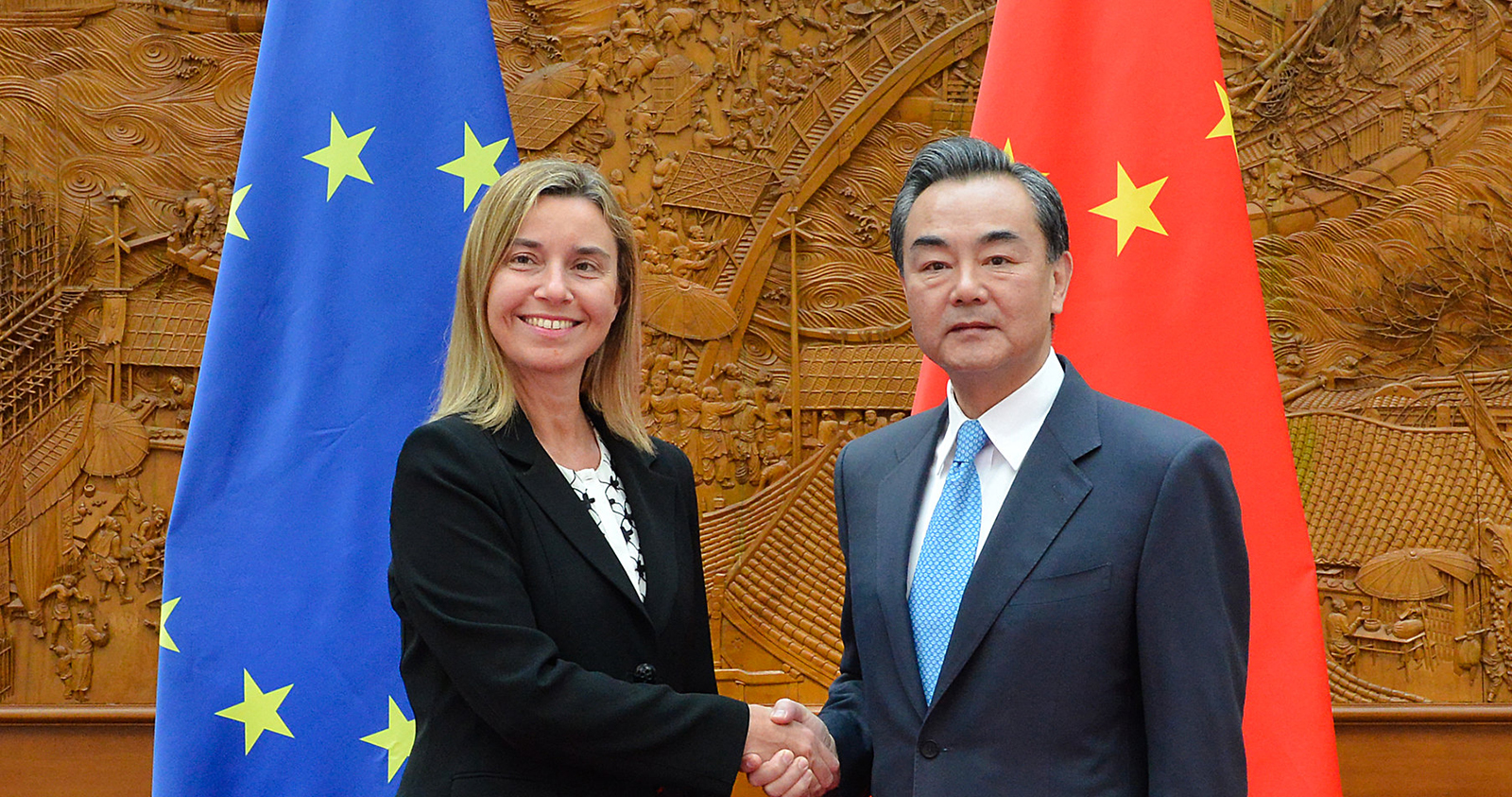
Steven Langendonk contests the idea that Brussels’ new China strategy is indicative of greater agency. Instead, he says, the EU-China relationship is firmly grounded in internal struggles. The pressure is on to manipulate member states' sentiments and to provide a new political narrative for a changing relationship. Read more
Xuechen Chen
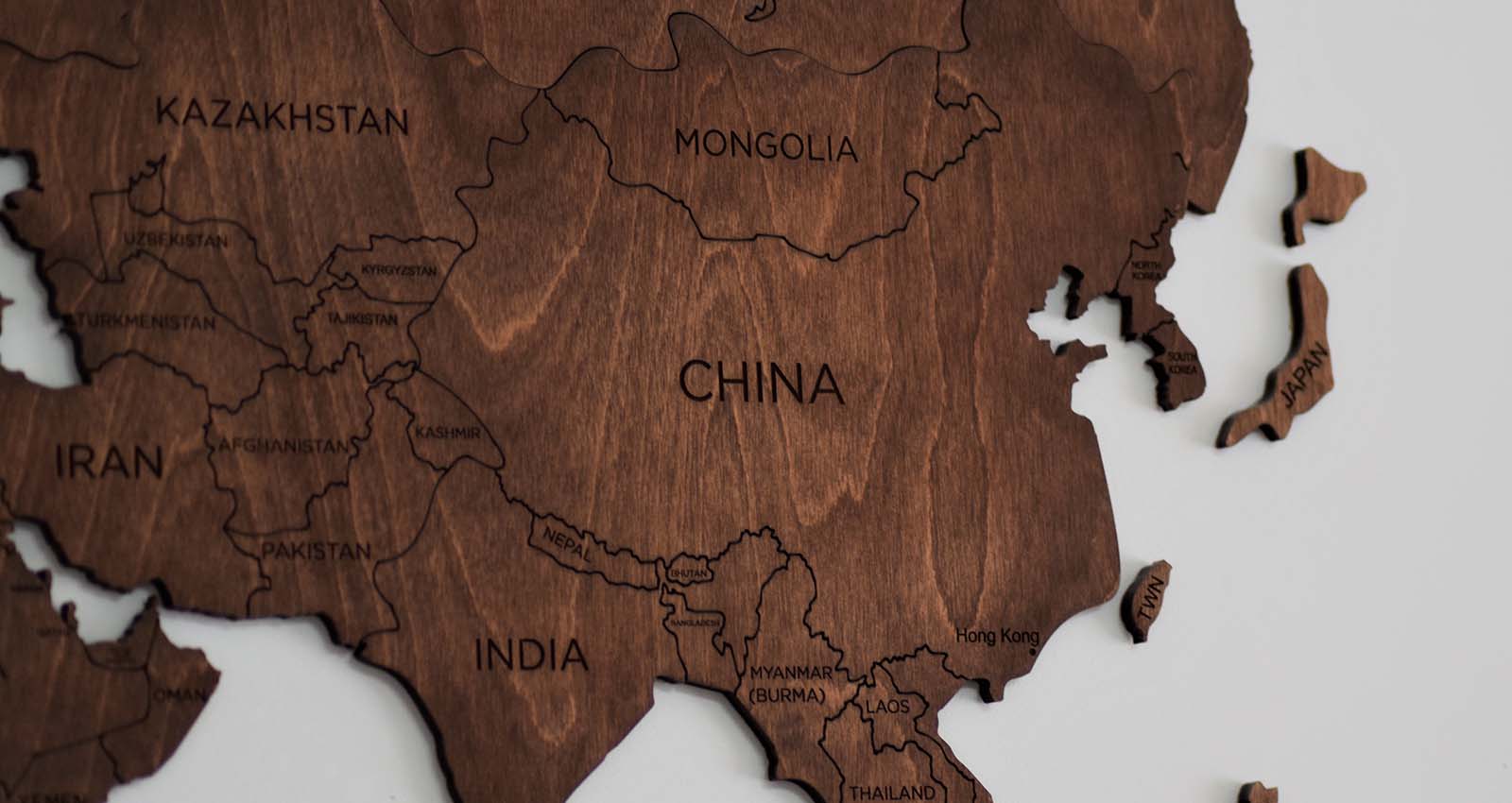
Xuechen Chen and Xinchuchu Gao argue that the EU’s decision to securitise China lies behind the recent deterioration in EU-China relations. Yet divergent views among member states are hampering EU policy, resulting in incoherent and inconsistent implementation at national levels Read more
Gabriella Gricius
States face not just threats to their physical security, but also to their sense of self and biographical continuity. This is what we call securitisation. Understanding the process of securitisation can uncover taken-for-granted colonial and imperial influences that would otherwise remain hidden, writes Gabriella Gricius Read more
Dionysios Stivas
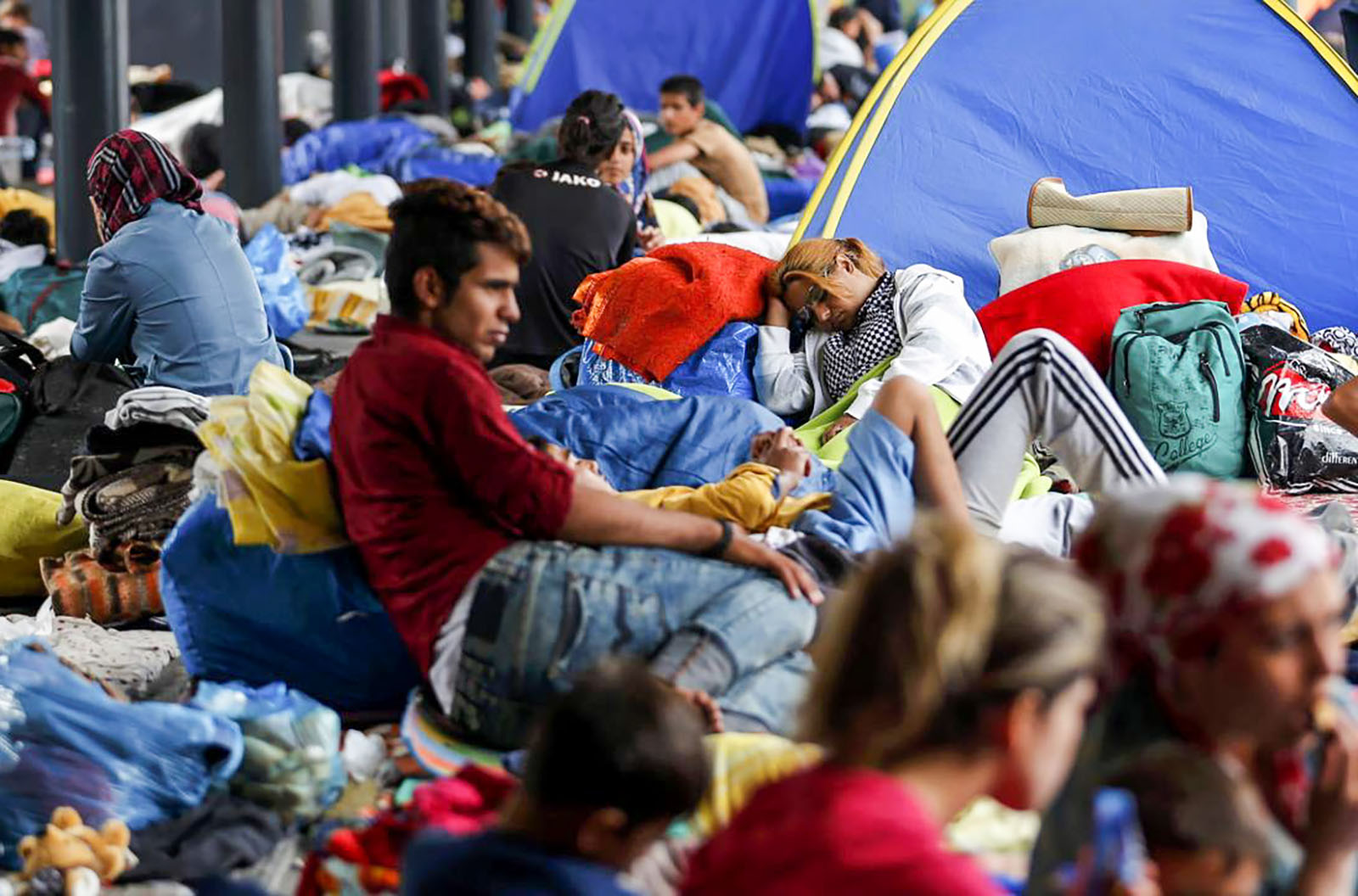
‘Securitising’ an alleged external threat can be a convenient tool for political leaders to justify extreme measures and policies. Dionysios Stivas looks at the case of Hungarian Prime Minister Viktor Orbán’s handling of asylum seekers in 2015 Read more
The Loop
Cutting-edge analysis showcasing the work of the political science discipline at its best.
We use necessary cookies to make our site work. We'd also like to set analytics cookies that help us make improvements by measuring how you use the site. These will be set only if you accept.
▼
Strictly Necessary Cookies
Necessary cookies enable core functionality such as security, network management, and accessibility. You may disable these by changing your browser settings, but this may affect how the website functions.
▼
Analytics Cookies
Google Analytics
We'd like to set Google Analytics cookies to help us improve our website by collecting and reporting information on how you use it. The cookies collect information in a way that does not directly identify anyone. For more information on how these cookies work please see our Privacy Notice.