Dennis Shen
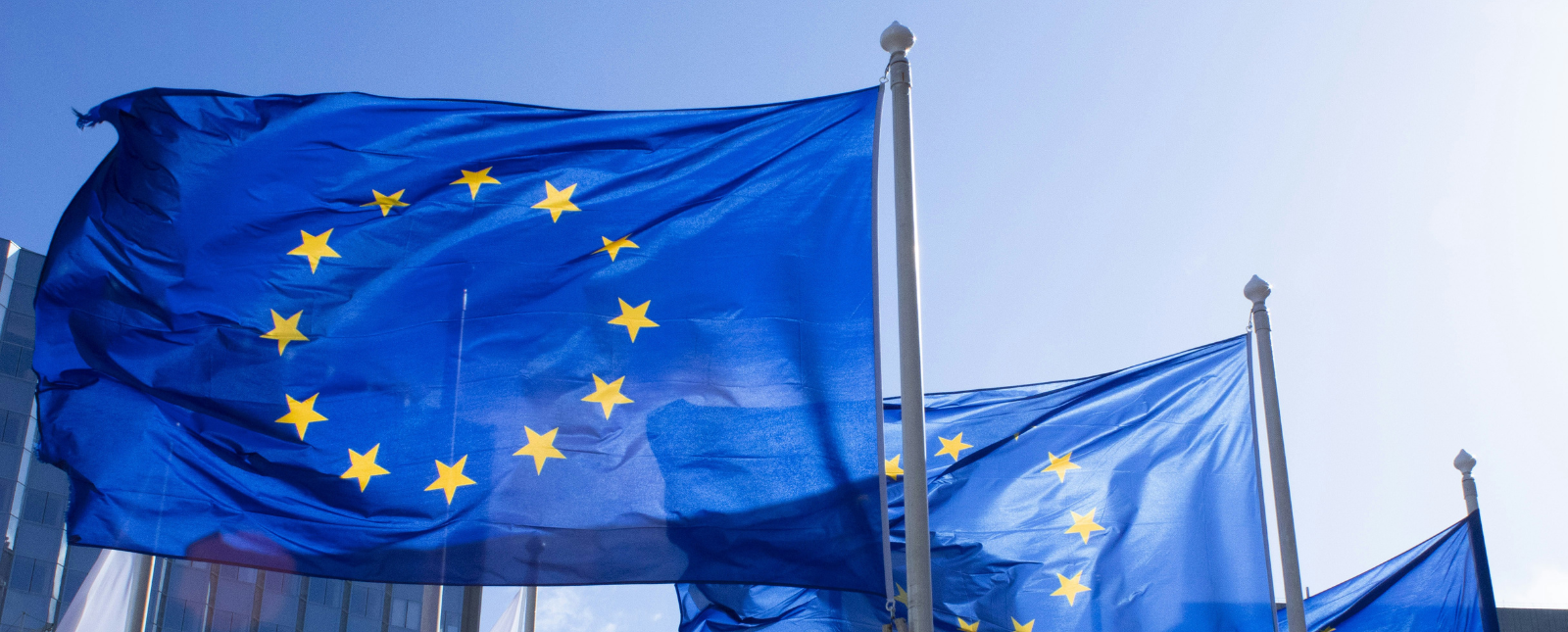
For decades, Europe prospered under American security guarantees, open trade and cheap external imports. That world is disappearing. Faced with a more antagonistic United States, a rising China and global geopolitical competition, Dennis Shen says the EU must either become a strategic power in its own right – or risk longer-term decline Read more
Taylan Utku Düzgün
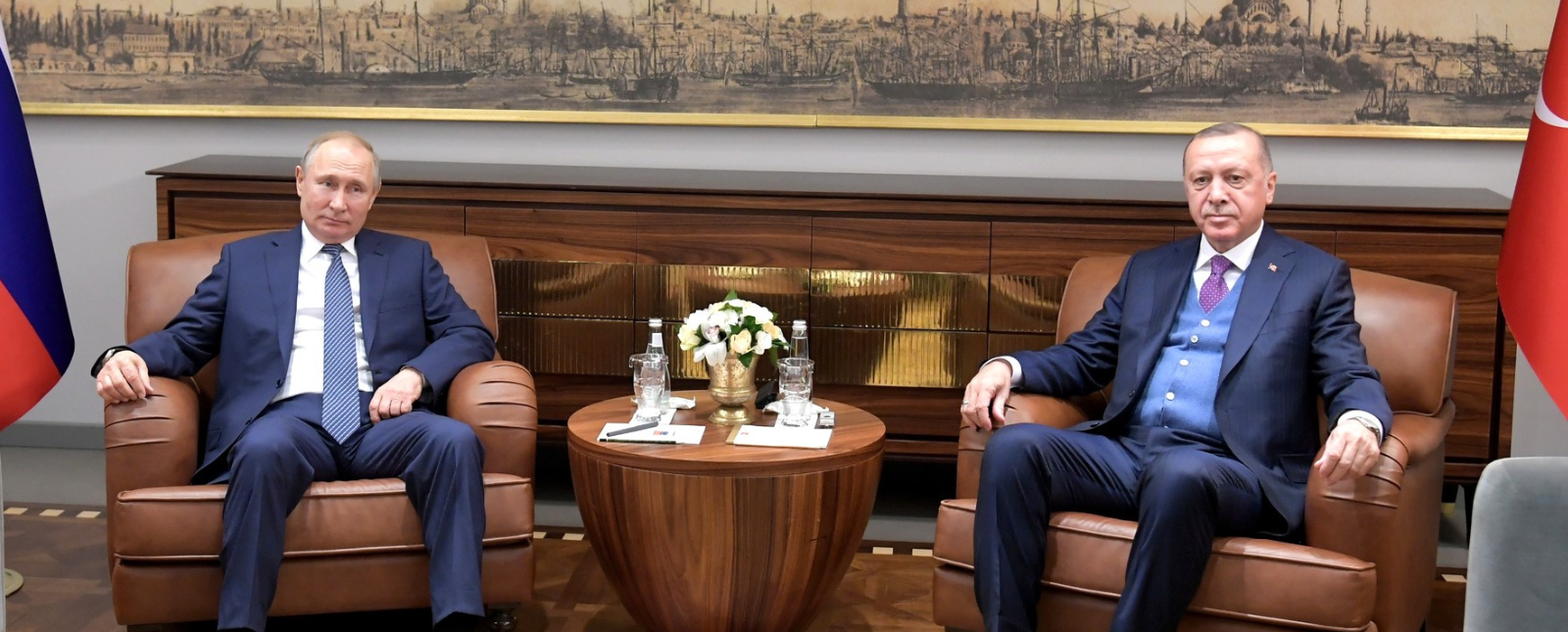
Taylan Düzgün argues that Turkish–Russian coordination in Syria has never reflected a true strategic alliance. Instead, both sides have developed limited forms of cooperation to contain escalation while pursuing fundamentally incompatible goals. The Syrian conflict shows how rivalry and coordination increasingly coexist in contemporary international politics Read more
Murat Aktaş
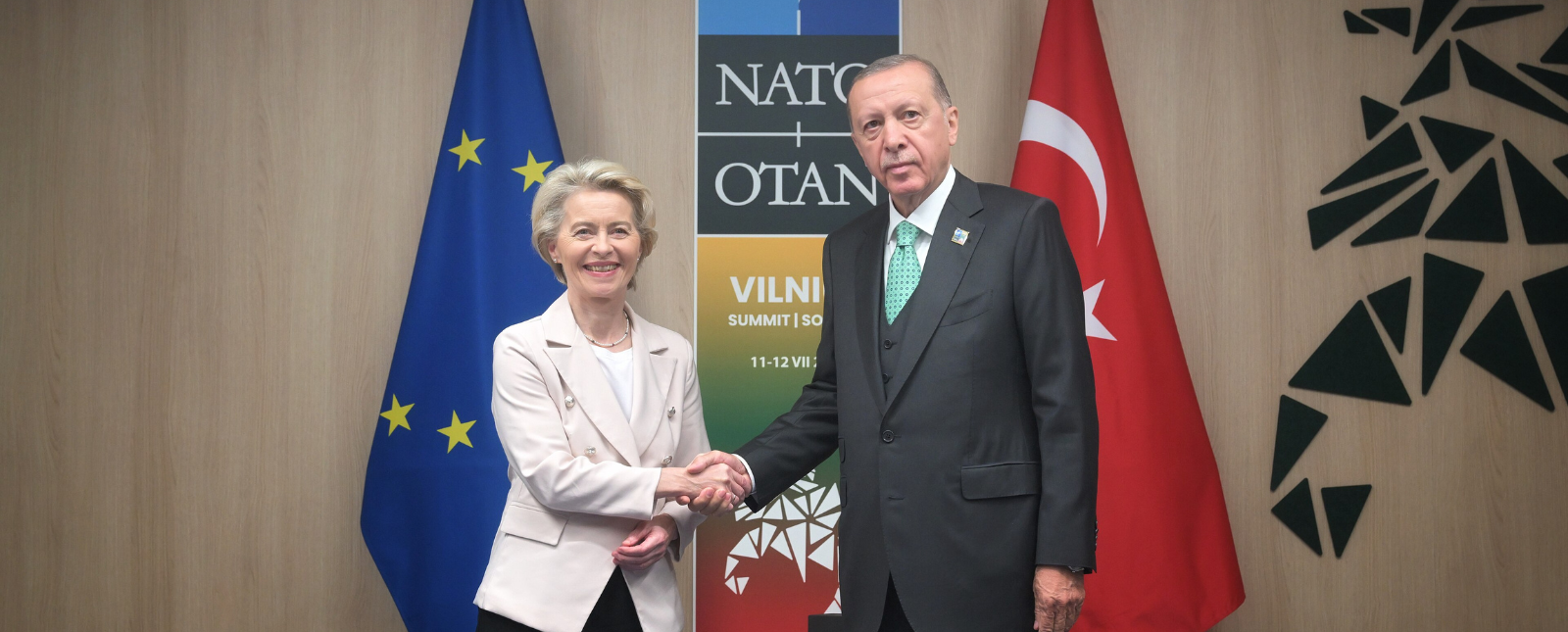
Ursula von der Leyen’s move to group Türkiye with Russia and China jeopardises the EU’s new security architecture. Murat Aktaş warns that treating an official EU candidate and ally as an 'excluded partner' is a strategic miscalculation. This deepening crack between rhetoric and reality creates an ontological crisis, threatening the credibility of the enlargement policy Read more
Marta Kołczyńska
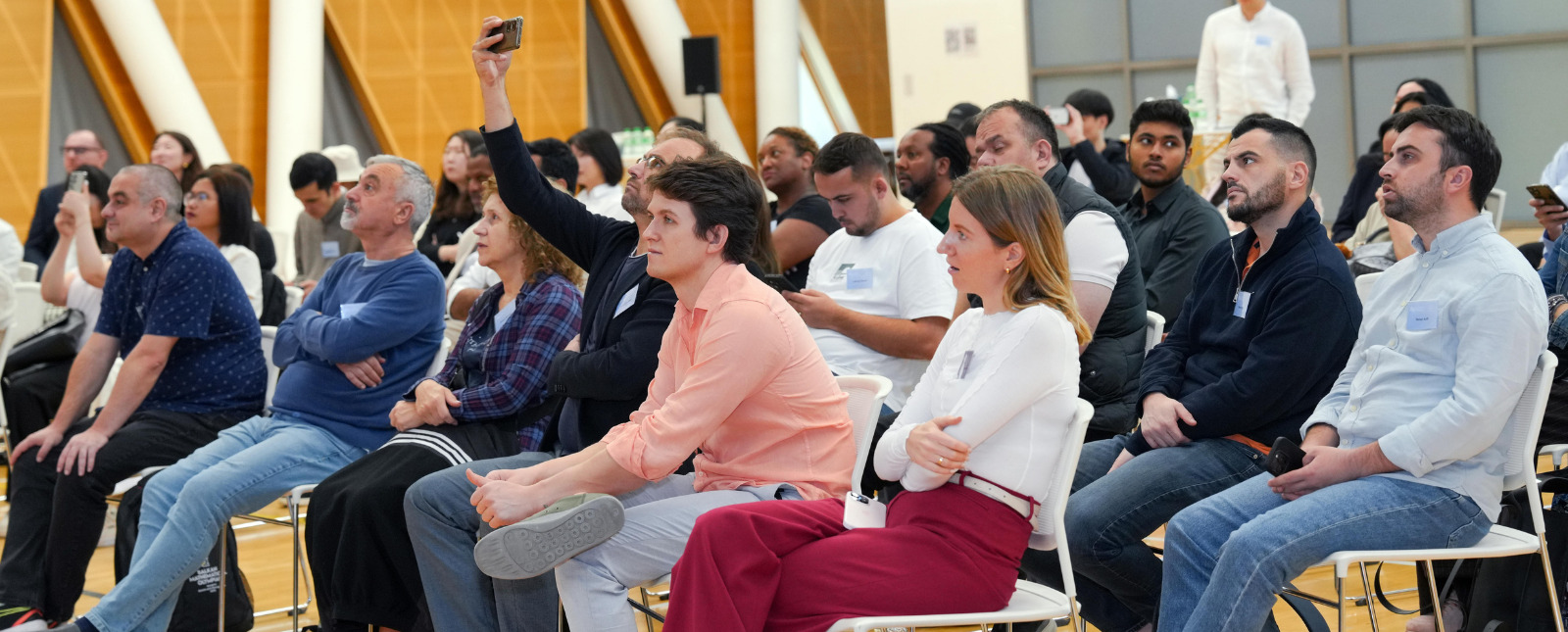
Political trust can shape the trajectory of democracy writes Marta Kołczyńska, but its effects are conditional, uneven, and increases in trust may sometimes even be conducive to democratic decline rather than renewal Read more
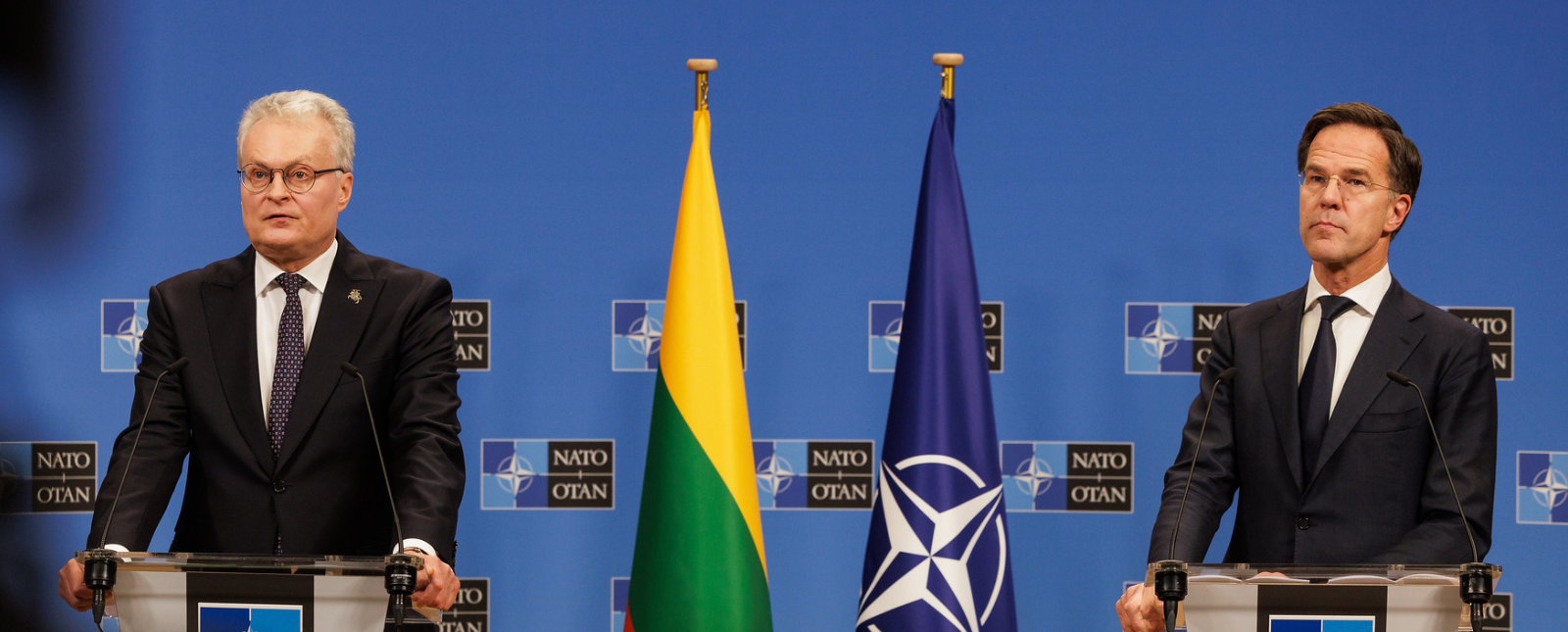
Roza Roovers
On 28 January 2026, Roza Roovers, Hassan Naderi Far and Gigi Maria Massaro spoke with Lithuanian security expert Margarita Šešelgytė. With global power balance in flux, Šešelgytė suggests that many traditional assumptions in international relations theory no longer explain today’s security environment Read more
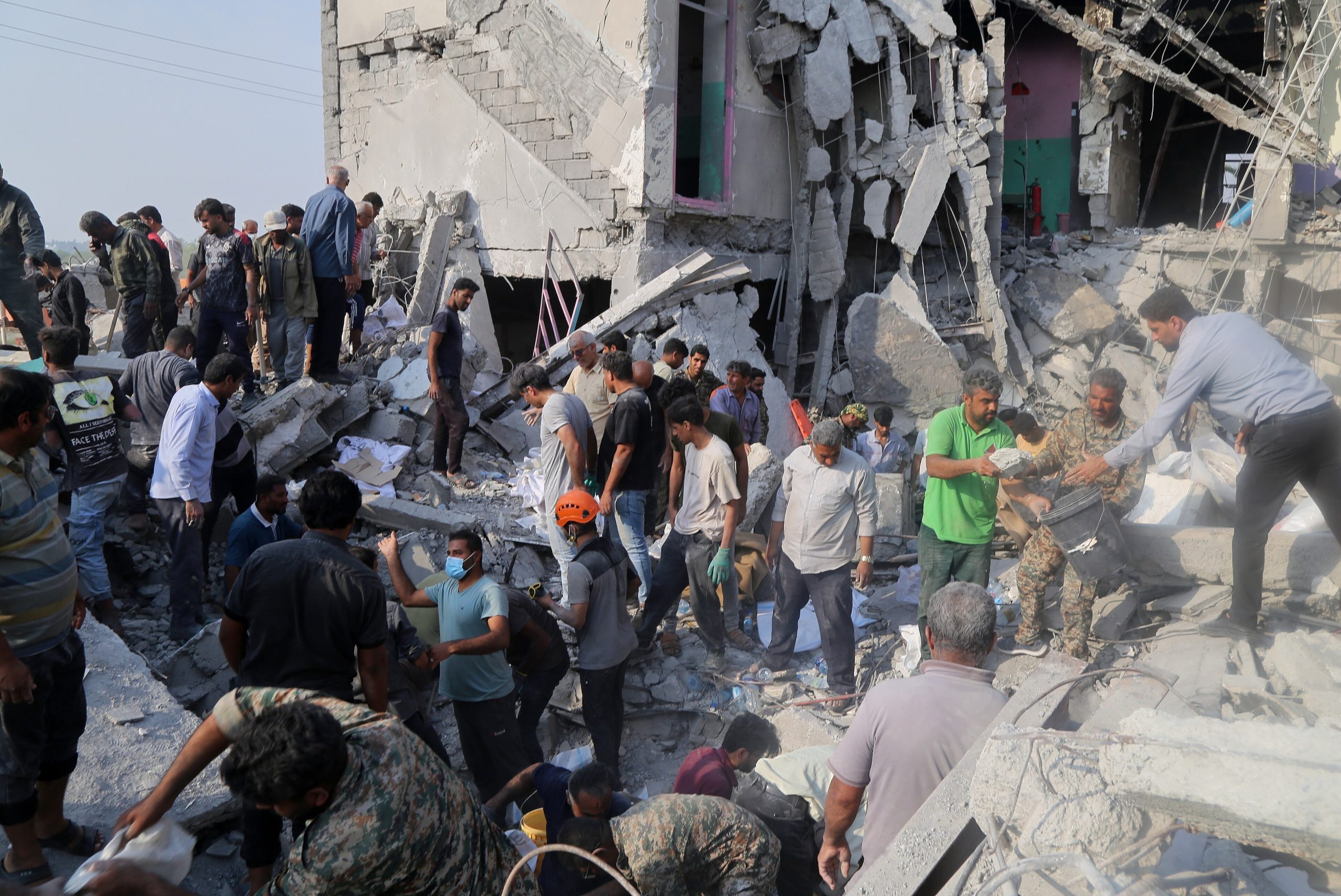
Shamsoddin Shariati
Europe’s support for the US-Israeli war on Iran, in the hope of securing American backing for Ukraine, is a strategic mistake, argues Shamsoddin Shariati. Rather than buying goodwill in Washington, European leaders are undermining their own security, credibility, and strategic autonomy Read more
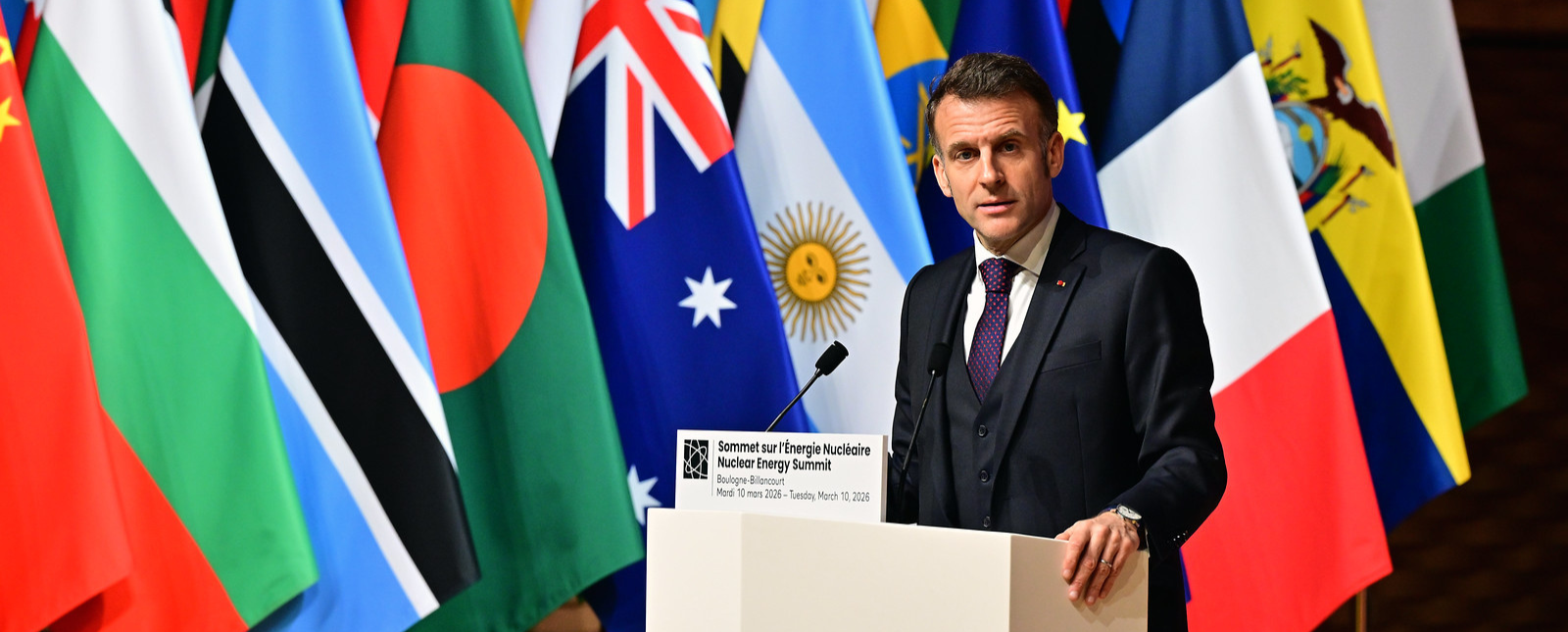
Olamide Samuel
France’s new nuclear posture and Russia’s nuclear build-up in Belarus have made Europe feel vulnerable. But, argues Olamide Samuel, stronger nuclear rhetoric will not make Europe safer or more independent. Europe’s real task is to rebuild arms control, consultation, and dialogue before nuclear danger becomes harder to contain Read more
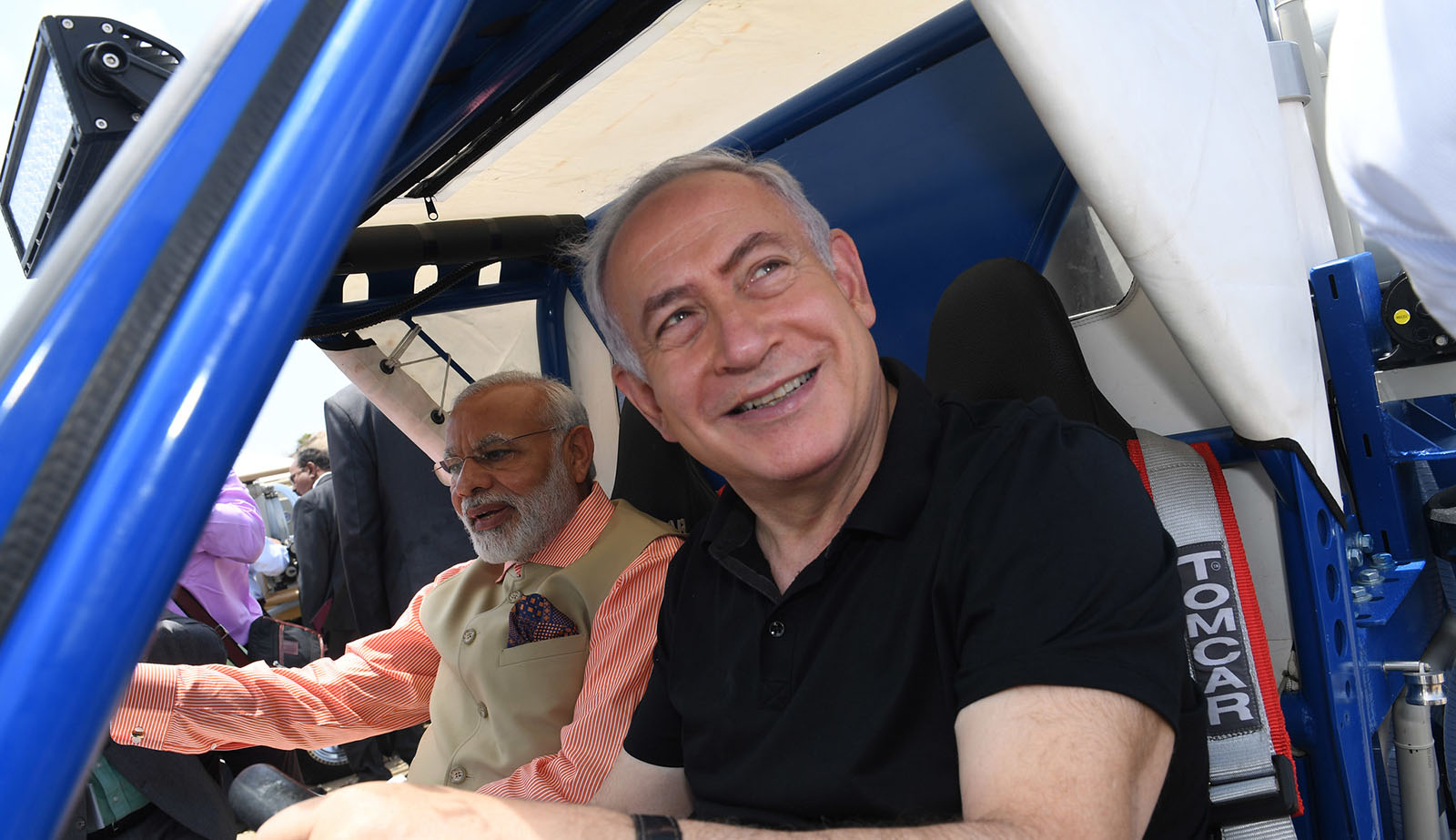
Sonia Sarkar
India sits precariously in this US-Israel-led war against its old regional partner Iran. This, says Sonia Sarkar, is because of Hindu supremacist Prime Minister Narendra Modi’s proximity to Israel's leader Benjamin Netanyahu Read more
We use necessary cookies to make our site work. We'd also like to set analytics cookies that help us make improvements by measuring how you use the site. These will be set only if you accept.
▼
Strictly Necessary Cookies
Necessary cookies enable core functionality such as security, network management, and accessibility. You may disable these by changing your browser settings, but this may affect how the website functions.
▼
Analytics Cookies
Google Analytics
We'd like to set Google Analytics cookies to help us improve our website by collecting and reporting information on how you use it. The cookies collect information in a way that does not directly identify anyone. For more information on how these cookies work please see our Privacy Notice.