Grant Dawson
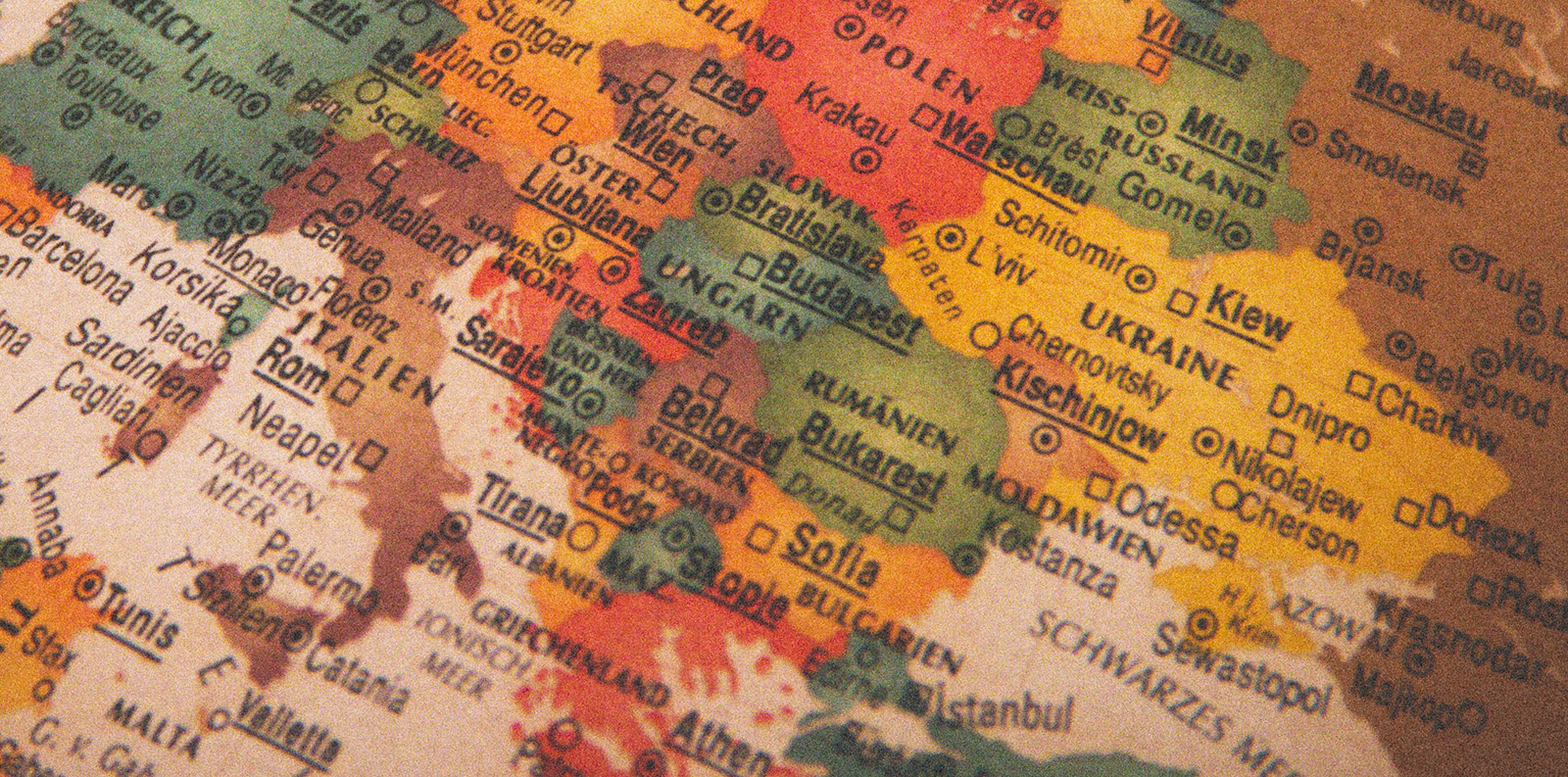
Grant Dawson and Nicholas Ross Smith argue that the West’s sweeping sanctions, isolation of Russia and passive-aggressive military support for Ukraine is fundamentally misguided. The problem with the US-led response is that it ignores – in fact, exacerbates – the deep-rooted ontological security concerns behind Russian President Vladimir Putin’s invasion Read more
Paul Whiteley
Putin is staking everything on his conviction that the west won’t press the nuclear button, says Paul Whiteley. Sanctions will have little short-term impact, and a no-fly zone is of limited use when the major threat comes from ground-based artillery. Is it time for NATO to change tack, and go ‘all in’ against the dictator? Read more
Ian Budge
The climate catastrophe has been forgotten, Ian Budge argues, as NATO extends itself up to the Russian border. Stopping Russia destroying its natural environment should be the real imperative for the West. Recognising this would soften both sides’ aggressive reactions and ease the way to an equable settlement over Ukraine. Read more
Albrecht Rothacher
Albrecht Rothacher argues that Putin’s power play over Ukraine, while being driven by the West’s current weakness, serves neither Russia or the West. The two sides should, instead, lower tensions and address together several long-standing issues at the heart of current international instability Read more
Ziya Öniş
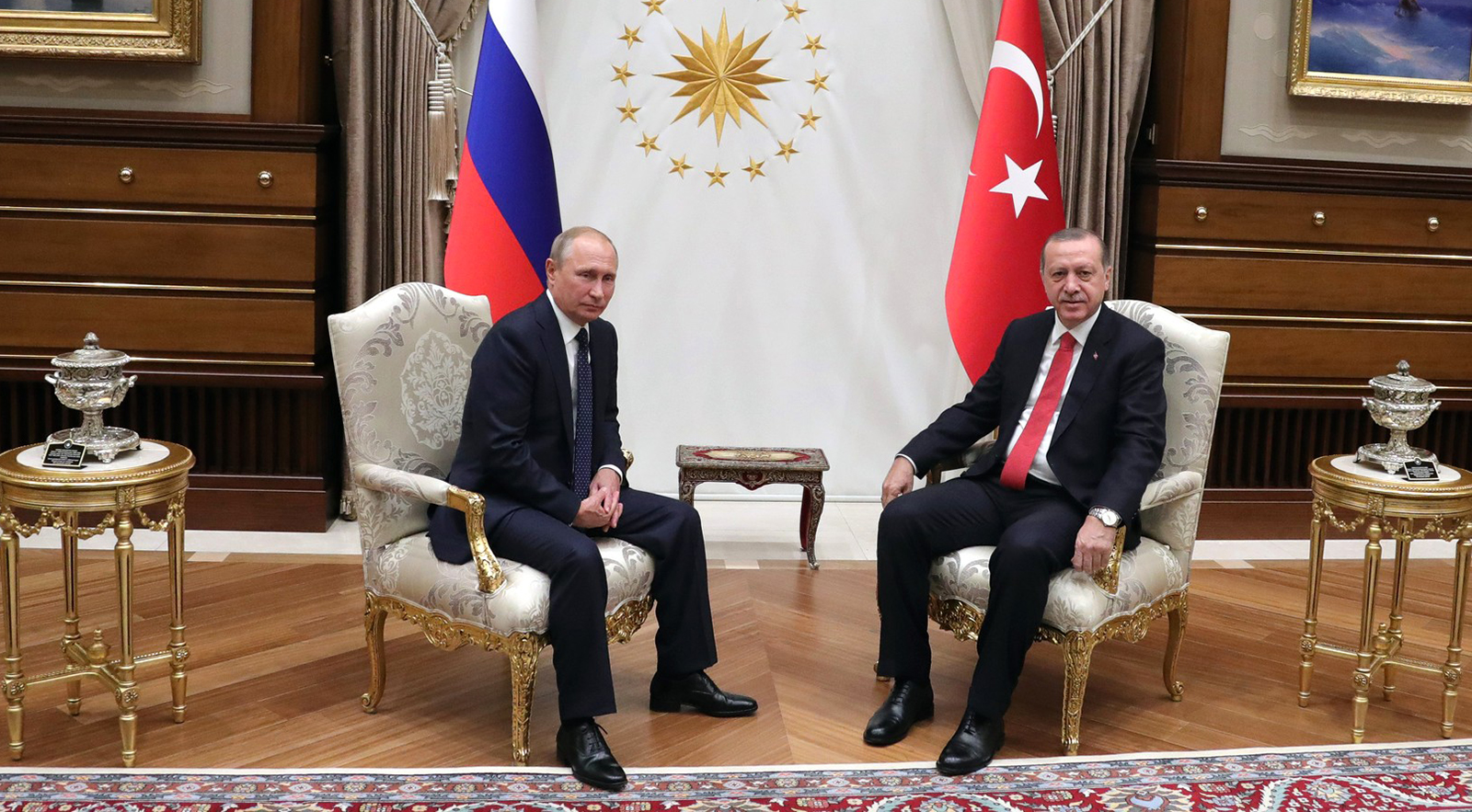
In recent years, Turkish foreign policy has oscillated between traditional alignments with the West, and a new Eastern orientation. Partnerships with Russia and China are becoming increasingly important, write Ziya Öniş and Mustafa Kutlay. Yet Turkey must be firmly anchored to the club of democratic states to regain its benign regional and global role Read more
Vassilis Petsinis
Euroscepticism manifests itself in different ways in the Balkans. Why? Vassilis Petsinis argues that grasping the differences between attitudes in different Balkan nations helps explain Serbia’s long and complex EU accession process Read more
Alexander Dukalskis
Authoritarian states deliberately use a number of tools to manage their image internationally, writes Alexander Dukalskis. Creating positive news, distracting and silencing critique, and shaping elite opinion help make the world safer for dictatorships Read more
Aliaksei Kazharski
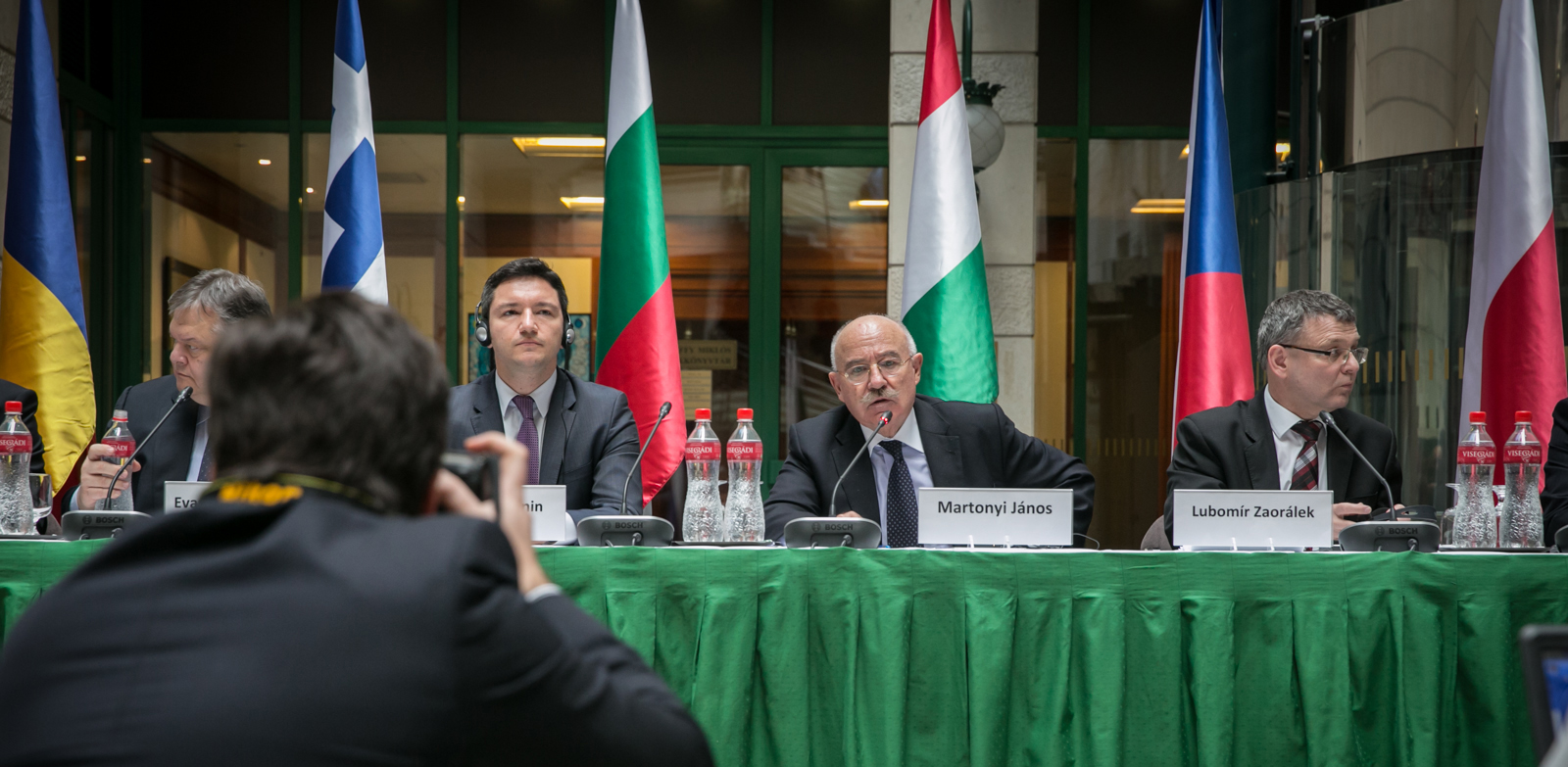
Following the end of the Cold War, the Visegrád 4 of Hungary, Poland, Czechia and Slovakia embarked on a 'return to the West'. These countries, writes Aliaksei Kazharski, are hardly beacons of democracy. But could they anchor Europeanisation and democratic change in East-Central Europe? Read more
We use cookies to ensure that we give you the best experience on our website. If you continue to use this site we will assume that you are happy with it.