Iren Marinova
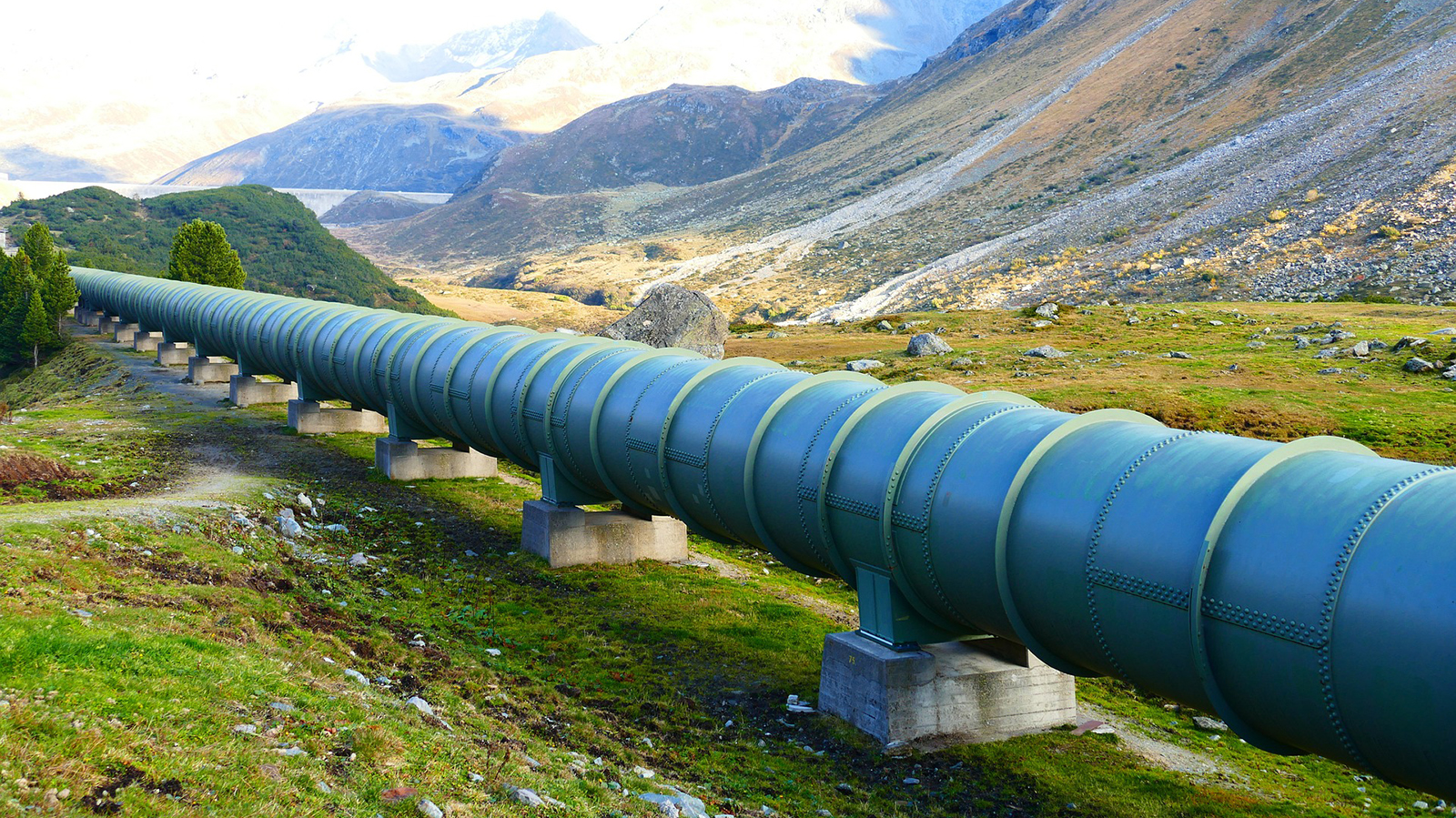
The European Union is facing a multidimensional crisis that could exacerbate exiting intra-EU divisions and power asymmetries. The looming energy supply crunch, impending recession, and rising inflation could have a serious negative impact on the EU as it struggles to adapt to a changing world and region, writes Iren Marinova Read more
Ivaylo Dinev
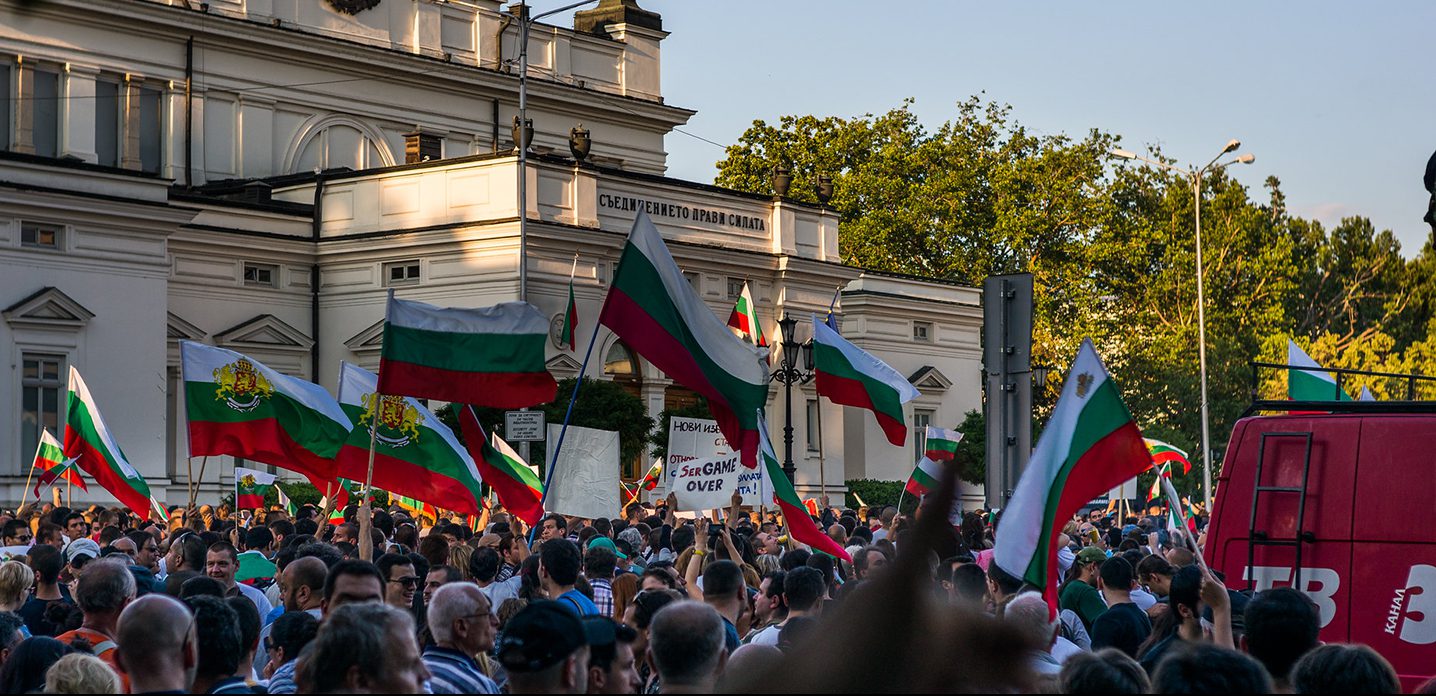
More than one-third of all protest events in Bulgaria and Slovenia since the Great Recession were class-based. Workers’ mobilisations show durability, contends Ivaylo Dinev, though differences between sectors continue to exist Read more
Damian Raess
Surprisingly, left governments adopted more conservative fiscal policies than right governments in recent economic crises. Governments did not choose these policies freely; rather, the financial markets imposed them. Nonetheless, argues Damian Raess, they appear to have dire electoral consequences: left-leaning voters are increasingly voting with their feet Read more
Martino Comelli
You might think the US would be world champion of household debt, yet the highest private indebtment has always been in the Nordic countries, where inclusive welfare makes debt into an investment. But debt takes on different forms, writes Martino Comelli, and gerontocratic welfare and consumer credit is a burden for those in other nations Read more
Anna Guildea
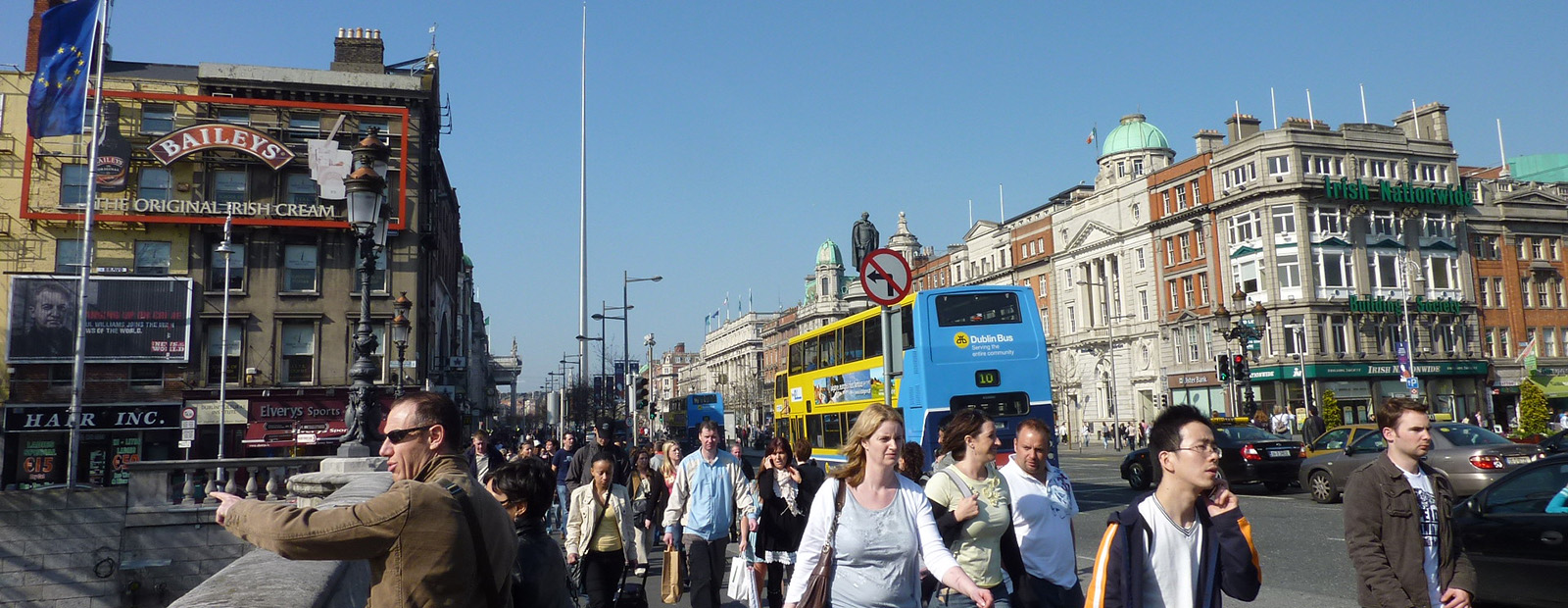
There is a national radical right populist presence in almost every Western democracy, but not in Ireland, despite all the amenable conditions for its emergence. Why? Anna Guildea argues that the answer may lie in Ireland’s industrial history Read more
The Loop
Cutting-edge analysis showcasing the work of the political science discipline at its best.
We use necessary cookies to make our site work. We'd also like to set analytics cookies that help us make improvements by measuring how you use the site. These will be set only if you accept.
▼
Strictly Necessary Cookies
Necessary cookies enable core functionality such as security, network management, and accessibility. You may disable these by changing your browser settings, but this may affect how the website functions.
▼
Analytics Cookies
Google Analytics
We'd like to set Google Analytics cookies to help us improve our website by collecting and reporting information on how you use it. The cookies collect information in a way that does not directly identify anyone. For more information on how these cookies work please see our Privacy Notice.