Stefanie Reher
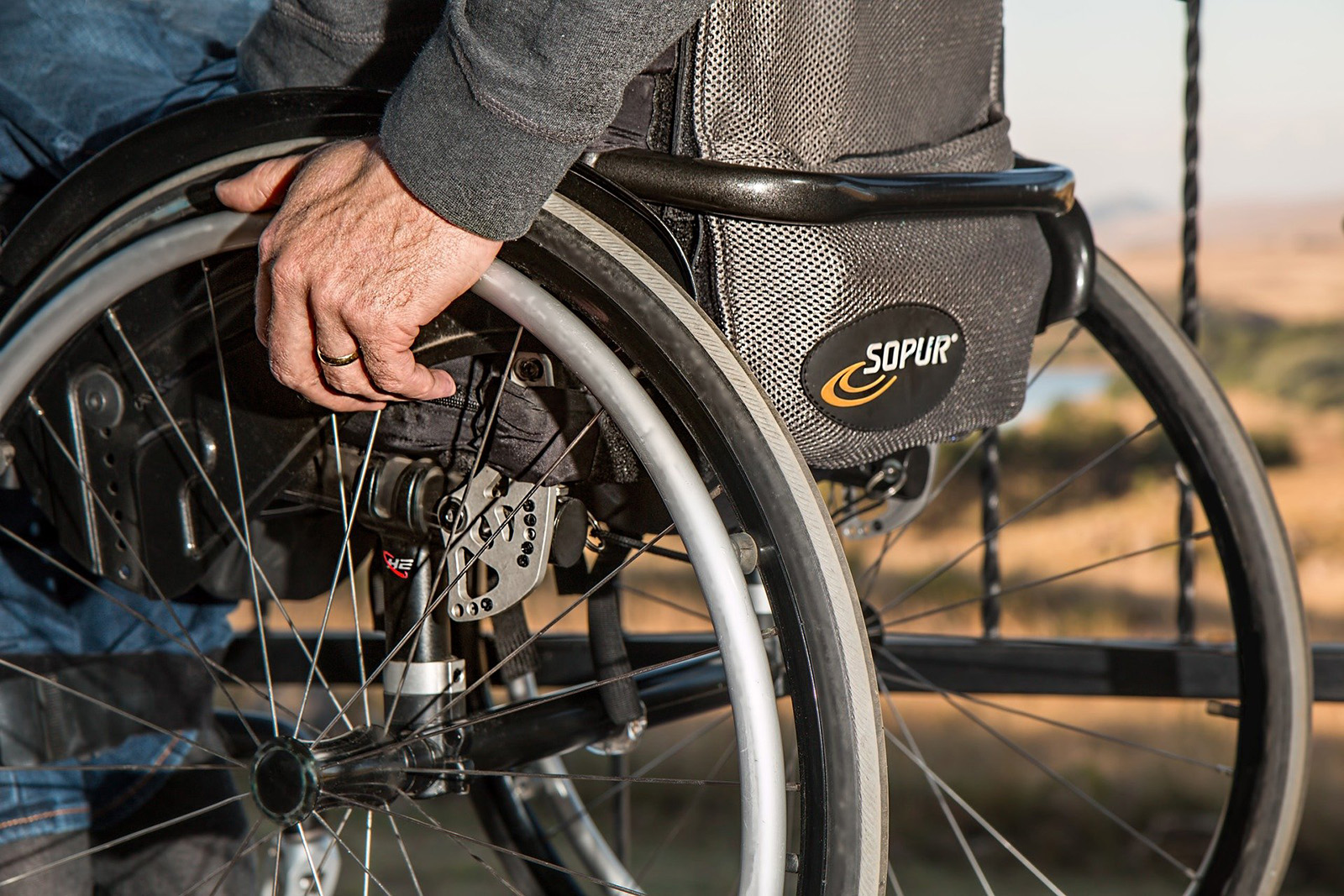
Disabled people are underrepresented in elected office, so it's unlikely that public policy will reflect the interests of the 15% of the population living with disability. Stefanie Reher argues that we need to better understand the causes, and consequences, of such low representation Read more
Elisa Volpi
Political distrust and reduced party identification suggest that political parties are in crisis. Elisa Volpi argues that parties are not in terminal decline, but undergoing a process of adaptation Read more
Luca Bernardi
Luca Bernardi and Robert Johns explore whether clinical depression may have contributed to Brexit. The striking evidence of depression influencing political attitudes suggests that connections between the two should be more thoroughly explored, especially as they show the potential to breed political alienation Read more
Ruairidh Brown
The pandemic has revealed the importance of civic solidarity and public trust, writes Ruairidh Brown. But they function best in a context of ‘friendship', a concept which needs to be recognised as central to political thinking in a post-Covid world Read more
Omogbolahan Bello
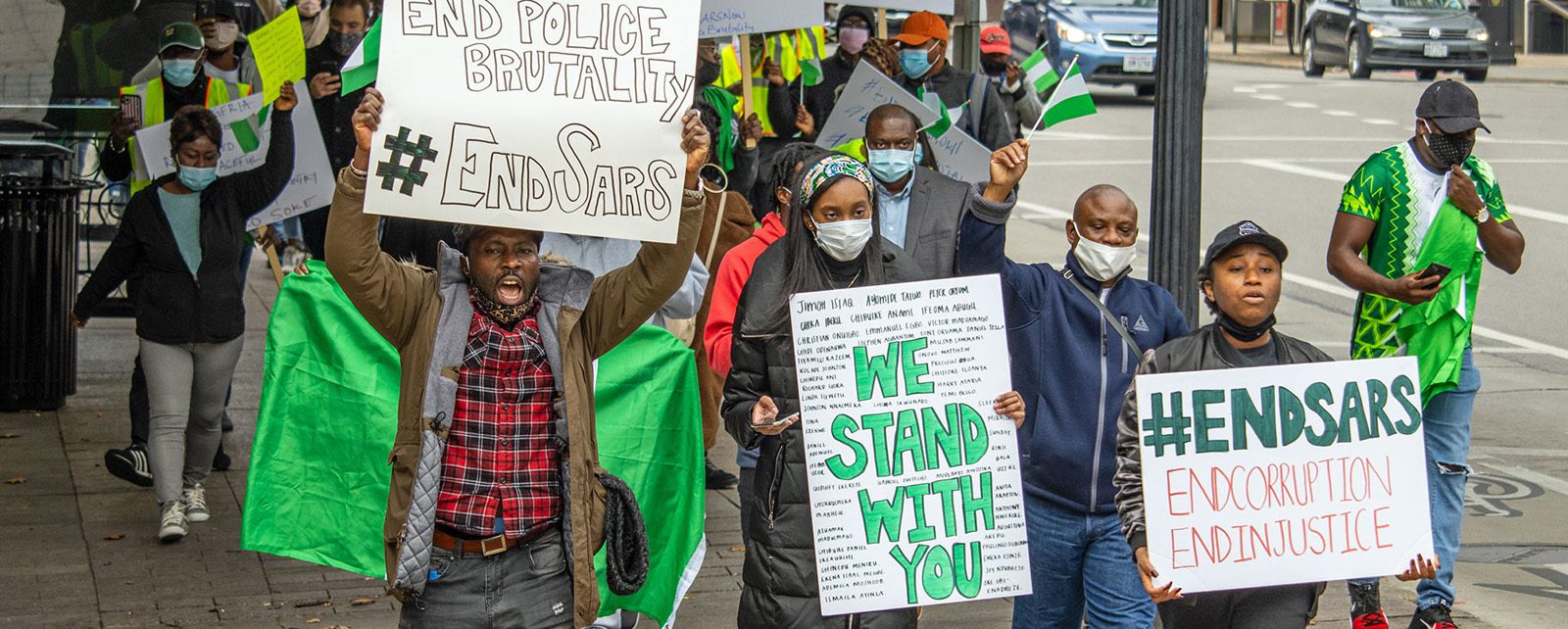
In Nigeria, nationwide protests have erupted from the Twitter hashtag #EndSARS, created to oppose the abuse of police power. Omogbolahan Bello argues that the implications of this movement show how social media may be a tool for democratic reform Read more
Stuart A Brown
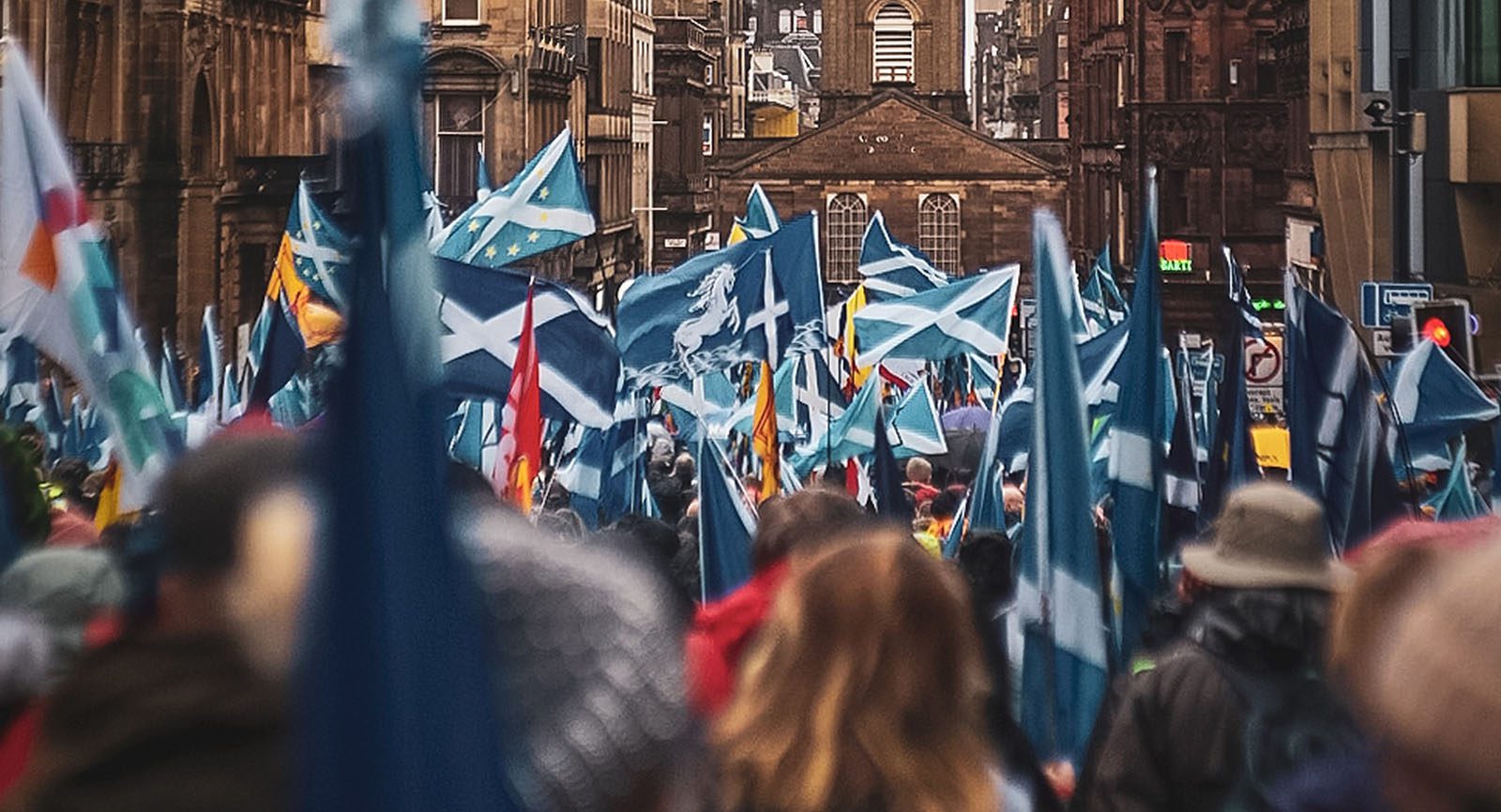
Scottish independence voters in the 2014 referendum refused to accept the UK government’s position that this was a ‘once in a generation’ opportunity. Six years on and a second referendum is back on the agenda, writes Stuart Brown Read more
Bram Geurkink
Workplaces can be an important training ground for democratic behaviour and attitudes – but many are ruled by suppressive supervisors. Bram Geurkink, Agnes Akkerman and Roderick Sluiter argue that suppressing workers from voicing their concerns can have lasting effects on the democratic societies of which they are a part Read more
We use necessary cookies to make our site work. We'd also like to set analytics cookies that help us make improvements by measuring how you use the site. These will be set only if you accept.
▼
Strictly Necessary Cookies
Necessary cookies enable core functionality such as security, network management, and accessibility. You may disable these by changing your browser settings, but this may affect how the website functions.
▼
Analytics Cookies
Google Analytics
We'd like to set Google Analytics cookies to help us improve our website by collecting and reporting information on how you use it. The cookies collect information in a way that does not directly identify anyone. For more information on how these cookies work please see our Privacy Notice.