Jason Tucker
Are recent technological developments in artificial intelligence (AI) revolutionary, calamitous, something in between? Are they inevitable, spontaneous, unpredictable? Jason Tucker examines states who actively shape developments in AI health. The challenge is bringing the public back into decision-making in these developments Read more
Kathryn Hicks
Kathryn Hicks and Sharon Stanley argue that the contemporary moral panic around obesity emerges from and exacerbates neoliberal tendencies that diminish democratic institutions and imaginaries. Given historical associations between race, gender and fatness, the ostensibly neutral language of health deepens existing lines of democratic exclusion Read more
Justin Patrick
As student governments experience decline and collapse in the twenty-first century, their importance in contemporary political life should not be underestimated. They serve as valuable resources for political scientists looking to understand democracy at fundamental levels. Justin Patrick argues that we should take them seriously in research and practice Read more
Adrian Smith
New digital platforms for citizens' initiatives, such as Decidim, are becoming more popular. Adrian Smith and Pedro Prieto Martín argue that while the technology may not be developed in a democratic way, such instruments can develop into tools for democracy in today’s digital societies Read more
Titus Alexander
Most political science is like anatomy, analysing the body politic without healing it. Titus Alexander argues that we can learn from health sciences and create a manifesto, like that of The Lancet, to prioritise improving lives and launch a global mission to strengthen democracy Read more
Adrian Bua
Adrian Bua argues that a critical democratic realism, grounding democratisation efforts upon critique of the capitalist social order, is the best way to navigate Jean-Paul Gagnon's ‘data mountain’ – and put it to work for democracy Read more
Dawud Ansari
De-orientalising the scholarship on the Arab Gulf states is crucial, argues Dawud Ansari. Commentaries and datasets generalise them as ‘monarchies’, erasing vital differences between these countries. New terms are a starting point for transforming research on the wider region – an urgent objective given new crises and freshened global interest Read more
Stephen Bagwell
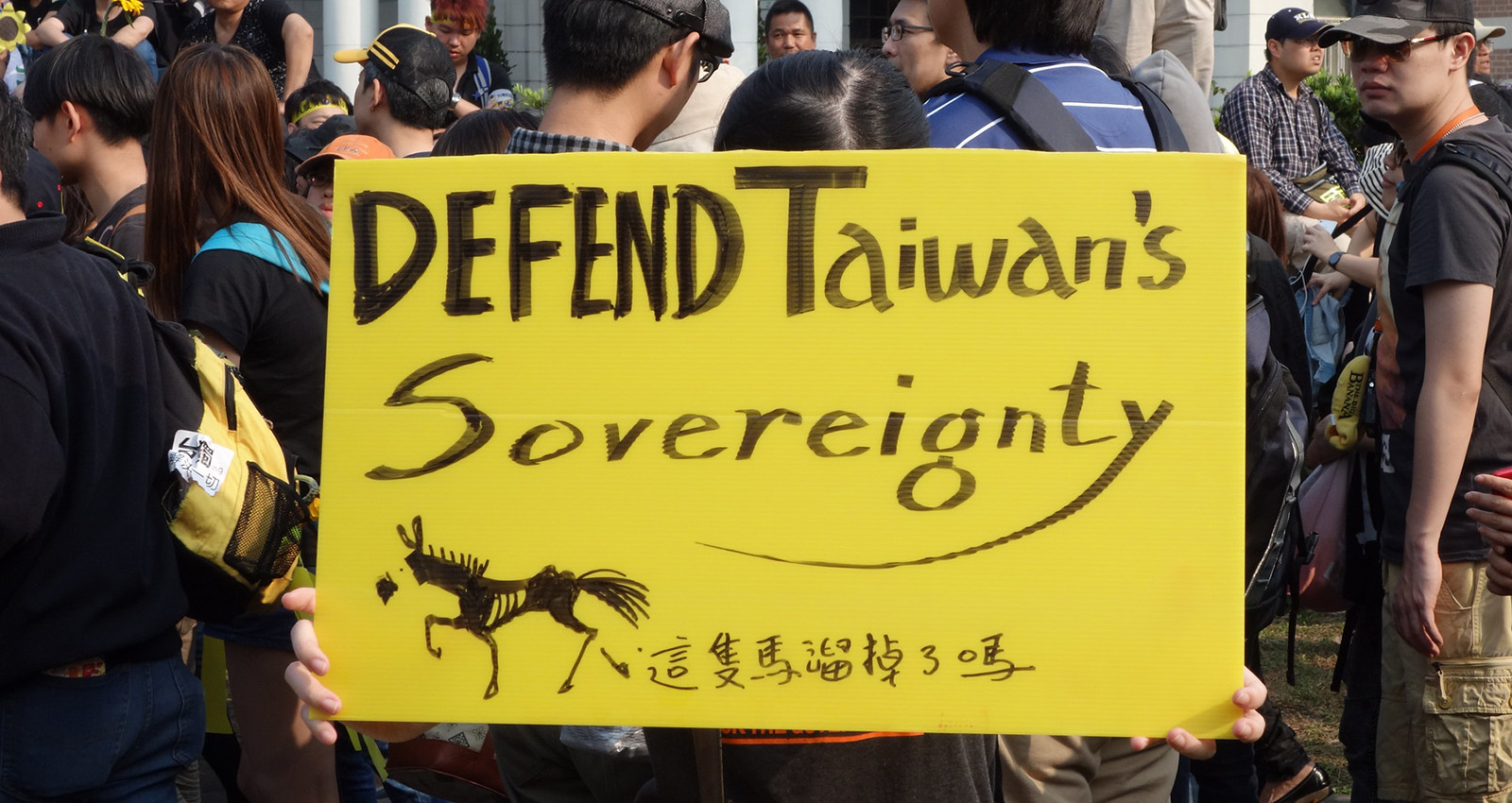
The case of Hong Kong shows that Chinese Communist Party dominance has a negative impact on empowerment rights. For Taiwan, though, it could end up much worse. Stephen Bagwell and Meridith LaVelle explore the potential outcomes of this scenario, using evidence from Hong Kong and data from the Human Rights Measurement Initiative Read more
We use necessary cookies to make our site work. We'd also like to set analytics cookies that help us make improvements by measuring how you use the site. These will be set only if you accept.
▼
Strictly Necessary Cookies
Necessary cookies enable core functionality such as security, network management, and accessibility. You may disable these by changing your browser settings, but this may affect how the website functions.
▼
Analytics Cookies
Google Analytics
We'd like to set Google Analytics cookies to help us improve our website by collecting and reporting information on how you use it. The cookies collect information in a way that does not directly identify anyone. For more information on how these cookies work please see our Privacy Notice.