Ranjan Saha Partha
In Bangladesh, attitudes towards overseas migration have changed from ‘hero to zero’ during the spread of Covid-19. Ranjan Saha Partha and Nurul Huda Sakib explain why Read more
Rachel M. Gisselquist
States with fragile state health systems have been commended for effective responses to the Covid-19 pandemic. But if we take into account factors such as favourable climate and the age structure of the population, the Covid-19 impact is, in fact, greater on states with weak institutions, explain Rachel M. Gisselquist and Andrea Vaccaro Read more
Jay Krehbiel
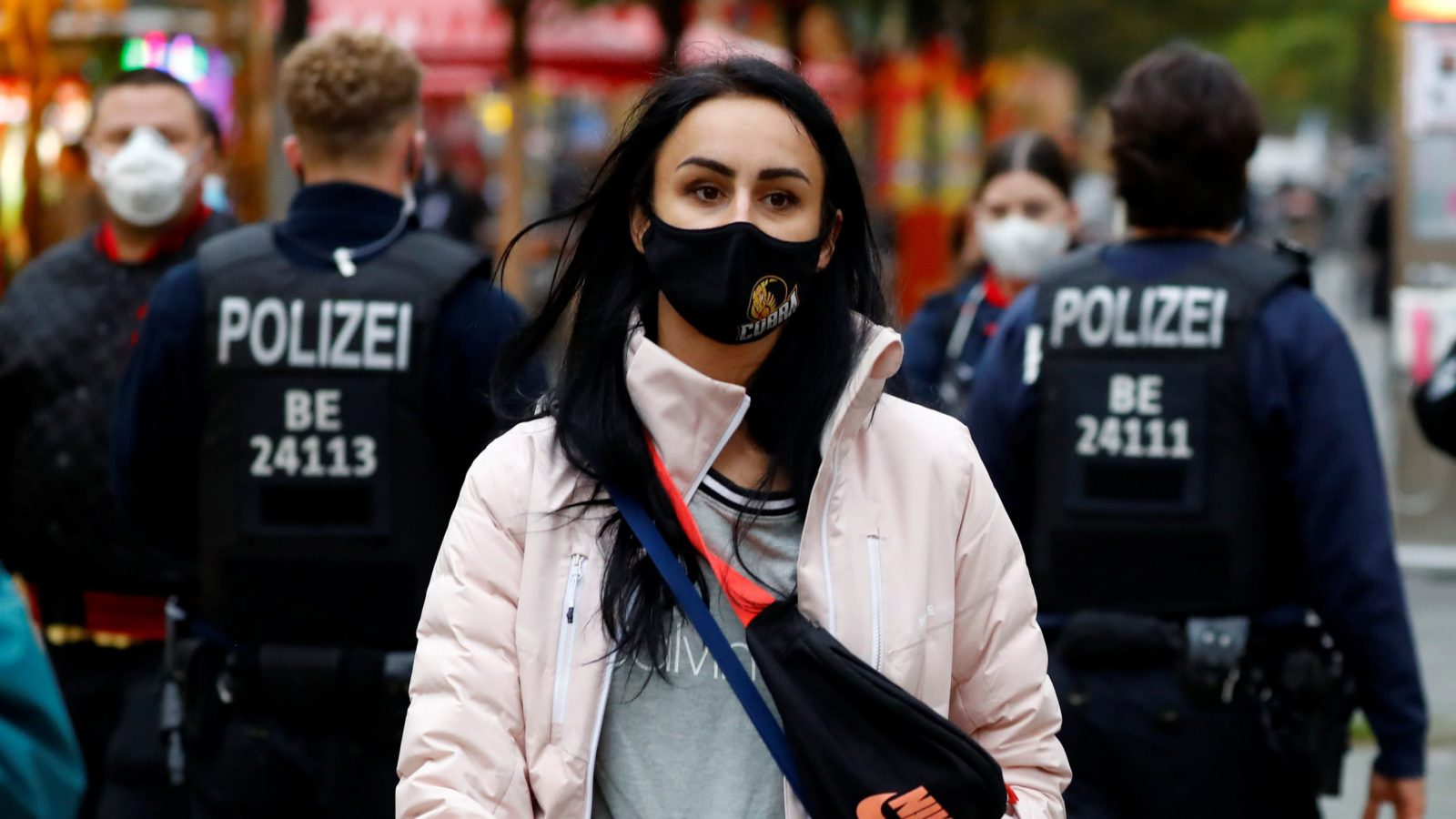
Changing German attitudes to the coronavirus, as measured in original survey data, are the key to understanding how long the country’s success in tackling the pandemic may last, writes Jay N. Krehbiel, Amanda Driscoll, Michael J. Nelson and Taylor Kinsley Chewning Read more
Kannen Ramsamy
Covid-19 is a crisis caused by scientific and evidential uncertainty. Kannen Ramsamy argues that adopting the so-called ‘precautionary principle’ in developing policy responses is crucial. Countries that have not done so, such as the US and Sweden, are now paying a heavy price Read more
We use necessary cookies to make our site work. We'd also like to set analytics cookies that help us make improvements by measuring how you use the site. These will be set only if you accept.
▼
Strictly Necessary Cookies
Necessary cookies enable core functionality such as security, network management, and accessibility. You may disable these by changing your browser settings, but this may affect how the website functions.
▼
Analytics Cookies
Google Analytics
We'd like to set Google Analytics cookies to help us improve our website by collecting and reporting information on how you use it. The cookies collect information in a way that does not directly identify anyone. For more information on how these cookies work please see our Privacy Notice.