Joakim Kreutz
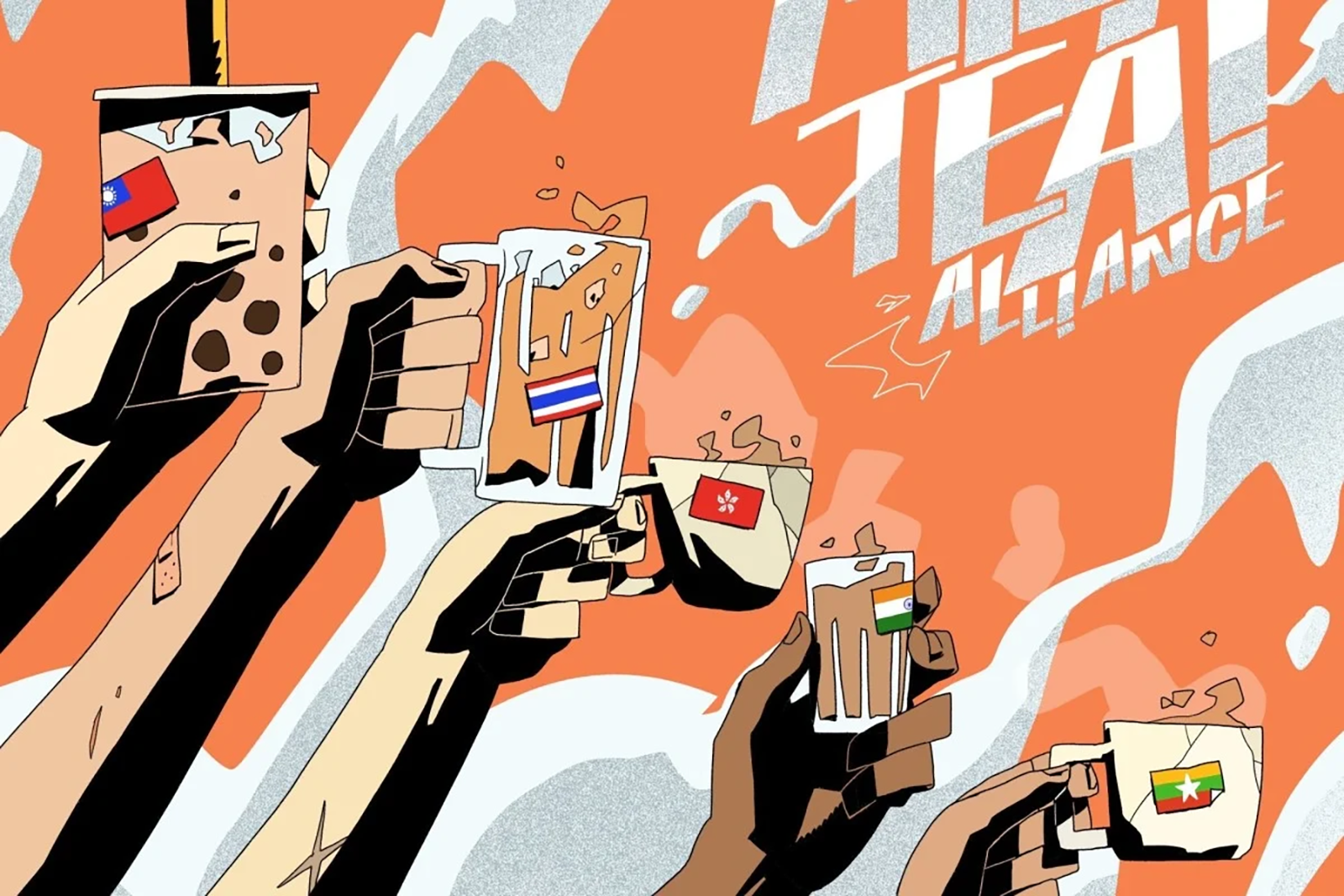
In an increasingly globalised and digital world, national borders are no longer constraints on political mobilisation, argue Joakim Kreutz and Anthi Antonia Makrogianni. Thailand's 2020 #MilkTeaAlliance protests show how shared identities created in online communities can form in reaction to online repression Read more
Saskia Brechenmacher
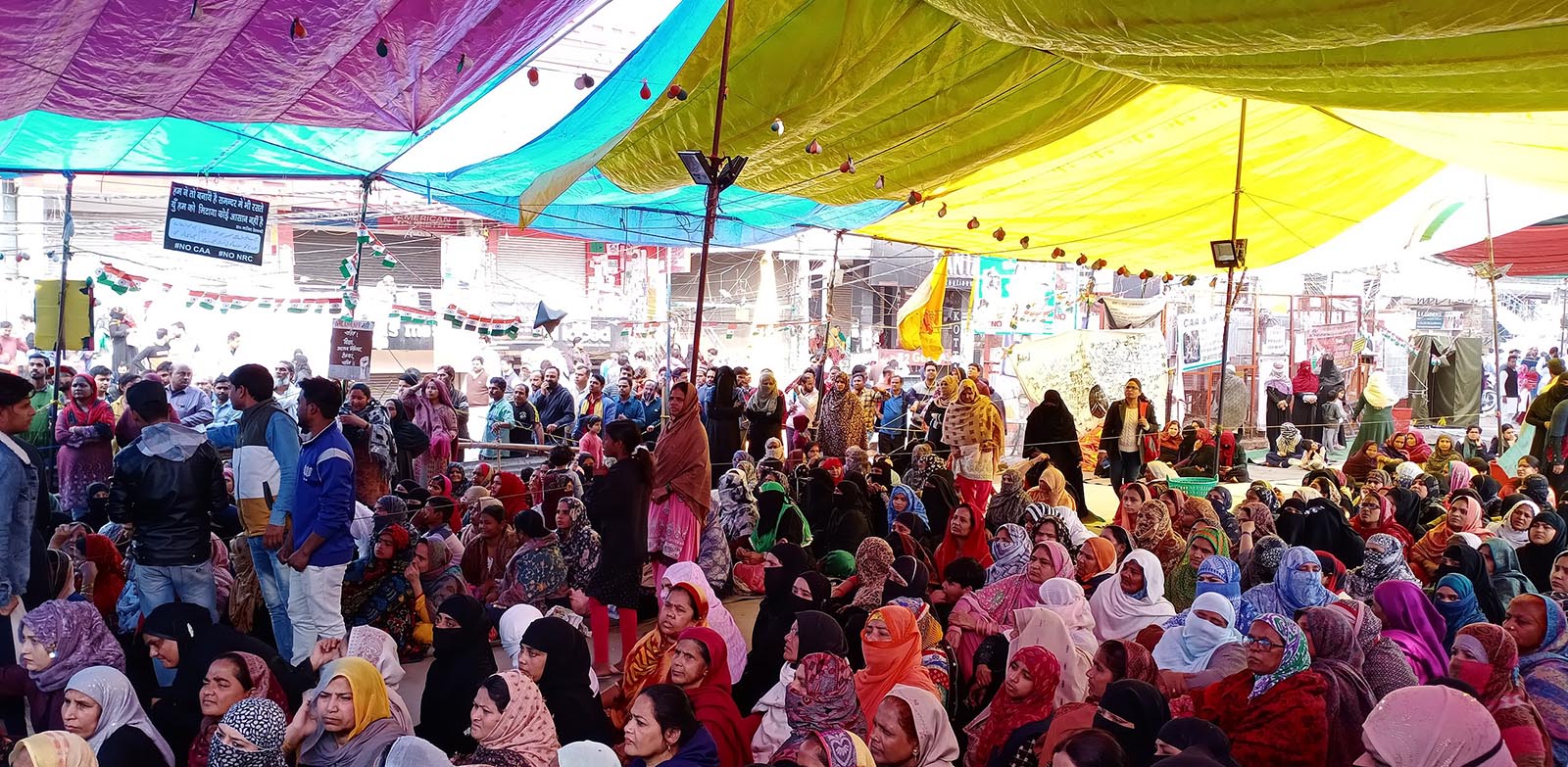
Saskia Brechenmacher, Erin Jones, and Özge Zihnioğlu write that gender is critical to understanding popular resistance against democratic erosion and autocratic hardening around the world Read more
Ilana Hartikainen
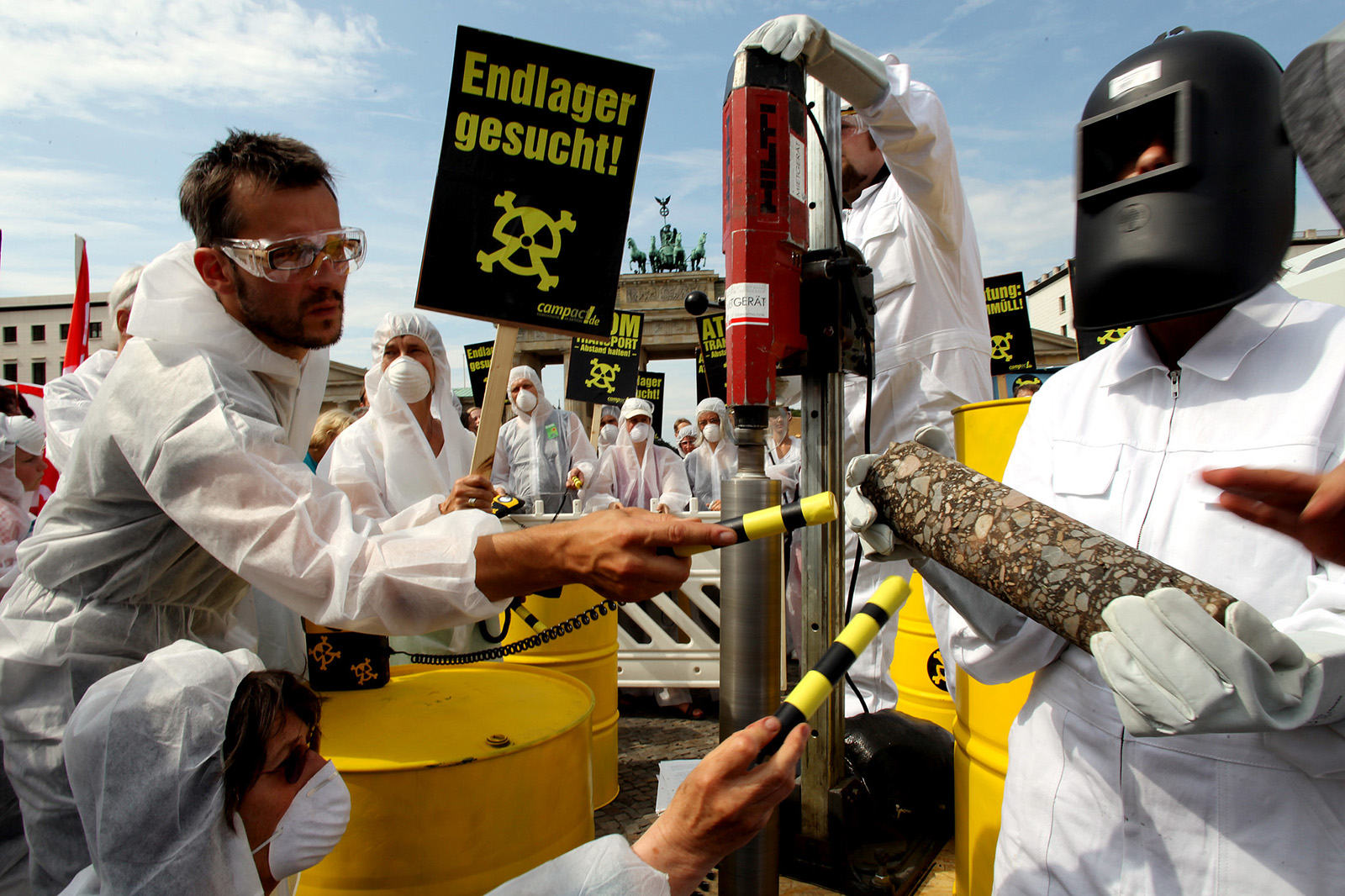
Tribalism has emerged as a key term in political discussions — often used, but not clearly defined. Ilana Hartikainen and Zea Szebeni propose reconceptualising ‘tribalism’ to differentiate forms of political mobilisation. Tribalism, they argue, forms exclusive groups around shared values — and it’s gone global Read more
Adrian Smith
New digital platforms for citizens' initiatives, such as Decidim, are becoming more popular. Adrian Smith and Pedro Prieto Martín argue that while the technology may not be developed in a democratic way, such instruments can develop into tools for democracy in today’s digital societies Read more
Nina Hall
Digital advocacy organisations have pioneered new strategies to mobilise people rapidly, and shape public opinion. But increasingly, they face challenges from new technologies, and complex relationships with NGOs. Nina Hall and Paola Pierri outline five potential futures for these organisations Read more
Abbey Heffer
Authoritarian regimes are not centralised monoliths. In China, authoritarian responses to protest can differ dramatically across localities. Abbey Heffer argues that research on regime-level authoritarianism often overlooks decentralisation. Studying aspects of authoritarianism, such as protest repression and concessions, requires a practice-based approach that reconciles national and localised authoritarianism Read more
Sabine Volk
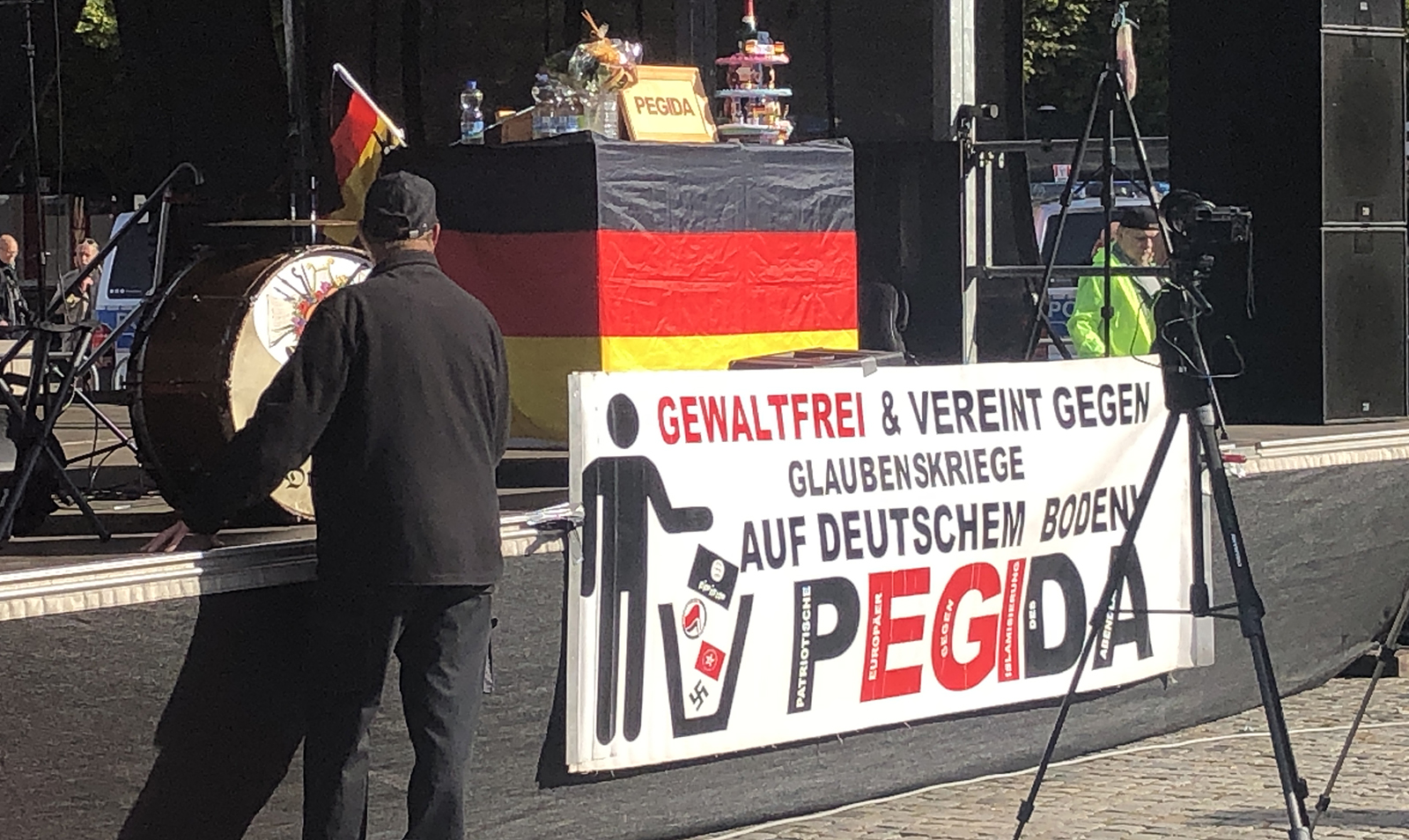
Germany’s largest far-right protest movement, PEGIDA, this month celebrates eight years of mobilisation and protest activity. Its survival, argues Sabine Volk, is a puzzle not explained by social movement theory. She explores an overlooked explanatory factor: PEGIDA's repetitive protest ritual Read more
Ivaylo Dinev
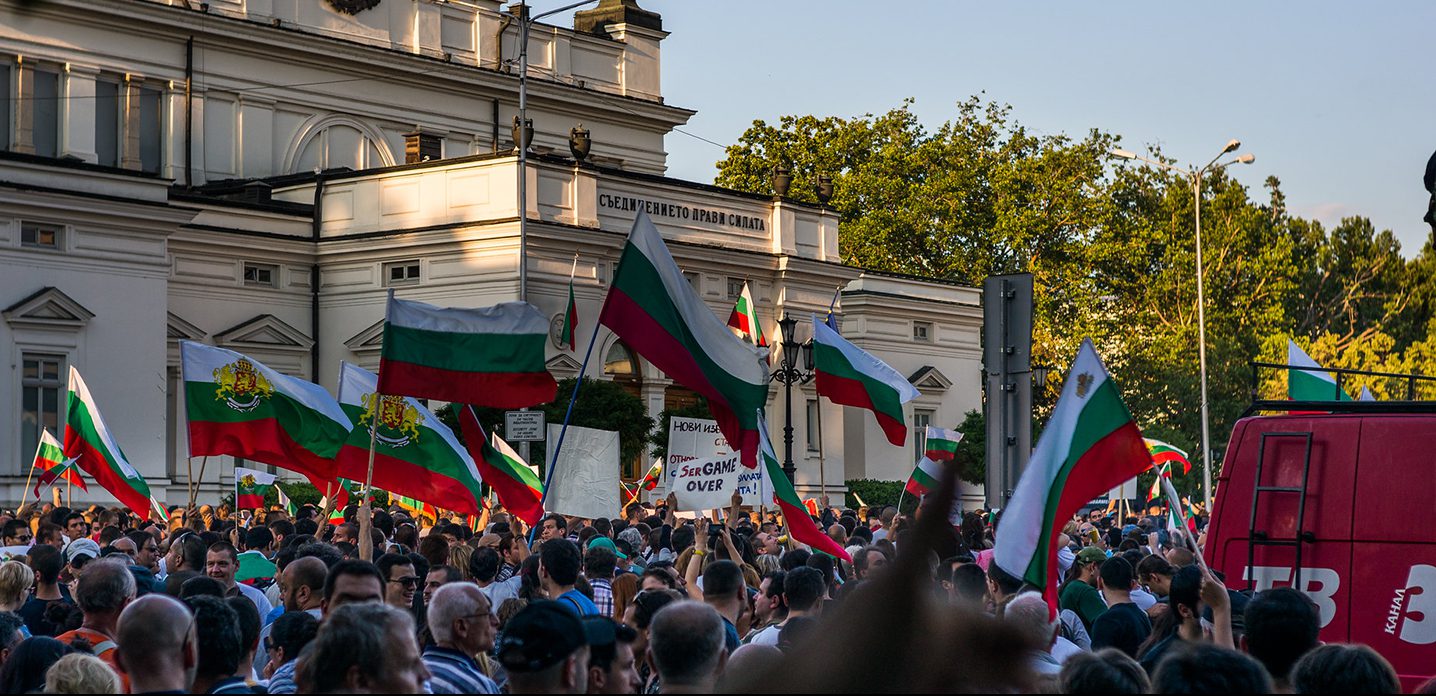
More than one-third of all protest events in Bulgaria and Slovenia since the Great Recession were class-based. Workers’ mobilisations show durability, contends Ivaylo Dinev, though differences between sectors continue to exist Read more
We use necessary cookies to make our site work. We'd also like to set analytics cookies that help us make improvements by measuring how you use the site. These will be set only if you accept.
▼
Strictly Necessary Cookies
Necessary cookies enable core functionality such as security, network management, and accessibility. You may disable these by changing your browser settings, but this may affect how the website functions.
▼
Analytics Cookies
Google Analytics
We'd like to set Google Analytics cookies to help us improve our website by collecting and reporting information on how you use it. The cookies collect information in a way that does not directly identify anyone. For more information on how these cookies work please see our Privacy Notice.