Erica Dorn
Democracy today is a colonial artefact tied to violent borders. Moreover, it produces an increasing number of non-citizens, unable to participate in democracy where they live. Erica Dorn and Federico Vaz argue that Gagnon's courageous enquiry into defining the historical landscape of democracy can bring more equity to its current – unjust – paradigm Read more
Phi Hong Su
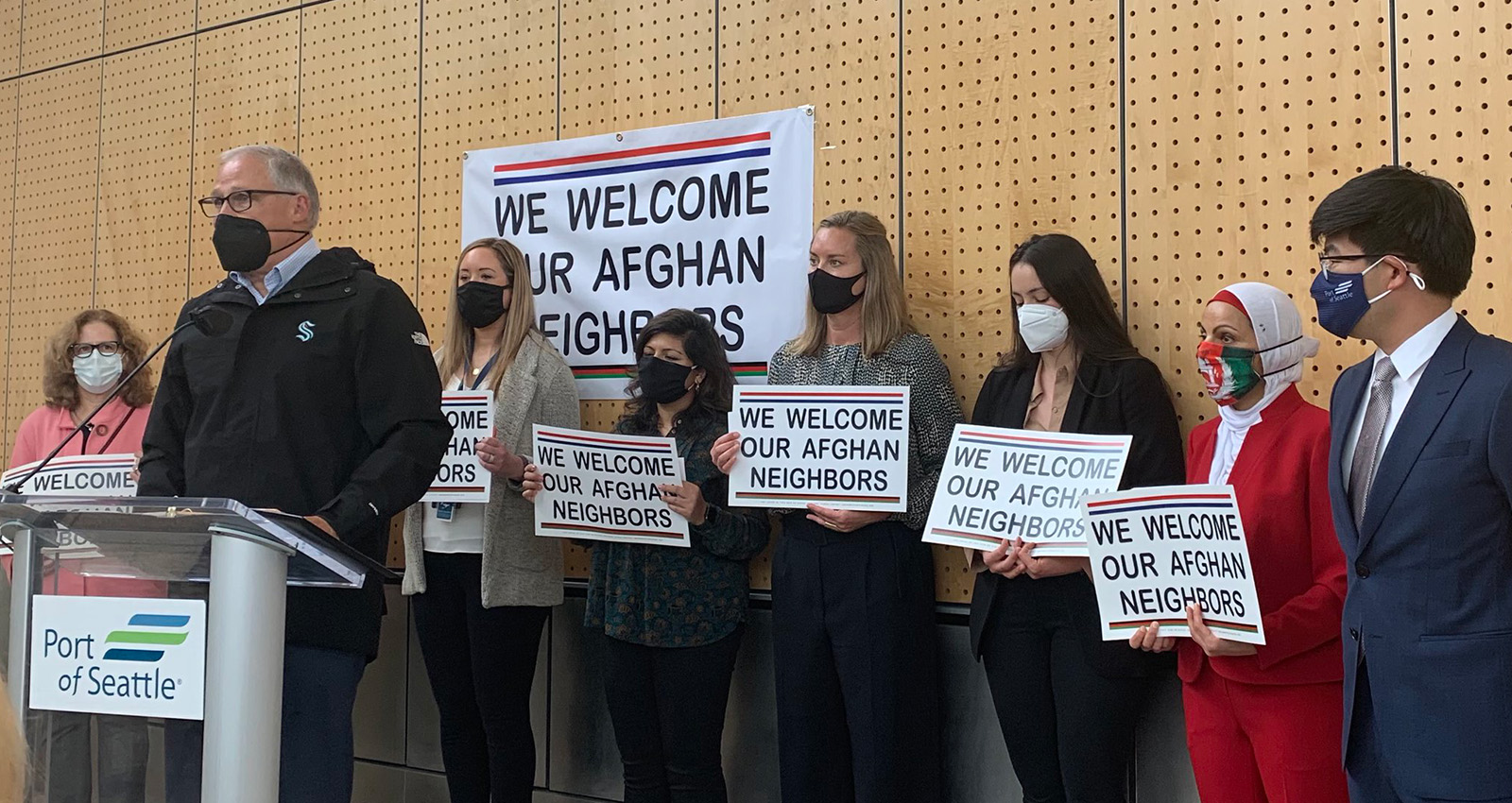
What does it take to welcome evacuees as they rebuild their lives? Phi Hong Su reflects on how governance, labour markets, and ethnic communities can ease new arrivals’ resettlement in the United States —and how gaps in these contexts of reception worsen precarity Read more
Frowin Rausis
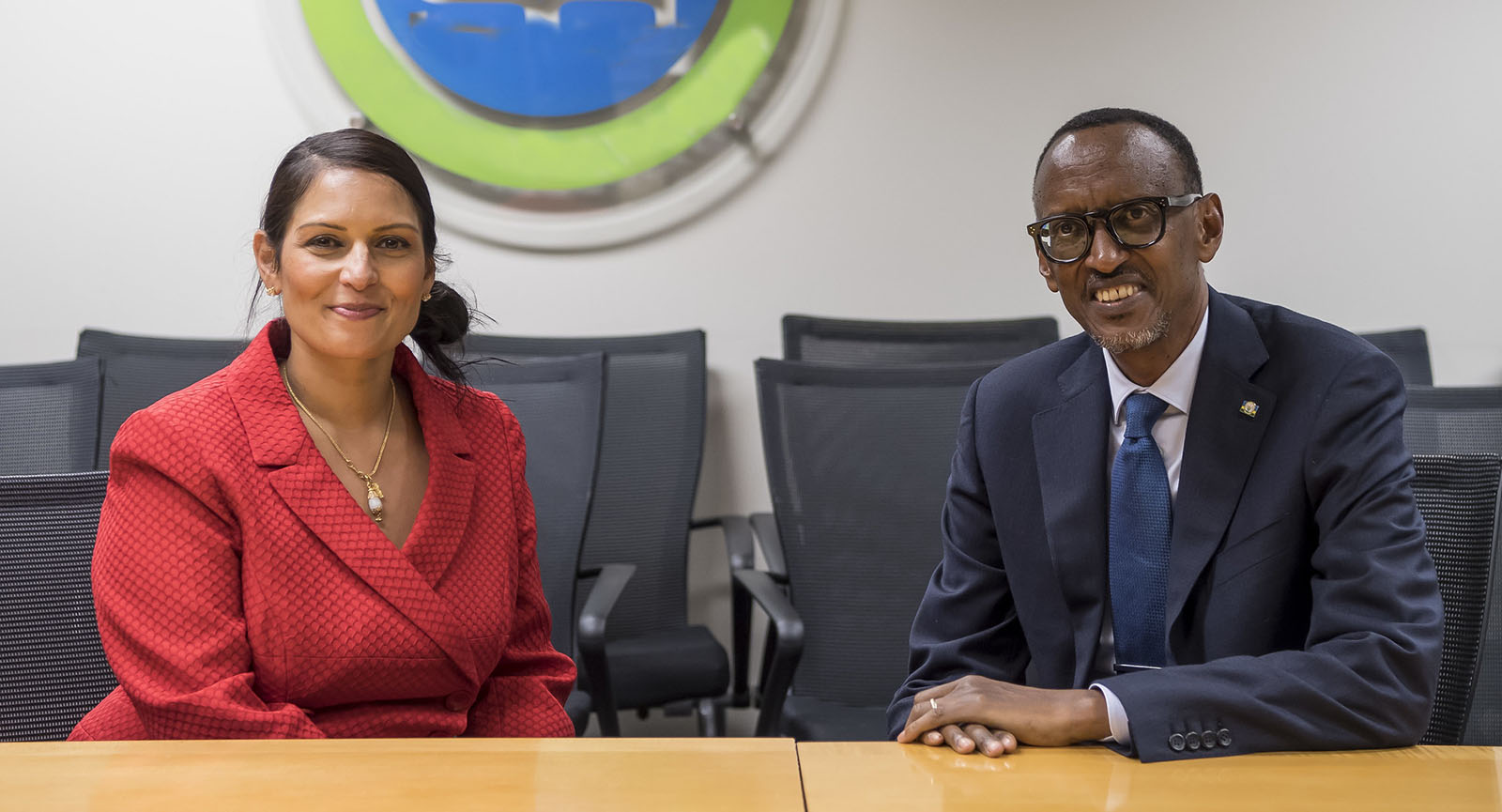
The UK’s ‘New Plan for Immigration’ allows the government to send asylum seekers to Rwanda, reflecting the latest aspiration to externalise refugee protection. Frowin Rausis and Konstantin Kreibich show that the idea is not new. Different countries have toyed with it for years – and failed consistently Read more
Hannah Muzee
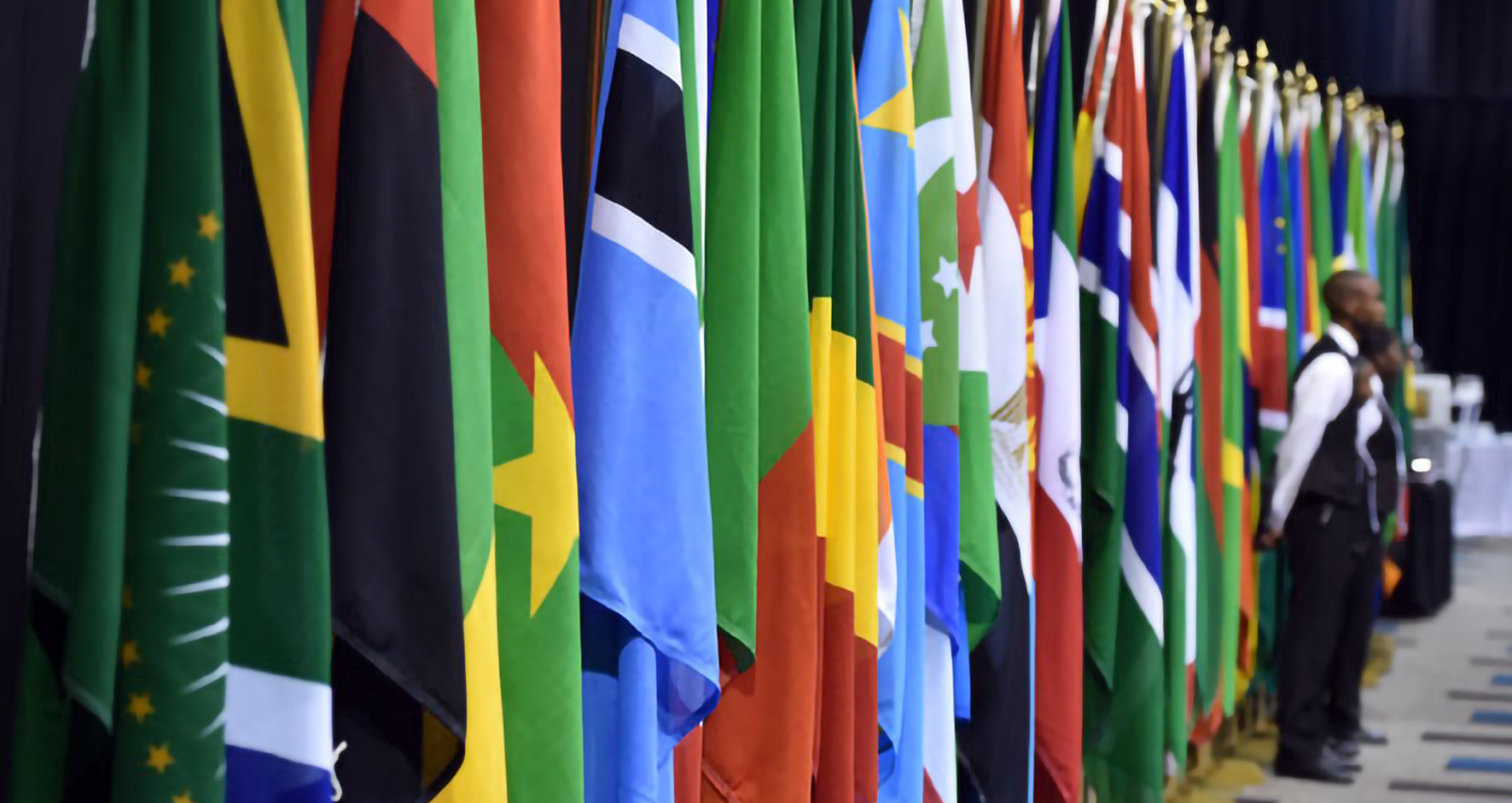
The British government's Rwanda-UK asylum deal exposes the detrimental effects of an absolute state sovereignty principle in the African Union. This principle, argues Hannah Muzee, is a major stumbling block to Africa’s desired unification objectives Read more
Philipp Lutz
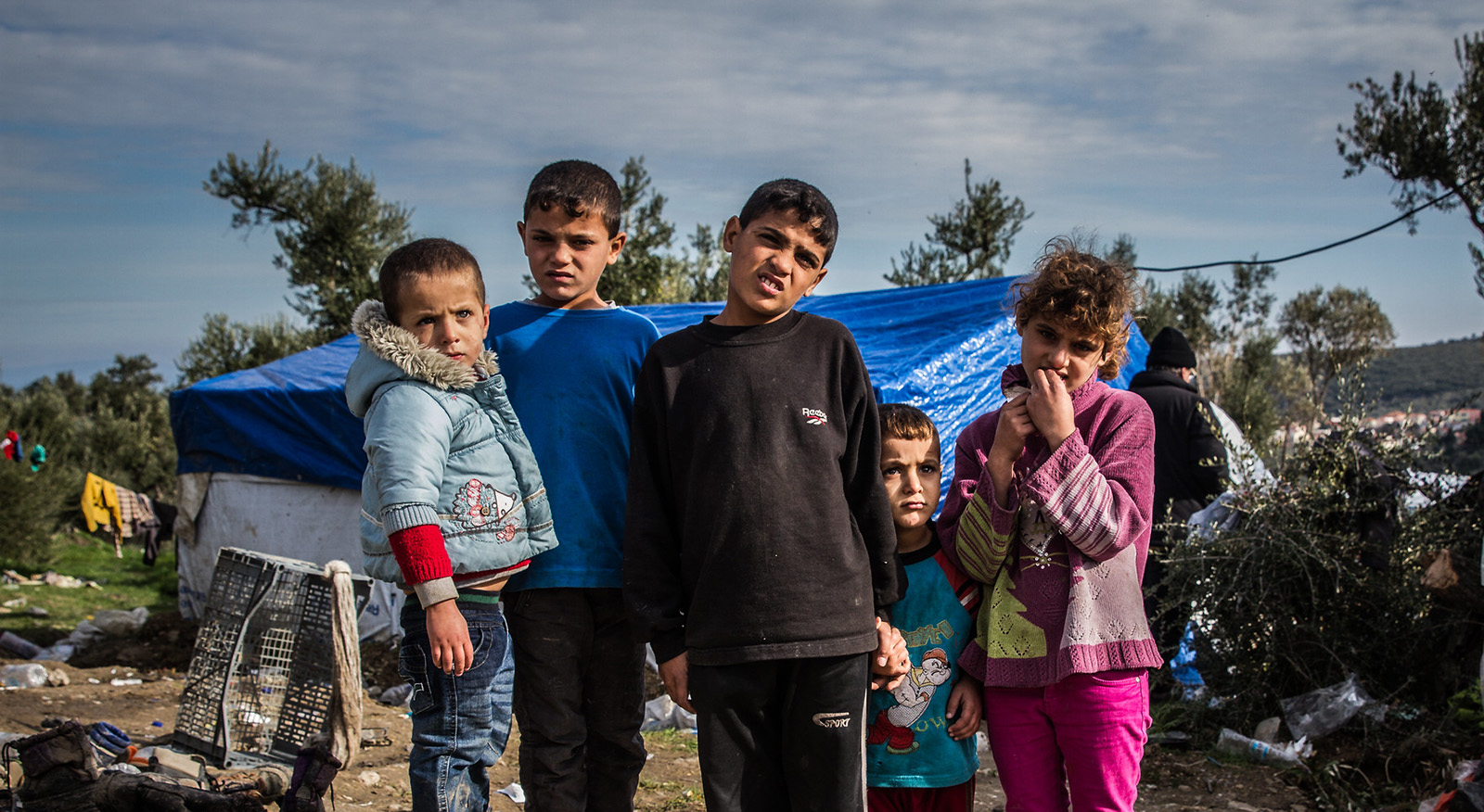
Western countries repeatedly point to resettlement – the organised transfer of refugees to a safe third country – as a solution to persistent humanitarian crises. Yet, Philipp Lutz and Lea Portmann show how such resettlement can, paradoxically, be a way for states to legitimise limiting access to humanitarian protection Read more
Dionysios Stivas
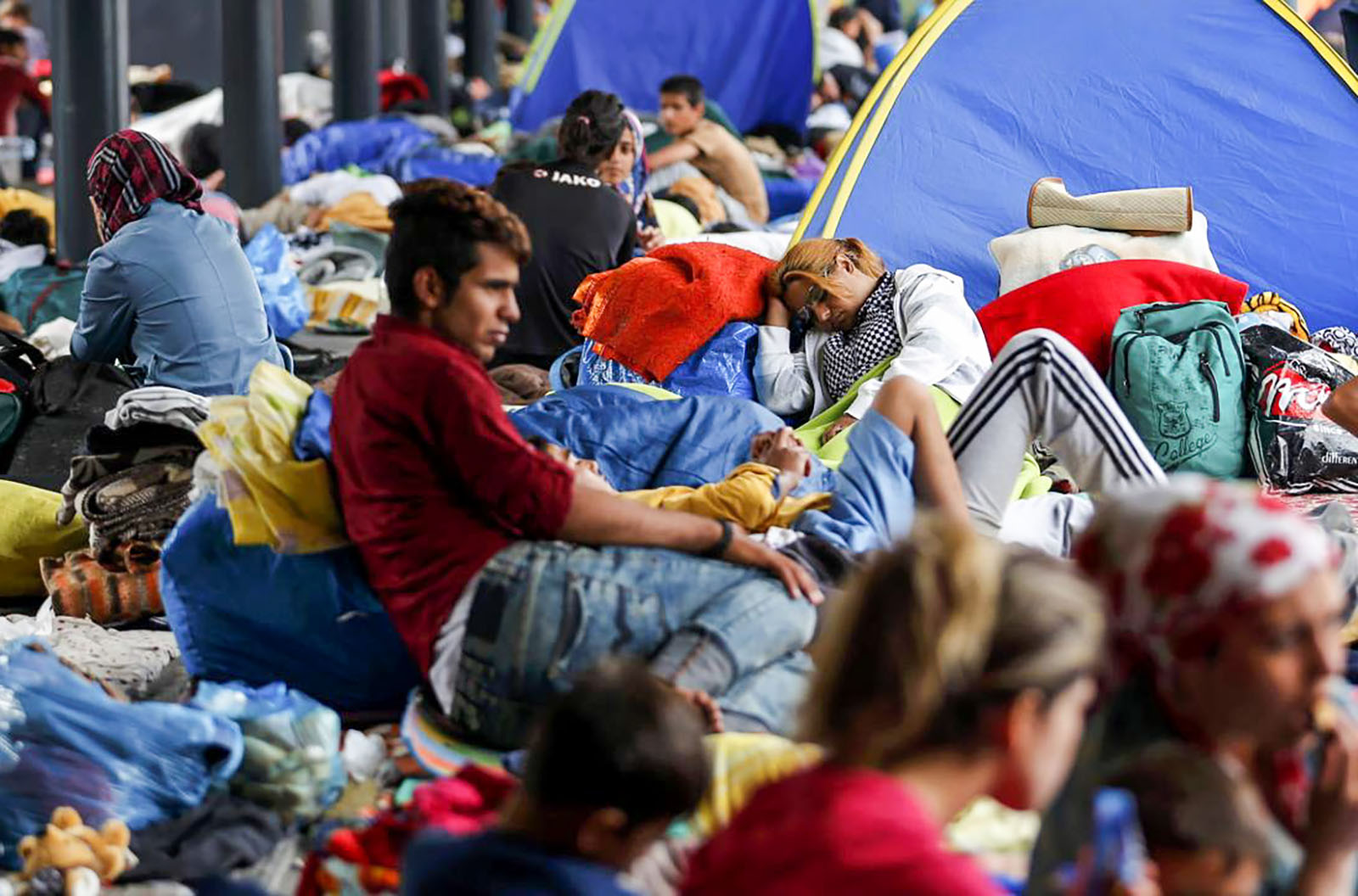
‘Securitising’ an alleged external threat can be a convenient tool for political leaders to justify extreme measures and policies. Dionysios Stivas looks at the case of Hungarian Prime Minister Viktor Orbán’s handling of asylum seekers in 2015 Read more
Lea Portmann
In Switzerland, poor political representation of people with a migrant background is not simply the result of prejudice and deliberate penalising by voters. Lea Portmann and Nenad Stojanović show that it is also caused by voters systematically favouring native ingroup candidates Read more
Franziska Maier
Citizenship is a contested and multifaceted concept. Yet despite their differences, all German citizens see citizenship as something more than just a legal status. Franziska Maier finds that common to all German citizens is a desire for connectivity Read more
We use necessary cookies to make our site work. We'd also like to set analytics cookies that help us make improvements by measuring how you use the site. These will be set only if you accept.
▼
Strictly Necessary Cookies
Necessary cookies enable core functionality such as security, network management, and accessibility. You may disable these by changing your browser settings, but this may affect how the website functions.
▼
Analytics Cookies
Google Analytics
We'd like to set Google Analytics cookies to help us improve our website by collecting and reporting information on how you use it. The cookies collect information in a way that does not directly identify anyone. For more information on how these cookies work please see our Privacy Notice.