Didem Unal Abaday
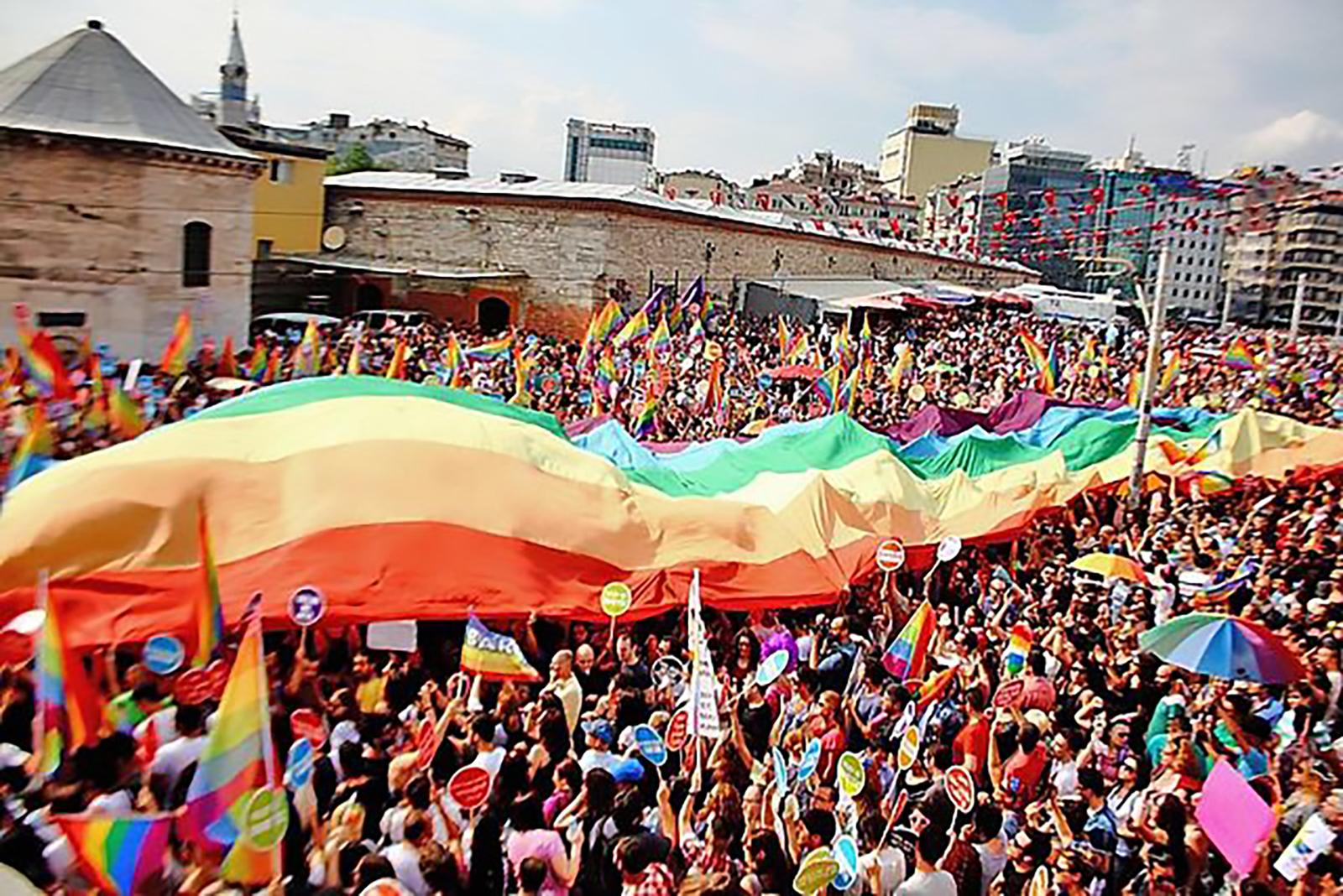
In Turkey, LGBTI+ events and pressures on queer people’s right to assembly face increasing restrictions. This, writes Didem Unal Abaday, will only get worse with democratic decline. In the new parliamentary term after the 2023 elections, democratic backsliding is turning political homophobia into state policy Read more
Sanne van Oosten
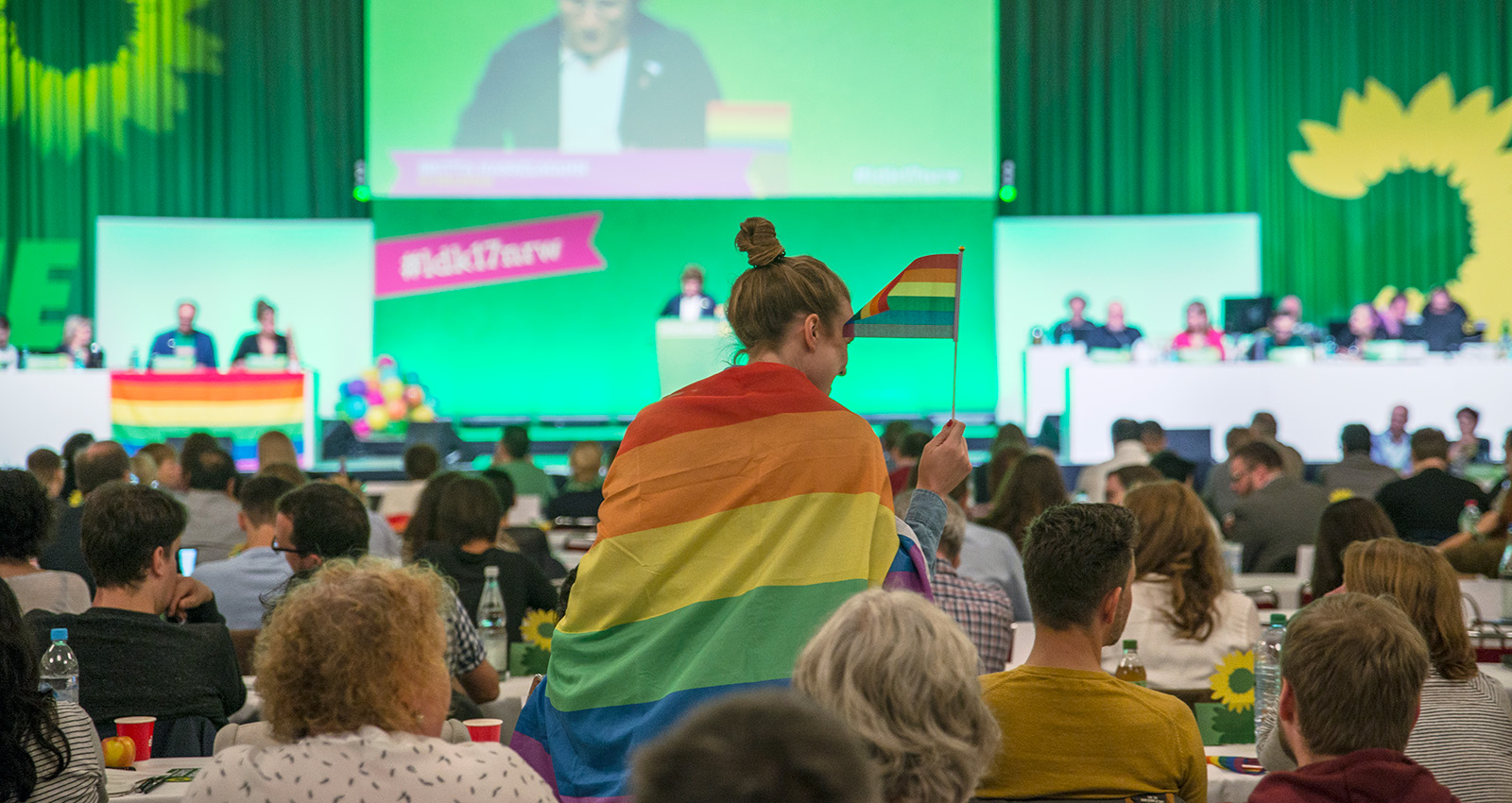
We know that voters stereotype Muslim politicians as homophobic. However, they also project their own ideas about LGBTQ+ rights onto politicians. Sanne van Oosten examines which of these voter tendencies are likely to prevail with which voters, and argues that both strength and type of opinion matter Read more
Soumi Banerjee
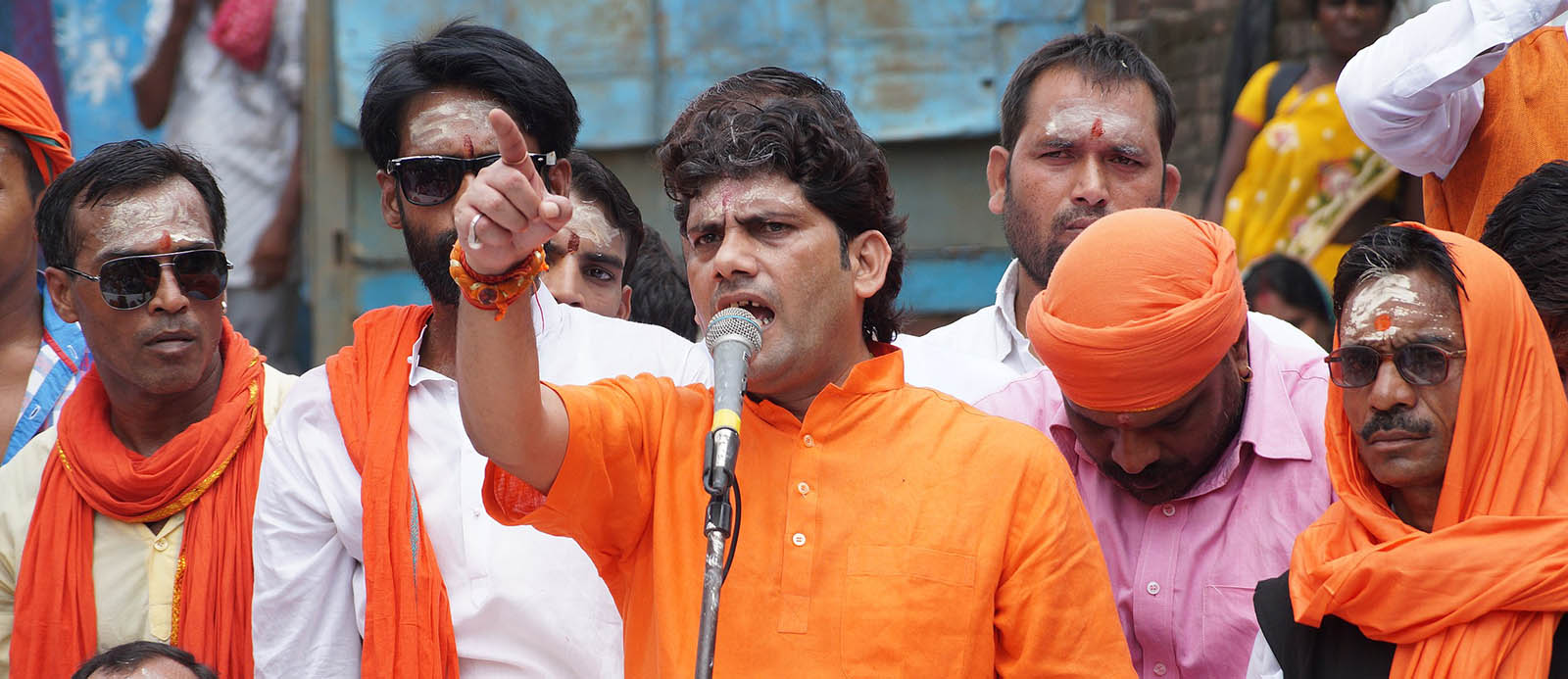
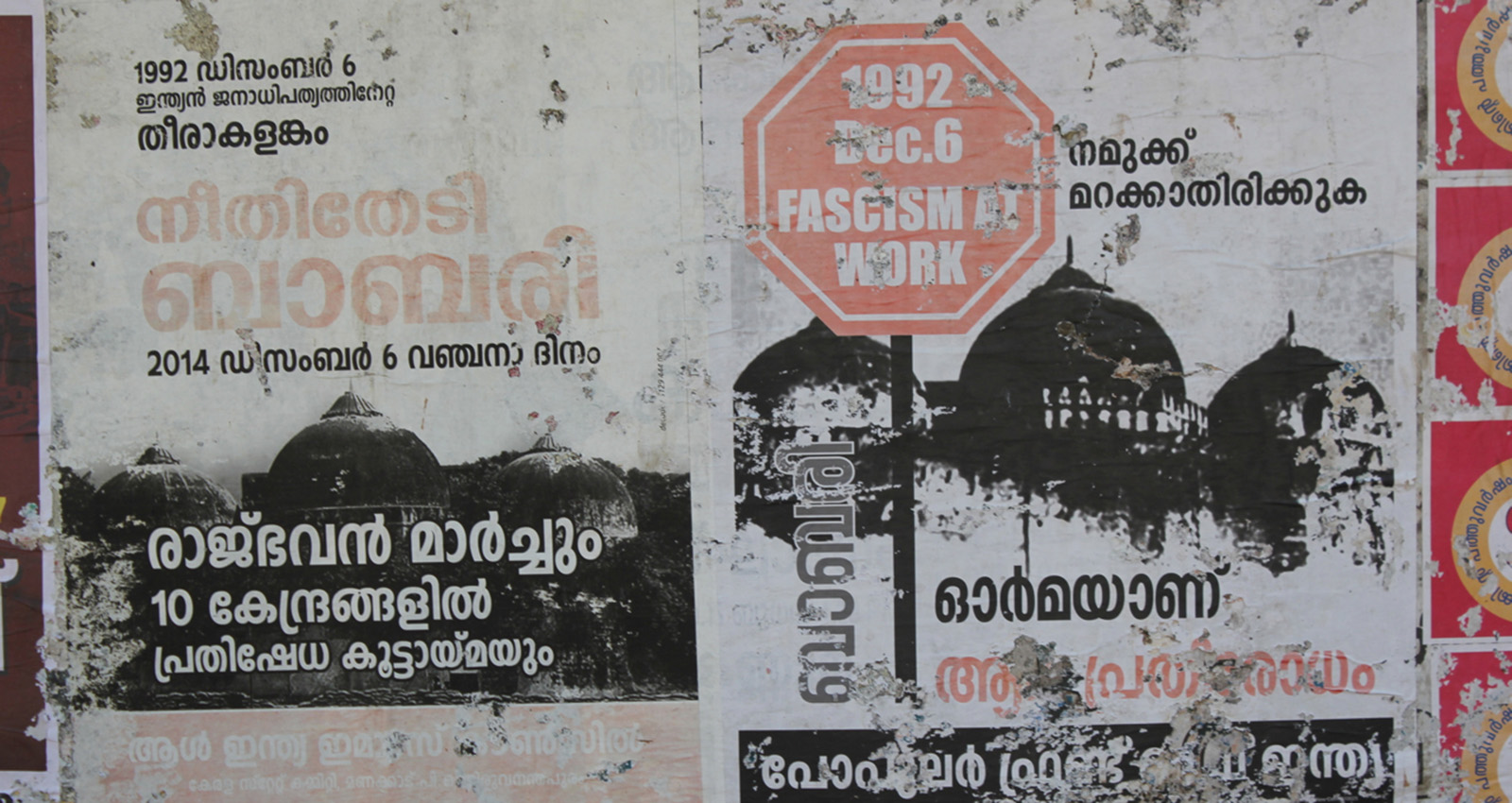
Soumi Banerjee describes how Hindu nationalists are using ‘othering’ and ‘identity signifiers’ to appeal to a broad section of India's fractured population. This, she argues, lies at the root of current religious tensions Read more
Reinhard Heinisch
The more populism has evolved and the more we have learned about this supposedly elusive and contested concept, the more we recognise that the early insights we gained about the phenomenon have stood the test of time. Reinhard Heinisch argues that although these early lessons already pointed to the importance of credible change agency, ambiguity, and territoriality as crucial features for populism's success, their role is still not fully understood Read more
Sabine Volk
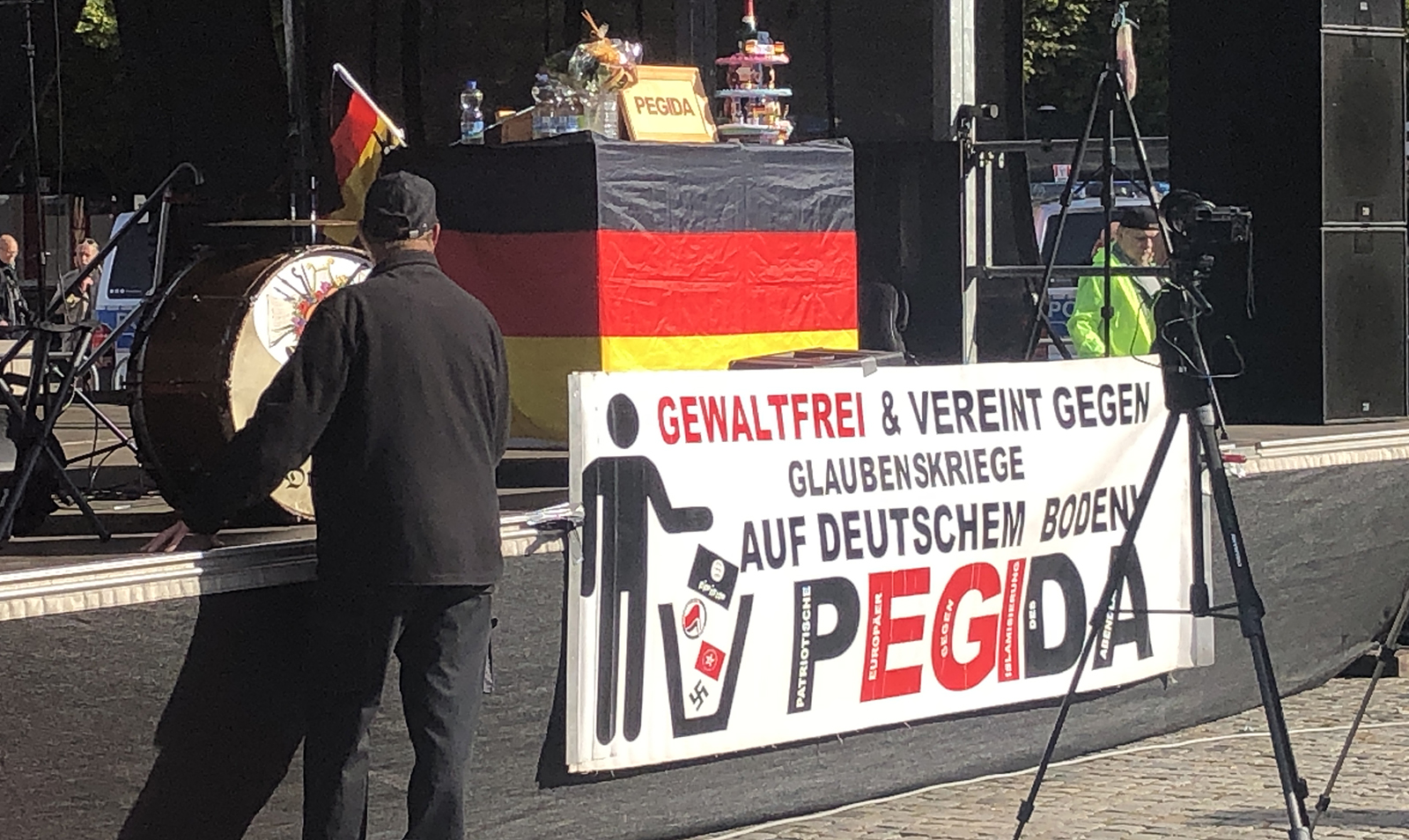
Germany’s largest far-right protest movement, PEGIDA, this month celebrates eight years of mobilisation and protest activity. Its survival, argues Sabine Volk, is a puzzle not explained by social movement theory. She explores an overlooked explanatory factor: PEGIDA's repetitive protest ritual Read more
Amit Singh
The hegemonic rise of Hindu nationalism and Hindu populism in India has trapped Indian Muslim minorities. The secular Indian state appears to be developing into a Hindu authoritarian state, and one where violence against Muslims is normalised, argues Amit Singh Read more
Farooq Yousaf
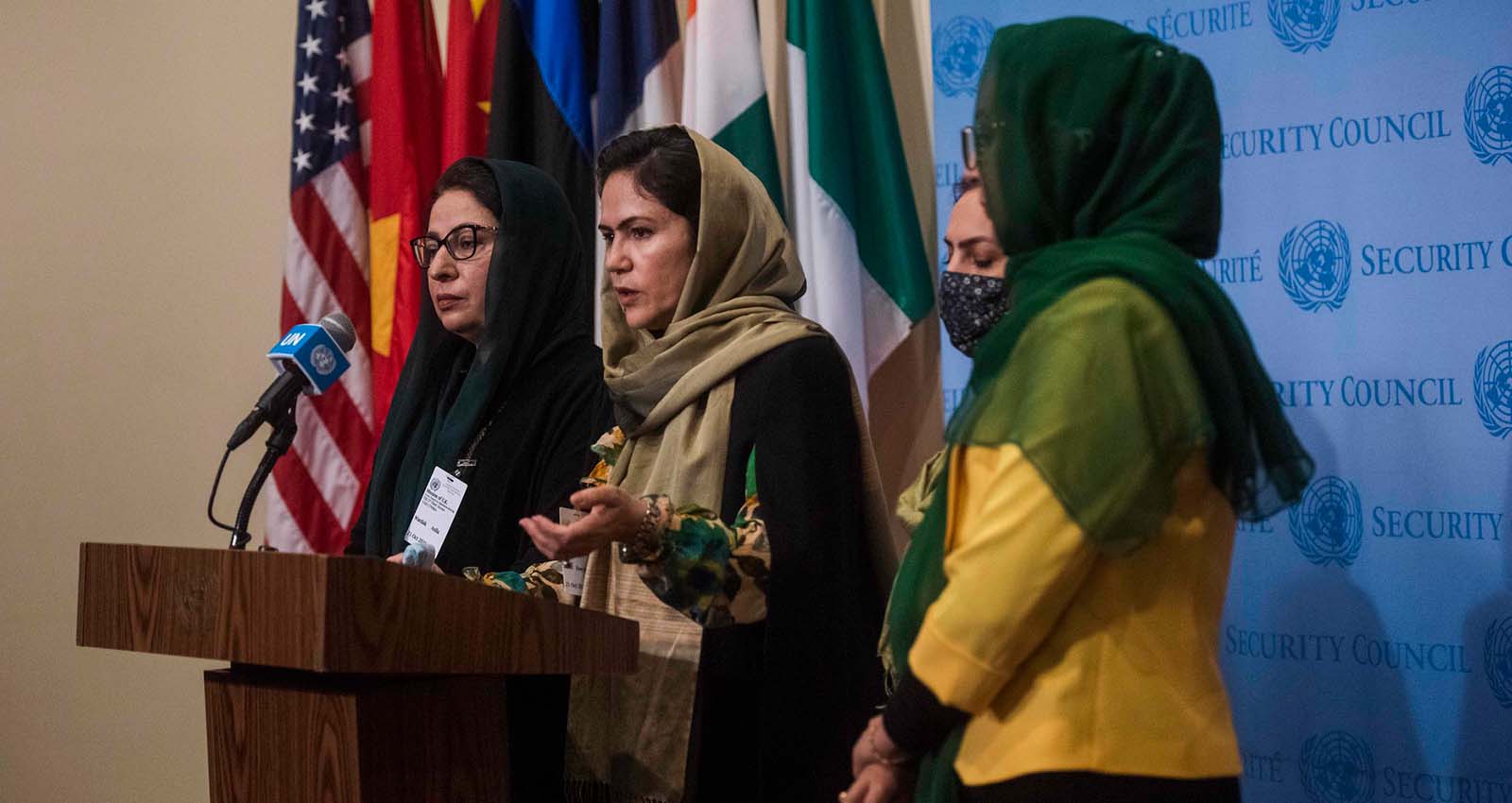
Farooq Yousaf and Bilquees Daud highlight the significant risk to women’s rights caused by the failure of the United States to include women in the so-called ‘peace deal’ signed with a male-dominated Taliban. As a consequence, the signs of regression immediately appeared in Afghanistan, and constitute a real threat. Read more
Hager Ali
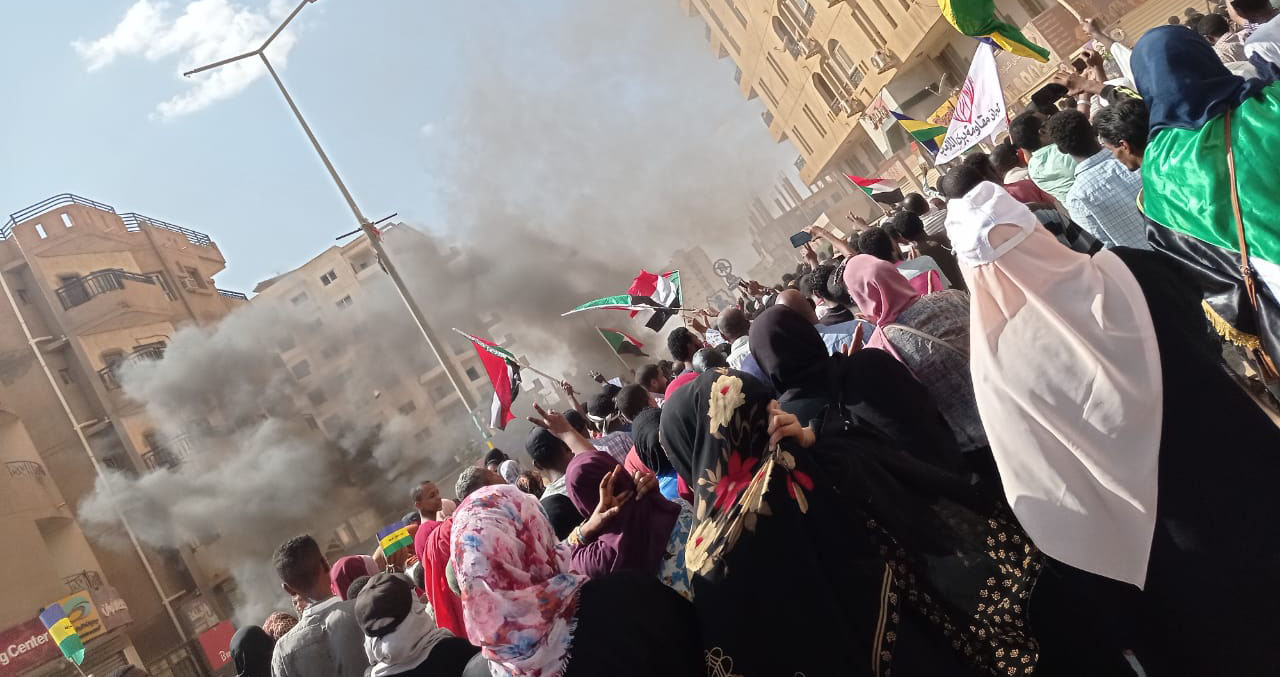
A military coup on 25 October put an abrupt end to Sudan’s fragile democratic transition. Hager Ali argues that although the coup pre-empted a foreseeable power-transfer, the military also created a much bigger problem for itself. The same socio-political conditions that kept al-Bashir in power for decades now threaten the military’s capacity to govern Read more
We use necessary cookies to make our site work. We'd also like to set analytics cookies that help us make improvements by measuring how you use the site. These will be set only if you accept.
▼
Strictly Necessary Cookies
Necessary cookies enable core functionality such as security, network management, and accessibility. You may disable these by changing your browser settings, but this may affect how the website functions.
▼
Analytics Cookies
Google Analytics
We'd like to set Google Analytics cookies to help us improve our website by collecting and reporting information on how you use it. The cookies collect information in a way that does not directly identify anyone. For more information on how these cookies work please see our Privacy Notice.