Alexander Kossev
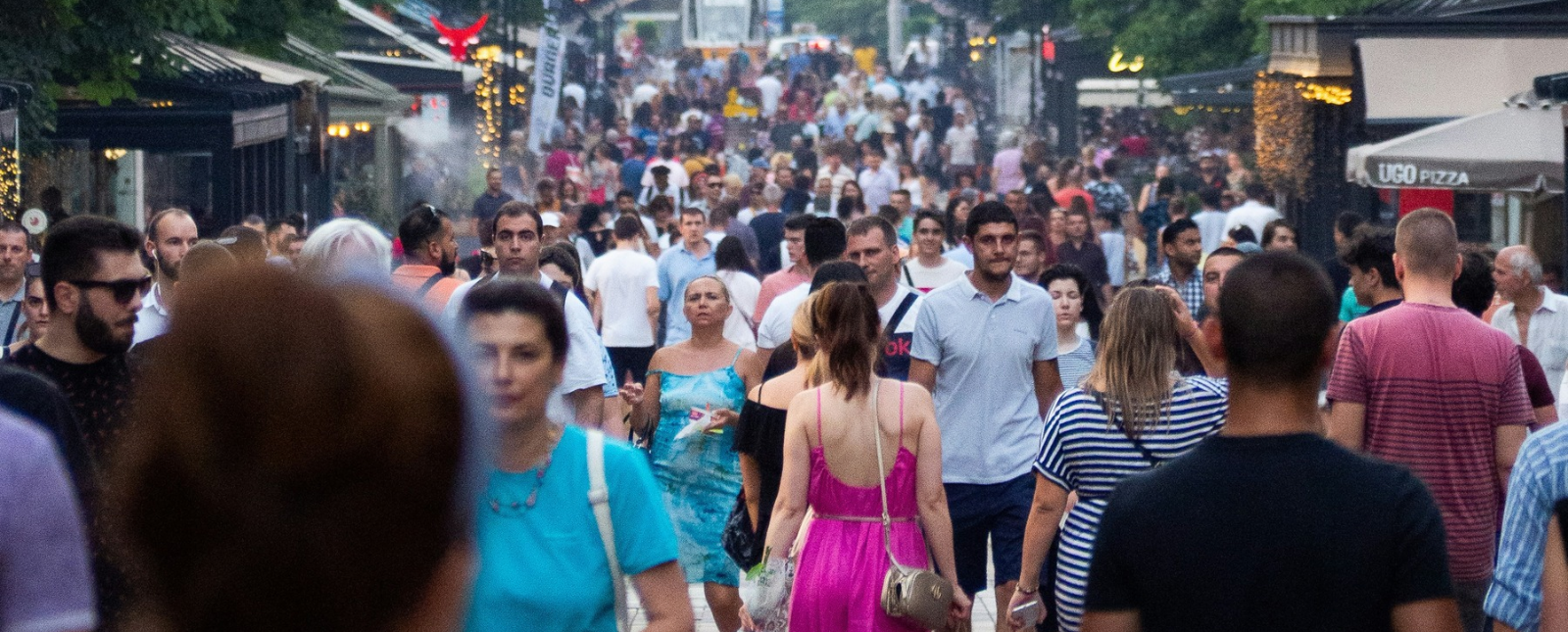
Support for European integration and satisfaction with the European Union are not the same thing. Alexander Kossev argues that Bulgaria reveals a politically important group of frustrated Europeans. They value integration but remain disappointed by its results – creating frustration that political parties can redirect towards very different visions of Europe Not every critic wants […] Read more
Vera Tika
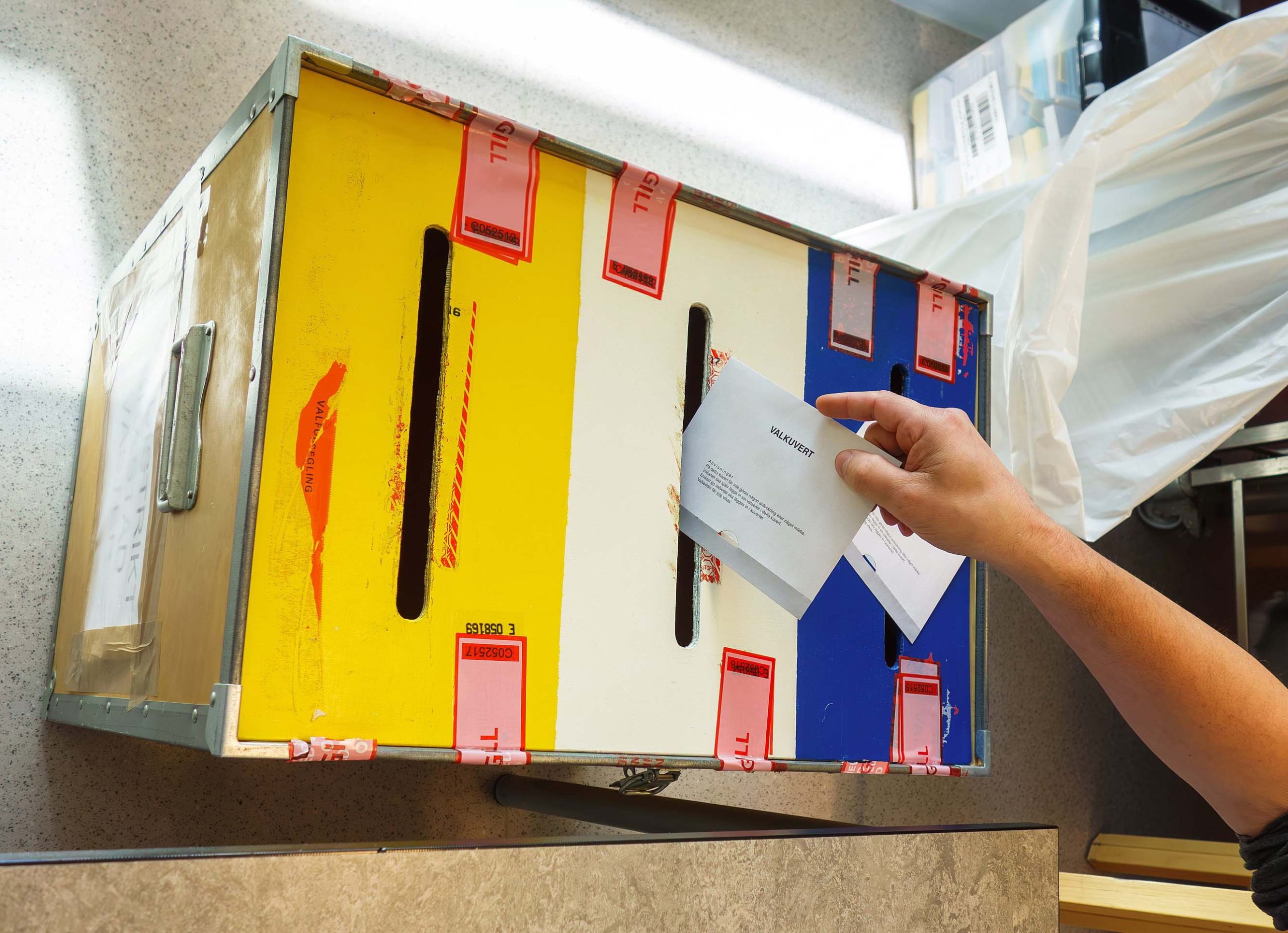
Sweden's election defeated the Tidö bloc and blocked the Sweden Democrats' route into government. Yet the restrictive political settlement they helped construct may endure. Vera Tika argues that far-right normalisation is not automatically reversed by electoral defeat: once institutionalised, illiberal change can acquire a political life of its own Read more
Robin Gilman
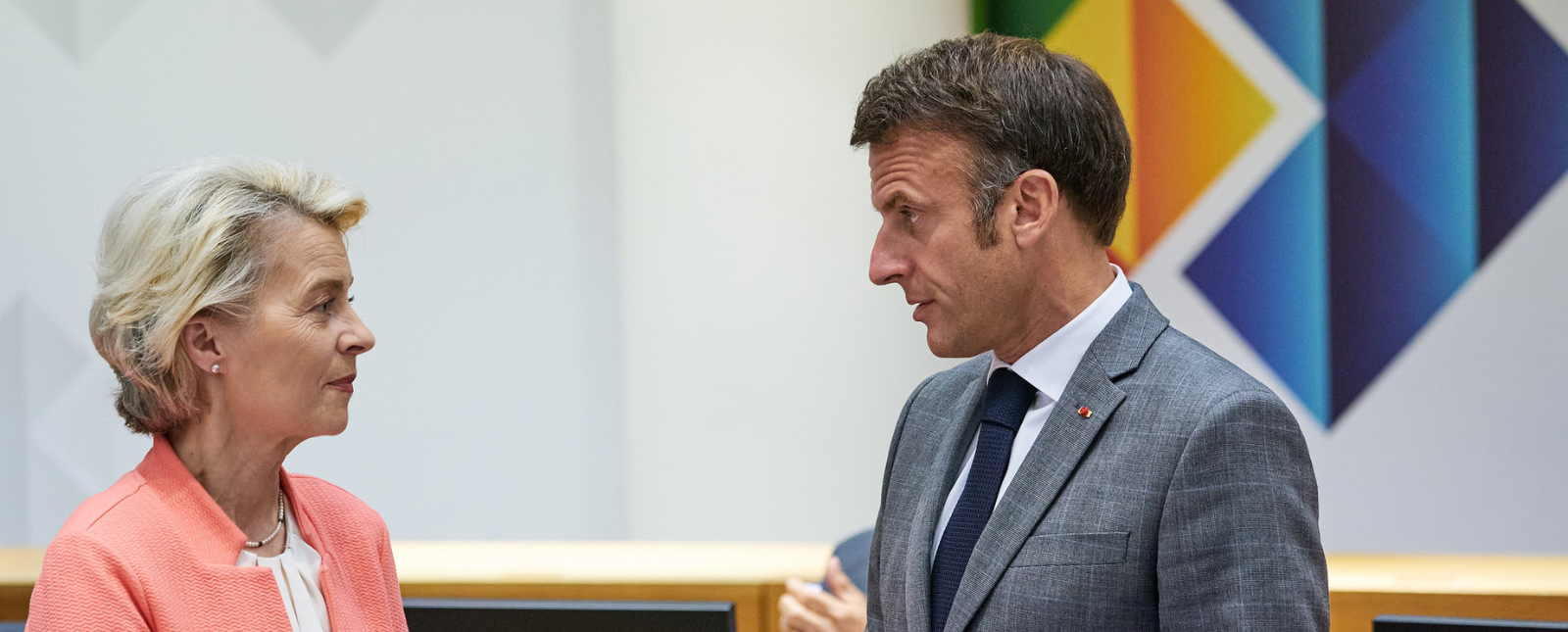
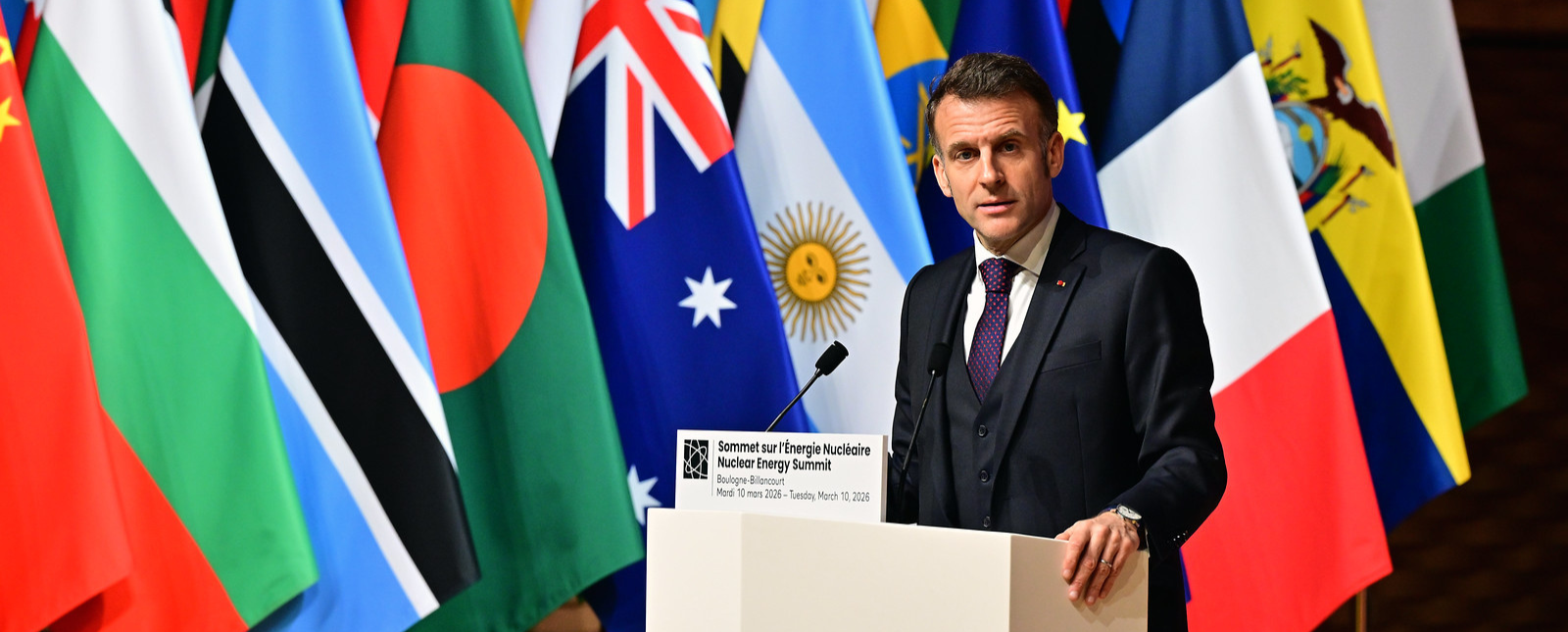
France claims that a 'safer’ Europe is the goal of its new nuclear policy. Yet Robin Gilman argues that undermining the nonproliferation treaty is eroding the EU’s credibility and safety, leaving it at a crossroads. It can either remain a reliable partner – or fuel the collapse of the rules-based order Read more
Katharina Tittel
In social media, while documenting what gets said is important, understanding who posts which sources to raise their visibility is also key. Katharina Tittel, William Allen, and Pedro Ramaciotti use immigration in France to show how far-right users of X cite sources strategically to achieve their goals Read more
Maya Ikene
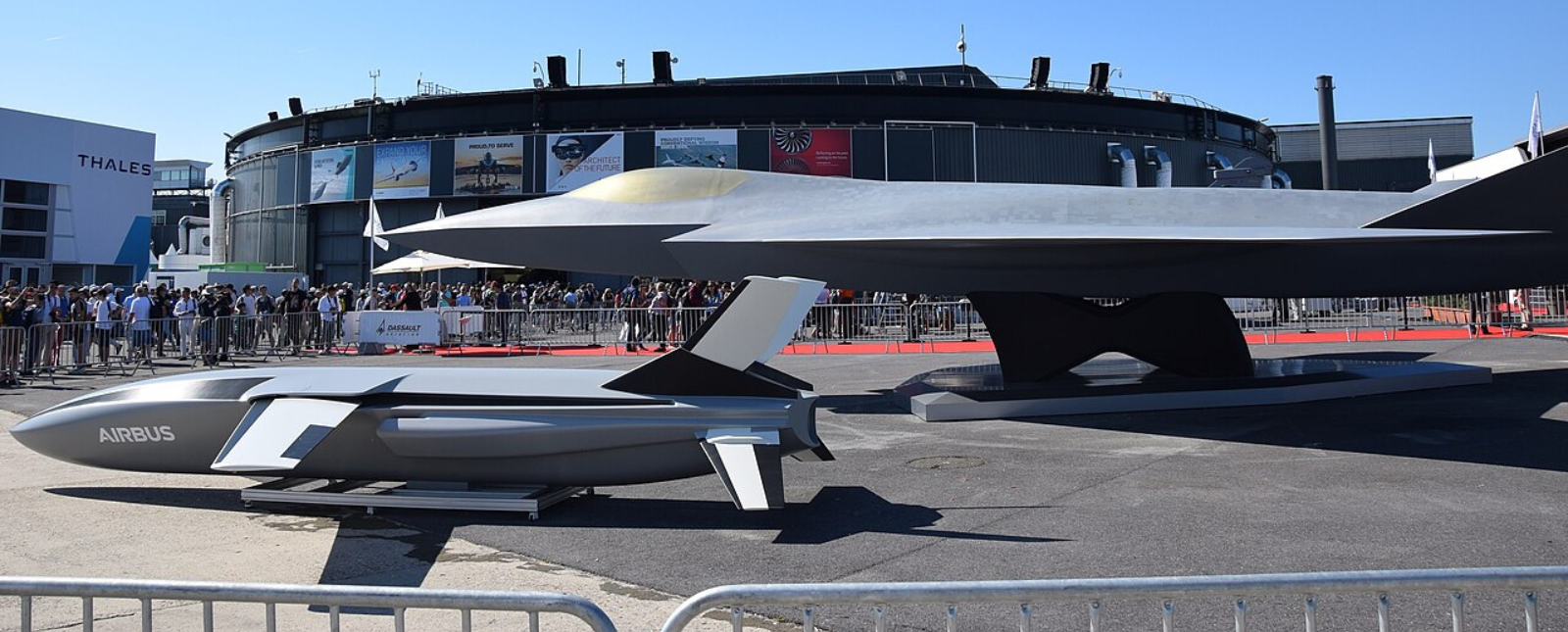
The EU's ambition to strengthen defence cooperation is exposing new tensions at the heart of EU leadership. Maya Ikene argues that the Future Combat Air System reveals the limits of the Franco-German 'engine' of European integration and why future European defence initiatives may require broader coalitions beyond Paris and Berlin Read more
Shamsoddin Shariati
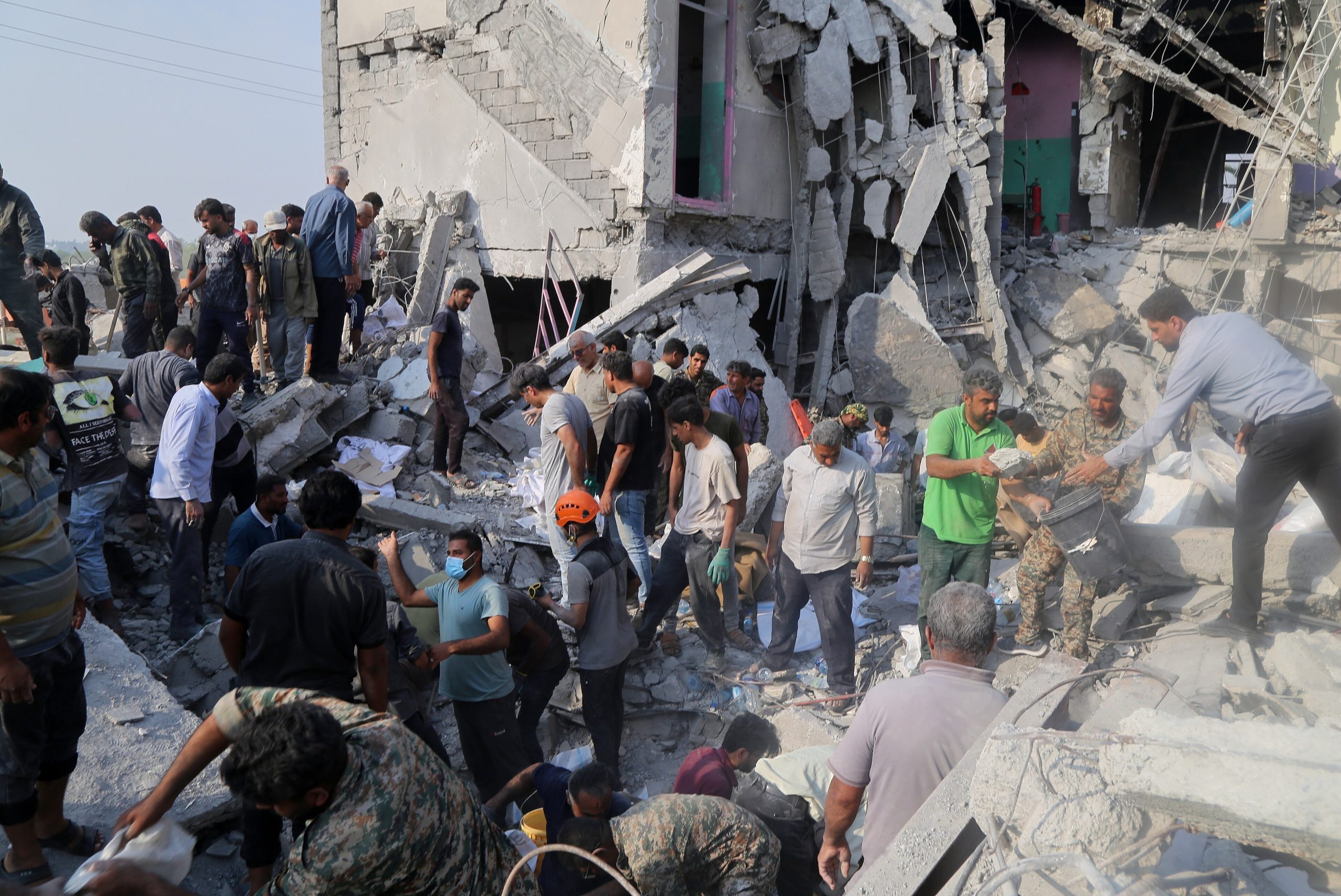
Europe’s support for the US-Israeli war on Iran, in the hope of securing American backing for Ukraine, is a strategic mistake, argues Shamsoddin Shariati. Rather than buying goodwill in Washington, European leaders are undermining their own security, credibility, and strategic autonomy Read more
Olamide Samuel
France’s new nuclear posture and Russia’s nuclear build-up in Belarus have made Europe feel vulnerable. But, argues Olamide Samuel, stronger nuclear rhetoric will not make Europe safer or more independent. Europe’s real task is to rebuild arms control, consultation, and dialogue before nuclear danger becomes harder to contain Read more
John Ryan
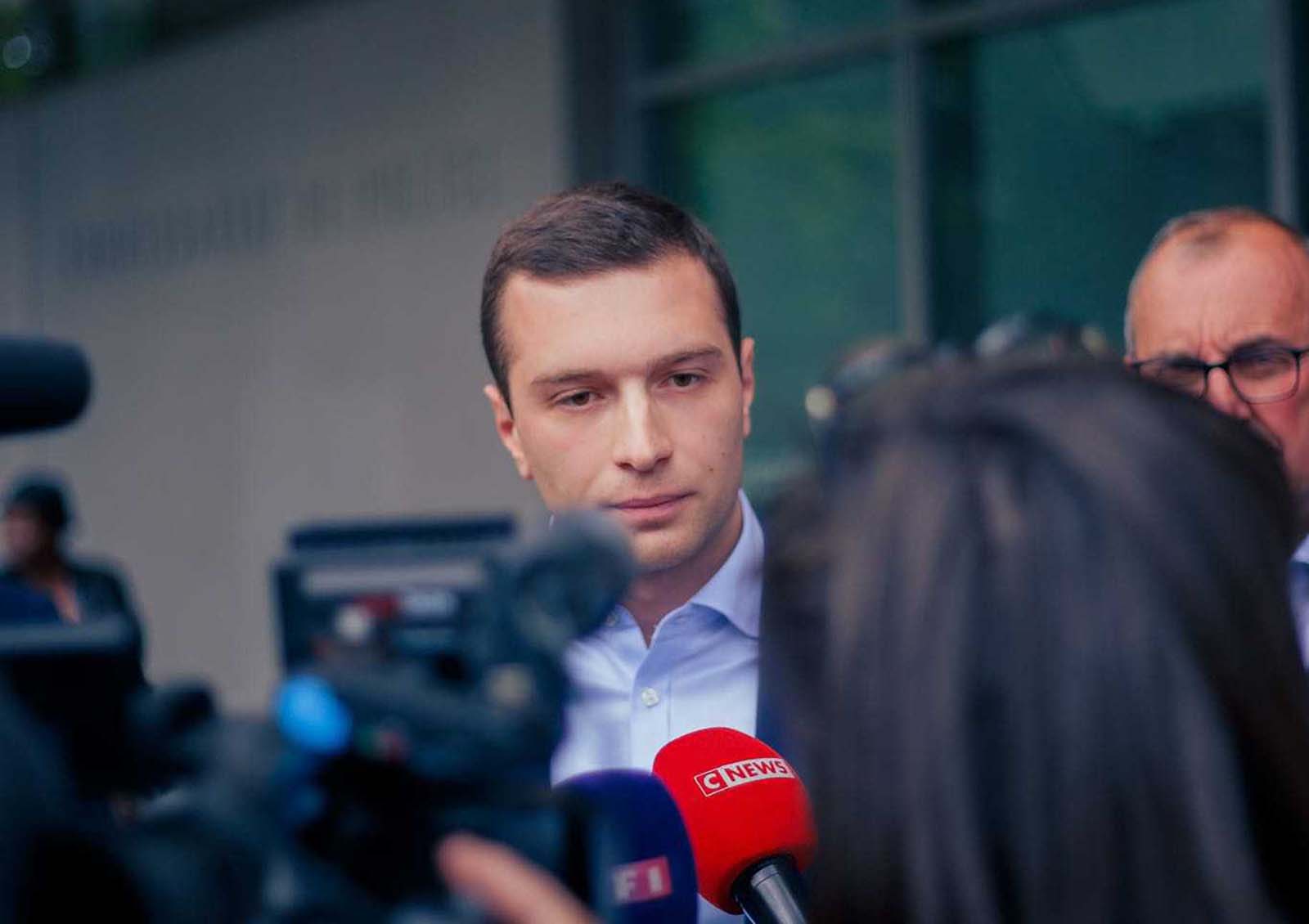
A Jordan Bardella presidency would represent the most significant reconfiguration of executive power since the Fifth Republic’s founding. Even without a radical policy rupture, the symbolic impact on democratic norms and institutional trust would be profound, including significant risks for the EU, argues John Ryan Read more
We use necessary cookies to make our site work. We'd also like to set analytics cookies that help us make improvements by measuring how you use the site. These will be set only if you accept.
▼
Strictly Necessary Cookies
Necessary cookies enable core functionality such as security, network management, and accessibility. You may disable these by changing your browser settings, but this may affect how the website functions.
▼
Analytics Cookies
Google Analytics
We'd like to set Google Analytics cookies to help us improve our website by collecting and reporting information on how you use it. The cookies collect information in a way that does not directly identify anyone. For more information on how these cookies work please see our Privacy Notice.