Maria Merkouraki
EU digital diplomacy during the Russia-Ukraine war has led to the rise of hard-power discourse, writes Maria Merkouraki. The war has disrupted traditional pro-European soft messaging, and shifted the EU's approach to digital diplomacy Read more
Bernardo Jurema
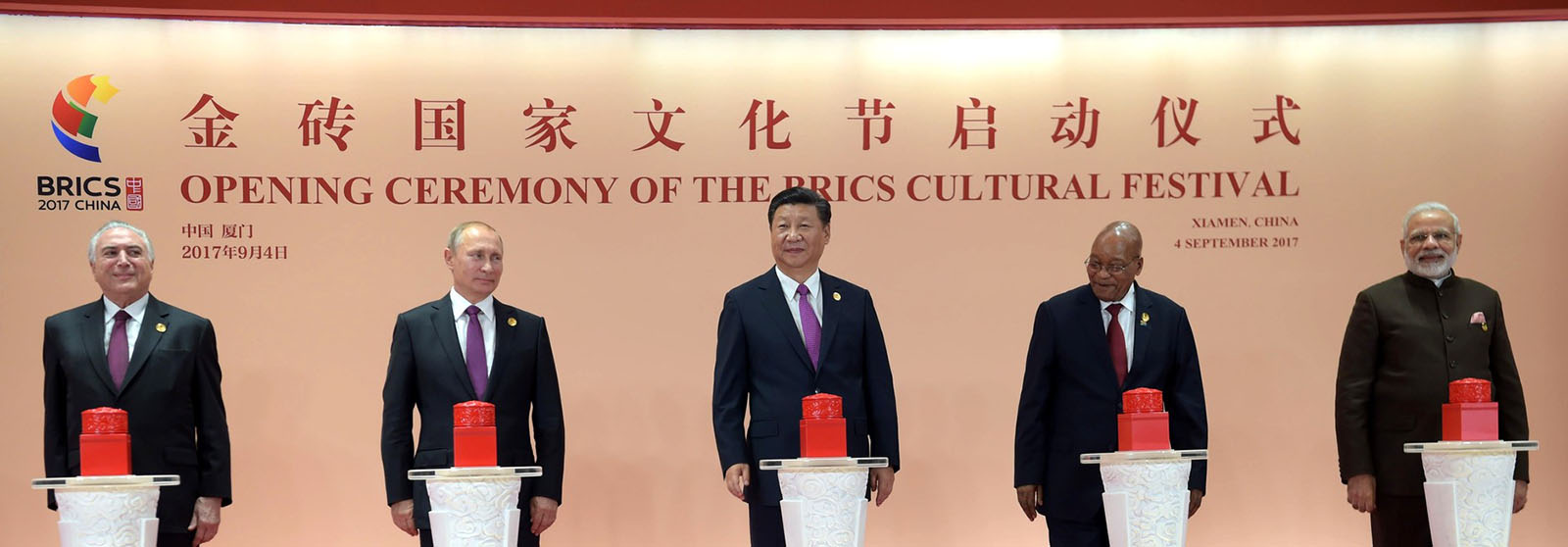
Bernardo Jurema places the recent BRICS expansion into appropriate historical context. It is, he argues, a project to de-westernise the world, opening up new possibilities, including de-colonialisation along the lines of previous historical attempts. It may not be everything that is needed, but it is a significant step forwards Read more
Aida Halilovic
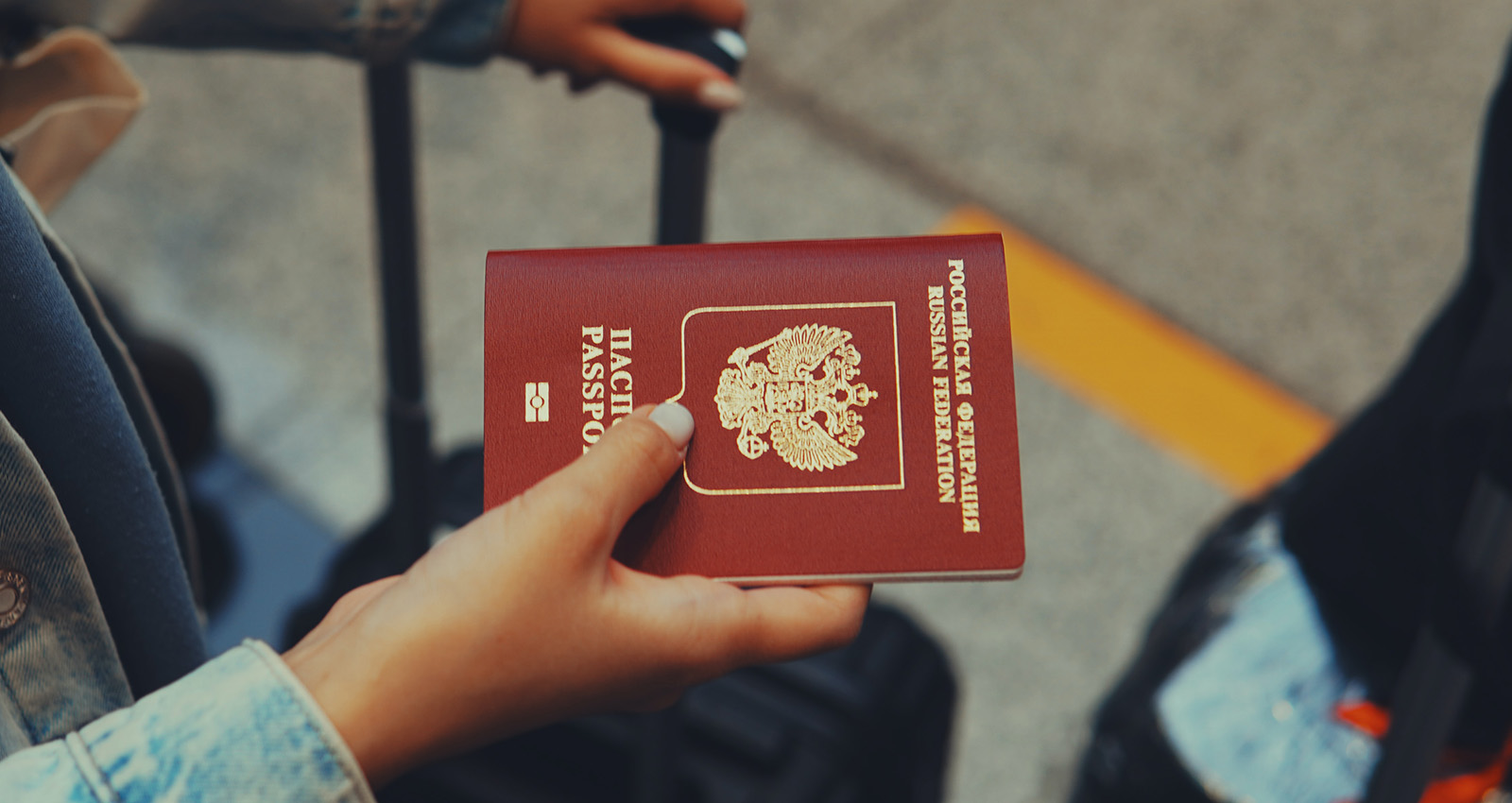
Aida Halilovic argues that Putin’s (flawed) narrative of his invasion of Ukraine is best understood through a historical lens. She highlights the substantial minorities who now live in non-kin states in Europe, and their place in the security landscape of Europe To understand Russia’s rhetoric, it is important to grasp the role that minorities have […] Read more
Steven Langendonk
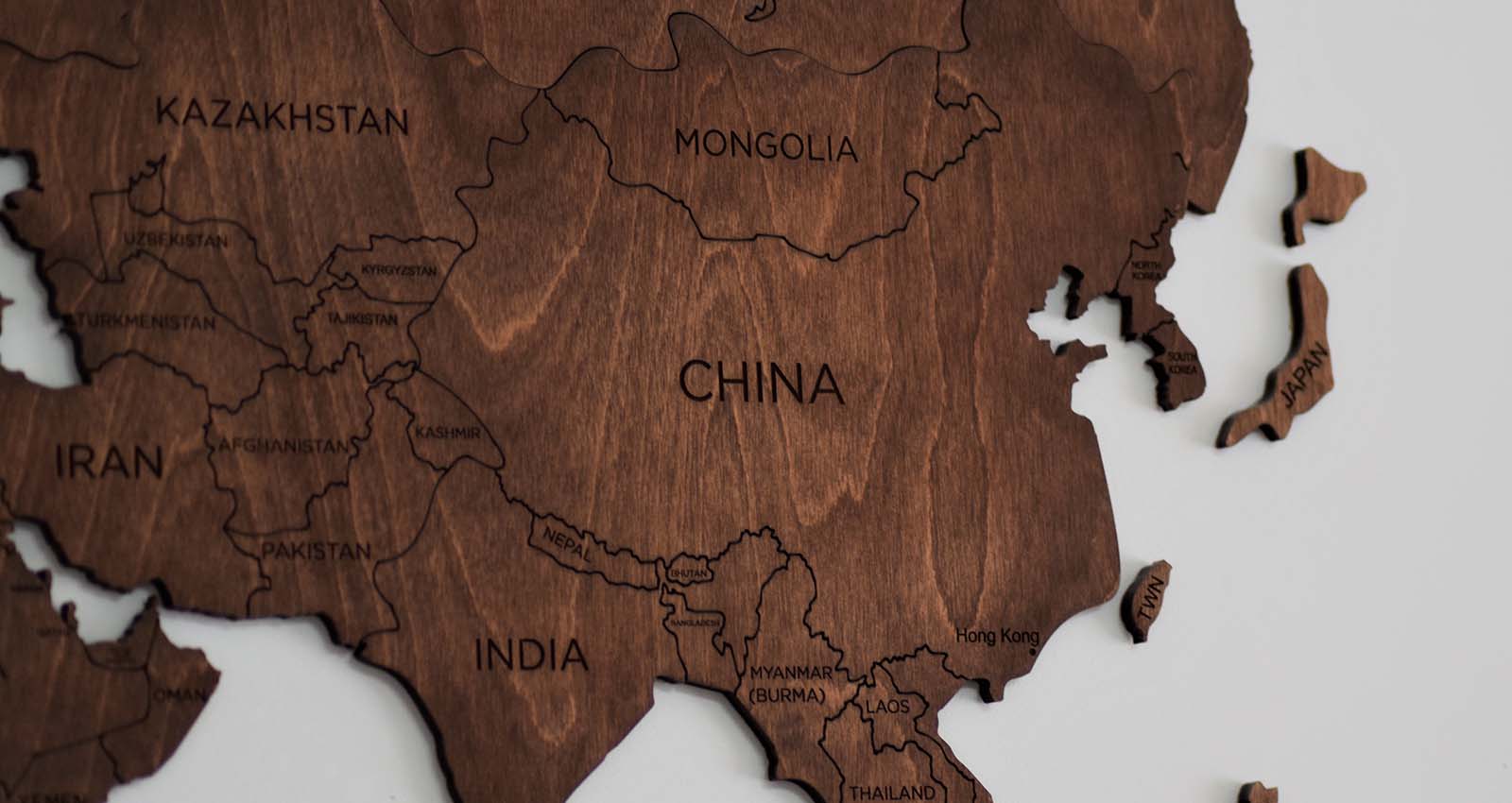
Steven Langendonk contests the idea that Brussels’ new China strategy is indicative of greater agency. Instead, he says, the EU-China relationship is firmly grounded in internal struggles. The pressure is on to manipulate member states' sentiments and to provide a new political narrative for a changing relationship. Read more
Samuel Brazys
China seeks to control the international narrative on its role in the pandemic. But while Beijing cannot always deflect criticism, its mask diplomacy efforts and external propaganda streams do affect China’s image, write Samuel Brazys, Alexander Dukalskis and Stefan Müller Read more
Kristin Haugevik
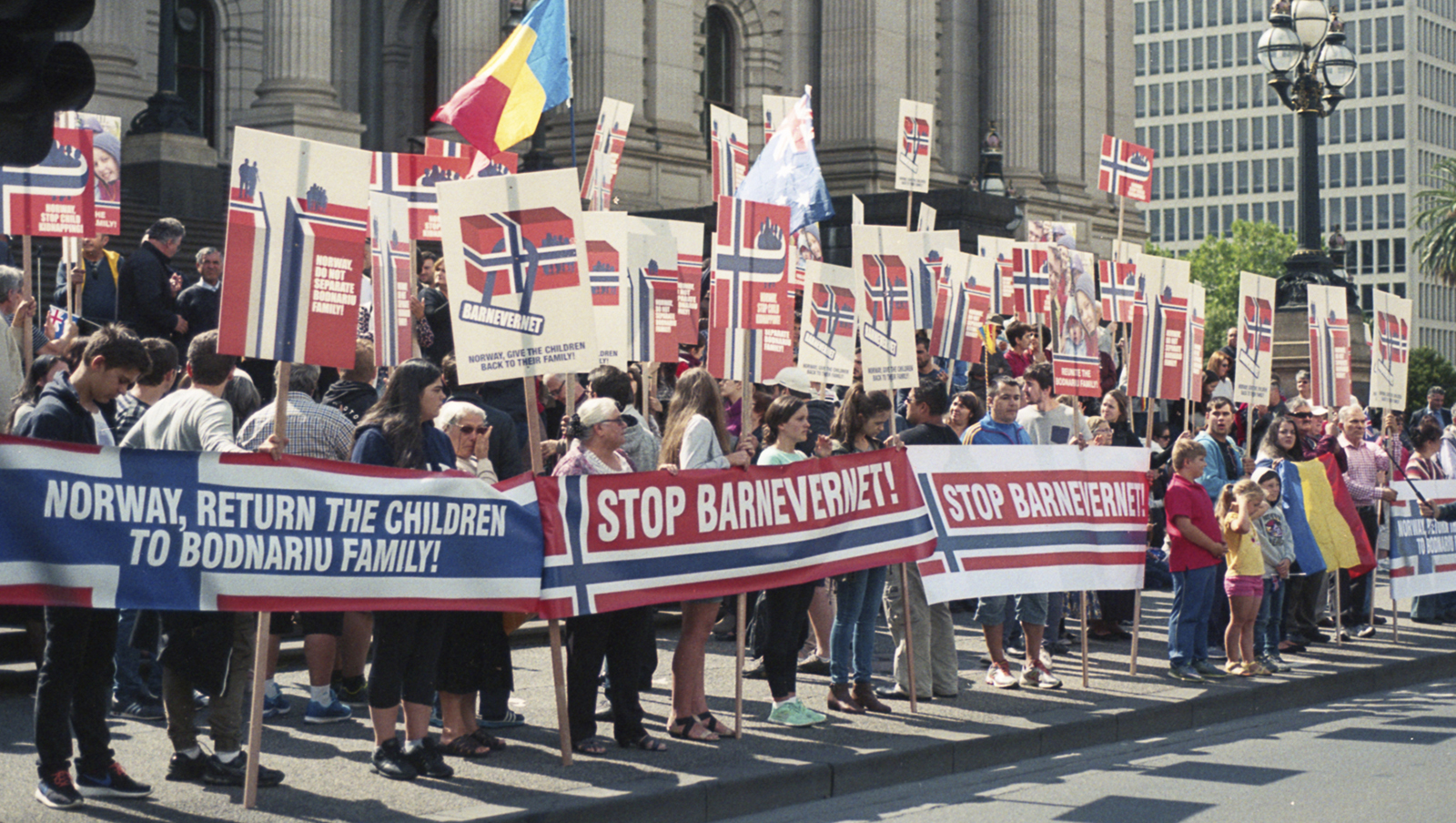
When states are criticised, they normally recognise, reject or counter the critique. Yet they could listen to and contain criticism without directly rejecting or recognising it. Using criticism of Norway’s Child Welfare Services as an example, Kristin Haugevik and Cecilie Basberg Neumann show that diplomatic containment can prevent conflict accelerating and then damaging bilateral relations […] Read more
Hanna Vasilevich
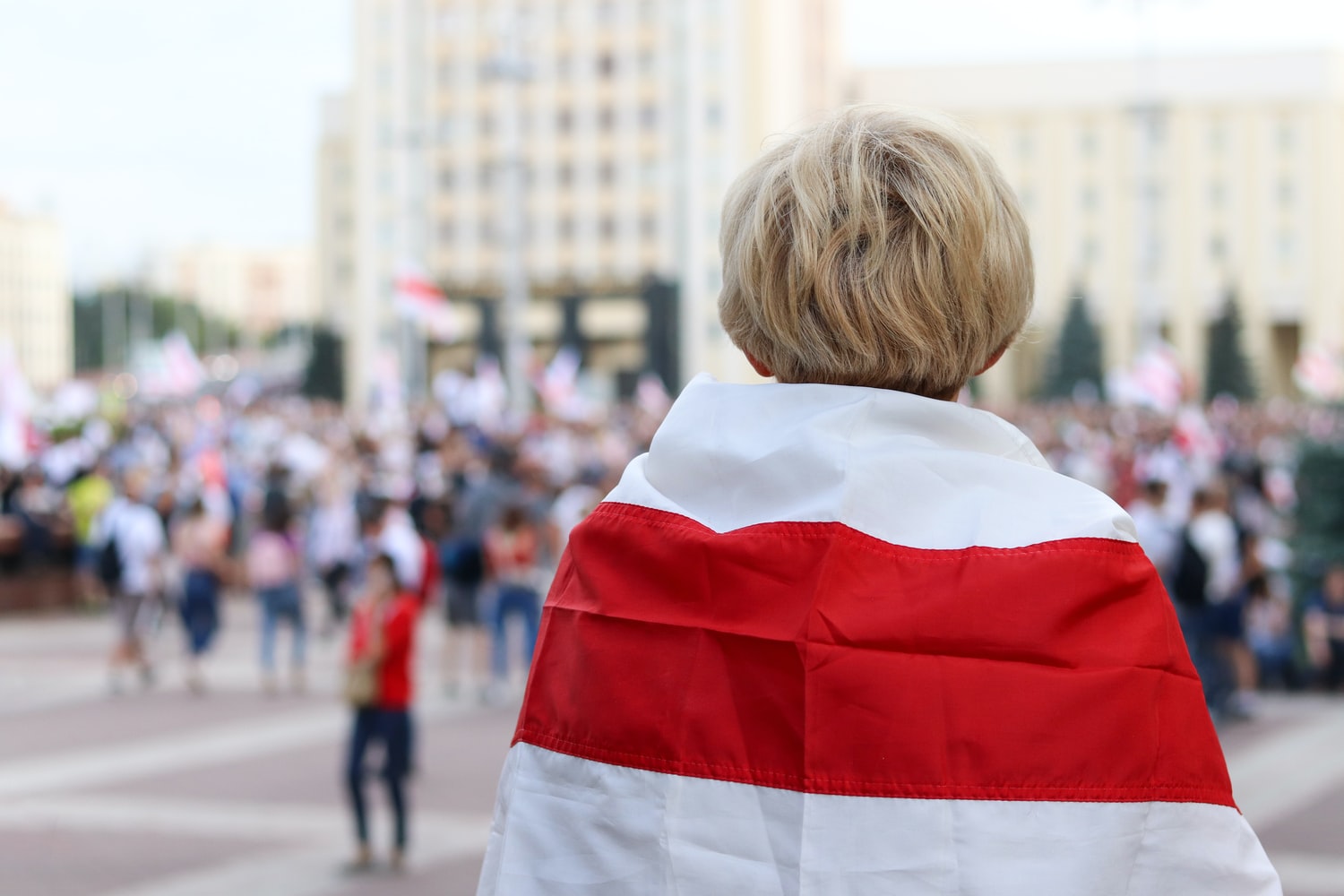
Diplomatic tensions between Poland and Belarus intensified throughout March 2021. In response, Belarusian authorities initiated repressive legislation targeting civil society and protestors. But in so doing, they also affected national minorities in Belarus, writes Hanna Vasilevich Read more
We use necessary cookies to make our site work. We'd also like to set analytics cookies that help us make improvements by measuring how you use the site. These will be set only if you accept.
▼
Strictly Necessary Cookies
Necessary cookies enable core functionality such as security, network management, and accessibility. You may disable these by changing your browser settings, but this may affect how the website functions.
▼
Analytics Cookies
Google Analytics
We'd like to set Google Analytics cookies to help us improve our website by collecting and reporting information on how you use it. The cookies collect information in a way that does not directly identify anyone. For more information on how these cookies work please see our Privacy Notice.