João Alípio Correa
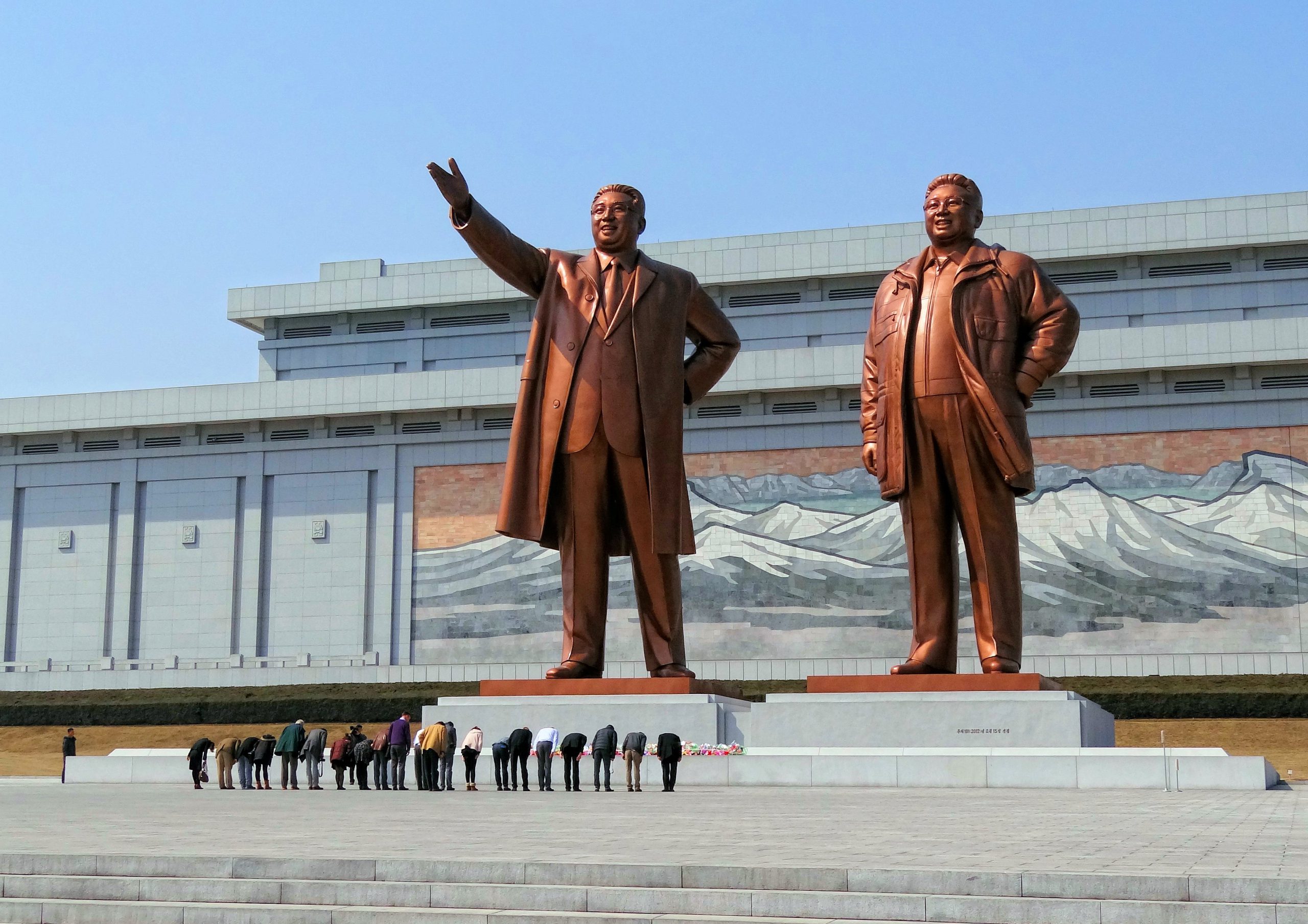
The concept of 'illiberal democracy' is well-founded, but João Alípio Correa argues that it fails to convey what is happening in regimes described as such. To gain a more incisive understanding of the current deterioration in democratic regimes, he proposes the umbrella definition 'autocratisation' Read more
Alexander De Juan
Dictators depend on committed bureaucrats to stay in power. To instil loyalty, some indoctrinate through enforced military service. Alexander De Juan, Felix Haaß, and Jan Pierskalla warn that this strategy can backfire. Rather than creating truly convinced cadres, conscription can help bureaucrats get better at faking loyalty Read more
Hager Ali
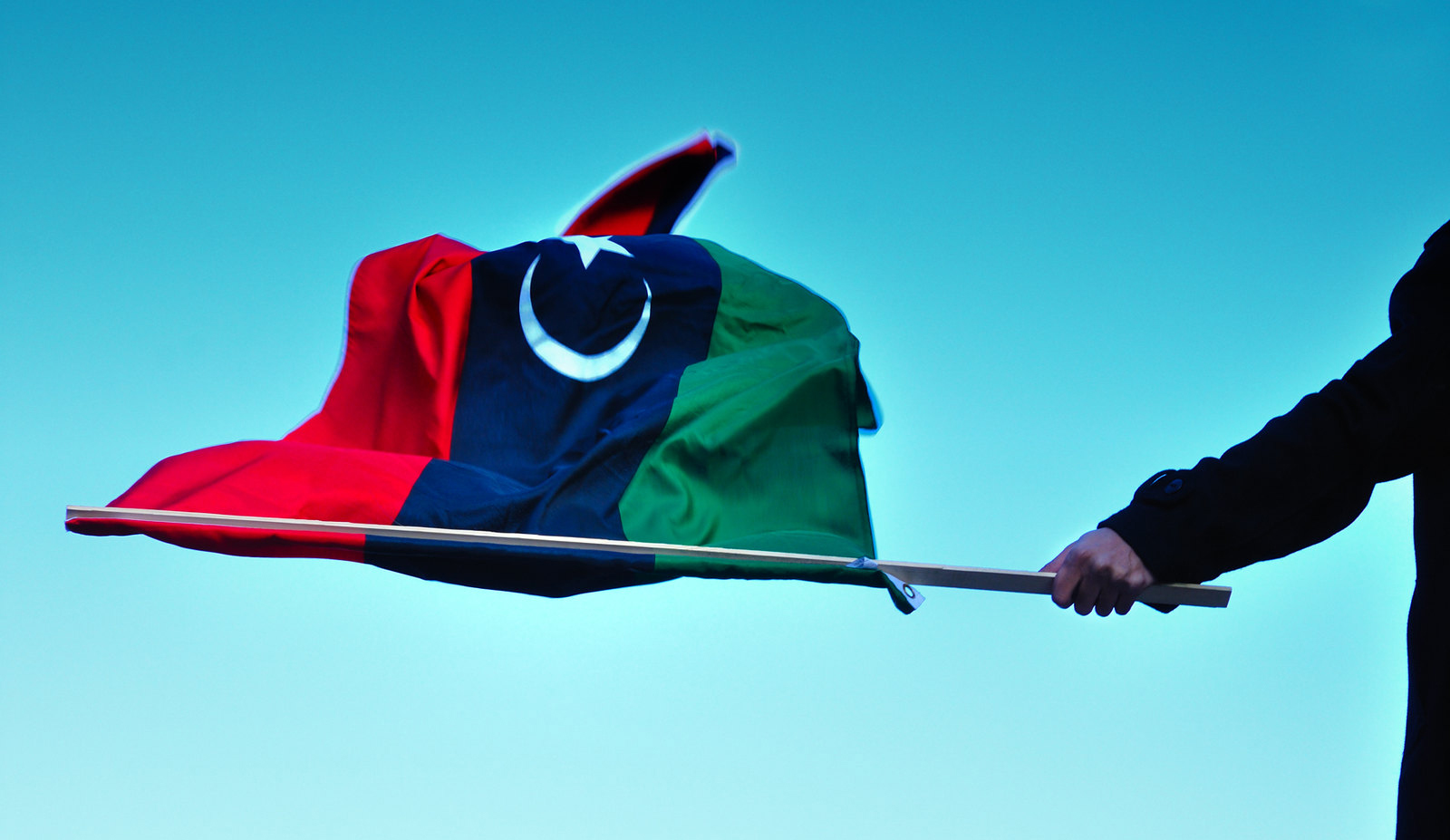
Only a few months remain before elections in Libya. But Western policymakers are focusing on election preparations and the withdrawal of foreign mercenaries, to the neglect of other pressing matters. Hager Ali argues that unless Libya tackles its political and military problems, elections may prove little more than a sticking plaster on a bullet wound Read more
Luca Manucci
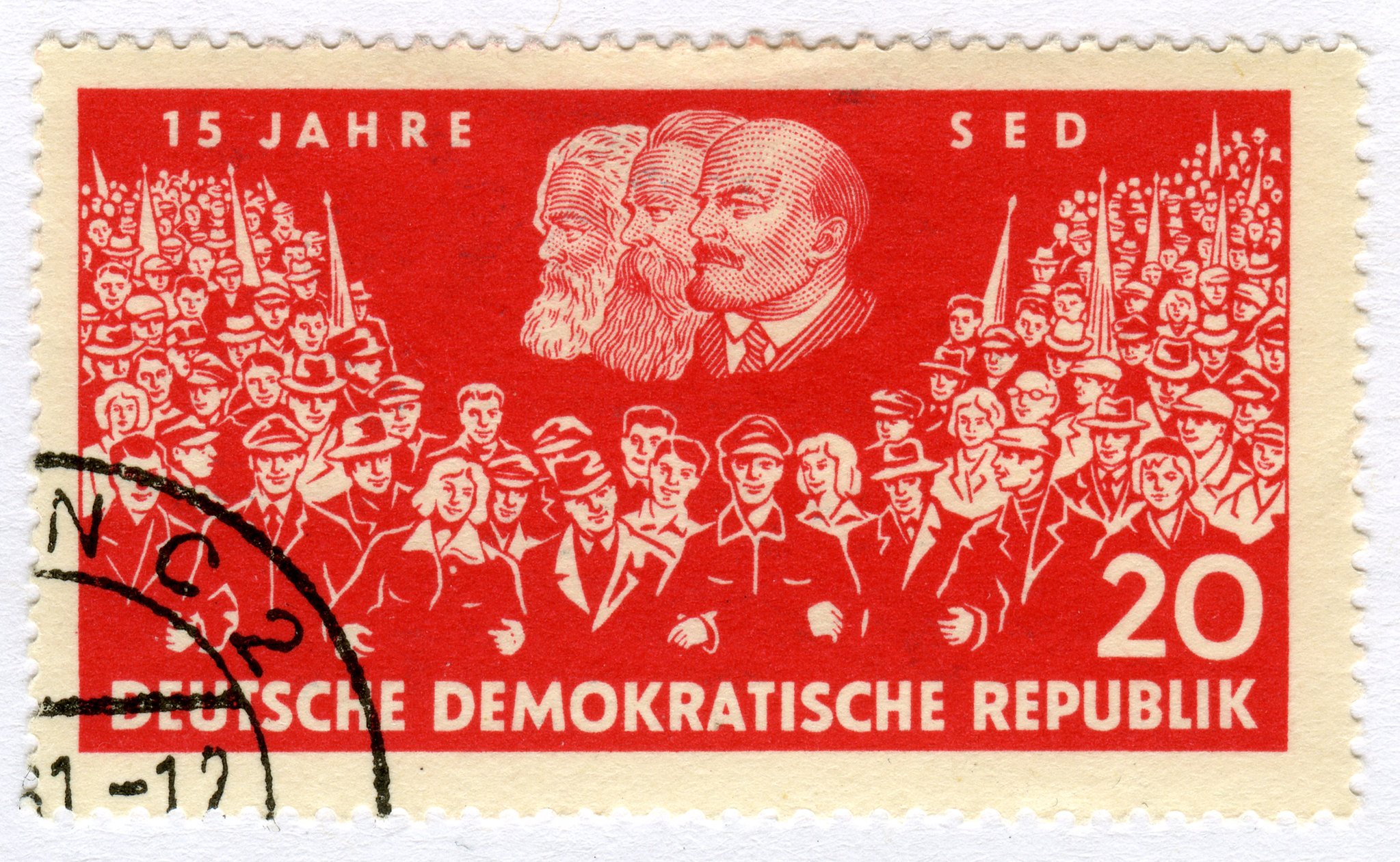
Luca Manucci, in a panoramic survey of the rise of illiberalism in our times, argues that this trend is feeding on authoritarian historical legacies and memories which are being rewritten before our eyes. It is an exercise all democrats should challenge, and resist Read more
Zeynep Menteşoğlu Tardivo
Zeynep Mentesoglu Tardivo analyses the role played by nominally democratic political institutions in authoritarian regimes. She argues that rulers design such institutions to consolidate their power base, even at the cost of economic and political development Read more
Jun Koga Sudduth
Does the creation of nominally democratic institutions help dictators stay in power by reducing the risk of coups d’etat? Jun Koga Sudduth analyses and categorises different types of coup, and their effects. In so doing, she confounds the conventional wisdom that democratic institutions reduce the likelihood of dictators being overthrown Read more
Alexander Dukalskis
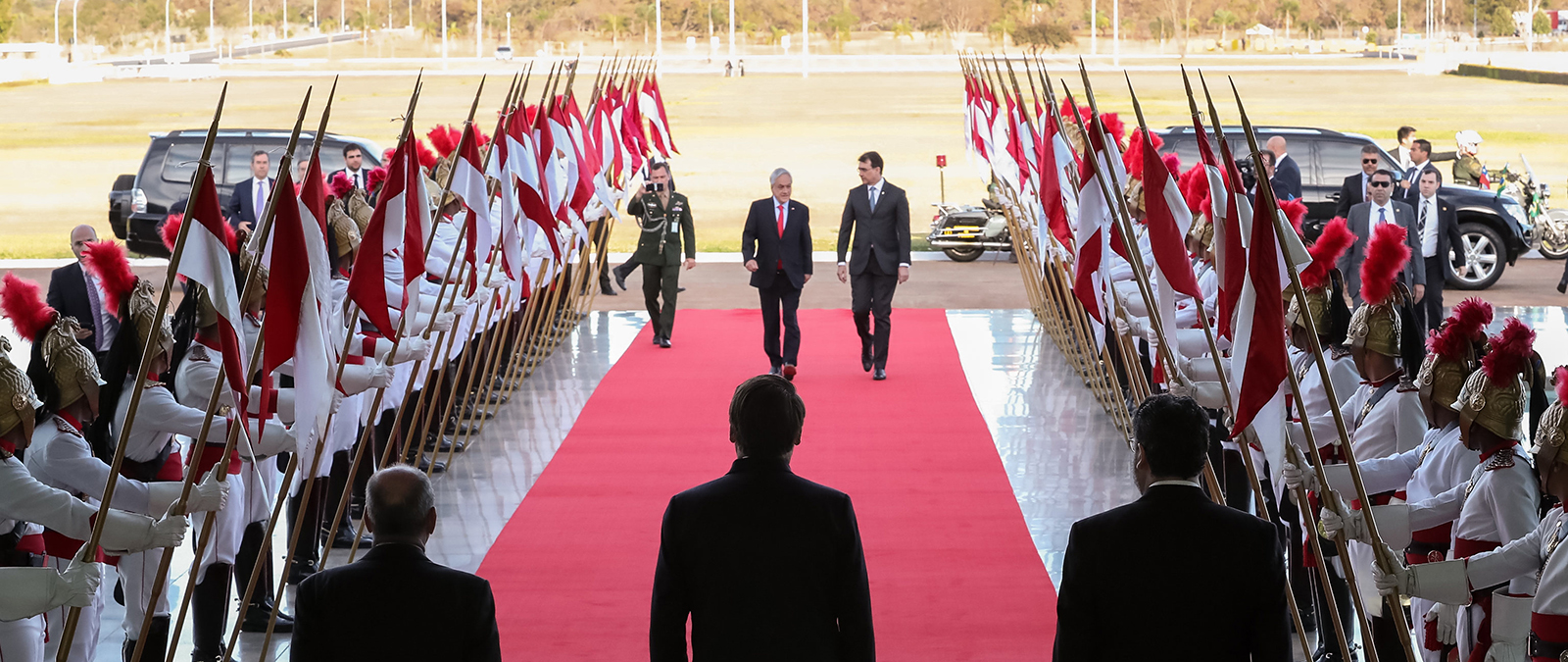
Authoritarian states deliberately use a number of tools to manage their image internationally, writes Alexander Dukalskis. Creating positive news, distracting and silencing critique, and shaping elite opinion help make the world safer for dictatorships Read more
Lars Pelke
It is a common assumption that autocrats have no incentive to redistribute income and wealth. Not so, says Lars Pelke. Uncertainty about the outcomes of autocratic elections can incentivise dictators to redistribute wealth, especially when the incumbents’ ruling coalition is inclusive Read more
We use necessary cookies to make our site work. We'd also like to set analytics cookies that help us make improvements by measuring how you use the site. These will be set only if you accept.
▼
Strictly Necessary Cookies
Necessary cookies enable core functionality such as security, network management, and accessibility. You may disable these by changing your browser settings, but this may affect how the website functions.
▼
Analytics Cookies
Google Analytics
We'd like to set Google Analytics cookies to help us improve our website by collecting and reporting information on how you use it. The cookies collect information in a way that does not directly identify anyone. For more information on how these cookies work please see our Privacy Notice.