Rachel M. Gisselquist
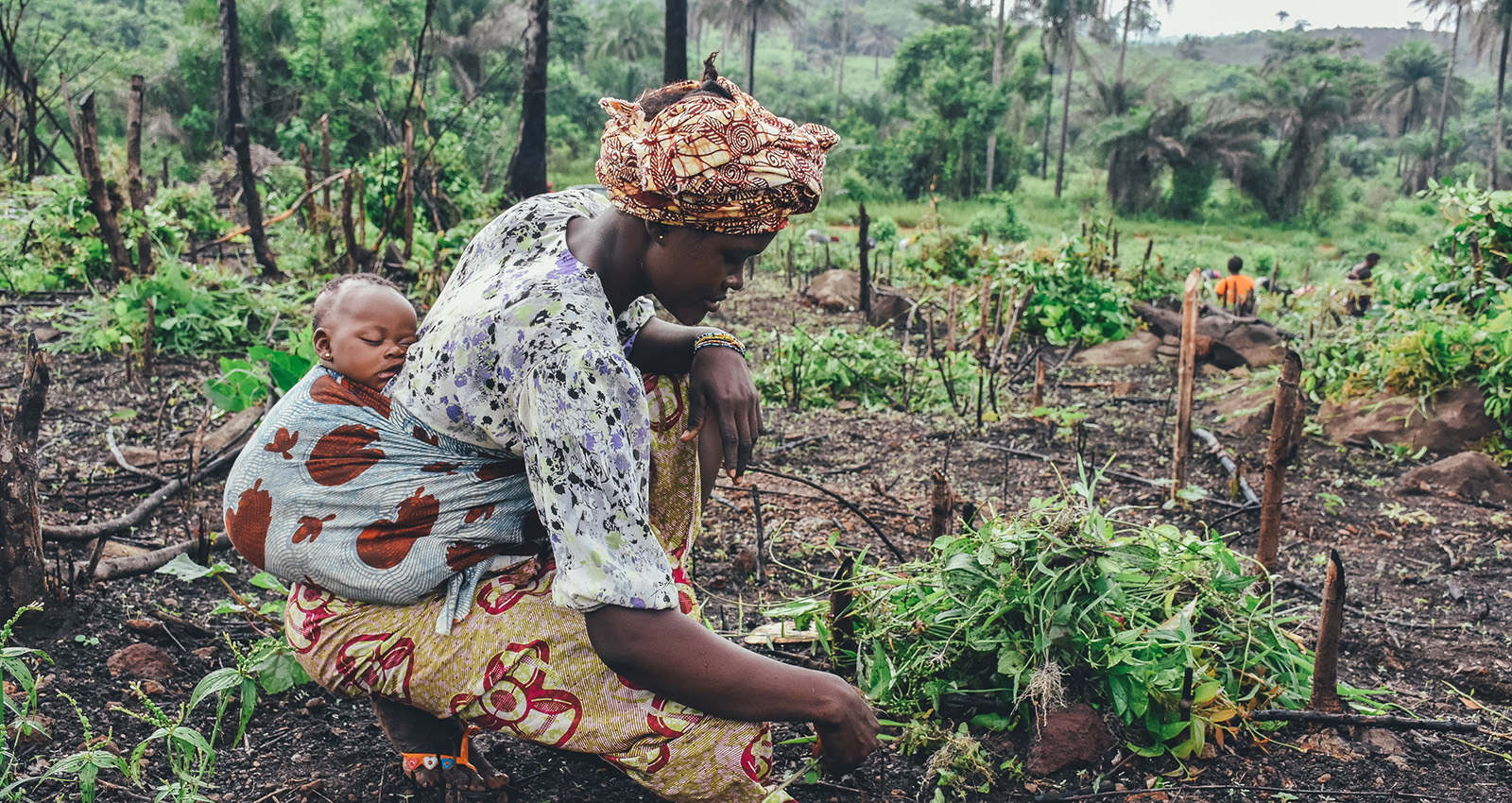
Demonstrating empirically the Aid Effectiveness Principles' global impact on development is a challenge. But according to Rachel M. Gisselquist, Patricia Justino, and Andrea Vaccaro, the value of these principles lies in mobilising support for normative commitments such as establishing effective, accountable, and inclusive institutions Read more
Max-Otto Baumann
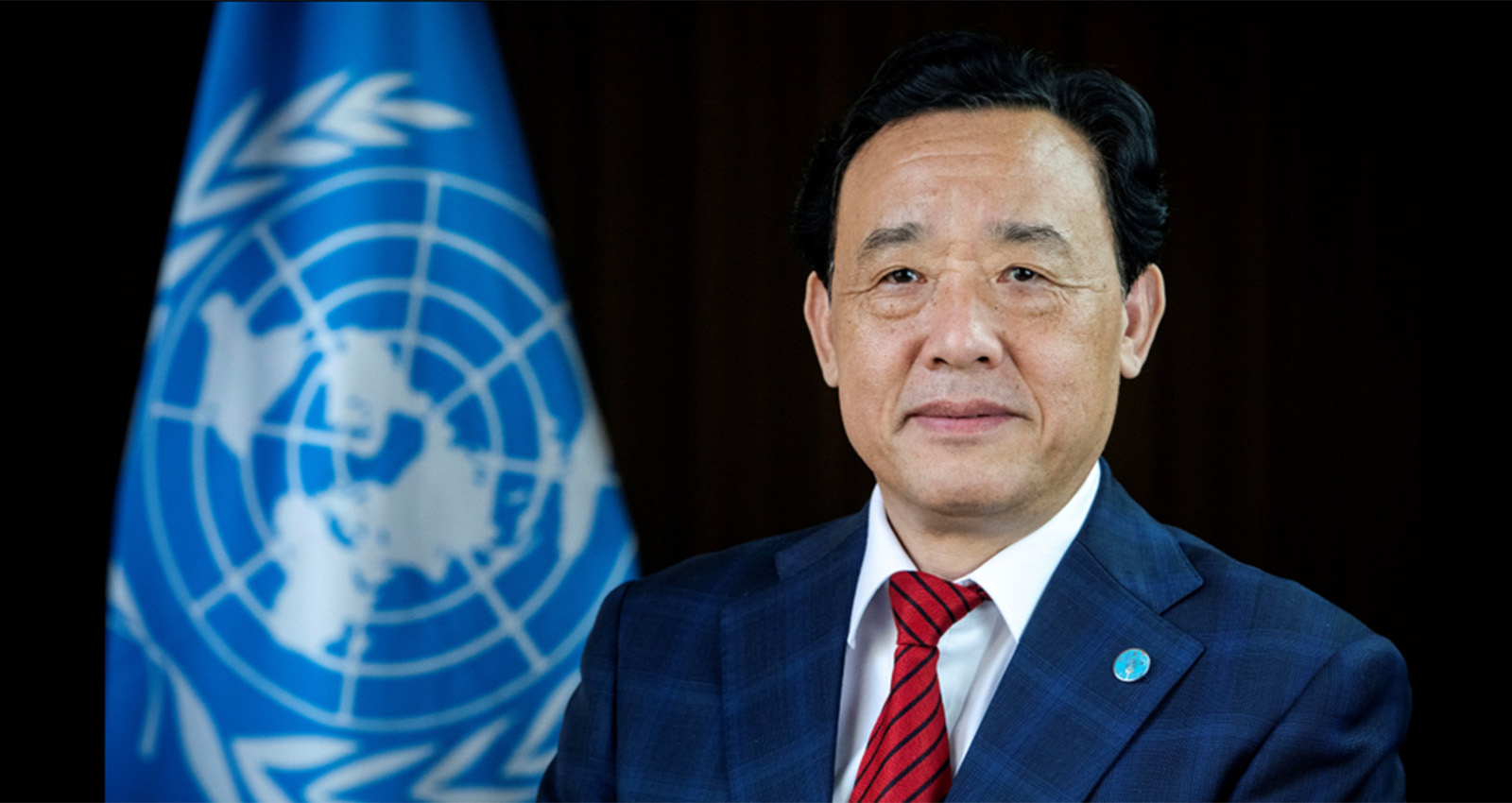
China’s presence in United Nations (UN) development work has expanded considerably. While this contributes to geopolitical rivalries with the West, Max-Otto Baumann and Sebastian Haug advocate examining the potential and risks of China’s take on the UN’s role, its cooperation priorities, and development philosophy Read more
Joyce Wu
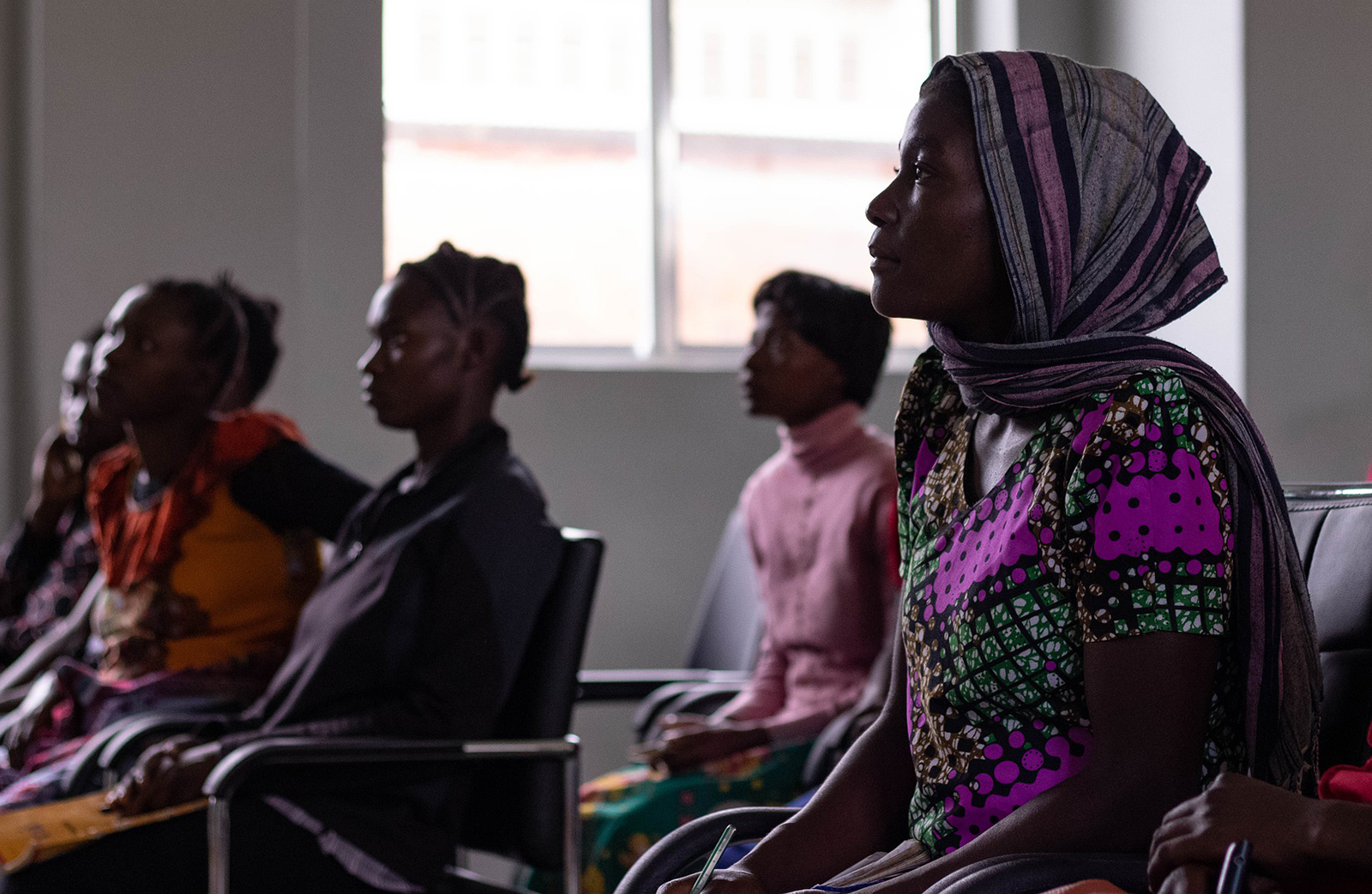
Addressing gender inequality is a critical aspect of international development. So why has progress been so slow? Joyce Wu considers the roadblocks on the path of gender and development. Here, she focuses on institutional resistance, and suggests how to break it down Read more
Lyndsay Hayhurst
Women and girls’ increased access to bicycles can support sustainable development, says the UN. Yet, write Lyndsay Hayhurst and Mitchell McSweeney, the bicycle may also exacerbate gender inequality Read more
Sebastian Steingass
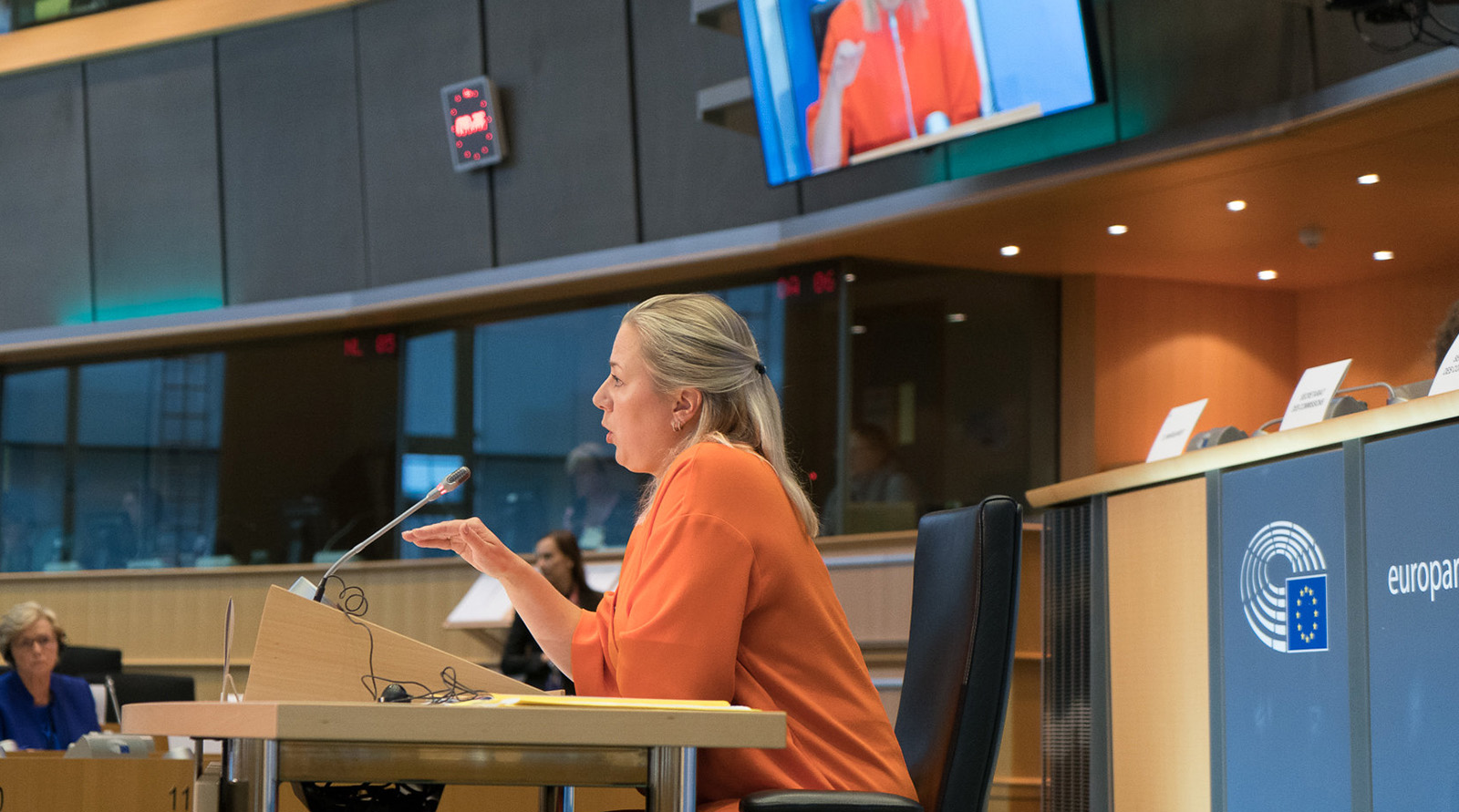
According to the European Union, the time of aid donors and recipients is over. But the transition towards policies and equal partnerships conducive to global development remains elusive. Sebastian Steingass argues that it is doubtful whether such transition is sufficient to overcome the EU's post-colonial legacies Read more
Sebastian Haug
The ‘Global South’ has become a popular meta category in the practice and study of world politics. Making use of its analytical potential, Sebastian Haug argues, requires an explicit engagement with definitions, meanings and the implications of taken-for-granted framings Read more
Johanne Døhlie Saltnes
The EU often faces criticism for conducting an inconsistent and arbitrary human rights policy. This critique is misguided and overlooks a more fundamental problem with the policy, argues Johanne Døhlie Saltnes: that it tends to be executive-driven, precluding the participation of individuals and affected groups Read more
Christine Hackenesch
Once seen as a low salience policy that member states and citizens supported without much debate, EU development policy is now politicised – inside and outside the Union. Christine Hackenesch, Julian Bergmann and Jan Orbie argue that this trend may hamper EU collective action Read more
The Loop
Cutting-edge analysis showcasing the work of the political science discipline at its best.
We use necessary cookies to make our site work. We'd also like to set analytics cookies that help us make improvements by measuring how you use the site. These will be set only if you accept.
▼
Strictly Necessary Cookies
Necessary cookies enable core functionality such as security, network management, and accessibility. You may disable these by changing your browser settings, but this may affect how the website functions.
▼
Analytics Cookies
Google Analytics
We'd like to set Google Analytics cookies to help us improve our website by collecting and reporting information on how you use it. The cookies collect information in a way that does not directly identify anyone. For more information on how these cookies work please see our Privacy Notice.