Antonio Campati
Antonio Campati, Martino Mazzoleni, and Andrea Scavo find, based on survey evidence, that Italians do not perceive an authoritarian risk in the far-right government led by Giorgia Meloni. However, they also discover a generational difference in attitudes towards democracy that may constitute concern for the future Read more
Liron Lavi
Liron Lavi and Clareta Treger argue that citizens hold a multi-dimensional perception of political representation. Using Israel as a case study, they find that citizens feel represented on dimensions that are not important to them, and also on dimensions that reflect their satisfaction with democracy Read more
Sohela Nazneen
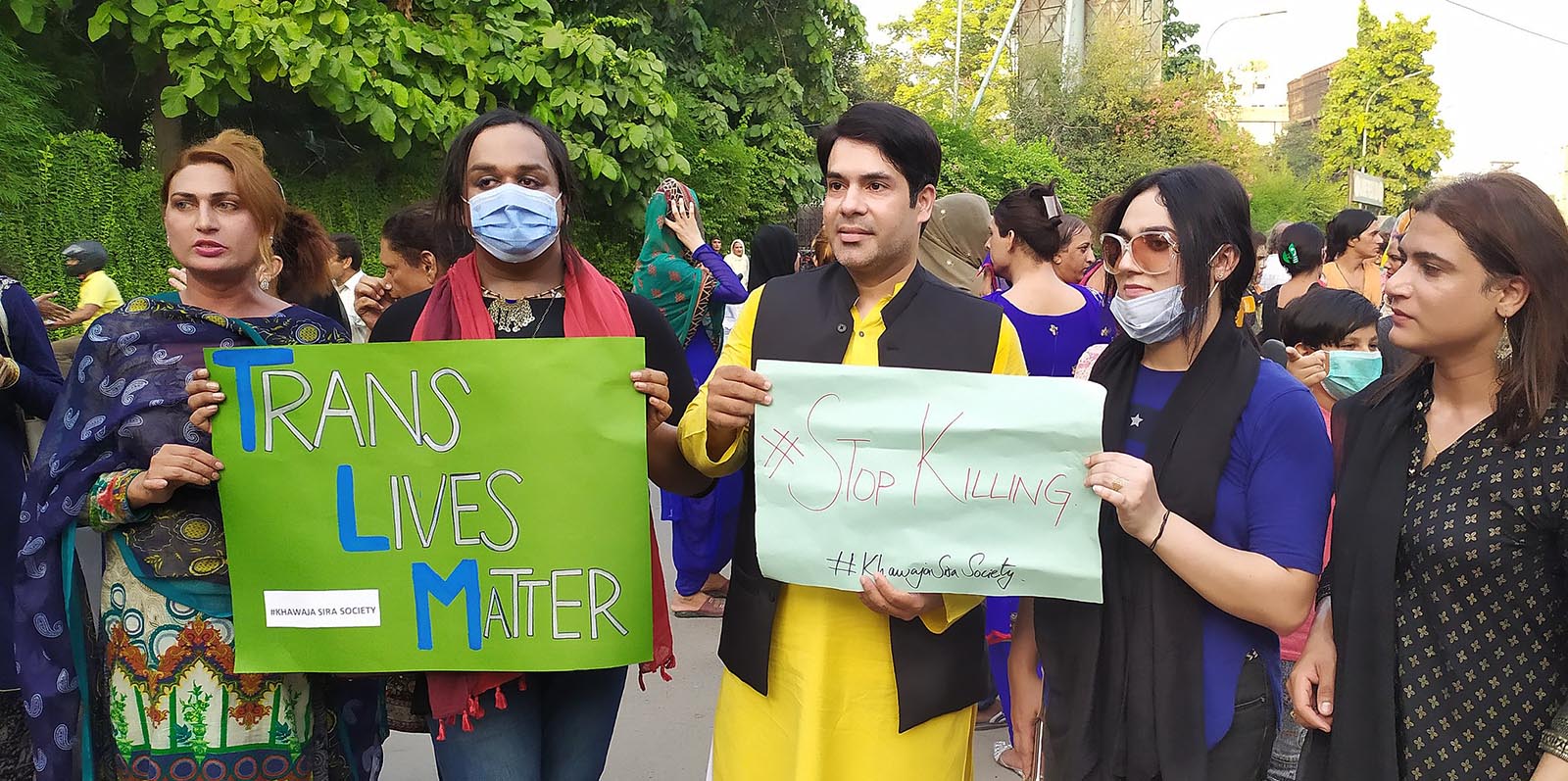
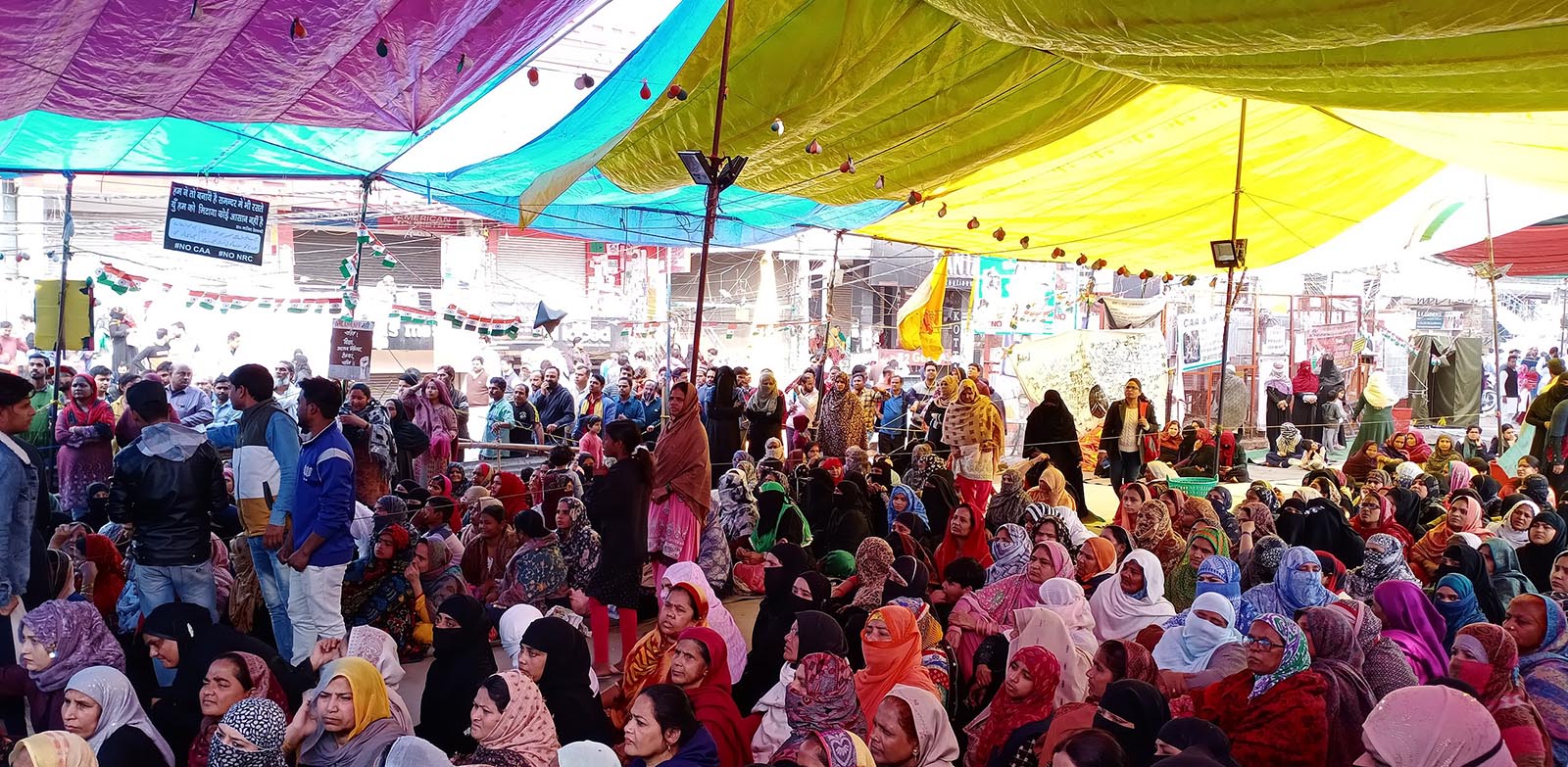
This year, millions of people in South Asia head to the polls. Potential outcomes of elections in Bangladesh, India, and Pakistan, however, do not bode well for women’s rights or gender equality, says Sohela Nazneen. The road ahead is difficult for women’s and LGBTQ+ struggles, as autocratic leaders consolidate power, and right-wing populists, digital repression, and violence against women and sexual minorities are all on the rise Read more
Saskia Brechenmacher
Saskia Brechenmacher, Erin Jones, and Özge Zihnioğlu write that gender is critical to understanding popular resistance against democratic erosion and autocratic hardening around the world Read more
Joseph Ward
The rise of authoritarian politics in ‘formal democracies’ across Europe has been met with various forms of protest. Some of these movements have achieved partial success. But evidence from the UK and France suggests that neoliberal governments are harnessing such resistance to accelerate authoritarianism and hostility towards marginalised people, write Joseph Ward and Thomas Da Costa Vieira Read more
James Dawson
The EU did not foresee how autocratisation would unfold in Central and Eastern Europe (CEE). But political scientists failed to raise the alarm, too. Lise Herman, James Dawson and Aurelia Ananda show that optimistic assumptions about democratisation misled policy makers and researchers alike Read more
Diego Fossati
We typically associate populism with corrosive partisan polarisation. Indeed, populist rhetoric often denigrates opponents as 'enemies of the people'. But while polarisation can have negative effects on democracy, Diego Fossati argues that it may also bring unexpected benefits. Using cases from Southeast Asia, he offers some convincing evidence Read more
Gülşen Doğan
Over the past two years, the number of people living under populist governments has dropped by 800 million. Why? Gülşen Doğan explains the factors helping to overturn authoritarian rule, and reveals why authoritarian leaders have been unseated in some countries, but not in others Read more
We use necessary cookies to make our site work. We'd also like to set analytics cookies that help us make improvements by measuring how you use the site. These will be set only if you accept.
▼
Strictly Necessary Cookies
Necessary cookies enable core functionality such as security, network management, and accessibility. You may disable these by changing your browser settings, but this may affect how the website functions.
▼
Analytics Cookies
Google Analytics
We'd like to set Google Analytics cookies to help us improve our website by collecting and reporting information on how you use it. The cookies collect information in a way that does not directly identify anyone. For more information on how these cookies work please see our Privacy Notice.