Elin Bjarnegård
Gender and authoritarianism are interconnected – but in different and unexpected ways. Elin Bjarnegård and Pär Zetterberg think the relationship between them deserves more attention in political science. Here, they expose the relationship in terms of two autocrat strategies: genderwashing and genderbashing Read more
Justin Kempf
Many political scientists have analysed democratic backsliding. Justin Kempf shows how some are helping activists refine their strategies and tactics to challenge autocrats and the basis of their rule. This provides an example of how political science can do much more than just conducting analysis and providing simple diagnoses Read more
Jennifer M. Piscopo
Scholars and journalists tend to focus on the misogyny of right-wing autocrats. But Jennifer Piscopo argues that we shouldn't overlook the patriarchal attitudes of left-wing populists. They may not directly attack women and gender minorities, but they also roll back gender equality gains Read more
Emanuela Lombardo
As far-right populist political parties and anti-gender movements gather momentum across Europe, democracy and gender equality come under increasing threat. Emanuela Lombardo shows how a concomitant rise in attacks on gender equality accelerates the process of democratic decline Read more
Cristina Chiva
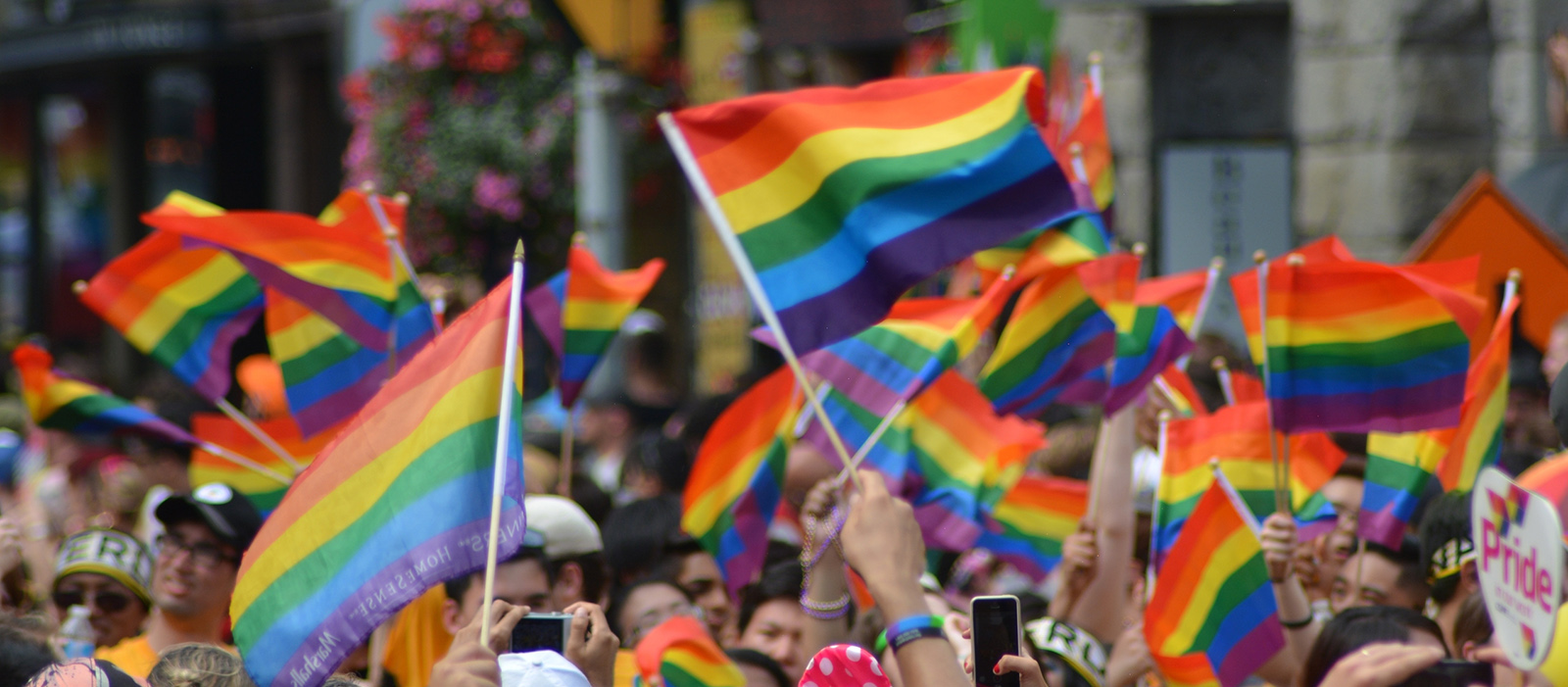
Reproductive rights and LGBTQ+ rights are increasingly under attack across the world. So far, we have a good grasp of the causes and consequences of the backlash against gender equality. What we need to do now, argues Cristina Chiva, is to conceptualise and document democratic resilience against these trends Read more
Conny Roggeband
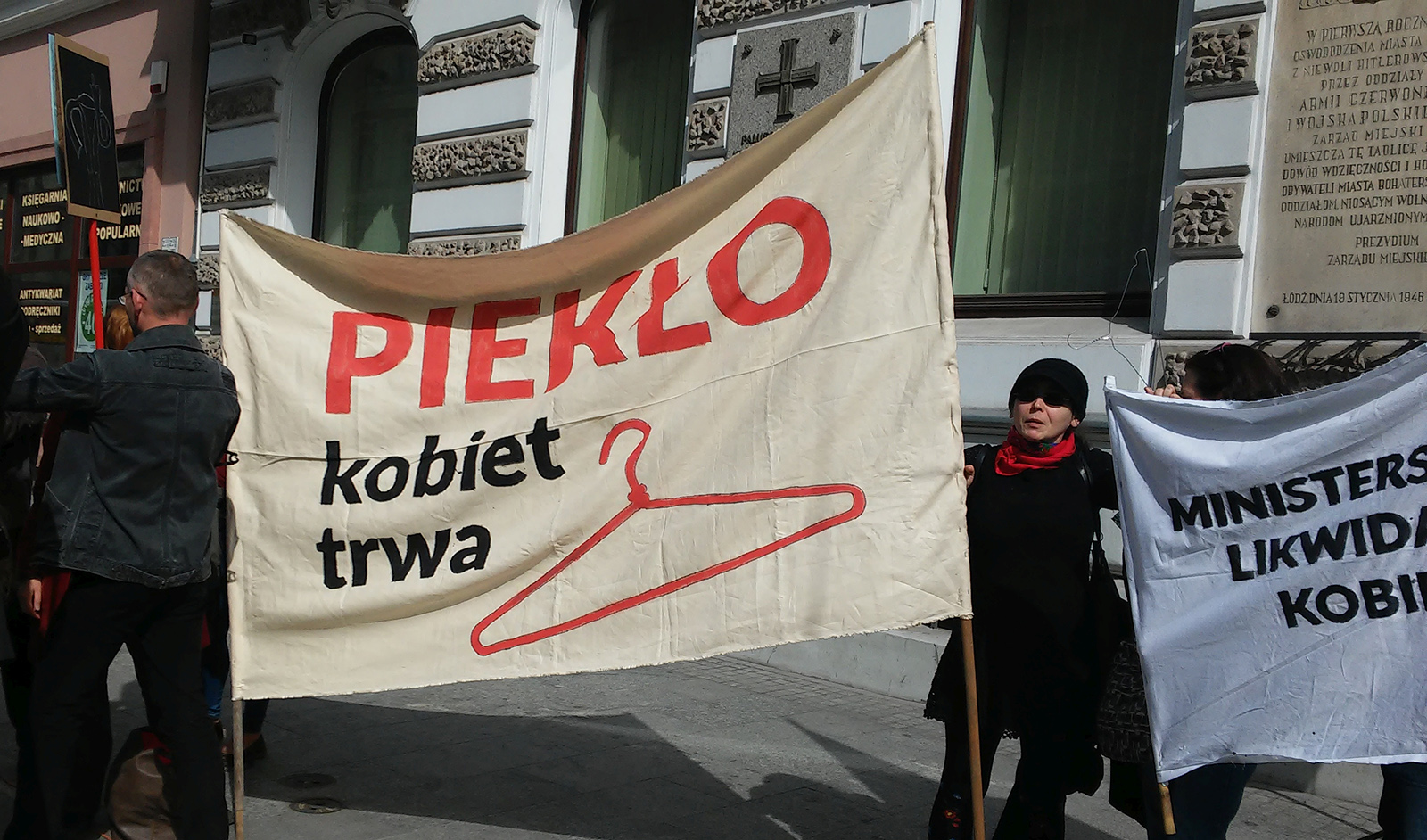
Opposition to gender equality, and a crackdown on women’s rights, characterise the wave of autocratisation across many parts of the world. We often regard such misogyny against women as a deviant trait of individual political leaders. But this is a misunderstanding, write Conny Roggeband and Andrea Krizsán Read more
Łukasz Wordliczek
Democratic malaise, deconsolidation, backsliding, illiberalism, decline, erosion, rupture, decay, or simply: crisis. This 'conceptual bazaar' shows that democracy does not necessarily keep up with today’s challenges. Łukasz Wordliczek suggests three possible remedies Read more
Gabriela Patricia García García
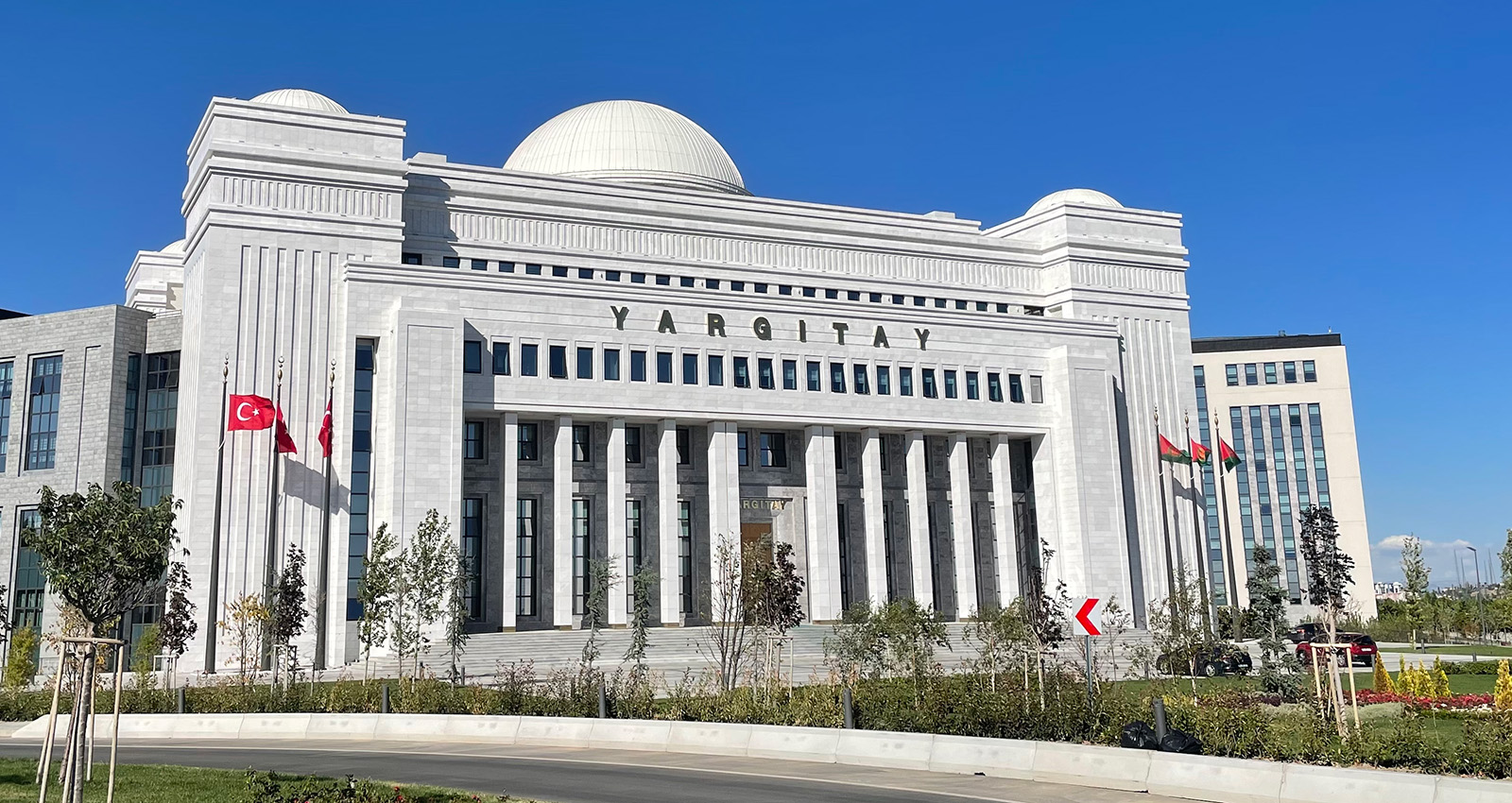
Human rights organisations in Turkey face a predicament. In using the law to confront human rights violations by the government, they then experience those violations themselves. Legal mobilisation against democratic backsliding has its limits, argues Gabriela García García Read more
We use necessary cookies to make our site work. We'd also like to set analytics cookies that help us make improvements by measuring how you use the site. These will be set only if you accept.
▼
Strictly Necessary Cookies
Necessary cookies enable core functionality such as security, network management, and accessibility. You may disable these by changing your browser settings, but this may affect how the website functions.
▼
Analytics Cookies
Google Analytics
We'd like to set Google Analytics cookies to help us improve our website by collecting and reporting information on how you use it. The cookies collect information in a way that does not directly identify anyone. For more information on how these cookies work please see our Privacy Notice.