Camil Ungureanu
We often link denialism and opposition to environmental issues to far-right parties, yet this is an oversimplification. Camil Ungureanu, Marc Sanjaume-Calvet and Balsa Lubarda argue that some centre-right parties, by downplaying ecological concerns and framing ecology as 'the new communism', paved the way for far-right climate denialism. Read more
Ivo Kesler
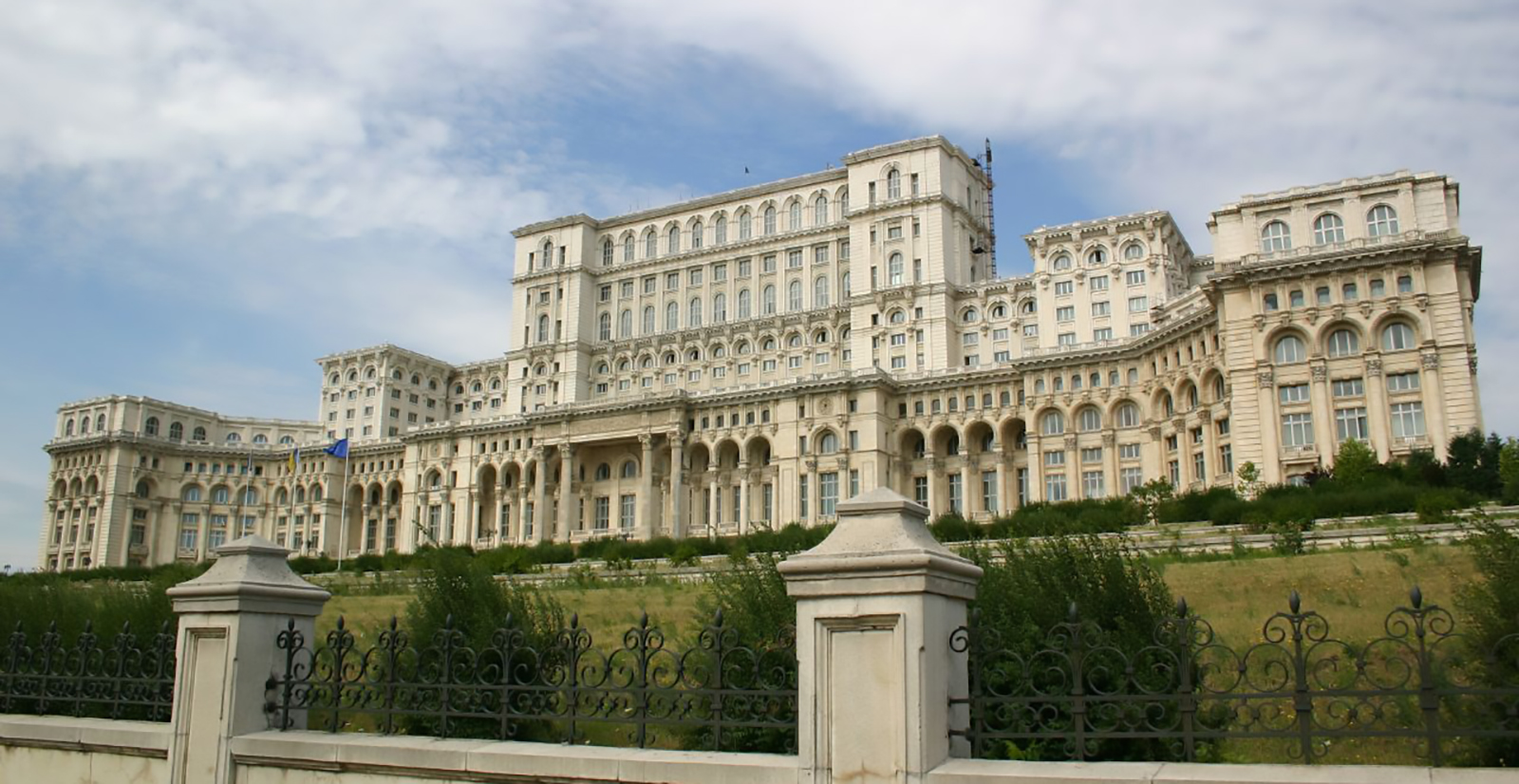
Ivo Kesler argues that the emergence of the far-right populist Alliance for the Union of Romanians (AUR) reflects the contested legacy of legionarism and fascism in Romania. AUR is growing in popularity, and with parliamentary elections coming in 2024, the party constitutes a real threat to the mainstream Read more
Frowin Rausis
Qatar is basking in the global spotlight as host of the 2022 World Cup. Less prominently, it is the latest country to introduce an asylum law. Frowin Rausis argues that Qatar’s new-found status as a global host, of football and of asylum seekers, serves to showcase the country, and boost its global reputation Read more
Roland Benedikter
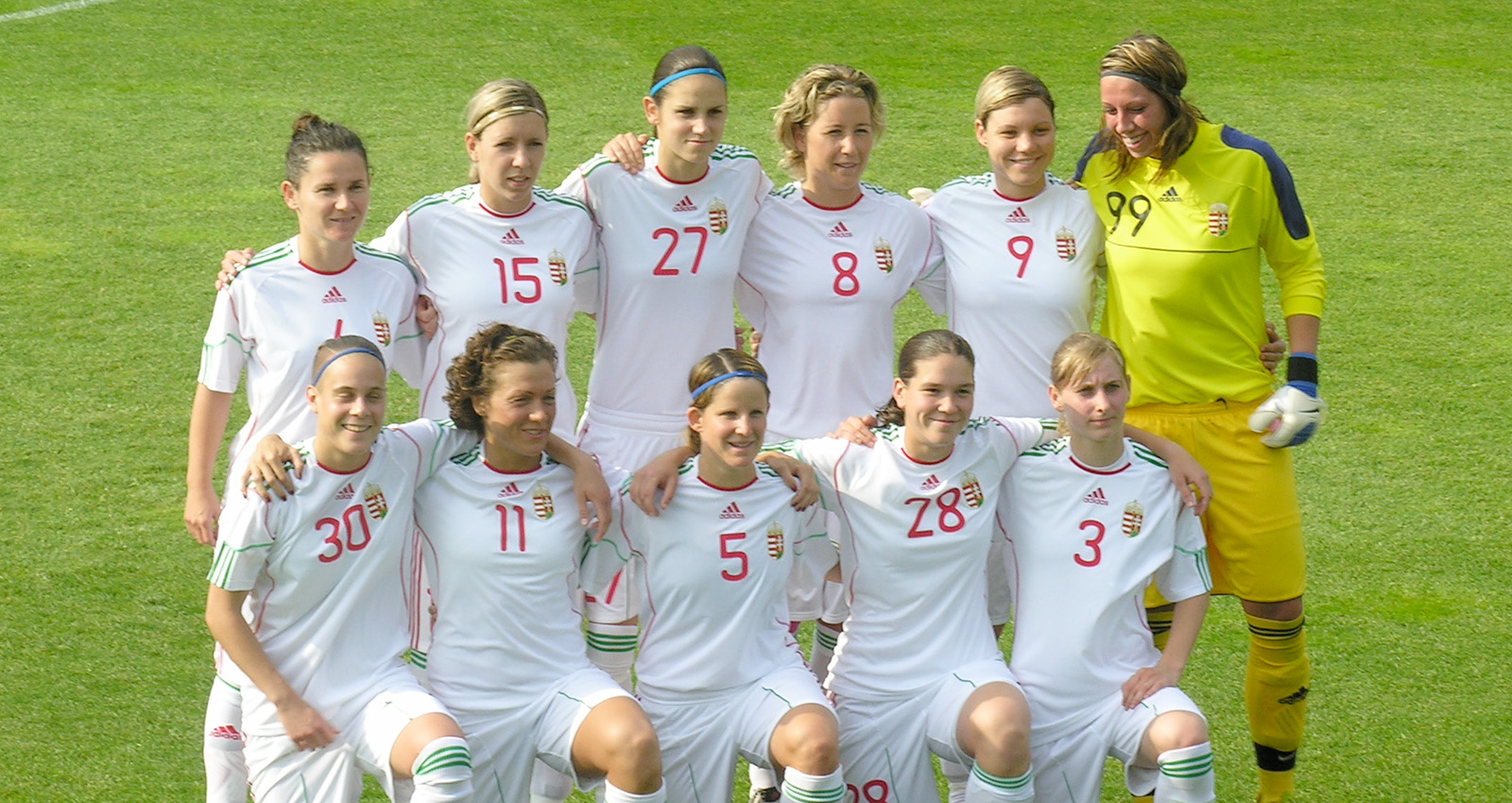
In women’s international football, teams from Western Europe dominate, while Central and Eastern European countries are absent. Roland Benedikter and Dariusz Wojtaszyn explore why women’s football apparently enjoys more success in Western than in Eastern Europe, and whether there is an appetite for change Read more
Catherine Owen
Catherine Owen argues that understanding how regime type influences public sector performance can illuminate varieties of ‘authoritarian public policy’ and the resilience of authoritarian states. To do so, she calls on the fields of public administration and comparative politics to work together Read more
Ana Tereza Duarte Lima de Barros
Political terms such as communist, fascist, and populist have become so elastic that they end up losing their analytical precision and meaning, write Ana Tereza Duarte Lima de Barros and Jorge Henrique Oliveira Gomes. It is our responsibility to use them with accuracy Read more
The Loop
Cutting-edge analysis showcasing the work of the political science discipline at its best.
We use necessary cookies to make our site work. We'd also like to set analytics cookies that help us make improvements by measuring how you use the site. These will be set only if you accept.
▼
Strictly Necessary Cookies
Necessary cookies enable core functionality such as security, network management, and accessibility. You may disable these by changing your browser settings, but this may affect how the website functions.
▼
Analytics Cookies
Google Analytics
We'd like to set Google Analytics cookies to help us improve our website by collecting and reporting information on how you use it. The cookies collect information in a way that does not directly identify anyone. For more information on how these cookies work please see our Privacy Notice.