Joop Van Holsteyn
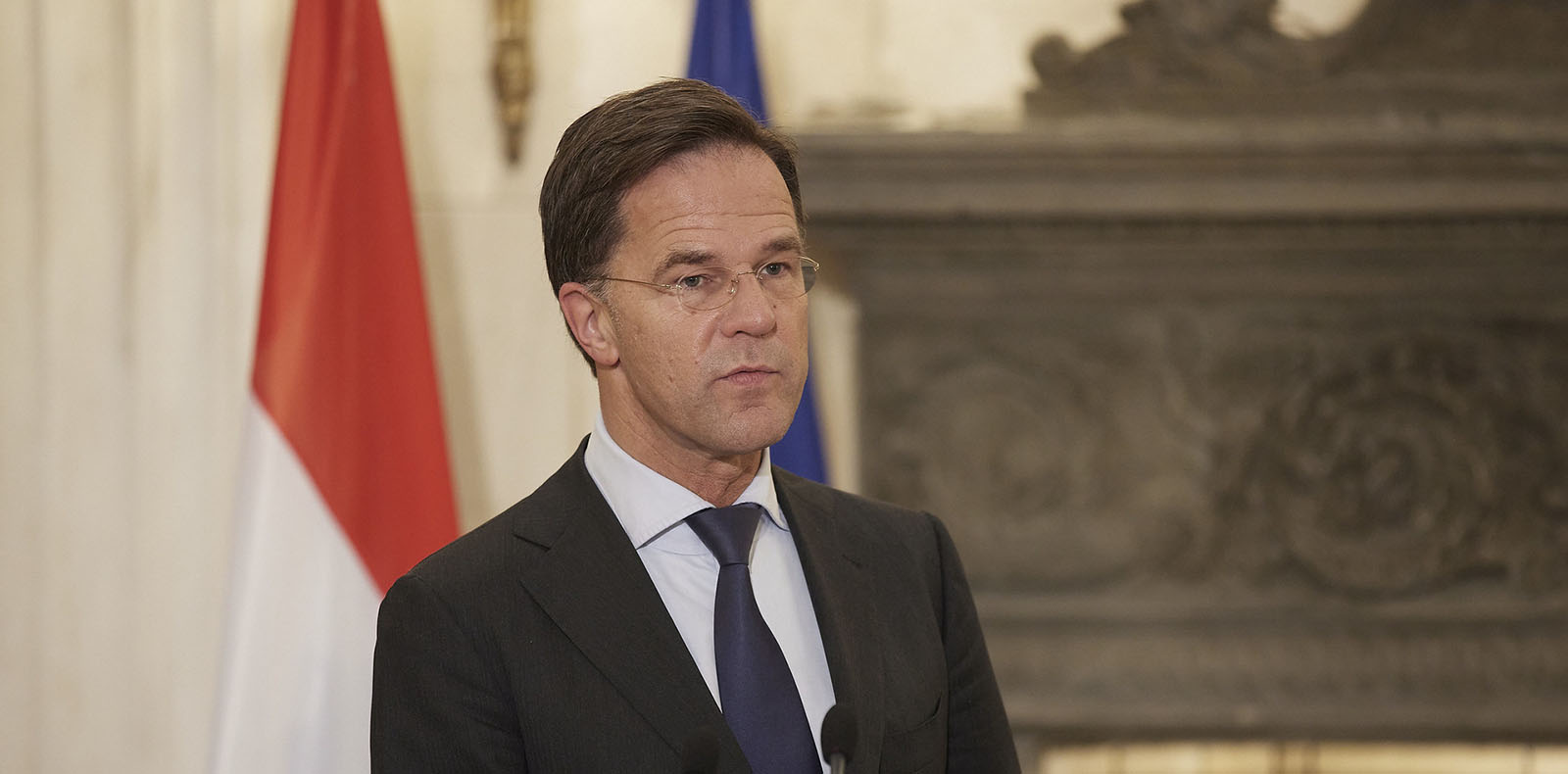
Coronavirus dominated the Dutch elections to the virtual exclusion of all else. The outcome, write Joop van Holsteyn and Galen Irwin, is a parliament with a record number of parties. Although the current coalition has sufficient seats to return to power, this may not happen. The Liberal Party again has the biggest share, and it is likely Mark Rutte will return as Minister-President Read more
Markus Patberg
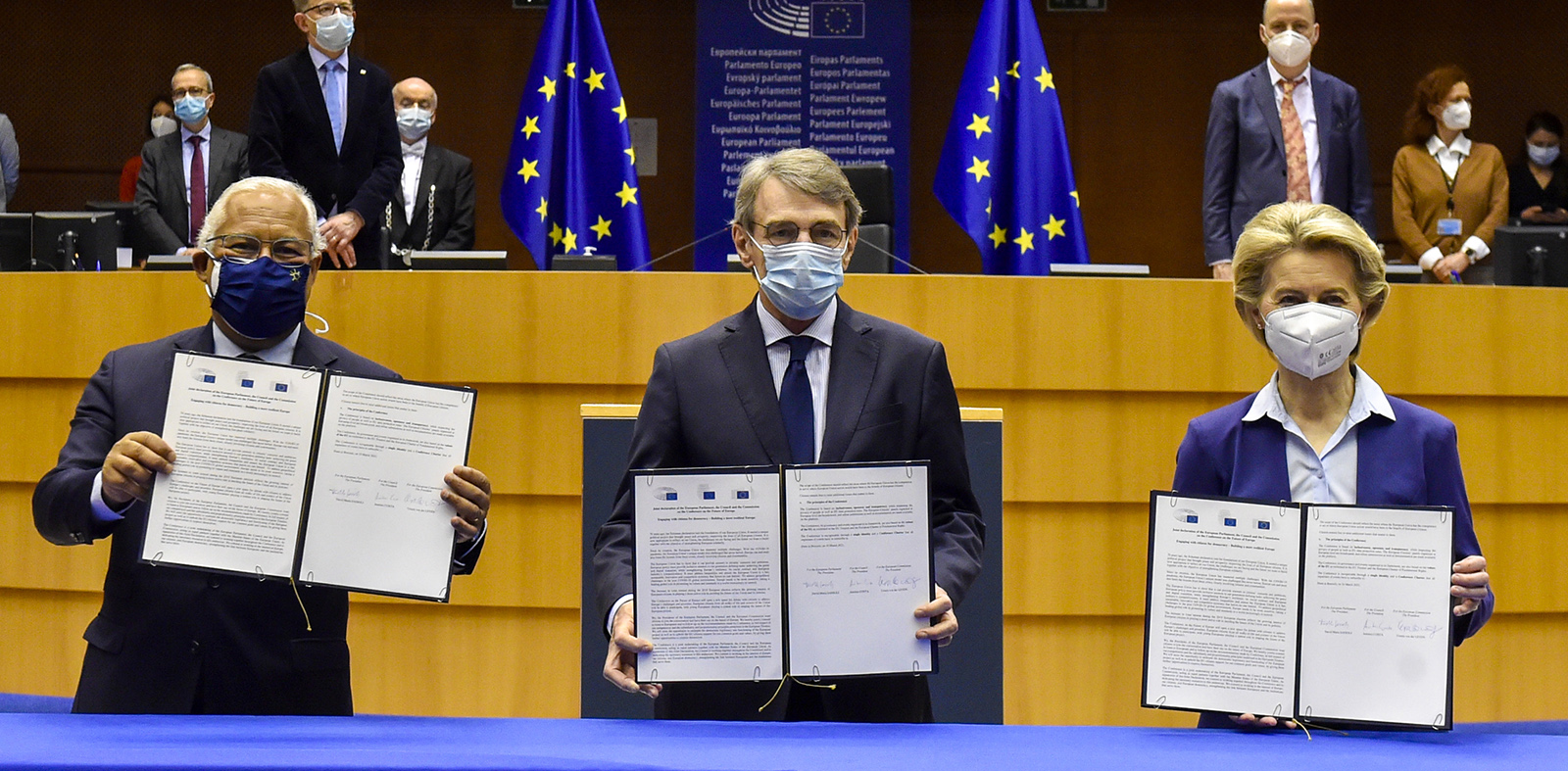
The Conference on the Future of Europe aims to produce proposals for EU ureform in a participatory manner. Yet, writes Markus Patberg, its setup suggests top-down steering, and lacks a clear conception of democratic authorisation. The envisaged forms of broad but unsystematic inclusion might even be counterproductive to the declared goal of empowering citizens Read more
Benjamin Leruth
A new European party, Volt, debuted in the Tweede Kamer following last week's Dutch elections. The party faces challenges, but it could play a role in domestic political landscapes throughout Europe, writes Benjamin Leruth Read more
Kiryl Kascian
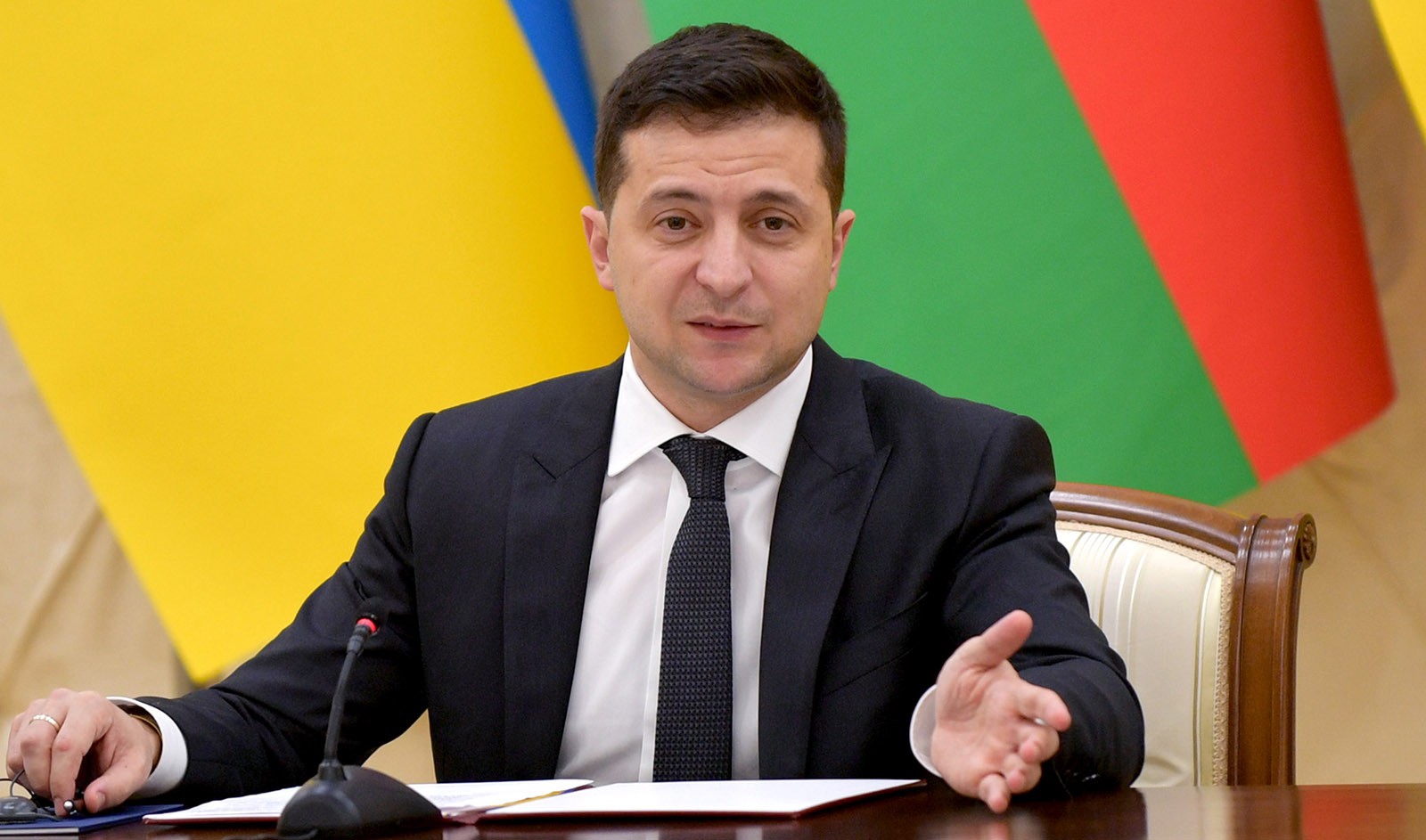
In February 2021, Ukraine president Volodymyr Zelensky banned three TV channels branded pro-Russian propaganda. Sanctions and criminal charges against politicians and public figures followed. But these measures, argues Kiryl Kascian, cannot help Ukraine's counter-Russian strategy Read more
Larissa Peixoto Gomes
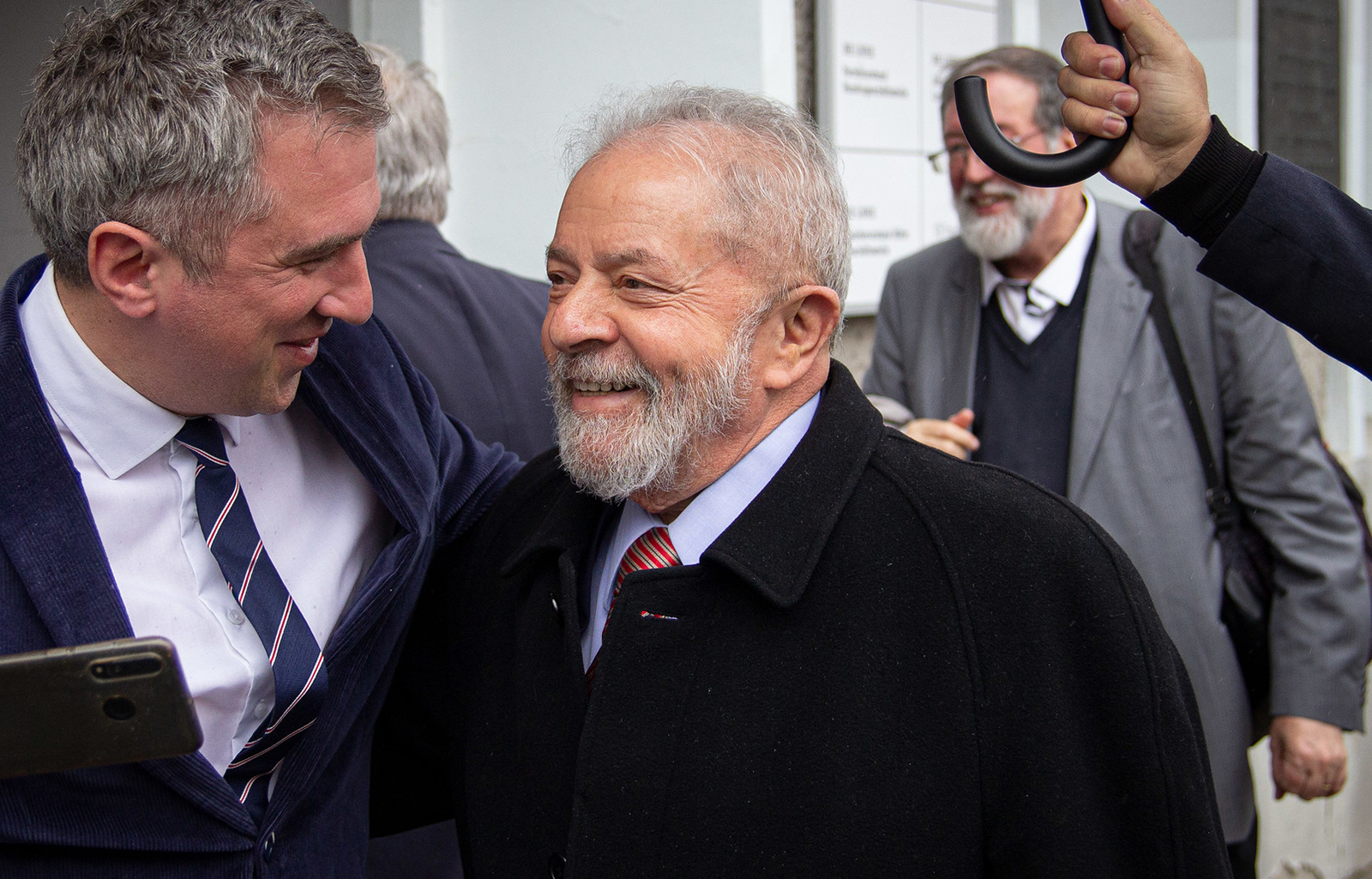
The possibility of Lula running for office in 2022 has already nudged Bolsonaro to change course. Yet, write Larissa Peixoto Gomes and Fernanda Barasuol, although Lula’s candidacy is a likely scenario, it is not guaranteed Read more
Christel Koop
Often labelled technocratic and expertise-driven, the Commission’s ‘unelected bureaucrats’ in fact take public opinion seriously. When facing crises, the Commission uses agenda-priorities to respond to citizens’ cues, write Christel Koop, Christine Reh and Edoardo Bressanelli Read more
Maria Thürk
Minority governments are generally disdained in most parts of Europe. They're seen as a second choice to majority governments which are assumed to be more stable and effective in policy-making. Yet, argue Maria Thürk and Svenja Krauss, there is more than type of ‘minority government’. Some variants can match majority governments in both stability and effectiveness Read more
Daniel Braby
Identifying the different positions of MPs inside the same political parties is a longstanding problem for political science. Daniel Braby and Marius Sältzer argue that applying automated content analysis to MPs' Twitter timelines offers a robust impression of sub-party positions Read more
We use necessary cookies to make our site work. We'd also like to set analytics cookies that help us make improvements by measuring how you use the site. These will be set only if you accept.
▼
Strictly Necessary Cookies
Necessary cookies enable core functionality such as security, network management, and accessibility. You may disable these by changing your browser settings, but this may affect how the website functions.
▼
Analytics Cookies
Google Analytics
We'd like to set Google Analytics cookies to help us improve our website by collecting and reporting information on how you use it. The cookies collect information in a way that does not directly identify anyone. For more information on how these cookies work please see our Privacy Notice.