Martino Comelli
You might think the US would be world champion of household debt, yet the highest private indebtment has always been in the Nordic countries, where inclusive welfare makes debt into an investment. But debt takes on different forms, writes Martino Comelli, and gerontocratic welfare and consumer credit is a burden for those in other nations Read more
Sergio Fabbrini
Although appointed unexpectedly, Mario Draghi is much more than just a stop-gap, technocratic Prime Minister. Sergio Fabbrini argues that Draghi's vision for Europe could make Italy one of the key voices in the European debate Read more
Ruairidh Brown
In Trump’s second impeachment trial, ‘truth’ never really mattered, writes Ruairidh Brown. Regardless of the facts or evidence presented, the endurance of a post-truth climate guaranteed he would be acquitted regardless Read more
Daniele Albertazzi
Mario Draghi’s new government enjoys broad support in both Italian parliamentary chambers. But Matteo Salvini's League is likely to make its life difficult. Daniele Albertazzi and Davide Pellegrino speculate that Salvini’s party will likely keep one foot in and one foot out of government Read more
Stefano Ruzza
What does the recent military coup tell us about the prospects for Myanmar’s regime? Stefano Ruzza argues that while the country's semi-democracy is not dead, it is unlikely ever to escape occasional authoritarian interventions Read more
Danilo Di Mauro
The refugee crisis has led to changes in EU migration policy management. But effective reform of the so-called Dublin System that could resolve the crisis has so far eluded the EU. To understand the prospects for change, Danilo di Mauro and Vincenzo Memoli argue that we should examine how public opinion influences political parties, and elites Read more
Ruairidh Brown
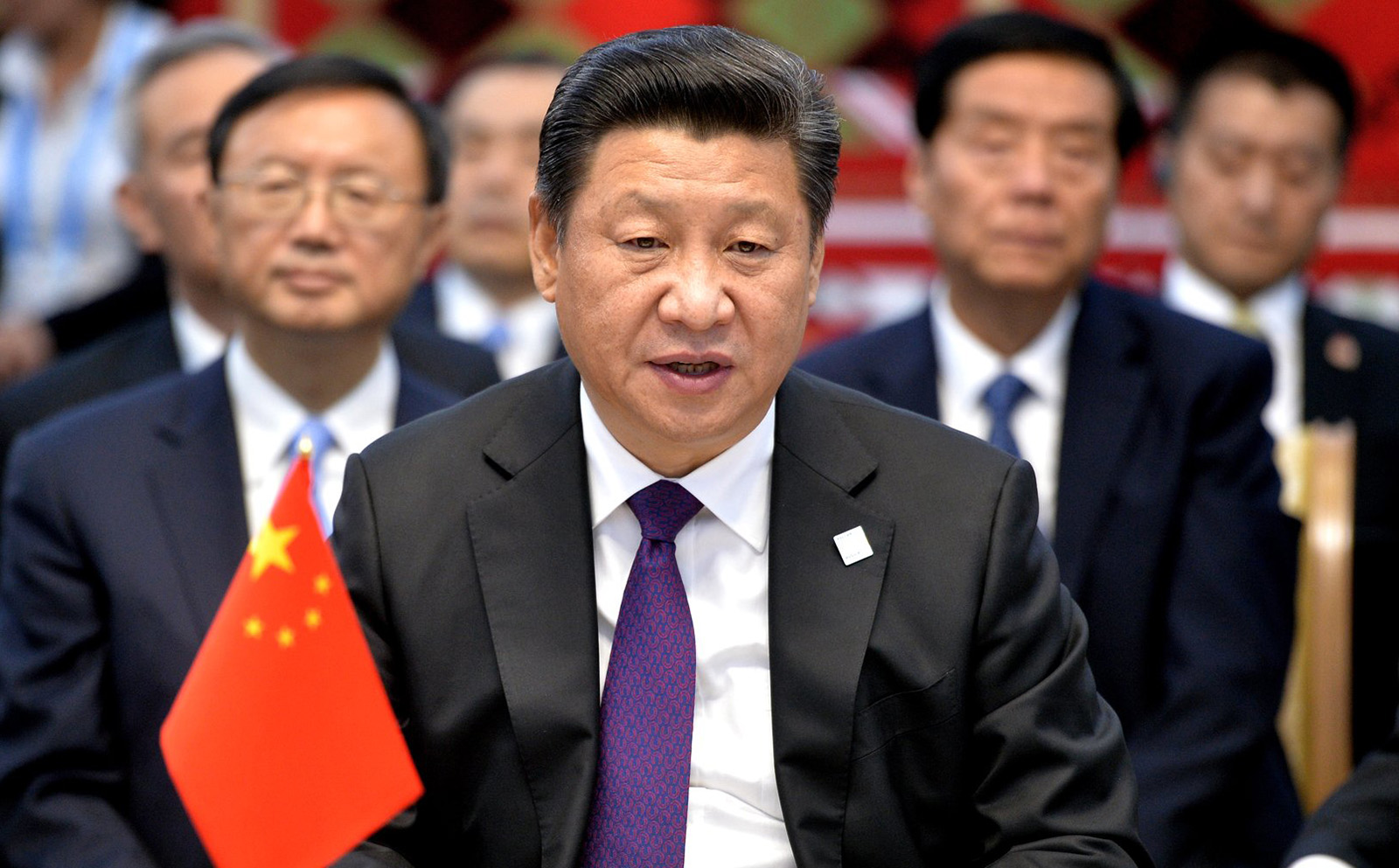
An absence of ideological universalism means that China-US relations have so far managed to escape a Cold War situation, writes Ruairidh Brown. With Biden’s promise of a value-centred American Foreign Policy, this could be about to change Read more
Julia Schulte-Cloos
To understand support for right-wing populist parties, we need to analyse not just voters who disengage from established parties, but also those who never voted in the first place, writes Julia Schulte-Cloos Read more
We use cookies to ensure that we give you the best experience on our website. If you continue to use this site we will assume that you are happy with it.