Mădălin-Cătălin Blidaru
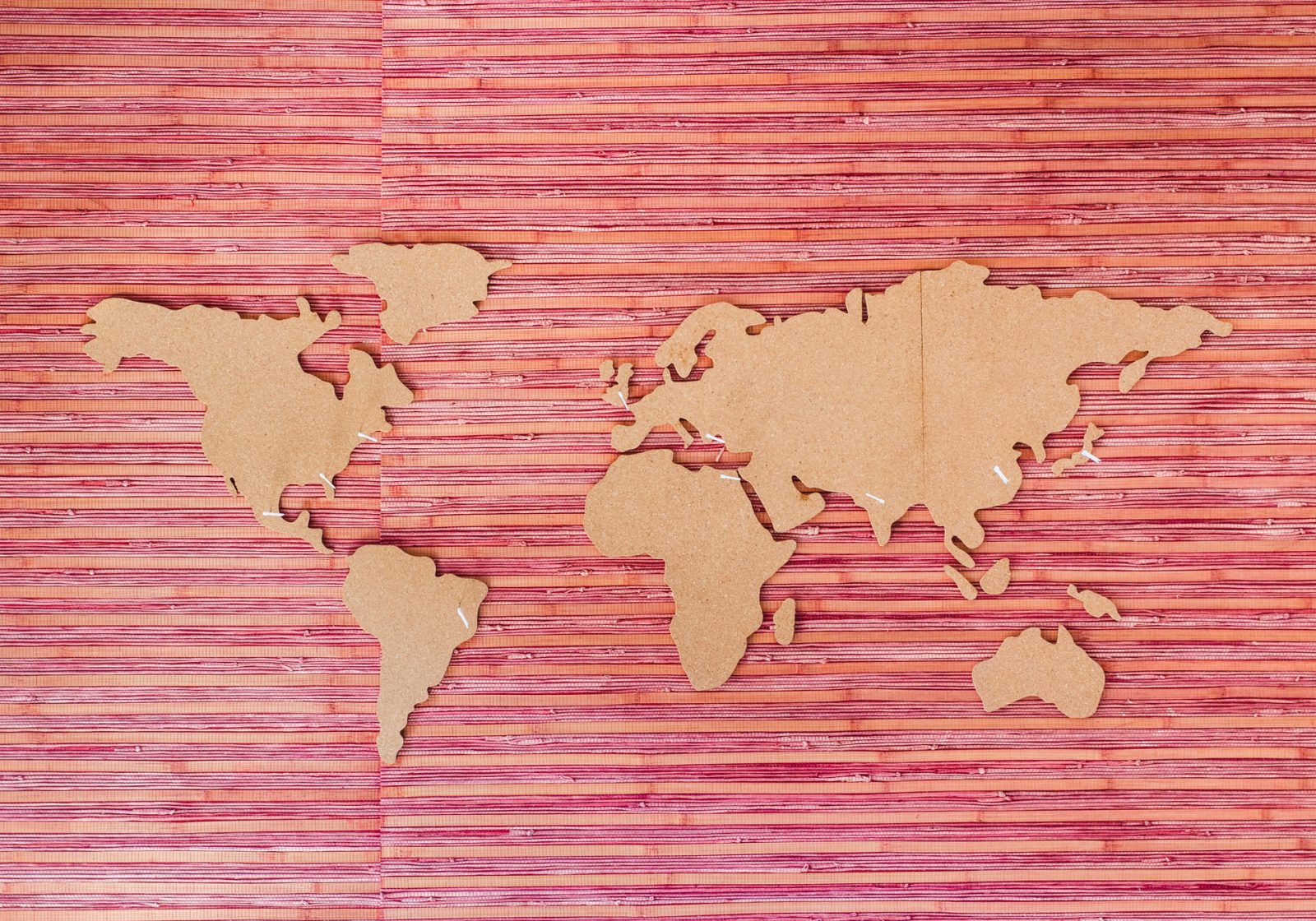
The regional dimension of international relations is more significant today than ever before, argues Mădălin-Cătălin Blidaru. In the current crisis, regional cooperation and institutionalised regional organisations are delivering important solutions. The network of external relations being developed by regional organisations takes us beyond a state-centred world Read more
Taina Meriluoto
Taina Meriluoto welcomes Jean-Paul Gagnon’s project to build a democracy data mountain. But she remains troubled by methodological issues pertaining to context, values and the everyday world. If we want to advance towards the total texture of democracy, these are problems we have to resolve Read more
Soumi Banerjee
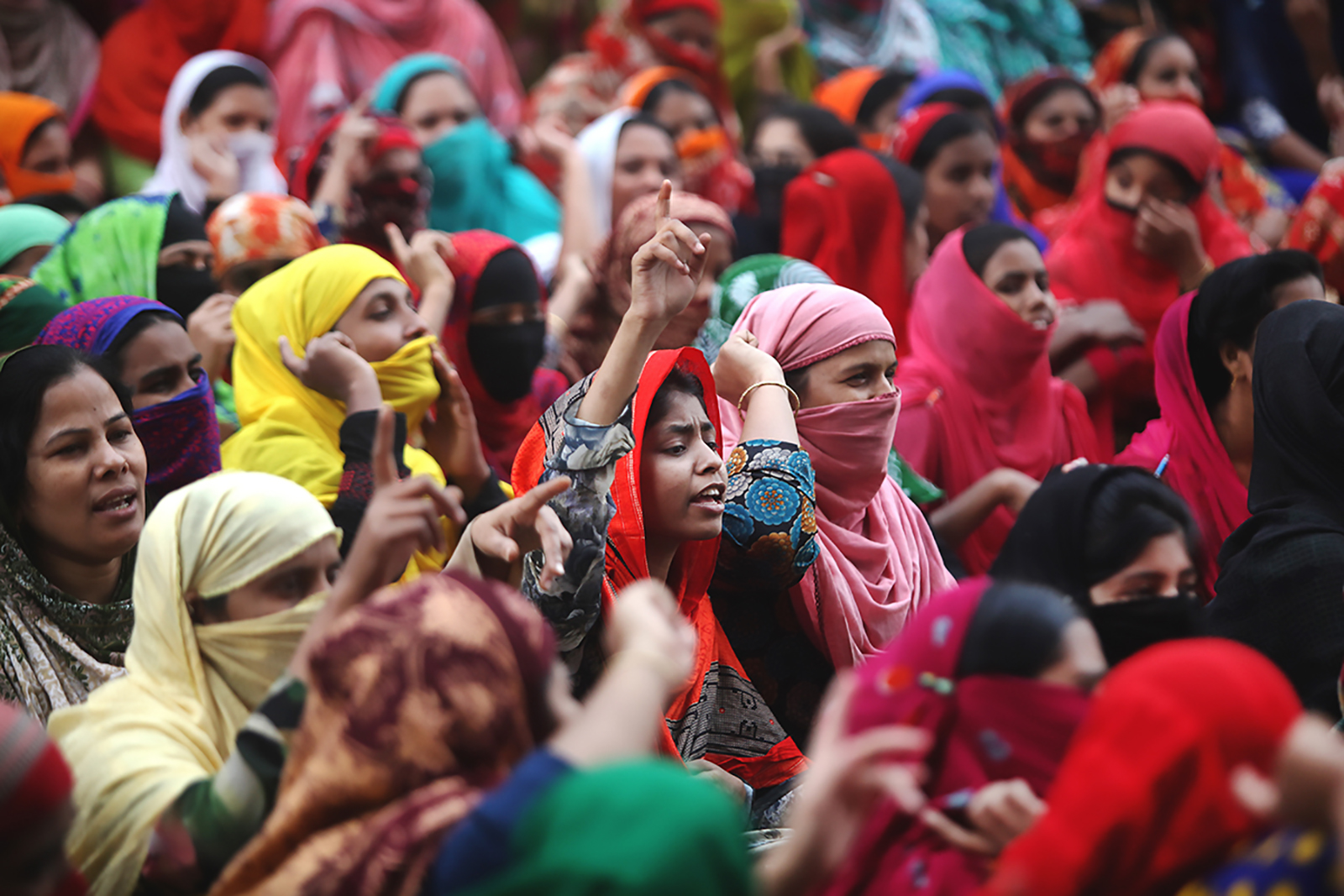
Soumi Banerjee and Rishi Jha argue that the rising wave of illiberalism is causing a shift in state-civil society relationships around the world. In contemporary India, the government often targets NGOs, resulting in the partial or complete seizure of operations Read more
Christopher Hobson
Christopher Hobson questions the value of Jean-Paul Gagnon’s proposal to build a democracy data mountain. The danger is getting lost digging up forgotten meanings of democracy, many now of little value. Instead, we need to focus on the present moment, seeking to re-imagine the meaning of democracy in today’s world Read more
Didem Türkoğlu
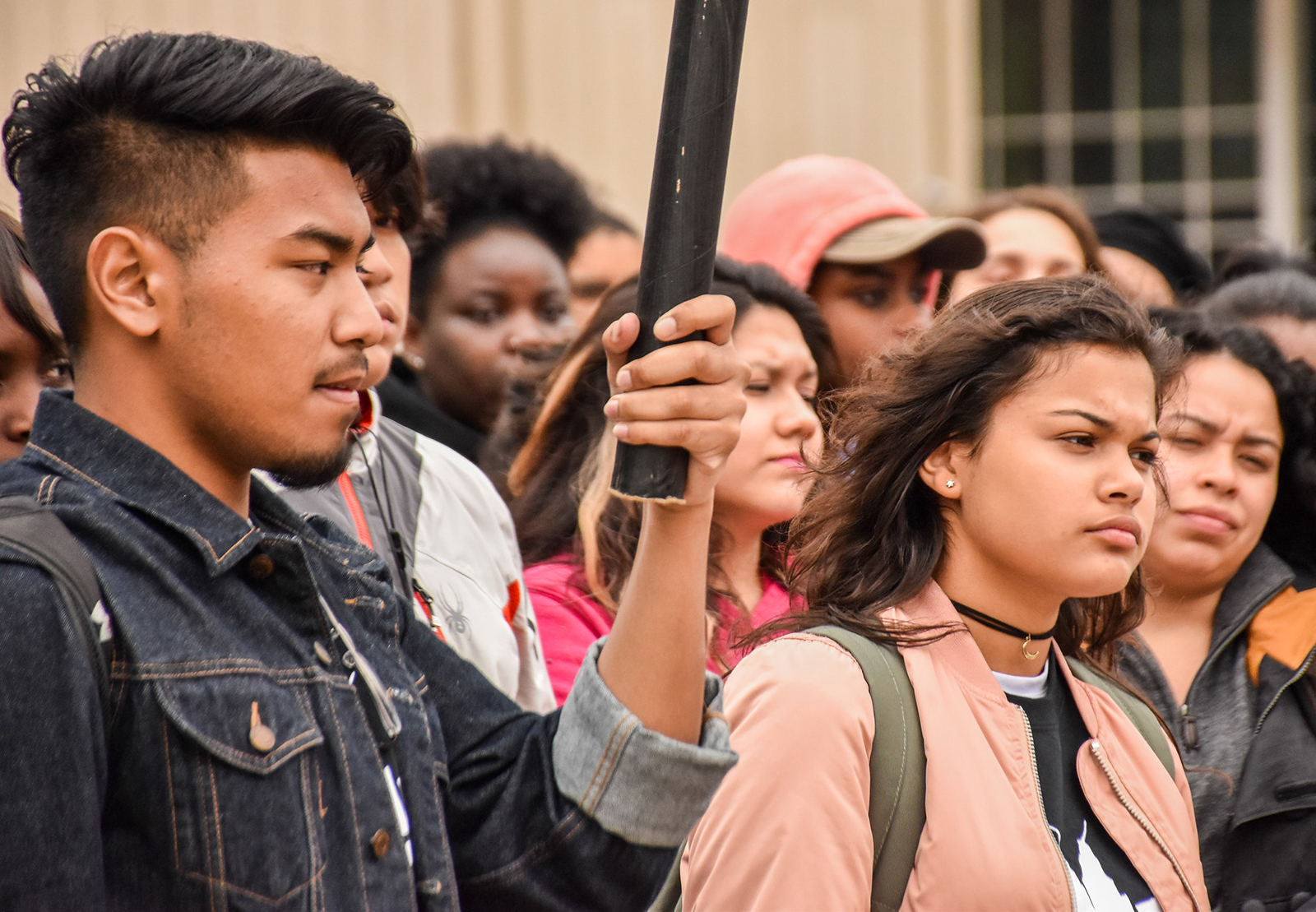
Massive student protests attract media attention, but less globally televised protests might also help shape policy-making, writes Didem Türkoğlu. Even lesser-known movements can build alliances and put pressure on opposition parties to 'own' activists' issues. To trace these influences, however, we must pay closer attention to local and national news Read more
Chih-yu Shih
Chih-yu Shih argues that we can meet Jean-Paul Gagnon’s democracy challenge across linguistic and cultural divides. He explores how 'critical translation' (aimed at 'relational' and not 'total texture') can yield results for those pursuing democratic commonality Read more
Martin Bull
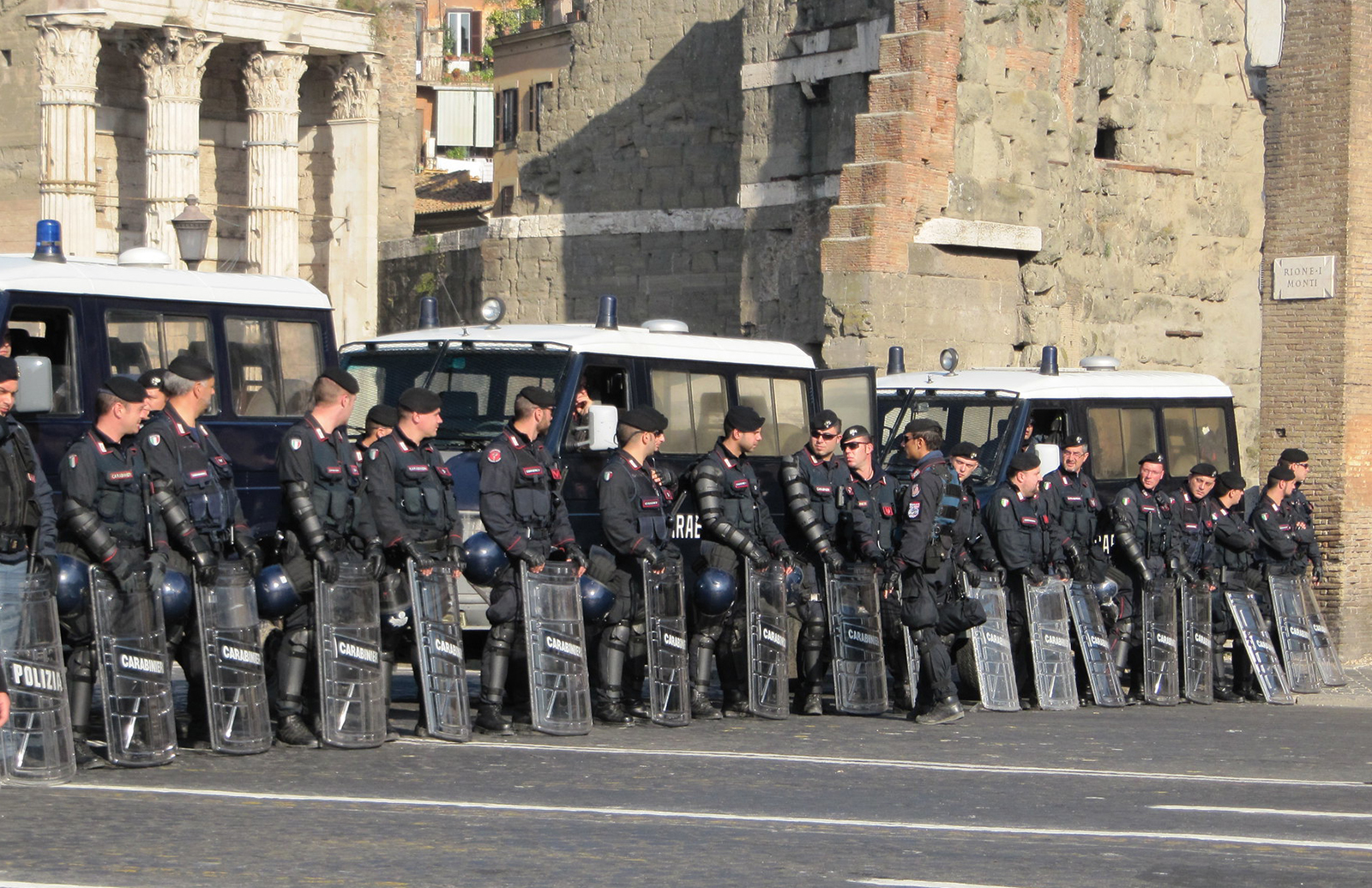
Protests have broken out in Rome against the extension of Italy’s Covid Green Pass to the workplace. They quickly deteriorated into violence and assault, exploited by the fascist group Forza Nuova. This, argues Martin Bull, has reignited the debate about Italy’s fascist heritage, and led to calls on Prime Minister Draghi to dissolve the group Read more
Paula Sabloff
Paula Sabloff, in a direct response to Jean-Paul Gagnon’s democracy challenge, argues that to understand what democracy means, we need to know what it is for. By exploring this, we arrive at a meaning that is about means, not ends. And it is not as complicated as we might think Read more
We use necessary cookies to make our site work. We'd also like to set analytics cookies that help us make improvements by measuring how you use the site. These will be set only if you accept.
▼
Strictly Necessary Cookies
Necessary cookies enable core functionality such as security, network management, and accessibility. You may disable these by changing your browser settings, but this may affect how the website functions.
▼
Analytics Cookies
Google Analytics
We'd like to set Google Analytics cookies to help us improve our website by collecting and reporting information on how you use it. The cookies collect information in a way that does not directly identify anyone. For more information on how these cookies work please see our Privacy Notice.