Albrecht Rothacher
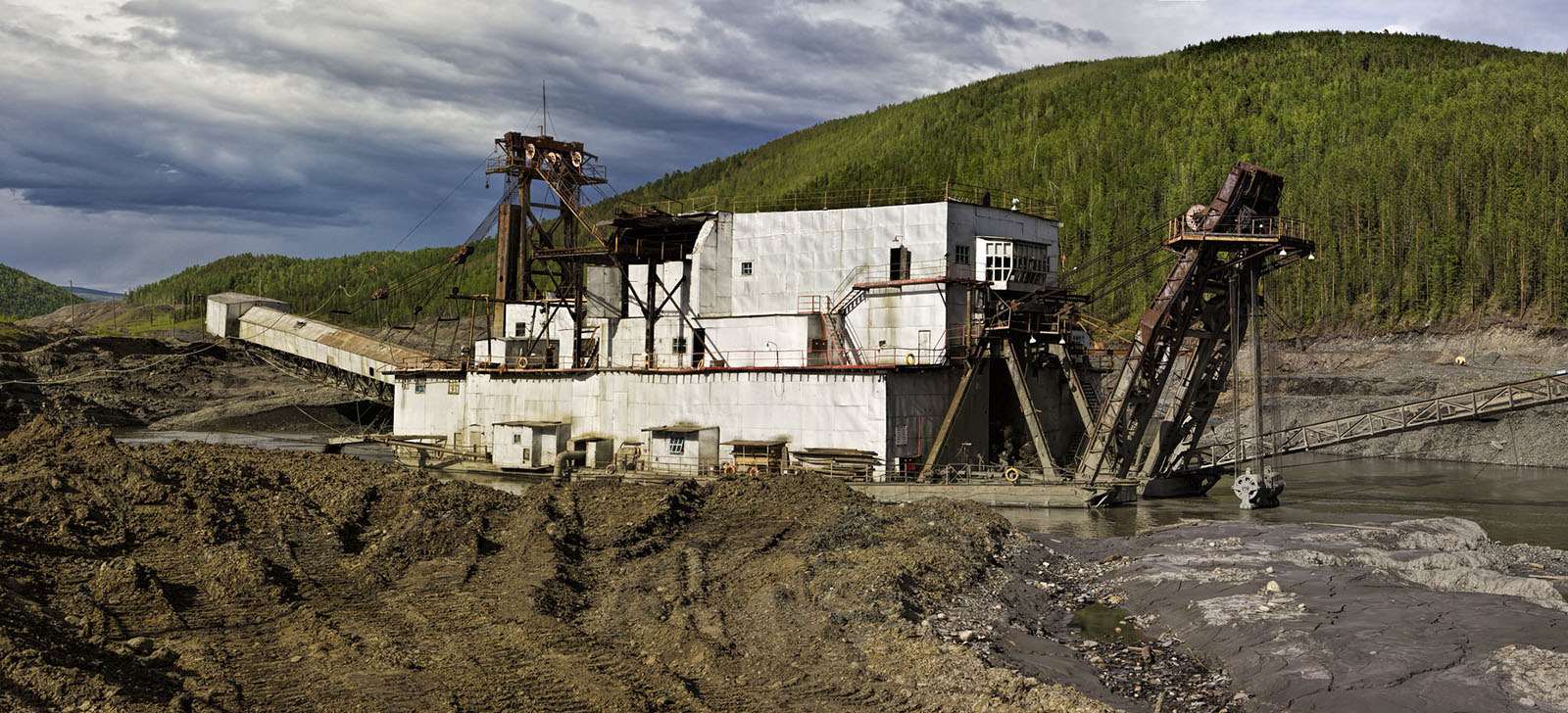
he Russian invasion of Ukraine has exposed Russia’s growing dependence on China, argues Albrecht Rothacher. China’s ambitions to displace the US as the main world power contrast vividly with Russia’s long-term stagnation and decline. It's a decline exacerbated by the latest Western economic sanctions Read more
Svend-Erik Skaaning
Many observers say that democracy has undergone a large-scale global decline in recent decades. However, presenting evidence differently leads us to different conclusions. This calls for increased caution and reflection among those discussing democratic trends, writes Svend-Erik Skaaning Read more
Ramon van der Does
Jean-Paul Gagnon views the construction of a taxonomy of democracy as a key way to address challenges to democracy. Yet, argues Ramon van der Does, such fundamental research is a luxury we cannot afford if we seek to be effective in bringing power to the people. Read more
Stefano Braghiroli
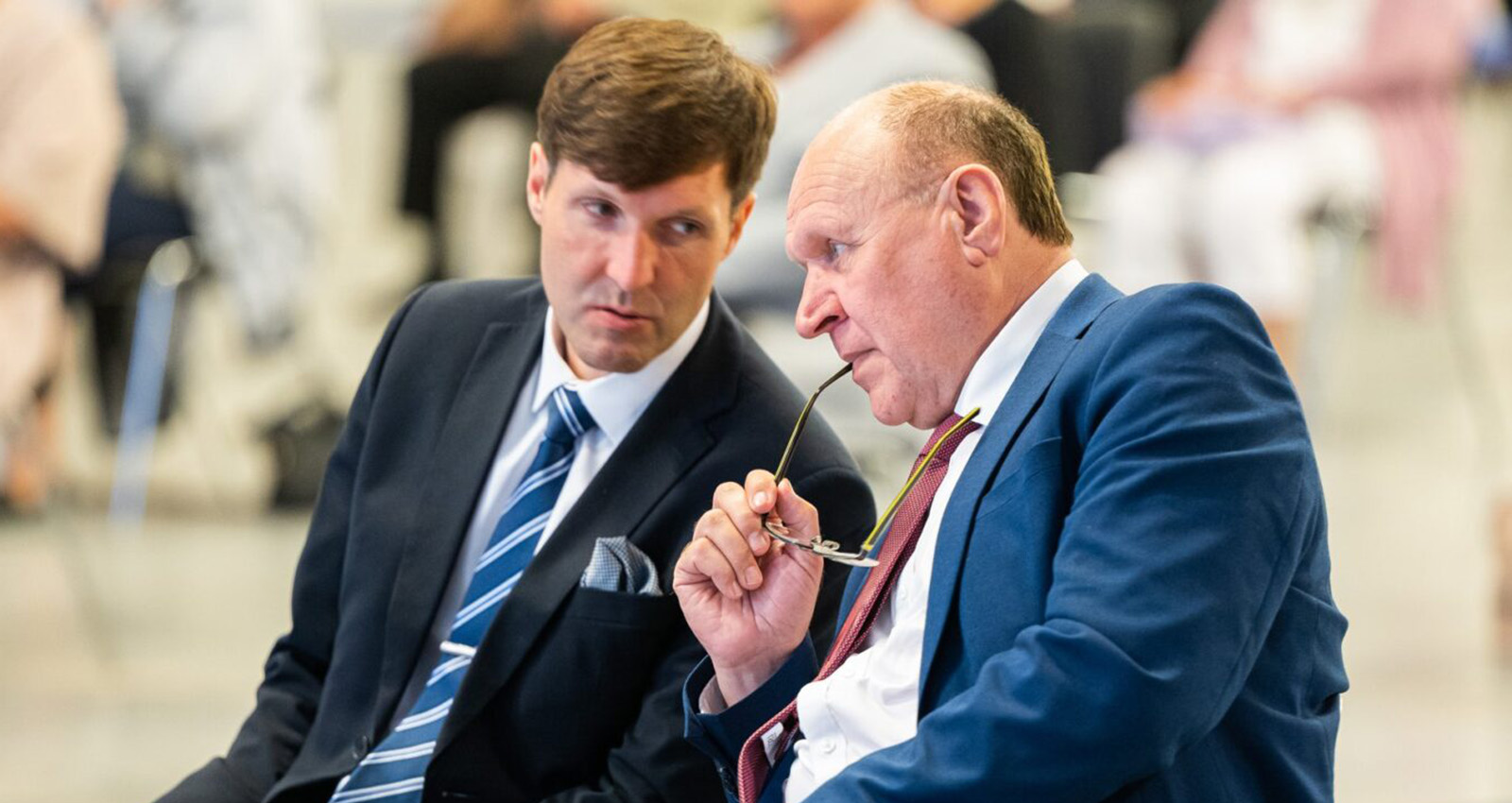
Stefano Braghiroli and Andrey Makarychev chart a change in the Estonian National Conservative Party (EKRE). Lately, it has appealed for the first time to Russian-speaking minorities – an attempt at a similar process to the League’s transformation into a national party in Italy. Unlike the Lega, though, they face the obstacle of the Russian invasion of Ukraine Read more
Ayşe Zarakol
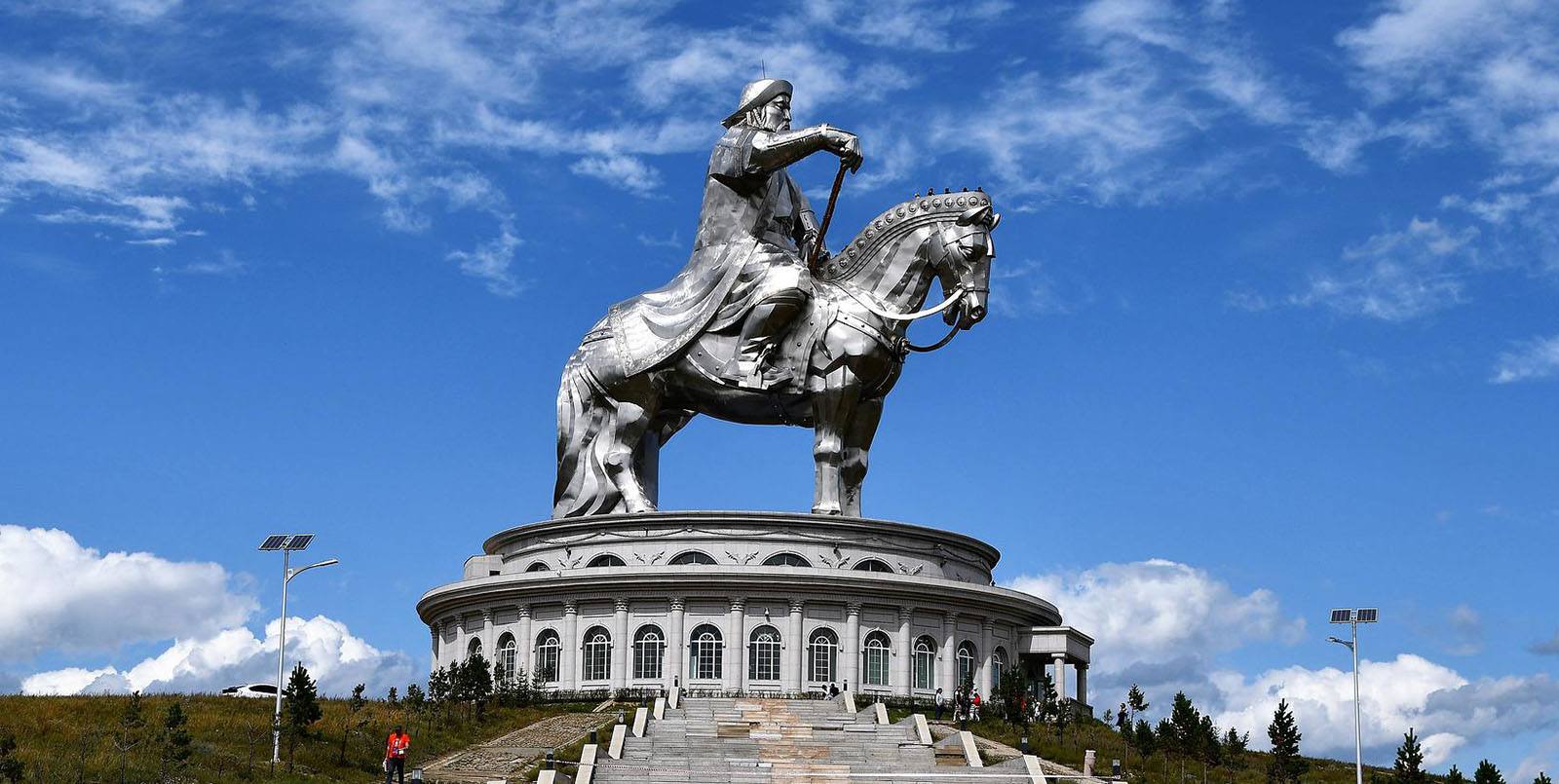
Ayşe Zarakol argues that Europeans were not the first ones to create (international) orders with universal aspirations. Parts of Eurasia were disconnected from each other before the arrival of European colonialism. (Eur)asia had long been a connected space, with its own experiments in sovereignty and order construction Read more
Bakhytzhan Kurmanov
To understand today’s autocratic regimes, we should look at how they exploit social media, argues Bakhyzhan Kurmanov. In Kazakhstan, a referendum in the name of ‘open government’ is effectively a sham. What's more, it is a cover for autocratic practices of silencing dissent Read more
Jamie Shenk
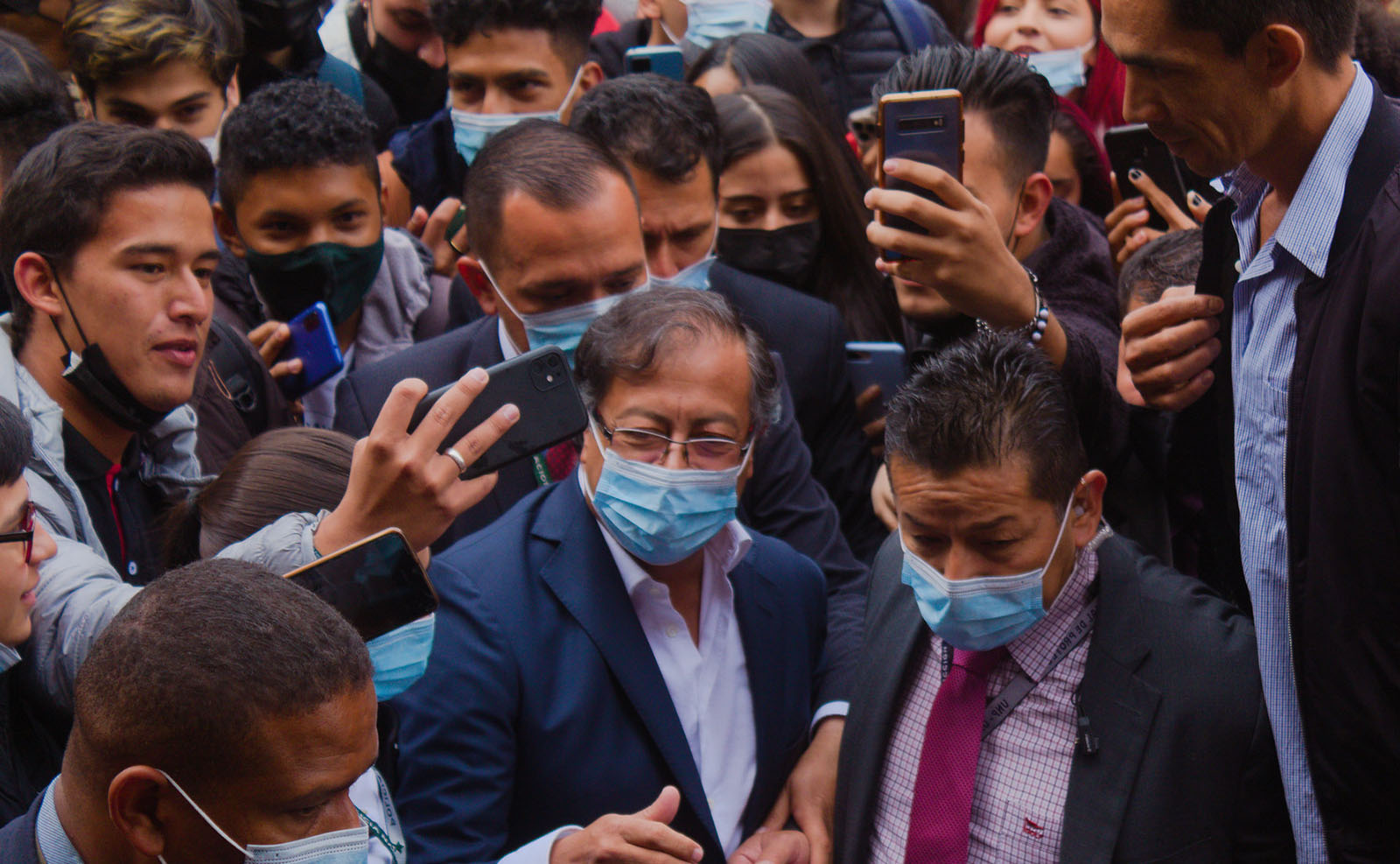
Colombian voters rejected the political establishment, voting 'outsider' politicians into the run-off for the Colombian presidency. However, understanding who didn’t vote in Colombia’s election tells us more about the state of Colombia’s democracy, writes Jamie Shenk Read more
Petr Špecián
The project of collecting democracy’s words has a quietist undertone. Petr Špecián argues that it provides a desirable counterweight to the activist urge to rethink and redesign the political order. Especially so in today’s challenging times Read more
We use necessary cookies to make our site work. We'd also like to set analytics cookies that help us make improvements by measuring how you use the site. These will be set only if you accept.
▼
Strictly Necessary Cookies
Necessary cookies enable core functionality such as security, network management, and accessibility. You may disable these by changing your browser settings, but this may affect how the website functions.
▼
Analytics Cookies
Google Analytics
We'd like to set Google Analytics cookies to help us improve our website by collecting and reporting information on how you use it. The cookies collect information in a way that does not directly identify anyone. For more information on how these cookies work please see our Privacy Notice.