Matthijs Bogaards
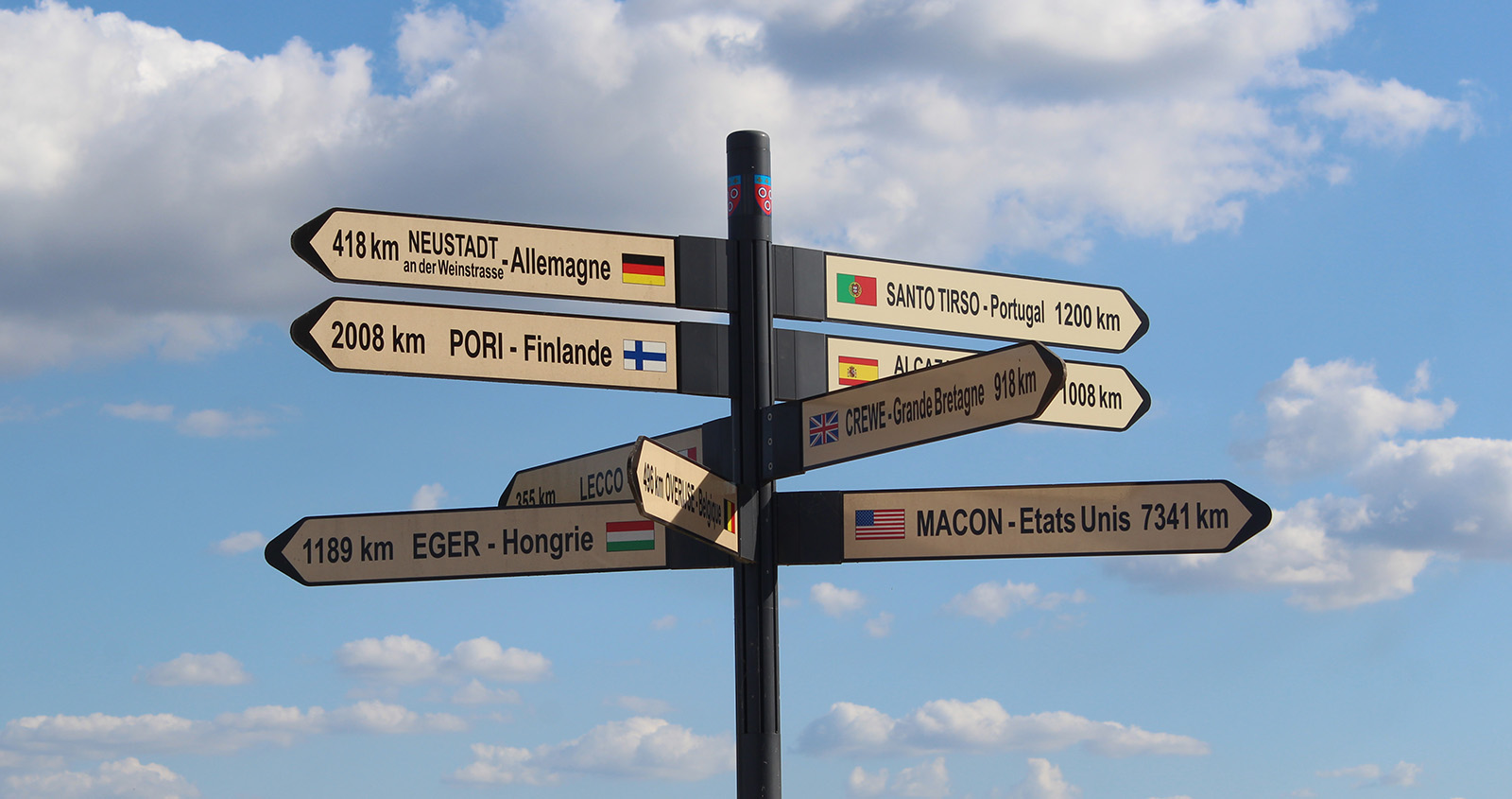
There is no European electorate. When voters elect the European Parliament, they vote for their own parties in their own countries. Many want this to change, but existing reform proposals are not sufficient. Matthijs Bogaards proposes twinning. It works to connect local communities across Europe and it may provide a new way to elect the European Parliament Read more
Calle Håkansson
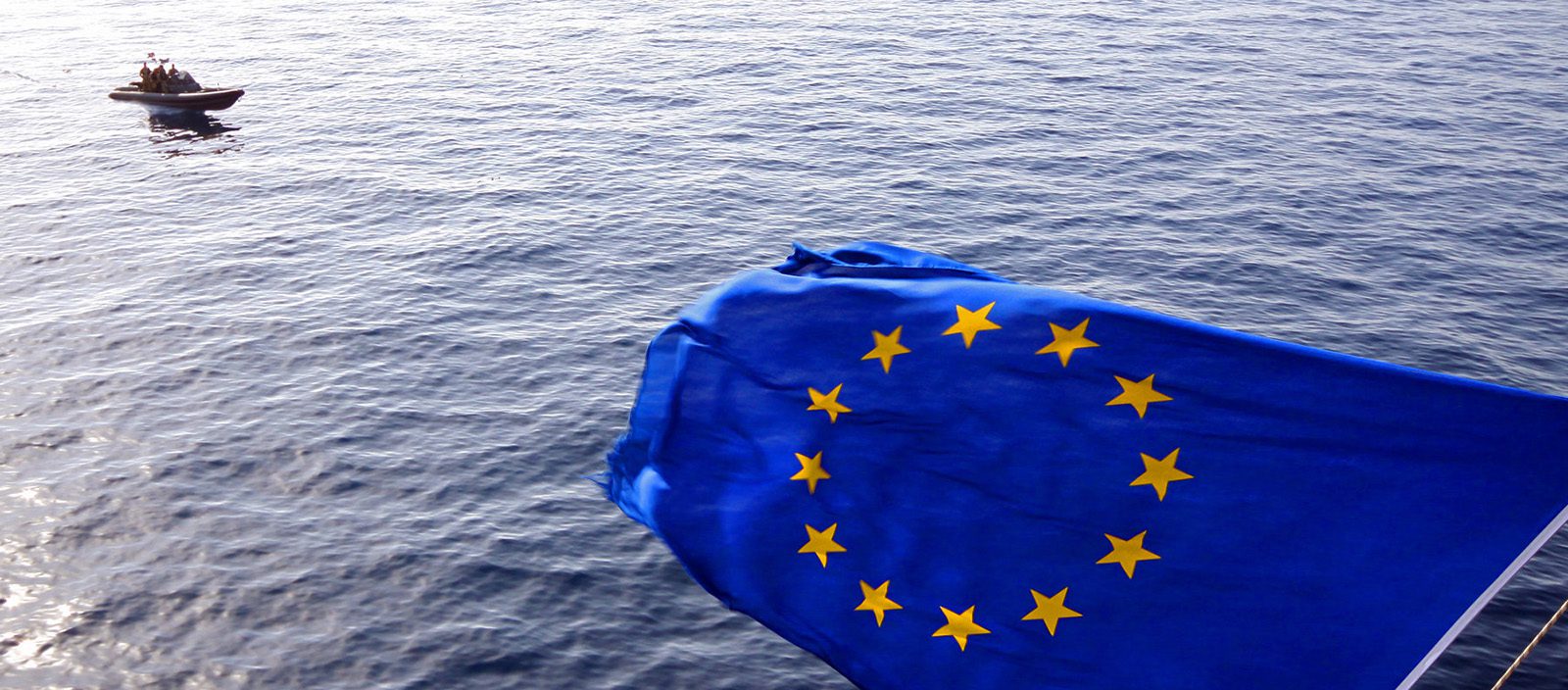
Over the past couple of years, the EU and the European Commission have stepped up security and defence policy cooperation. Calle Håkansson argues that the European Commission's new role blurs the traditional dichotomy between intergovernmental and supranational decision-making Read more
Hanna Vasilevich
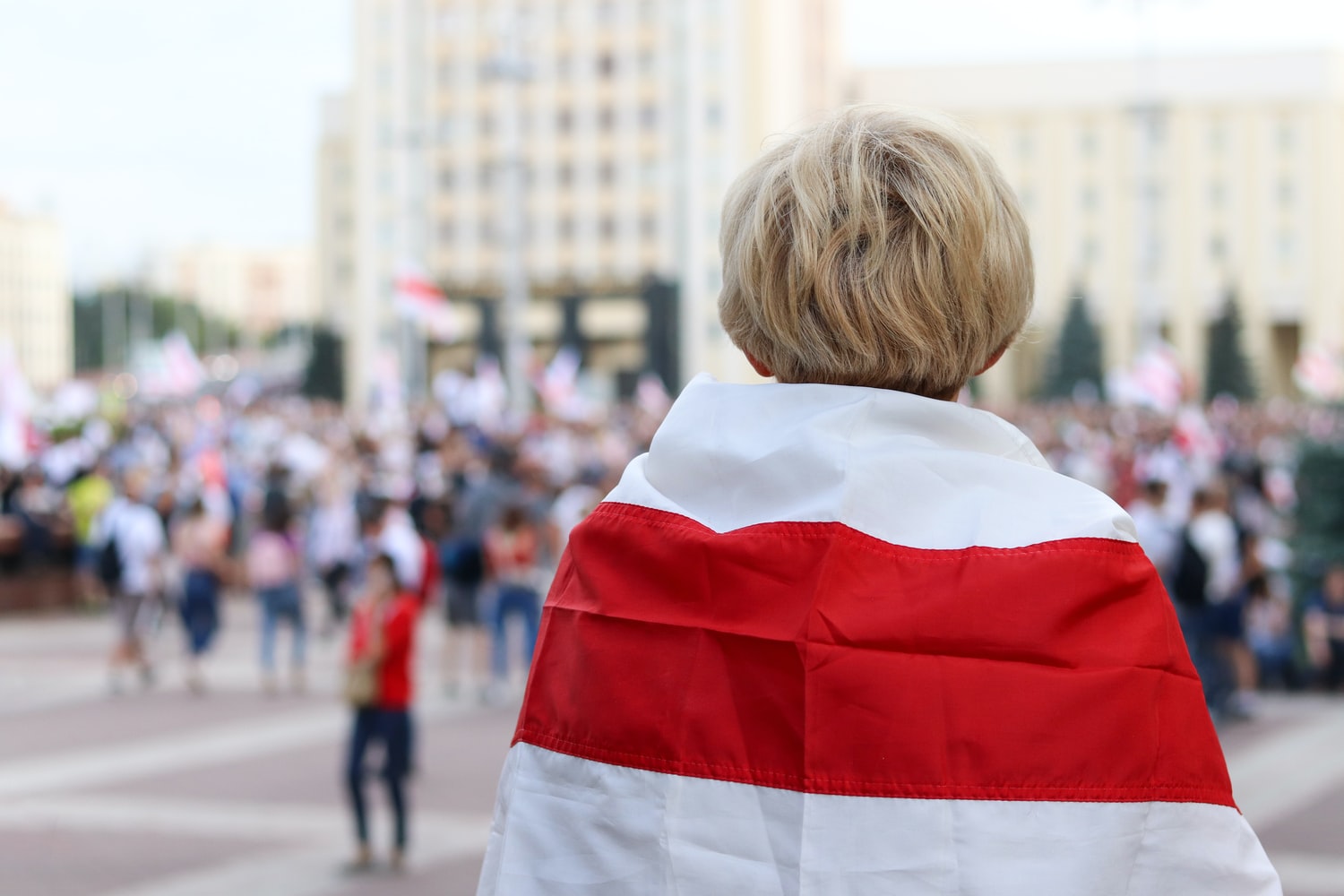
Diplomatic tensions between Poland and Belarus intensified throughout March 2021. In response, Belarusian authorities initiated repressive legislation targeting civil society and protestors. But in so doing, they also affected national minorities in Belarus, writes Hanna Vasilevich Read more
Lucía Dammert
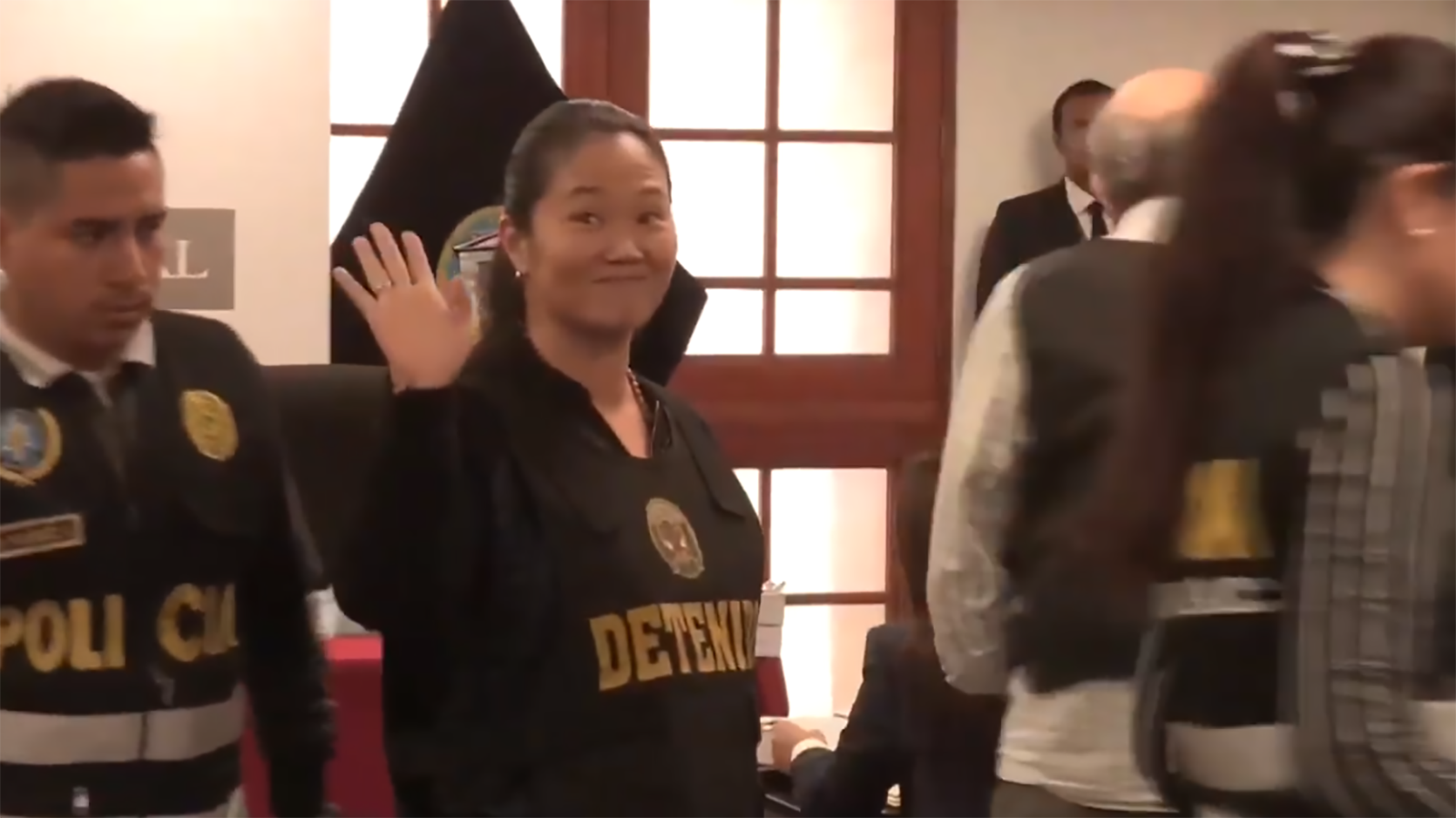
On 6 June, amid a profound health and economic crisis, presidential elections take place in Peru. Voting for the lesser of two evils is not new, writes Lucia Dammert, yet the 2021 election deepens Peru's political deterioration and further weakens its democratic governance Read more
Isabelle Hertner
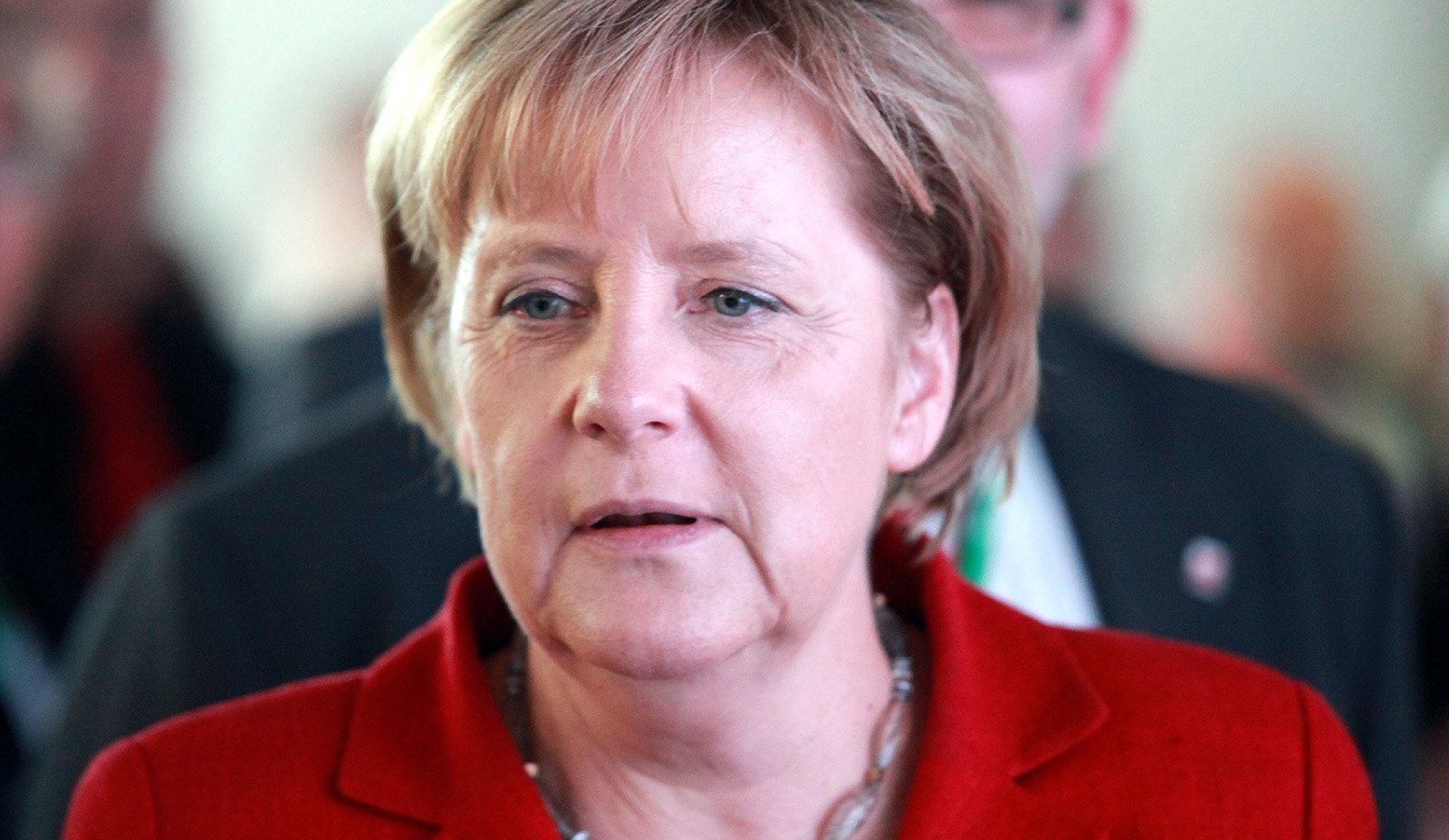
Germany has developed into a hugely diverse country, but Angela Merkel’s centre-right CDU is still grappling with this reality, writes Isabelle Hertner. Over Merkel's 16-year Chancellorship, her party has been torn between pragmatic immigration policy, and the demand for cultural assimilation Read more
Feargal Cochrane
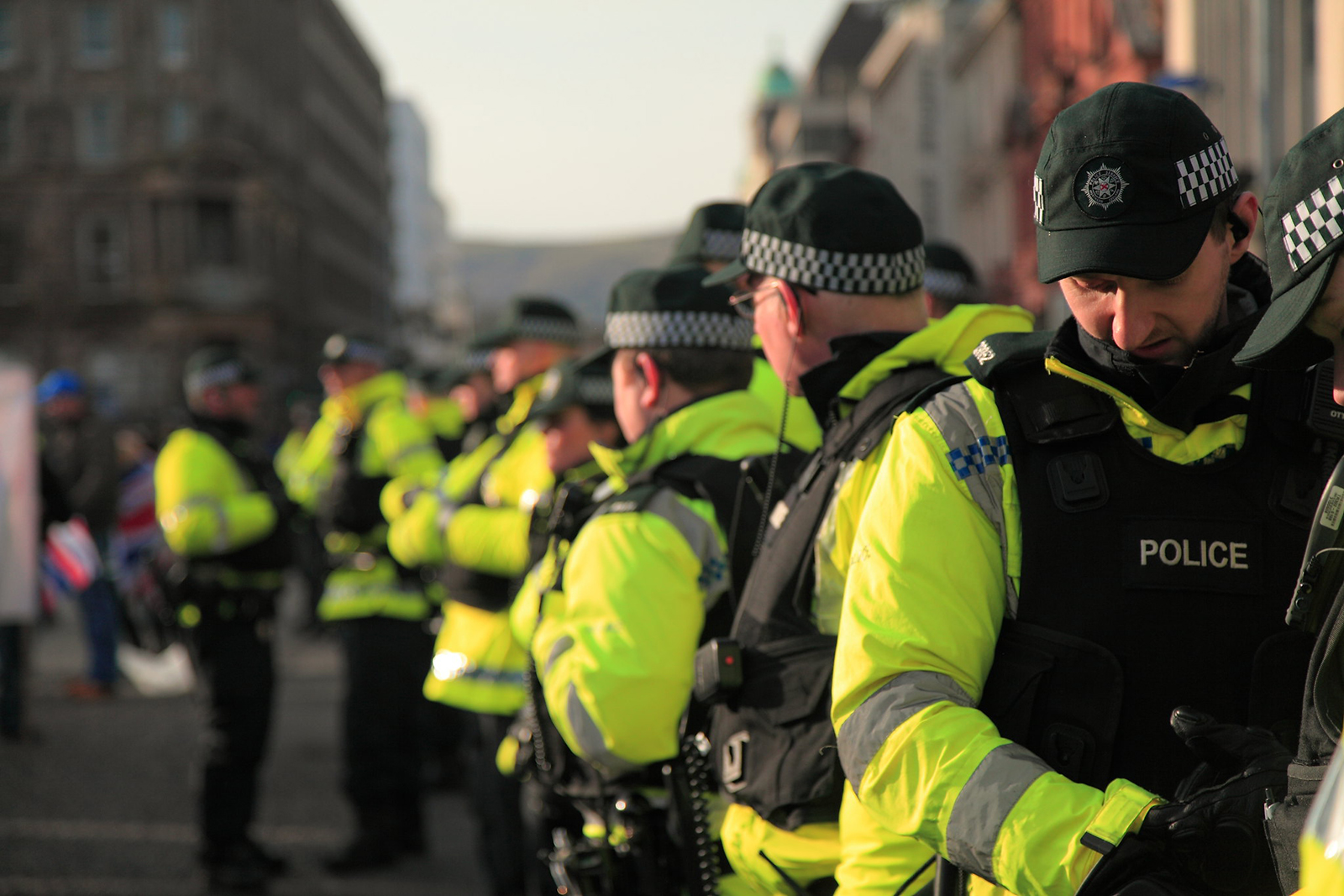
Twenty-three years after the Good Friday Agreement, the political atmosphere in Northern Ireland has reached boiling point. The underlying cause of recent unrest, writes Feargal Cochrane, is Brexit and its particular ramifications for Northern Ireland Read more
Ruairidh Brown
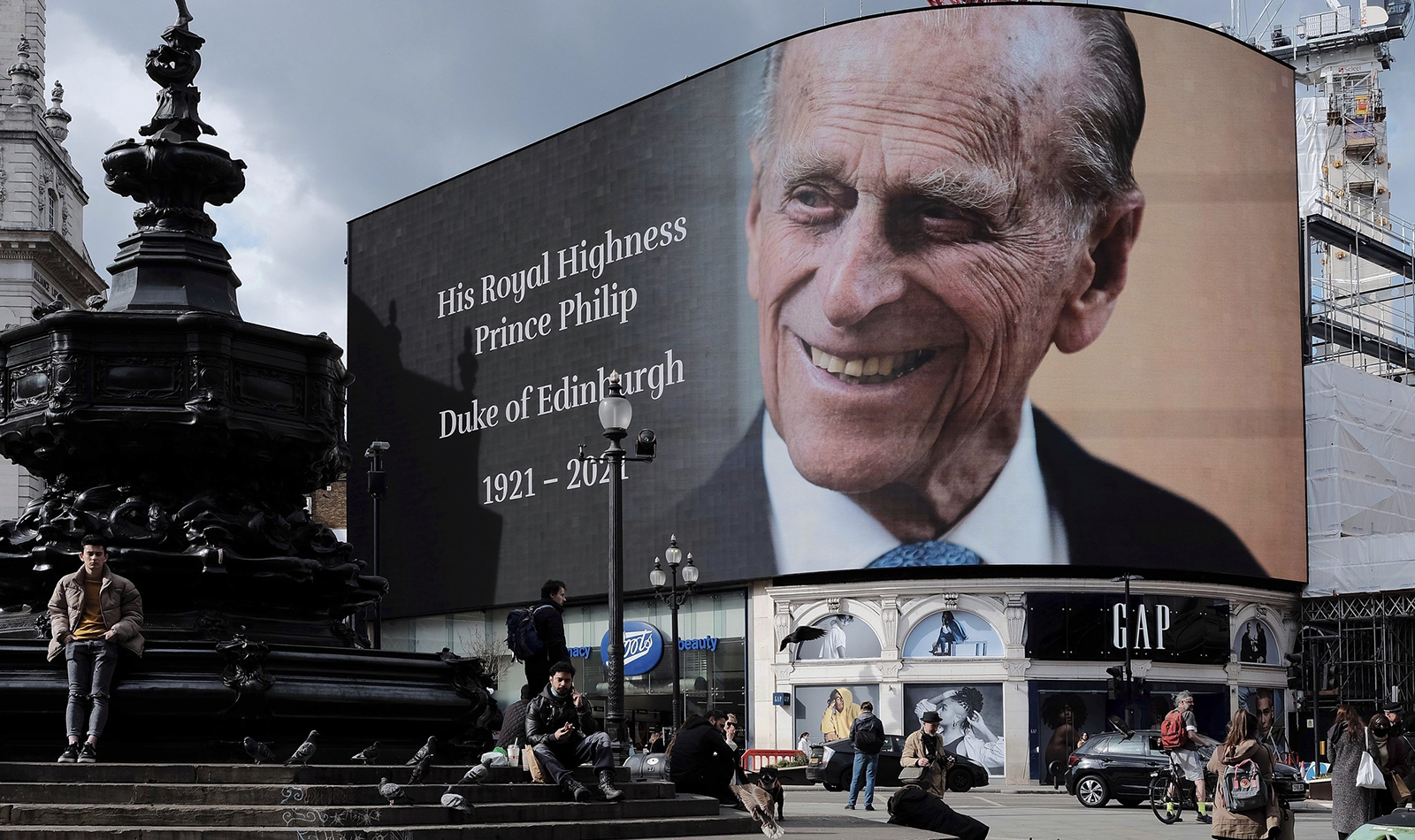
As coverage of Prince Phillip's death becomes the most complained about event in British television history, Ruairidh Brown argues that, despite its role as the UK’s national public broadcaster, the BBC must avoid normative attempts to dictate public sentiment Read more
Lorenzo Piccoli
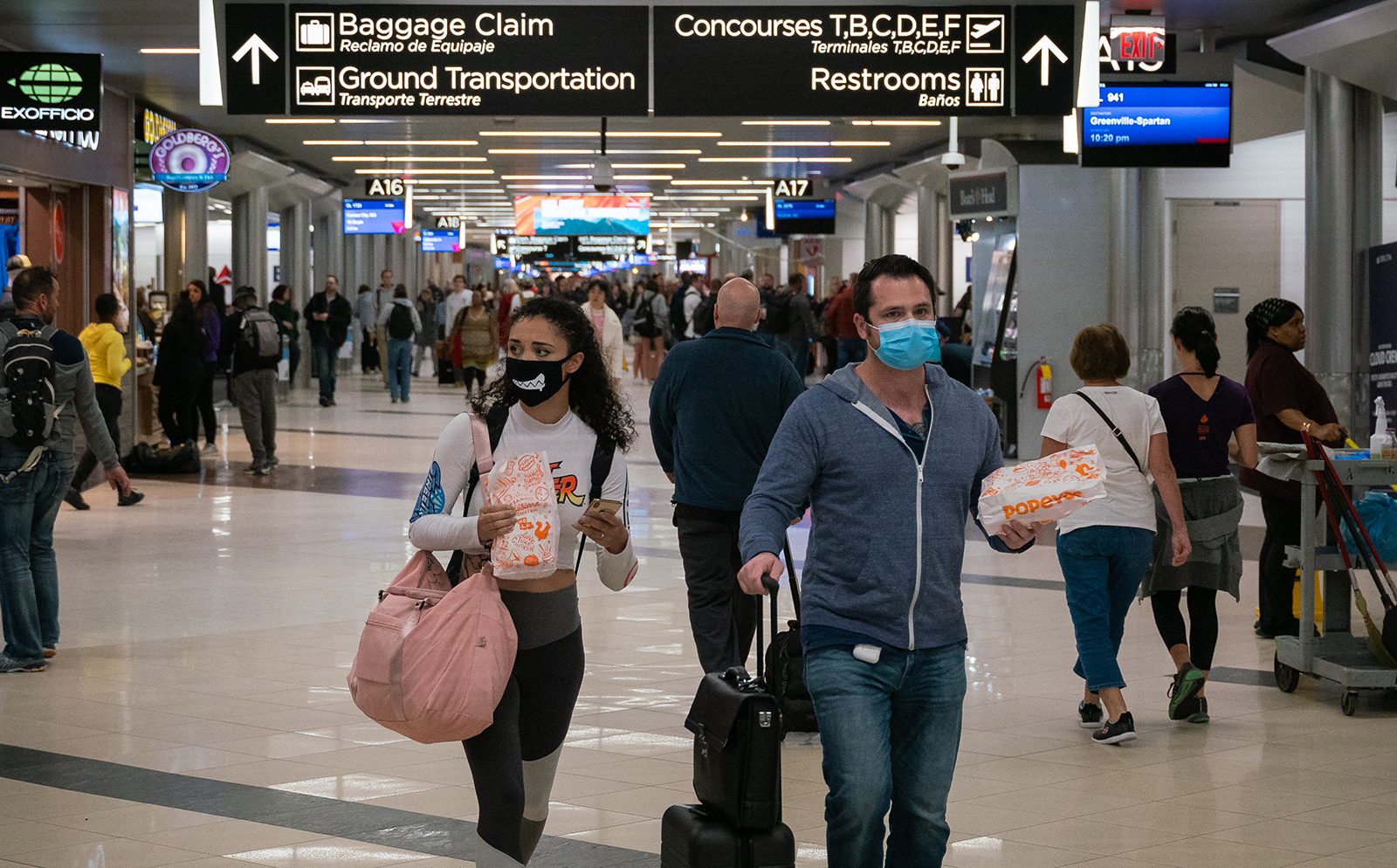
International travel restrictions introduced during the pandemic constrained our freedom to travel. To understand how, we must look at the interaction between immigration status, citizenship, employment, and place of residence, write Lorenzo Piccoli, Jelena Dzankic, Timothy Jacob-Owens and Didier Ruedin Read more
We use necessary cookies to make our site work. We'd also like to set analytics cookies that help us make improvements by measuring how you use the site. These will be set only if you accept.
▼
Strictly Necessary Cookies
Necessary cookies enable core functionality such as security, network management, and accessibility. You may disable these by changing your browser settings, but this may affect how the website functions.
▼
Analytics Cookies
Google Analytics
We'd like to set Google Analytics cookies to help us improve our website by collecting and reporting information on how you use it. The cookies collect information in a way that does not directly identify anyone. For more information on how these cookies work please see our Privacy Notice.