Stuart Wilks-Heeg
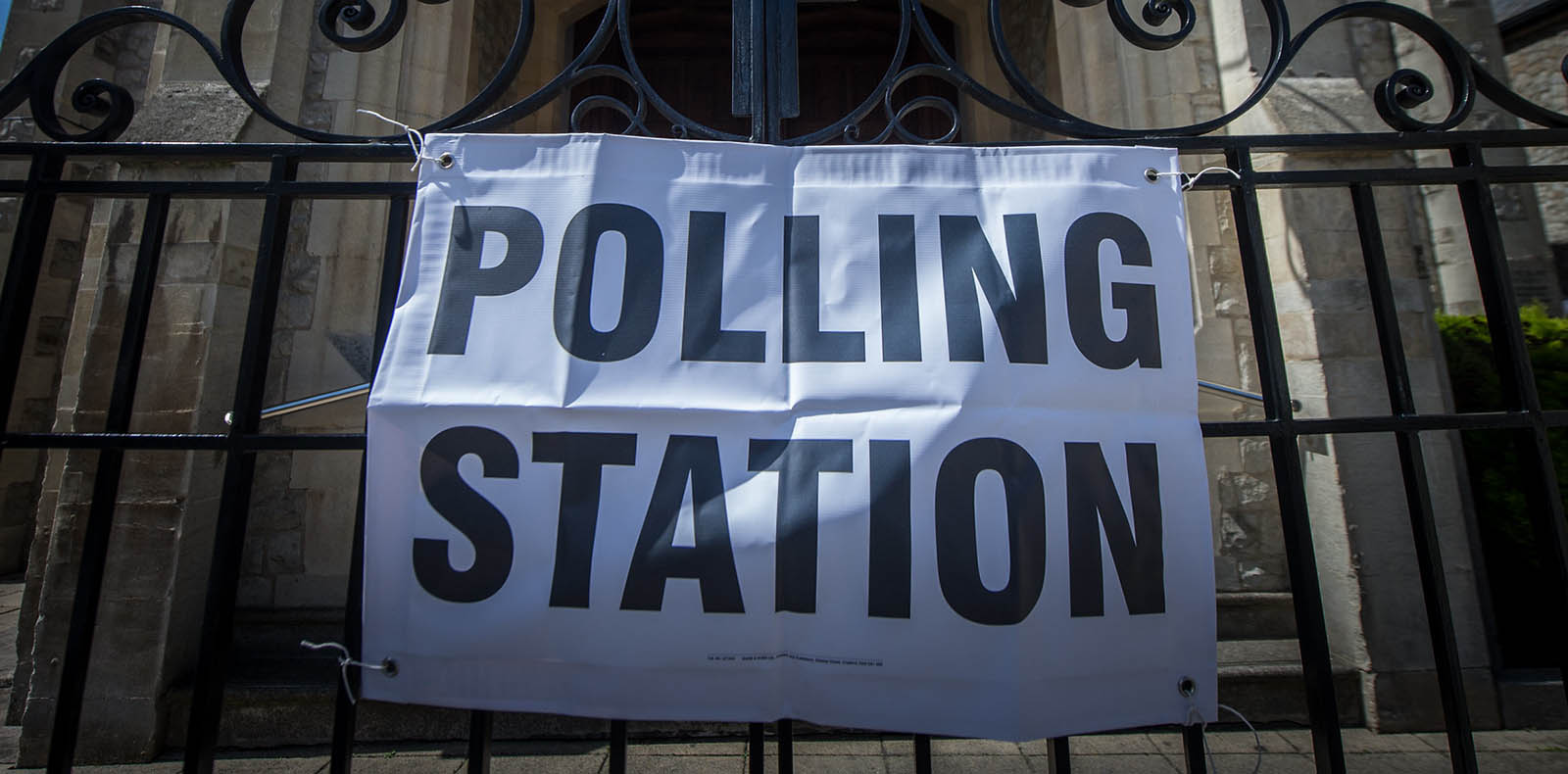
BBC general election night programmes since the 1950s have become increasingly frontloaded with discussion of projected results. Stuart Wilks-Heeg and Peter Andersen explain how this shift has developed in tandem with exit polling, and consider the implications for how the politics of election night unfolds Read more
Stefano Braghiroli
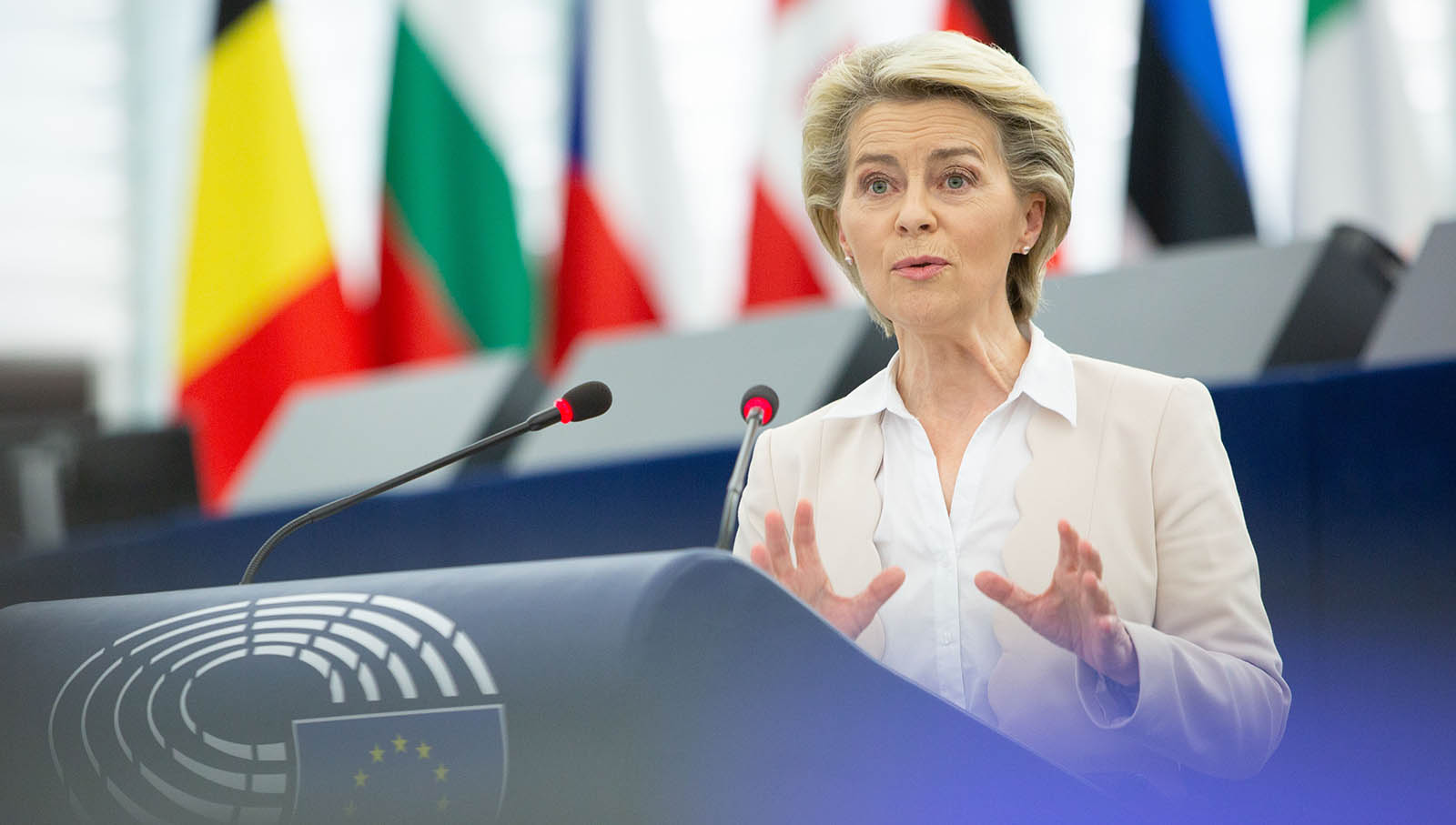
The EU has activated a Covid recovery package worth a staggering €672.5 billion. Observers focus on the role of European capitals, inter-governmental institutions, and the European Commission's coordinating role in delivering it. Yet, argues Stefano Braghiroli, we shouldn't ignore the role of the European Parliament... Read more
Ekaterina Rashkova
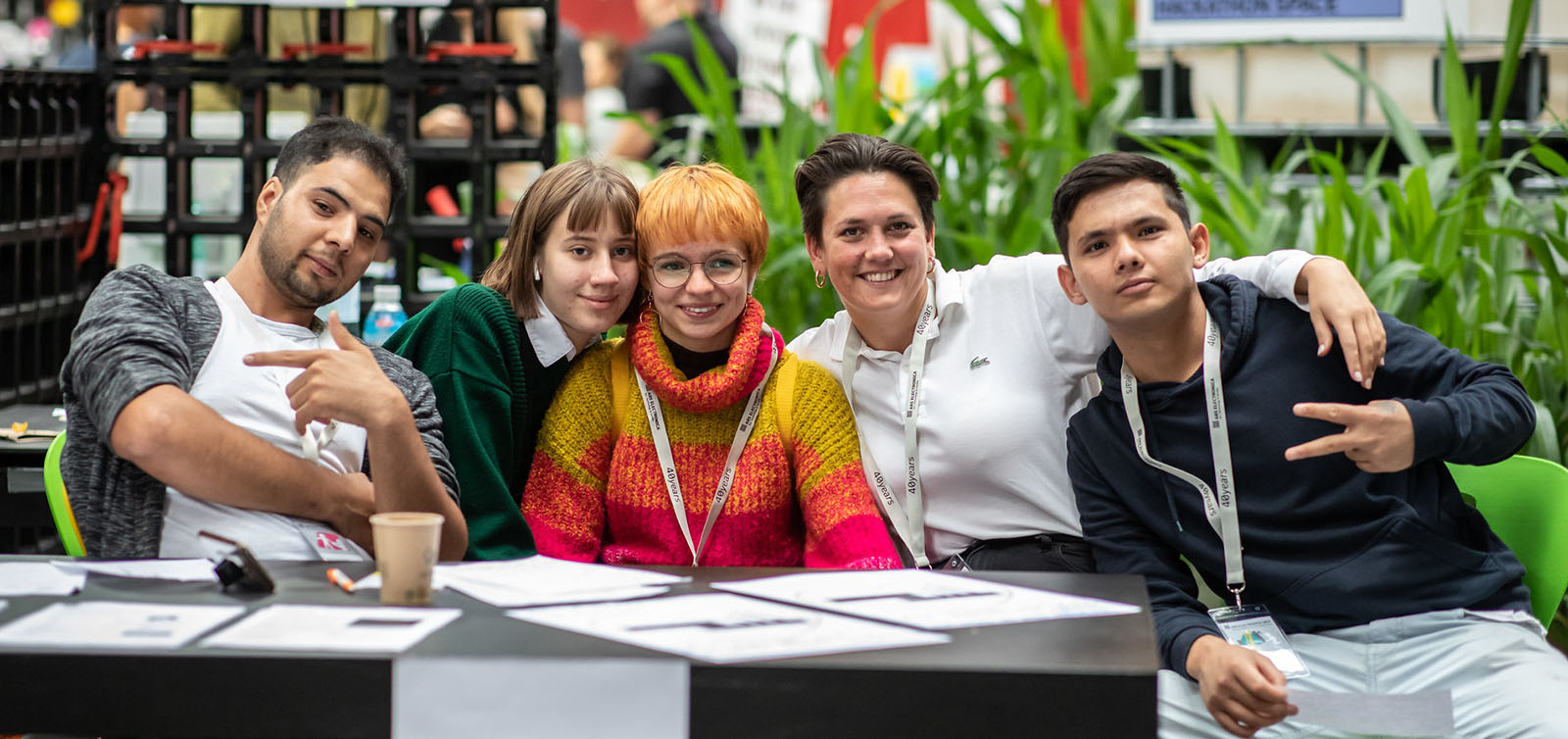
Millions of people no longer live in their countries of birth, and this can distort political representation, argues Ekaterina Rashkova-Gerbrands. If expats had been eligible to vote in recent Dutch parliamentary elections, we would have seen more support for innovative parties such as the D66 and Groen Links Read more
Jack Newman
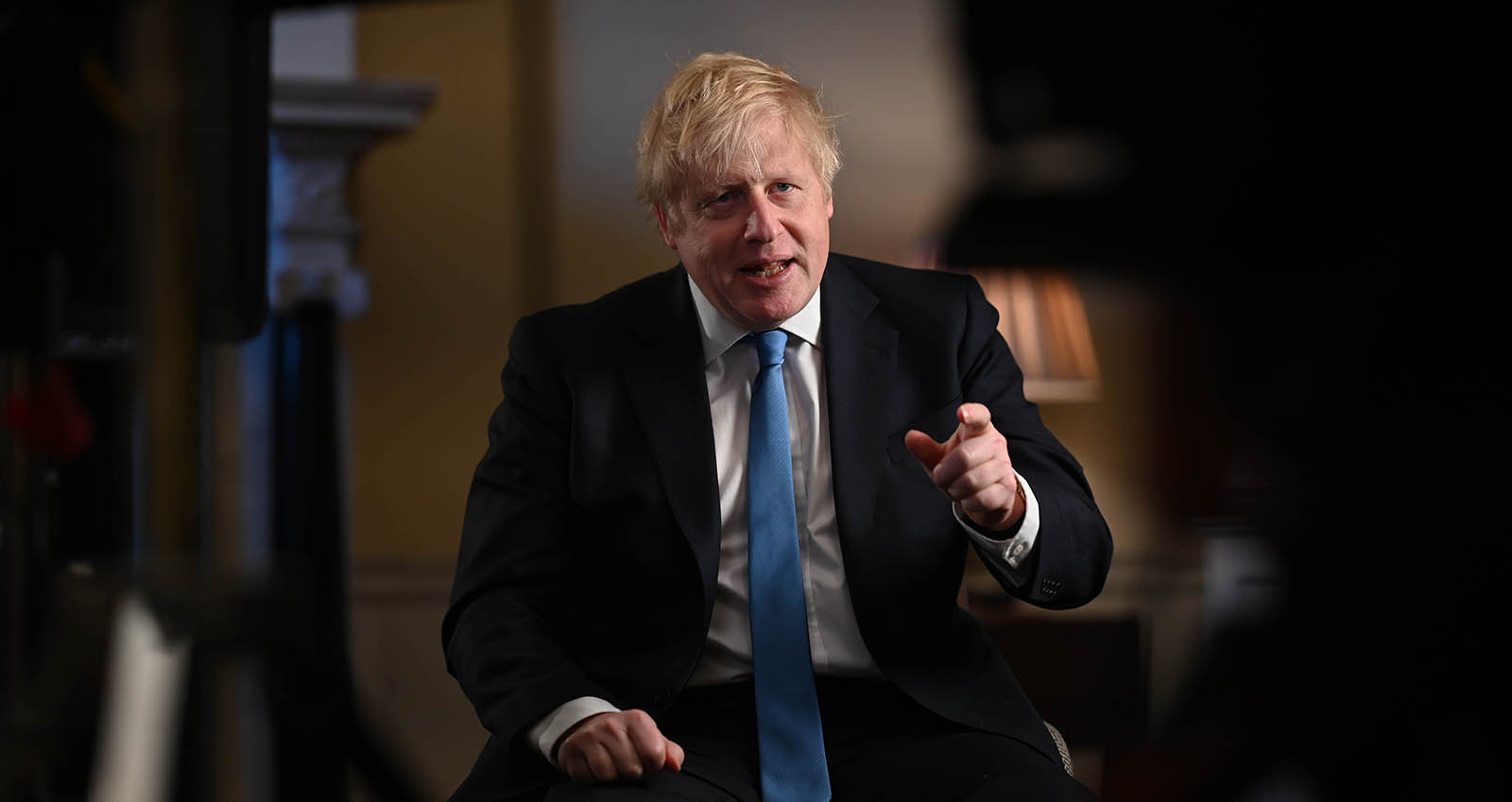
Levelling up has become the centrepiece of the UK government’s vision for a post-Brexit and post-Covid Britain. It promises greater equality without anybody losing out, and it appeals to all parts of the political spectrum. But these big promises create major challenges that could be the government’s undoing, argues Jack Newman Read more
Markus Wagner
In 2015, Austria took in almost 90,000 asylum seekers – the third-highest number in Europe that year. The government housed asylum seekers in areas with little experience in welcoming refugees. These areas subsequently saw a backlash against refugees in particular, and immigrants and Muslims in general, write Markus Wagner and Lukas Rudolph Read more
Aliaksei Kazharski
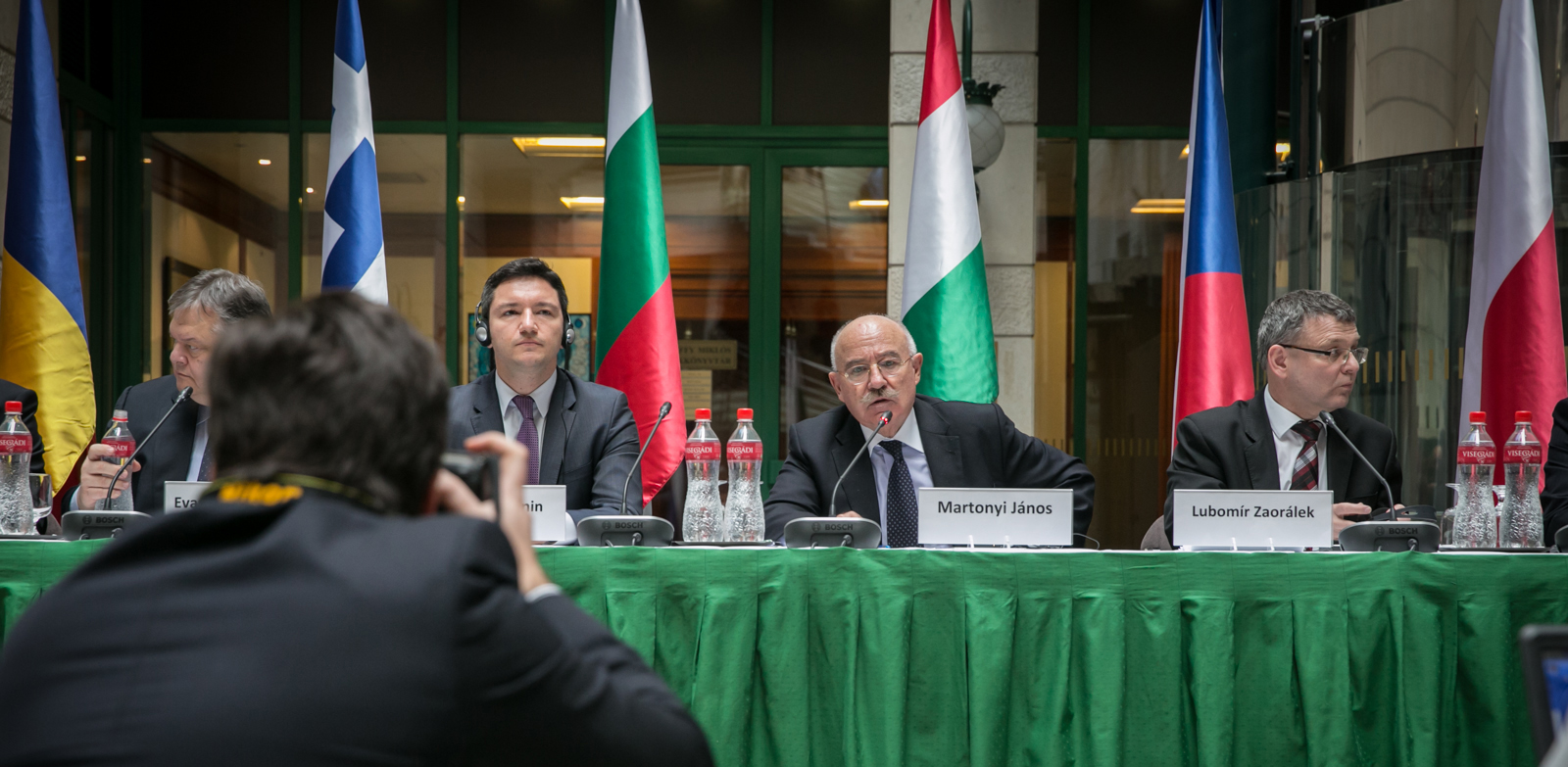
Following the end of the Cold War, the Visegrád 4 of Hungary, Poland, Czechia and Slovakia embarked on a 'return to the West'. These countries, writes Aliaksei Kazharski, are hardly beacons of democracy. But could they anchor Europeanisation and democratic change in East-Central Europe? Read more
Franziskus von Lucke
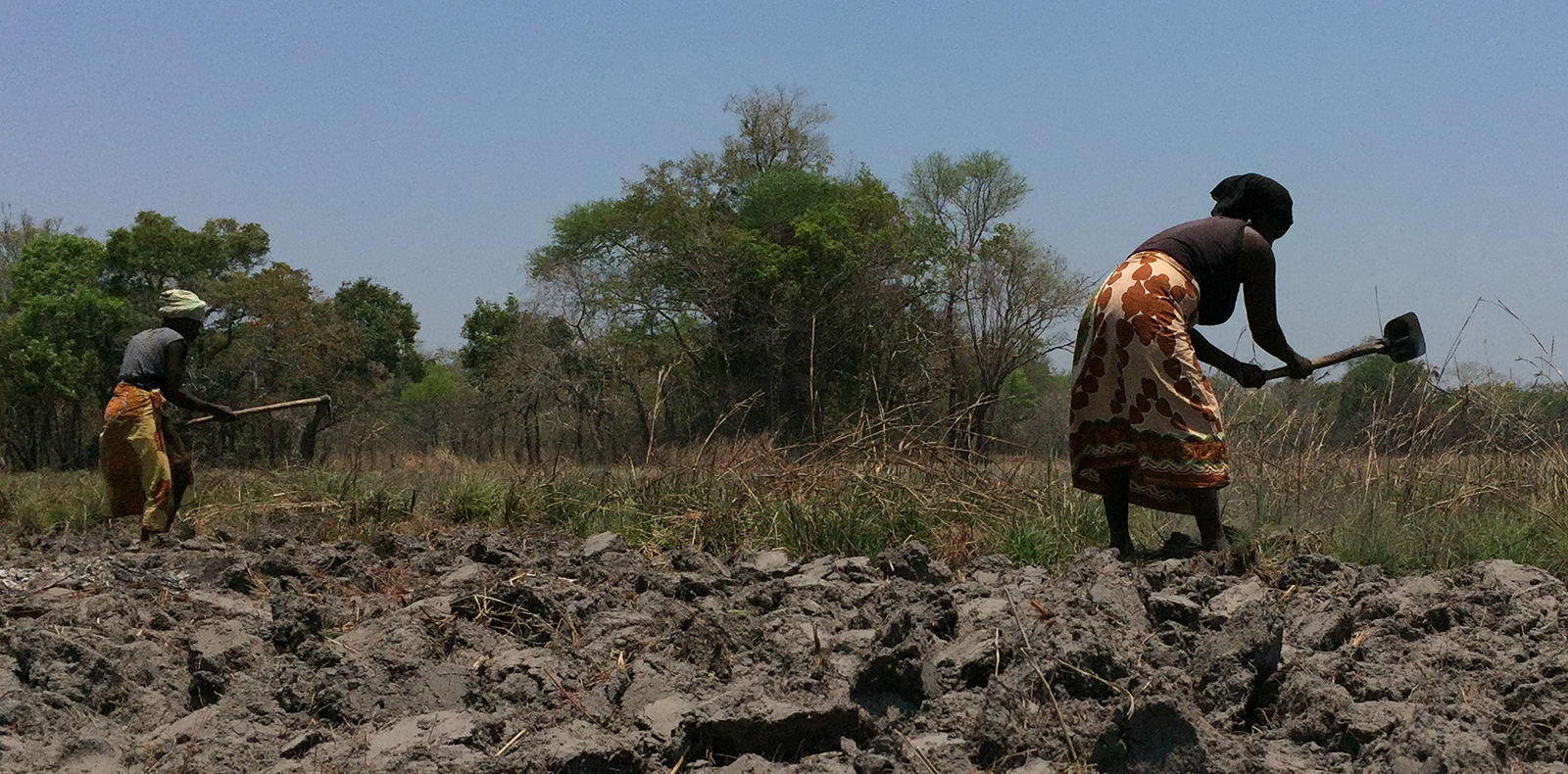
The pandemic still dominates headlines, yet political attention must soon refocus on a crisis even more fundamental: climate change. Franziskus von Lucke argues that to deal with the climate crisis, actors such as the EU must recognise different understandings of global climate justice Read more
Anna Guildea
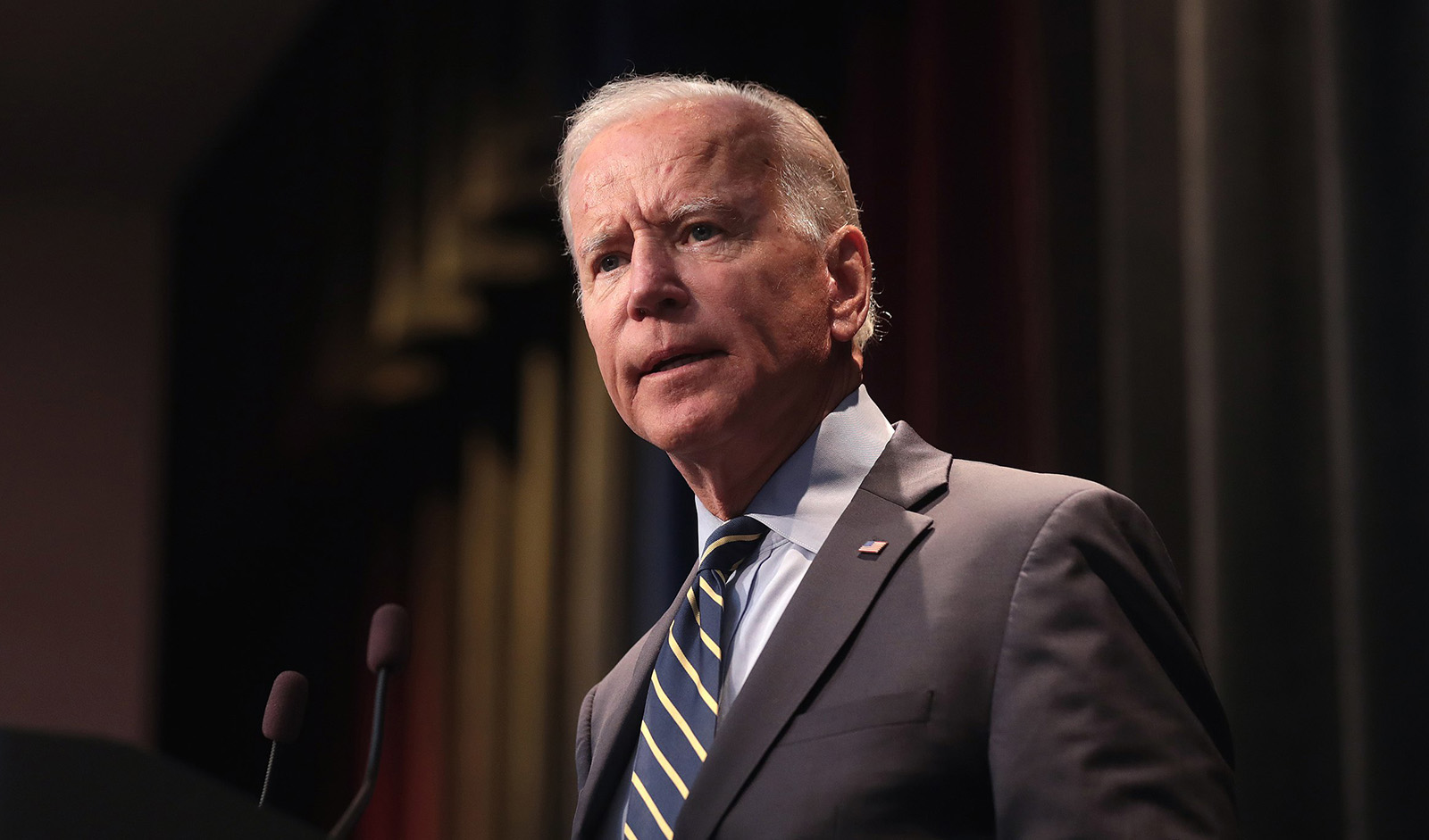
The Biden administration’s plans to introduce a global minimum corporate tax rate, while bringing benefits to the world economy, will have a crushing effect on economies such as Ireland, which has used low corporate tax rates as an engine of economic growth, writes Anna Guildea Read more
We use cookies to ensure that we give you the best experience on our website. If you continue to use this site we will assume that you are happy with it.