Albrecht Rothacher
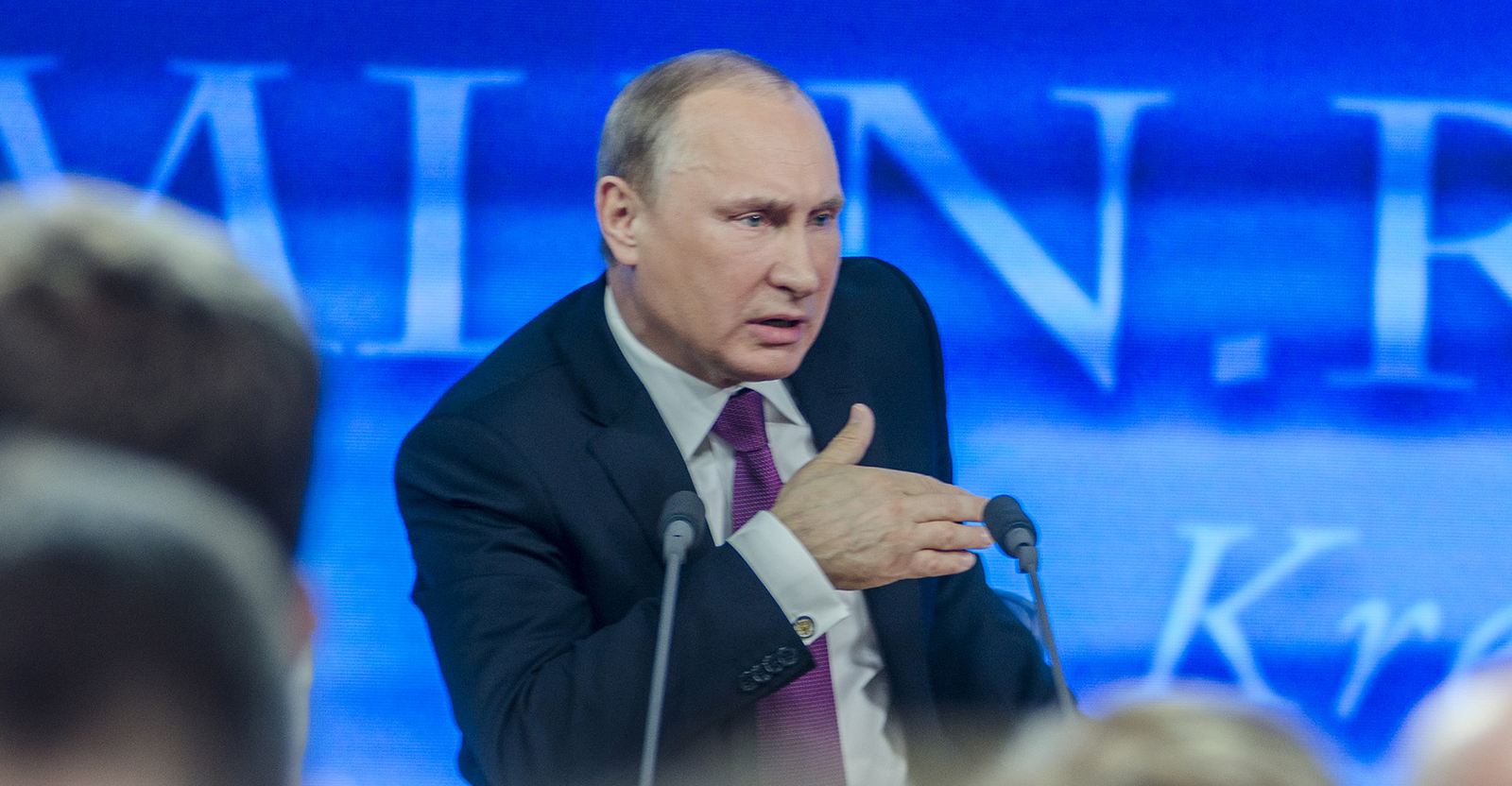
The impact of Covid-19 has laid bare the structural weaknesses of the Russian economy, dependent as it is upon nefarious practices and long-term assumptions about perennial growth in the world market for oil and gas, writes Albrecht Rothacher. And in the face of rising Chinese competition, future prospects are bleak Read more
Rachel M. Gisselquist
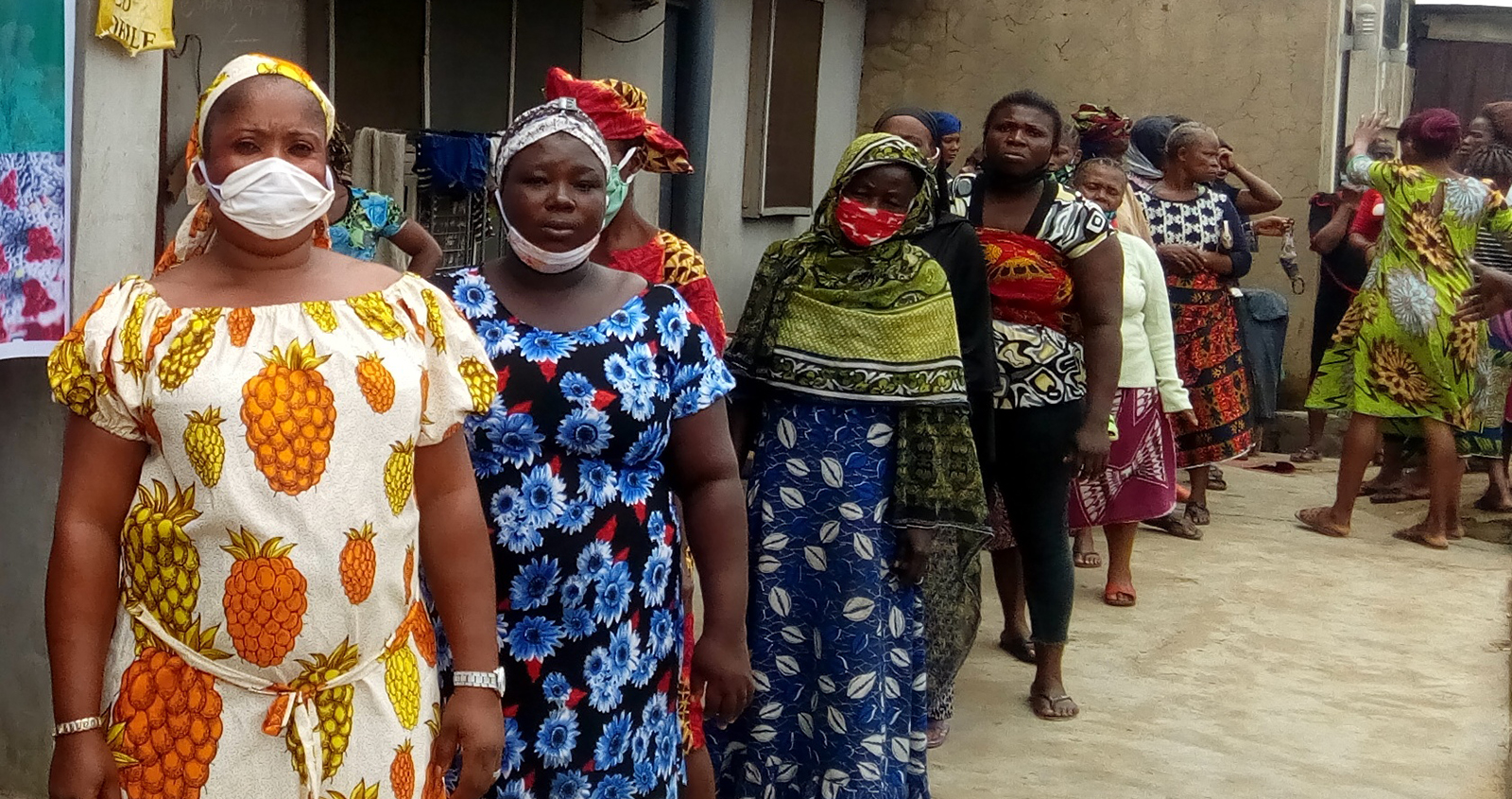
States with fragile state health systems have been commended for effective responses to the Covid-19 pandemic. But if we take into account factors such as favourable climate and the age structure of the population, the Covid-19 impact is, in fact, greater on states with weak institutions, explain Rachel M. Gisselquist and Andrea Vaccaro Read more
Matteo Marenco
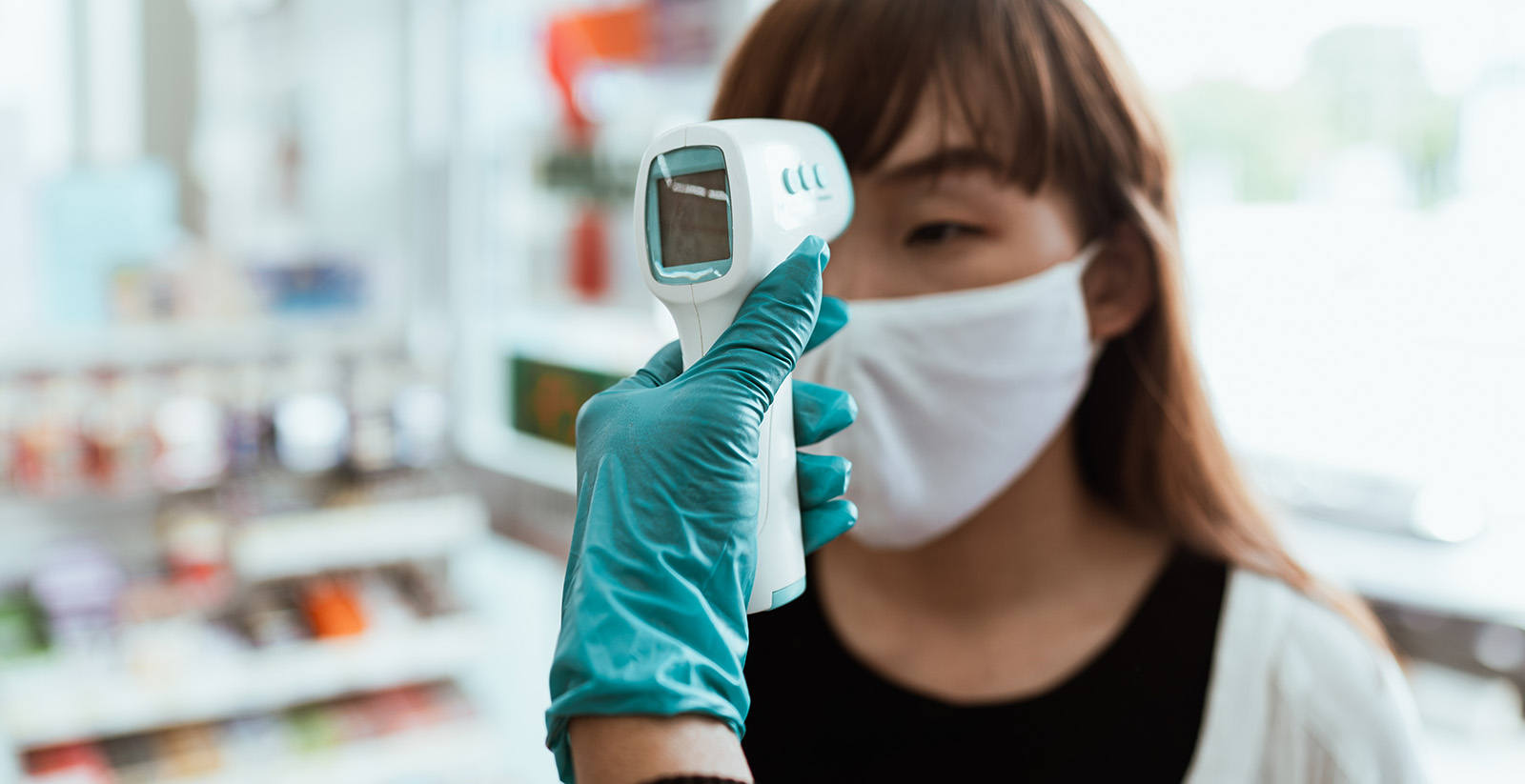
The pandemic has shaken our fieldwork activities to the core, if by fieldwork we mean working ‘in the field’. Even though it can be very demanding, we should adapt – when possible – to the new reality, and learn from it, writes Matteo Marenco Read more
Jay Krehbiel
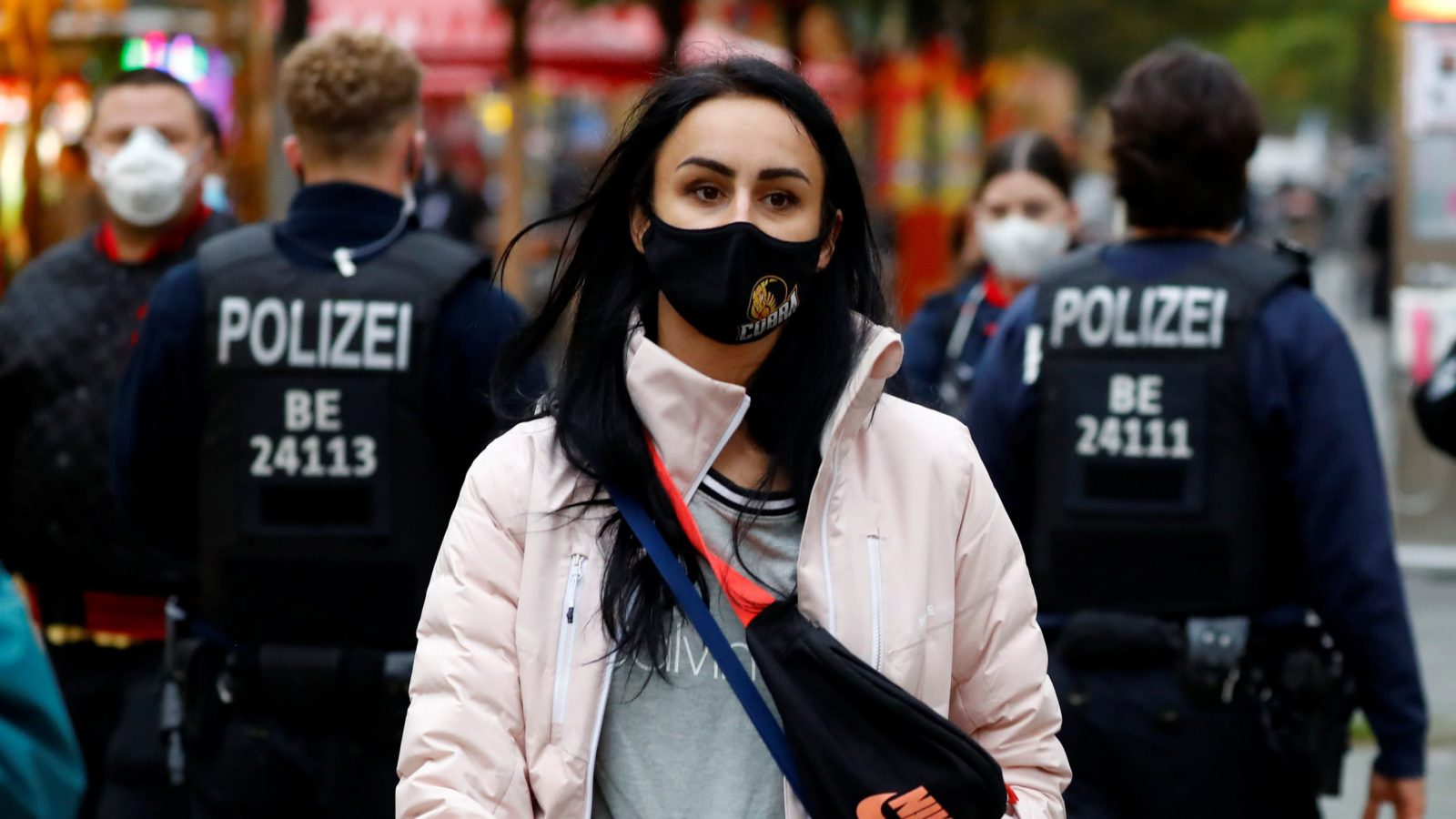
Changing German attitudes to the coronavirus, as measured in original survey data, are the key to understanding how long the country’s success in tackling the pandemic may last, writes Jay N. Krehbiel, Amanda Driscoll, Michael J. Nelson and Taylor Kinsley Chewning Read more
Kannen Ramsamy
Covid-19 is a crisis caused by scientific and evidential uncertainty. Kannen Ramsamy argues that adopting the so-called ‘precautionary principle’ in developing policy responses is crucial. Countries that have not done so, such as the US and Sweden, are now paying a heavy price Read more
Faria Ahmed
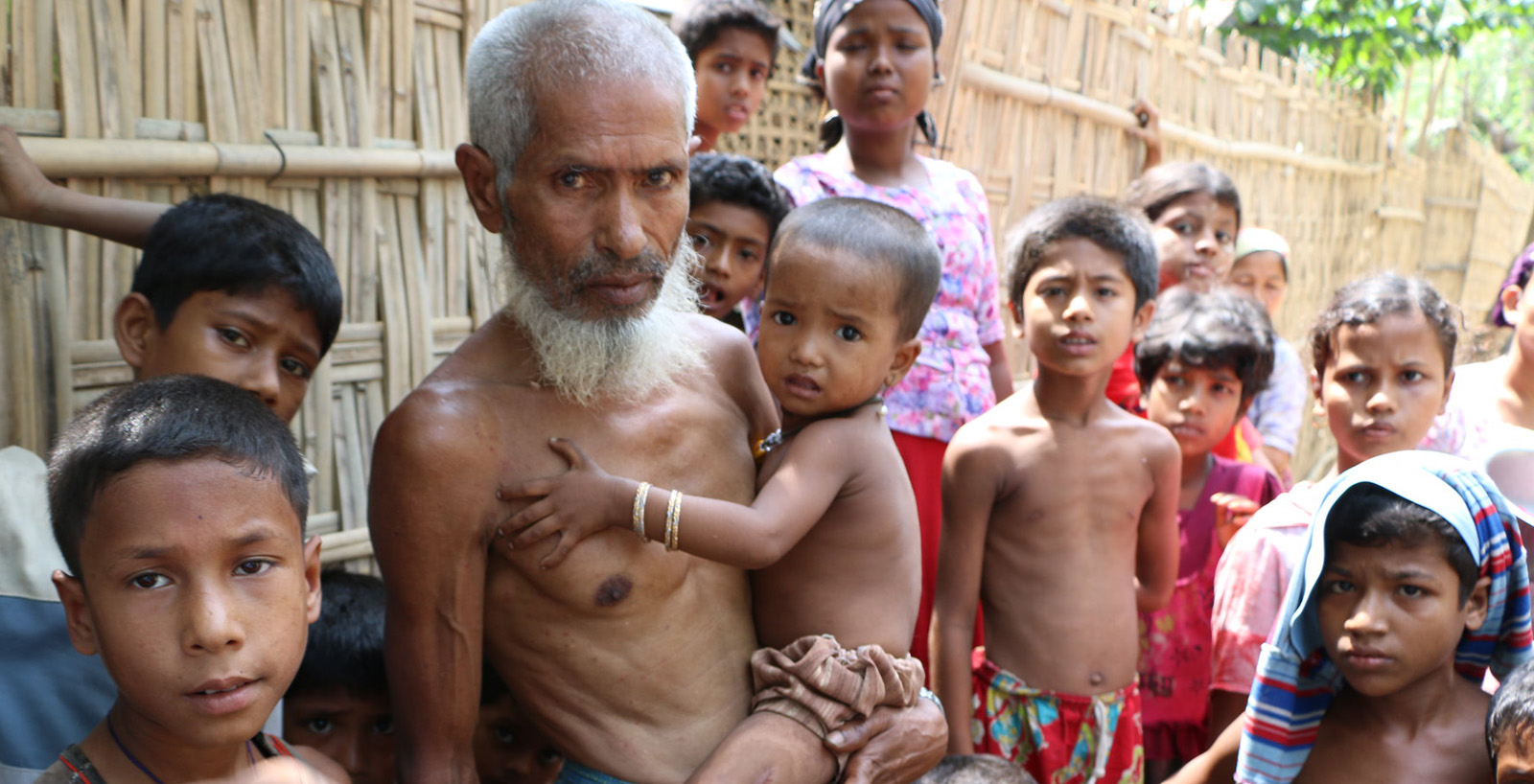
While advanced western states grapple with an unprecedented pandemic, the fate of nations on the periphery is being largely overlooked. In Bangladesh, for example, a pre-existing humanitarian crisis is exacerbated by a public health and economic crisis caused by Covid-19. This is prompting rising challenges for – and tensions between – Rohingya refugees and host communities in Bangladesh, write Faria Ahmed and Nurul Huda Sakib Read more
Stuart A Brown
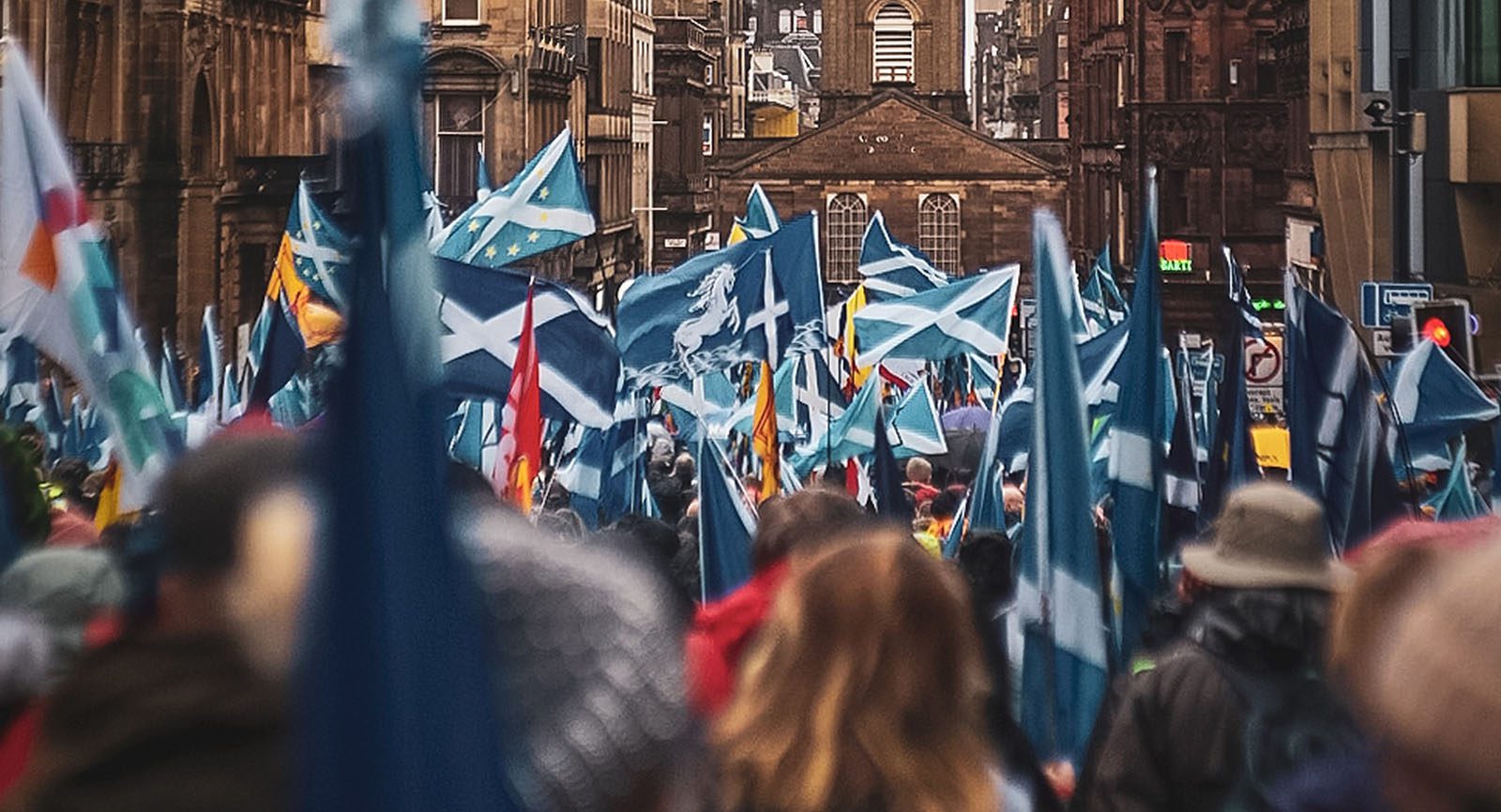
Scottish independence voters in the 2014 referendum refused to accept the UK government’s position that this was a ‘once in a generation’ opportunity. Six years on and a second referendum is back on the agenda, writes Stuart Brown Read more
Felia Allum
Felia Allum draws curious and interesting parallels between Covid-19 and Italian mafias – in the nature of the threats they pose, and the ability of states and societies to confront them Read more
We use necessary cookies to make our site work. We'd also like to set analytics cookies that help us make improvements by measuring how you use the site. These will be set only if you accept.
▼
Strictly Necessary Cookies
Necessary cookies enable core functionality such as security, network management, and accessibility. You may disable these by changing your browser settings, but this may affect how the website functions.
▼
Analytics Cookies
Google Analytics
We'd like to set Google Analytics cookies to help us improve our website by collecting and reporting information on how you use it. The cookies collect information in a way that does not directly identify anyone. For more information on how these cookies work please see our Privacy Notice.