Elena Baro
Scholars have been trying to understand what unifies voters of populist parties and what the prototypical populist voter looks like. Elena Baro proposes a new perspective in the study of the demand-side, that of embracing what makes the study of populism challenging: its thin and chameleonic nature Read more
Paul D. Kenny
Scholars and pundits – few of whom are populist supporters themselves – like nothing more than to point out the seeming foolishness of populism. However, Paul Kenny argues, there is also frequently a rational explanation behind their choices. Populist voters may be a lot of things, but they are not irrational Read more
Nils Steiner
One way globalisation influences politics is by making new social categories ripe for politicisation. Nils Steiner, Matthias Mader and Harald Schoen examine the case of 'winners' and 'losers' of globalisation and show that significant proportions of citizens see themselves as part of these groups, showing distinct party preferences as a result Read more
Sanne van Oosten
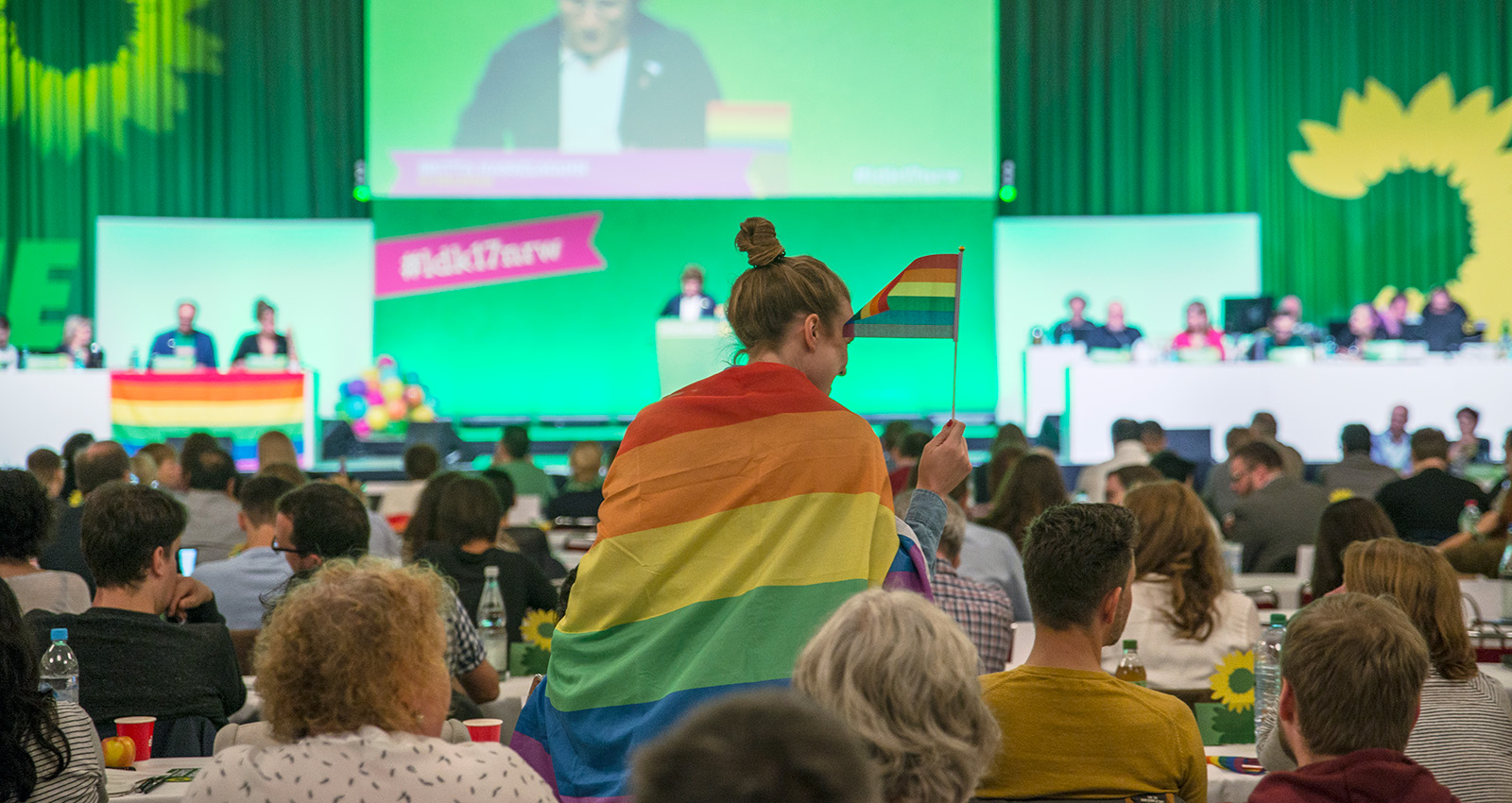
We know that voters stereotype Muslim politicians as homophobic. However, they also project their own ideas about LGBTQ+ rights onto politicians. Sanne van Oosten examines which of these voter tendencies are likely to prevail with which voters, and argues that both strength and type of opinion matter Read more
Matthew E Bergman
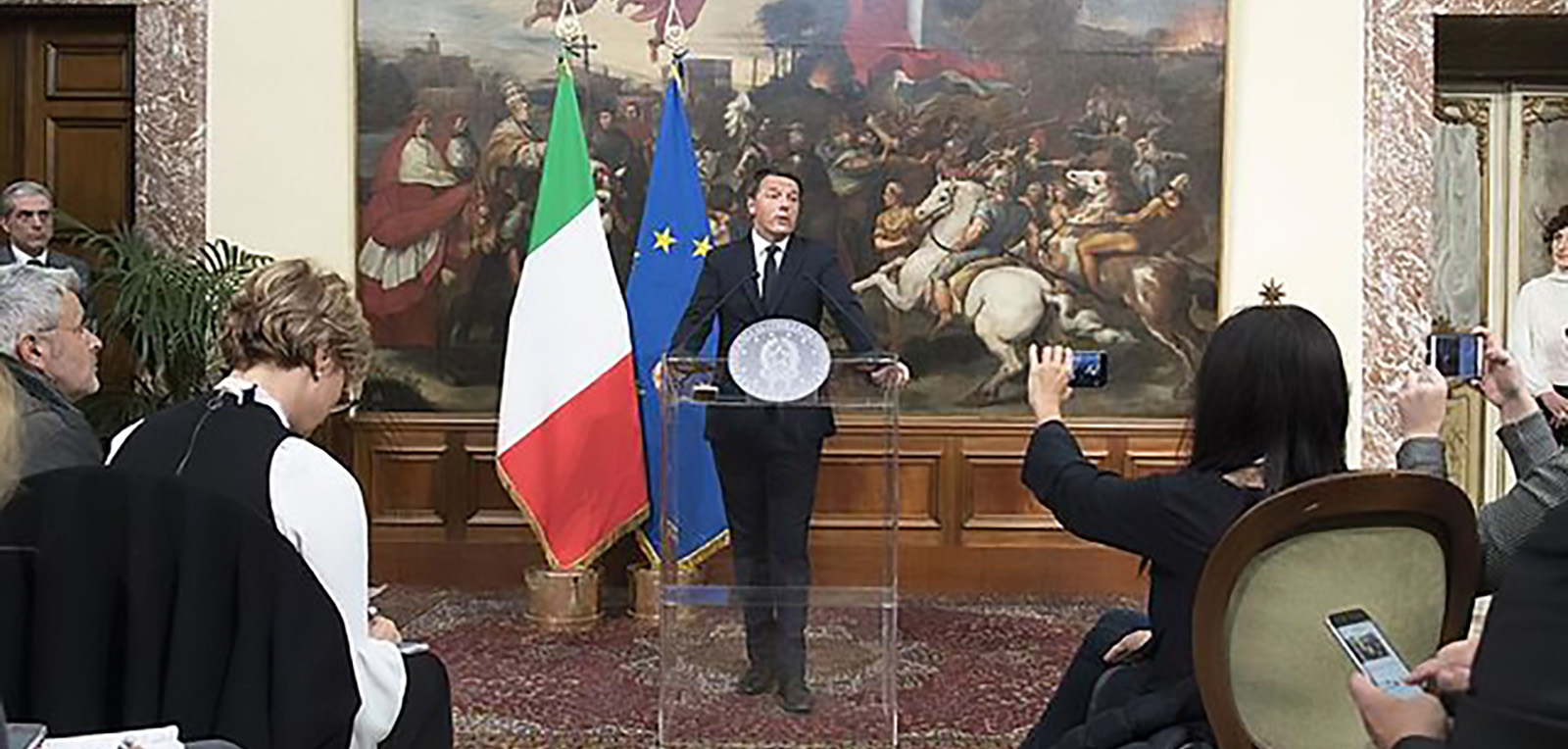
What motivates people in referendum voting? Advocates argue that they allow voters to express their sincere preferences on issues. Matthew Bergman and Gianluca Passarelli look at the Italian case. They argue that voting in referenda can be just as party-focused as other forms of elections Read more
Daphne Halikiopoulou
Daphne Halikiopoulou and Sofia Vasilopoulou highlight the multifaceted nature of the far-right populist appeal to voters with different preferences and incentives. The far right struggles to expand its appeal to those who evaluate the democratic process positively, but its rhetoric intensifies support among some segments of its core electorate Read more
Jamie Shenk
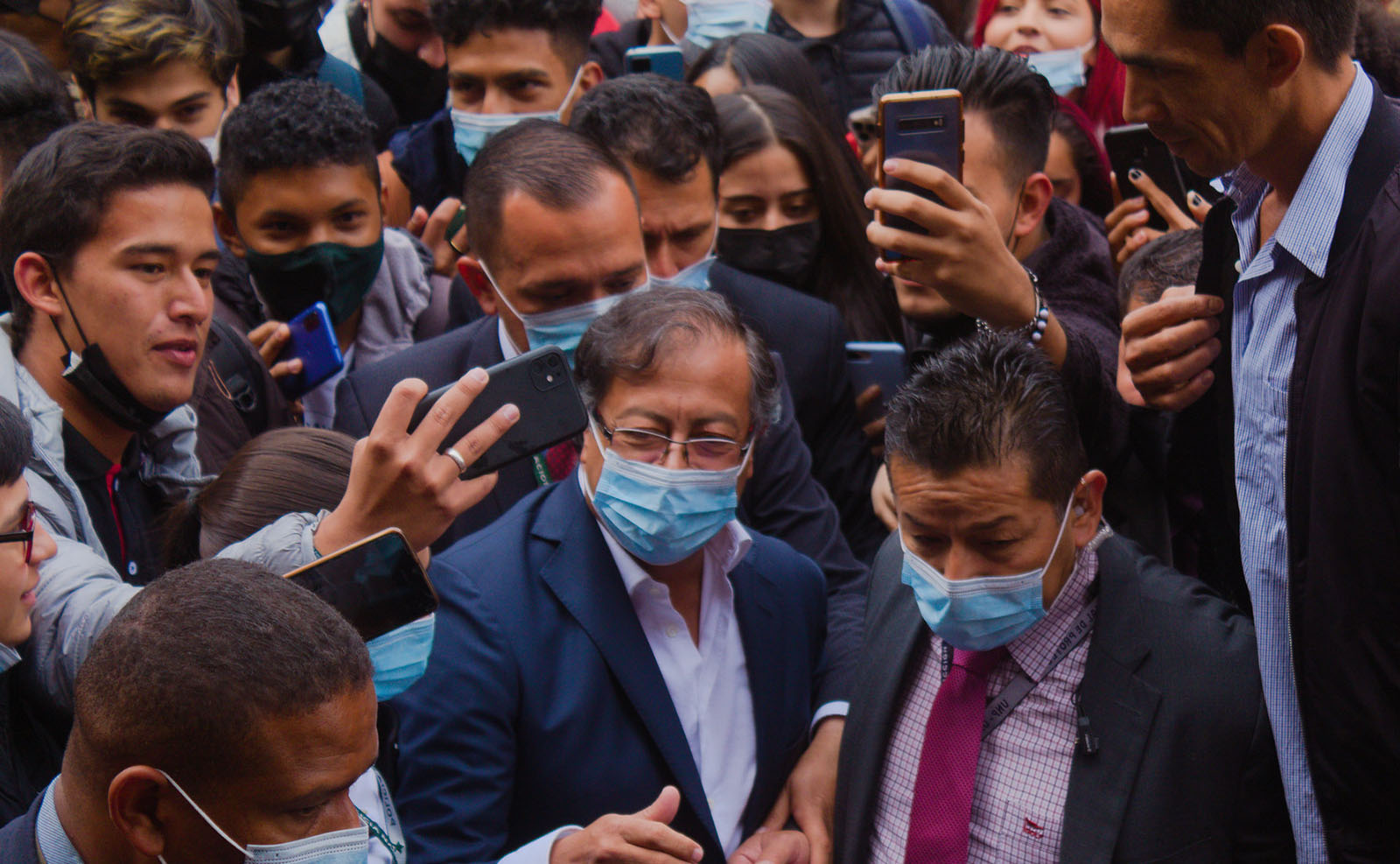
Colombian voters rejected the political establishment, voting 'outsider' politicians into the run-off for the Colombian presidency. However, understanding who didn’t vote in Colombia’s election tells us more about the state of Colombia’s democracy, writes Jamie Shenk Read more
Giovanni Capoccia
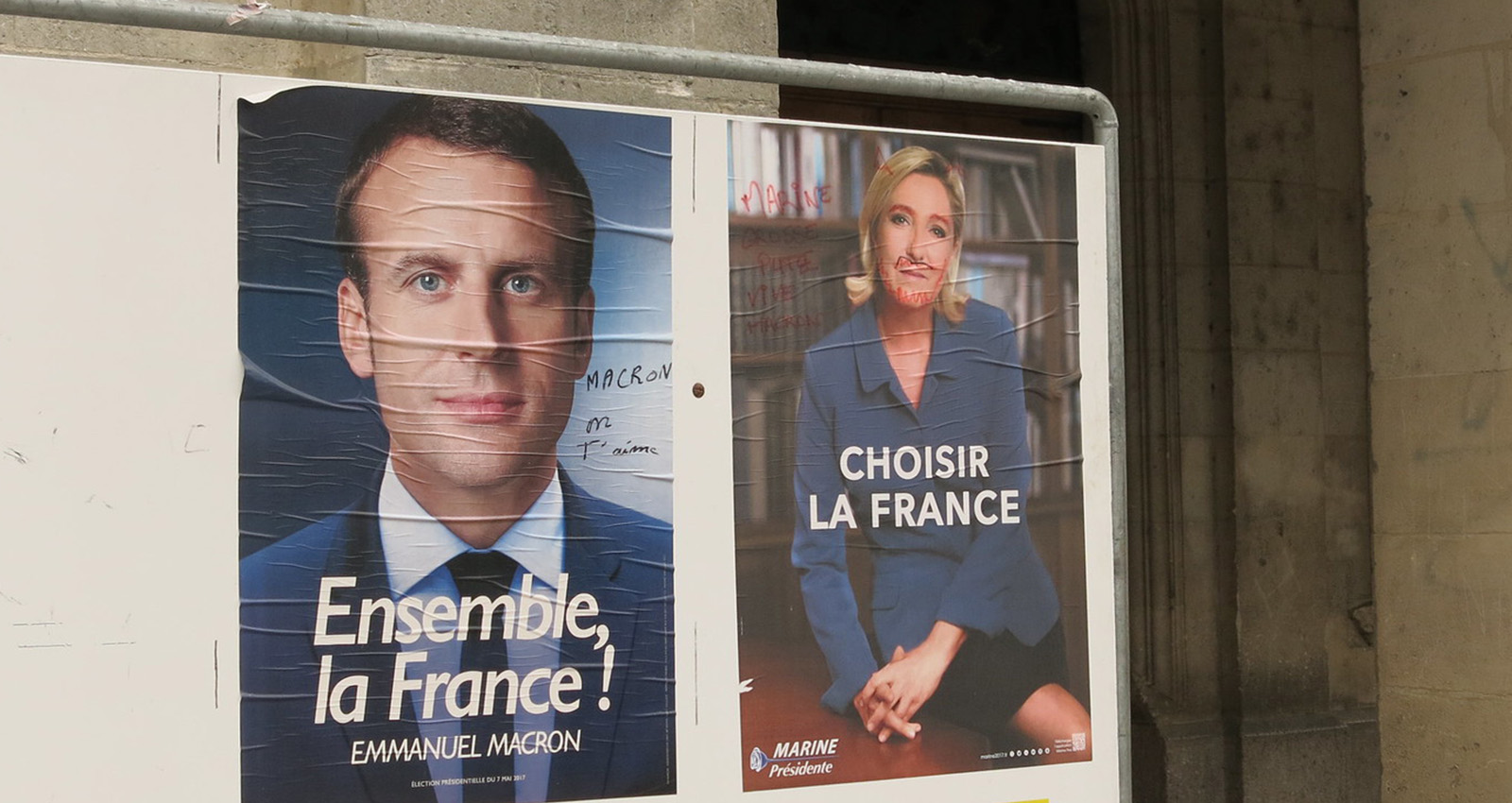
A second term of office for Emmanuel Macron remains the most probable outcome of the French Presidential election, but it is no longer a foregone conclusion. The race with Marine Le Pen now looks more competitive than ever, says Giovanni Capoccia. Read more
We use necessary cookies to make our site work. We'd also like to set analytics cookies that help us make improvements by measuring how you use the site. These will be set only if you accept.
▼
Strictly Necessary Cookies
Necessary cookies enable core functionality such as security, network management, and accessibility. You may disable these by changing your browser settings, but this may affect how the website functions.
▼
Analytics Cookies
Google Analytics
We'd like to set Google Analytics cookies to help us improve our website by collecting and reporting information on how you use it. The cookies collect information in a way that does not directly identify anyone. For more information on how these cookies work please see our Privacy Notice.