Nicholas Ross Smith
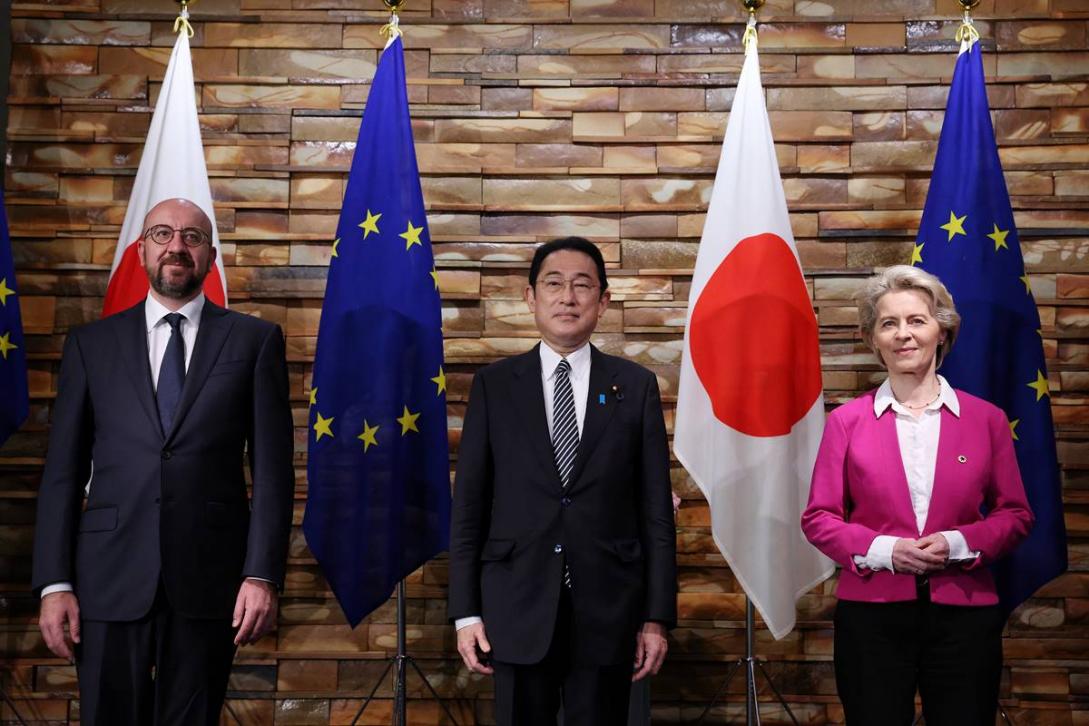
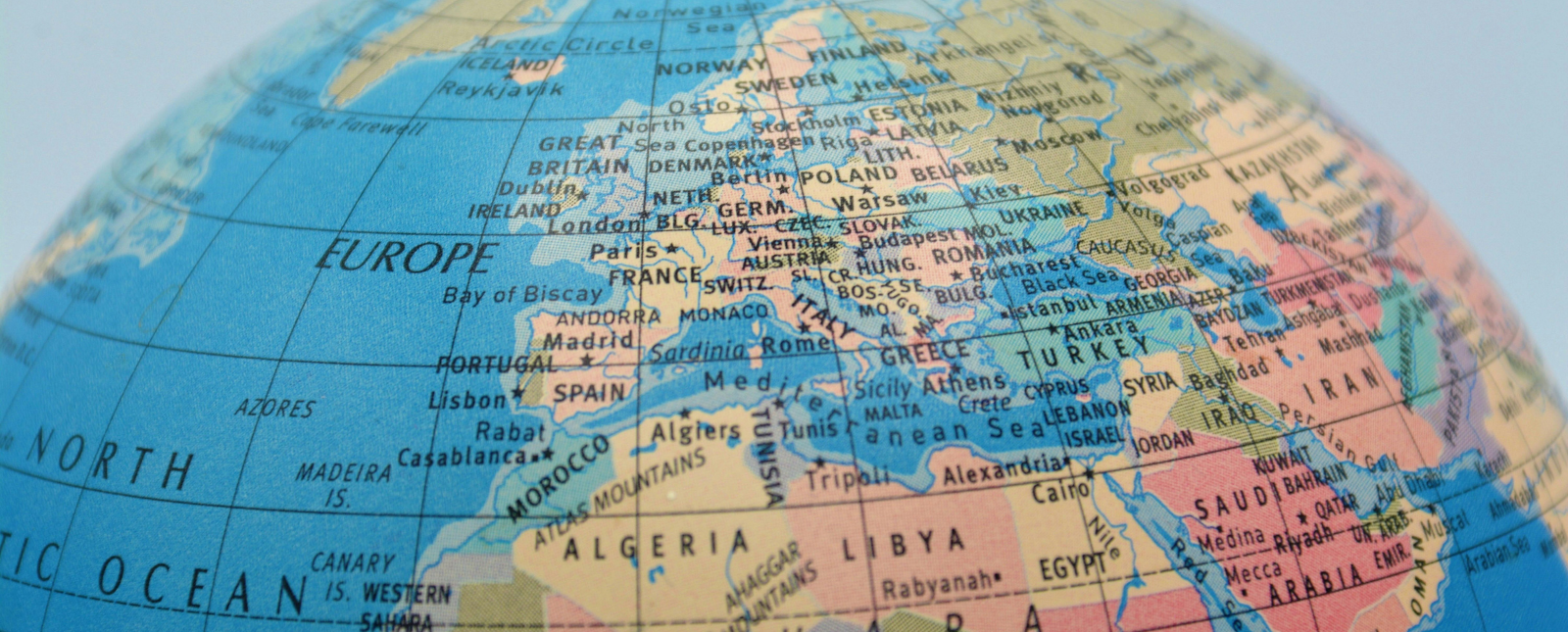
Four years after launching its Indo-Pacific Strategy, the EU still isn't seen as a serious geopolitical player in the 'region'. Closing this perception gap, not building more capability, argues Nicholas Ross Smith, is Brussels' real challenge Read more
Adam Kola
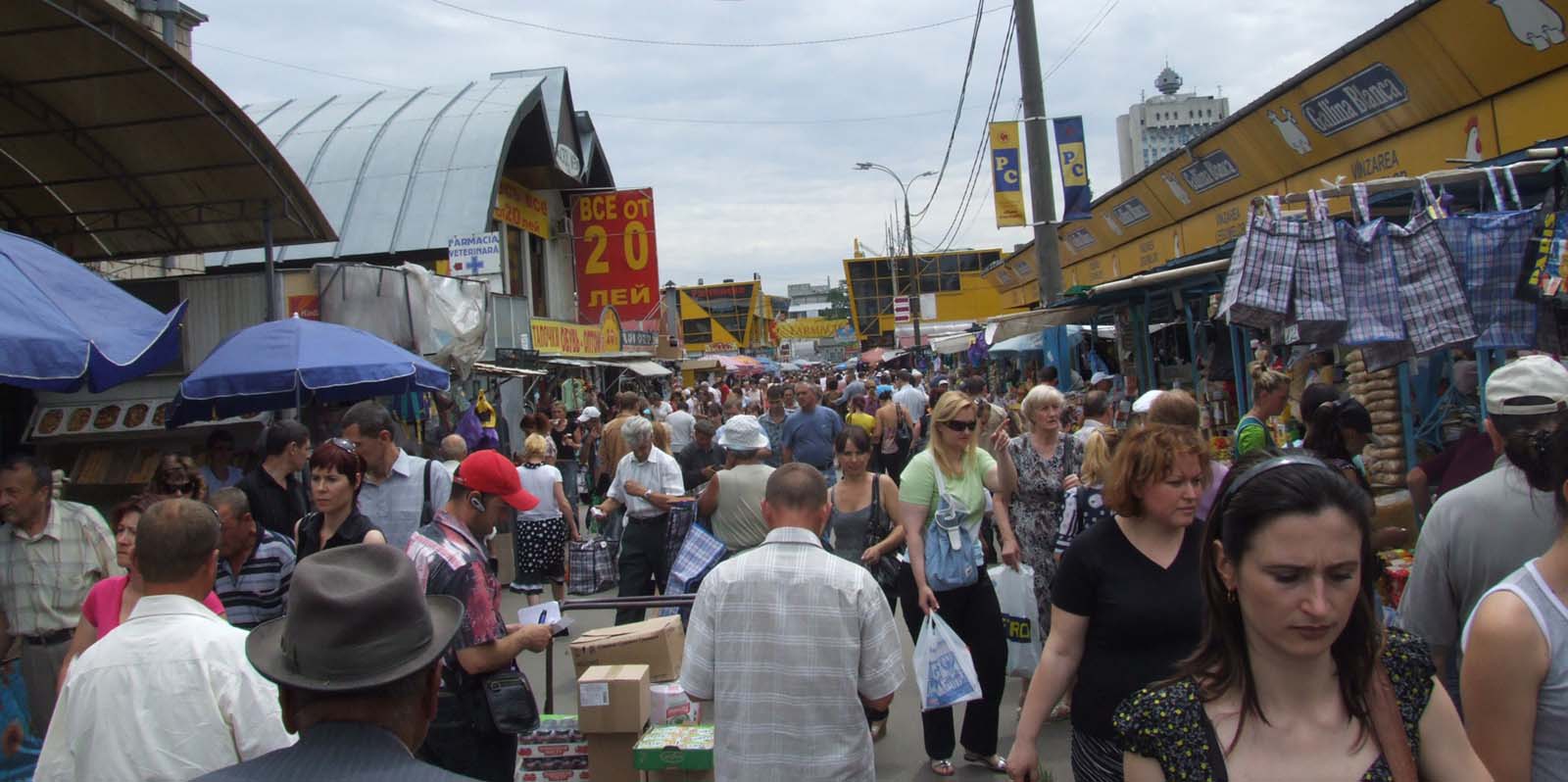
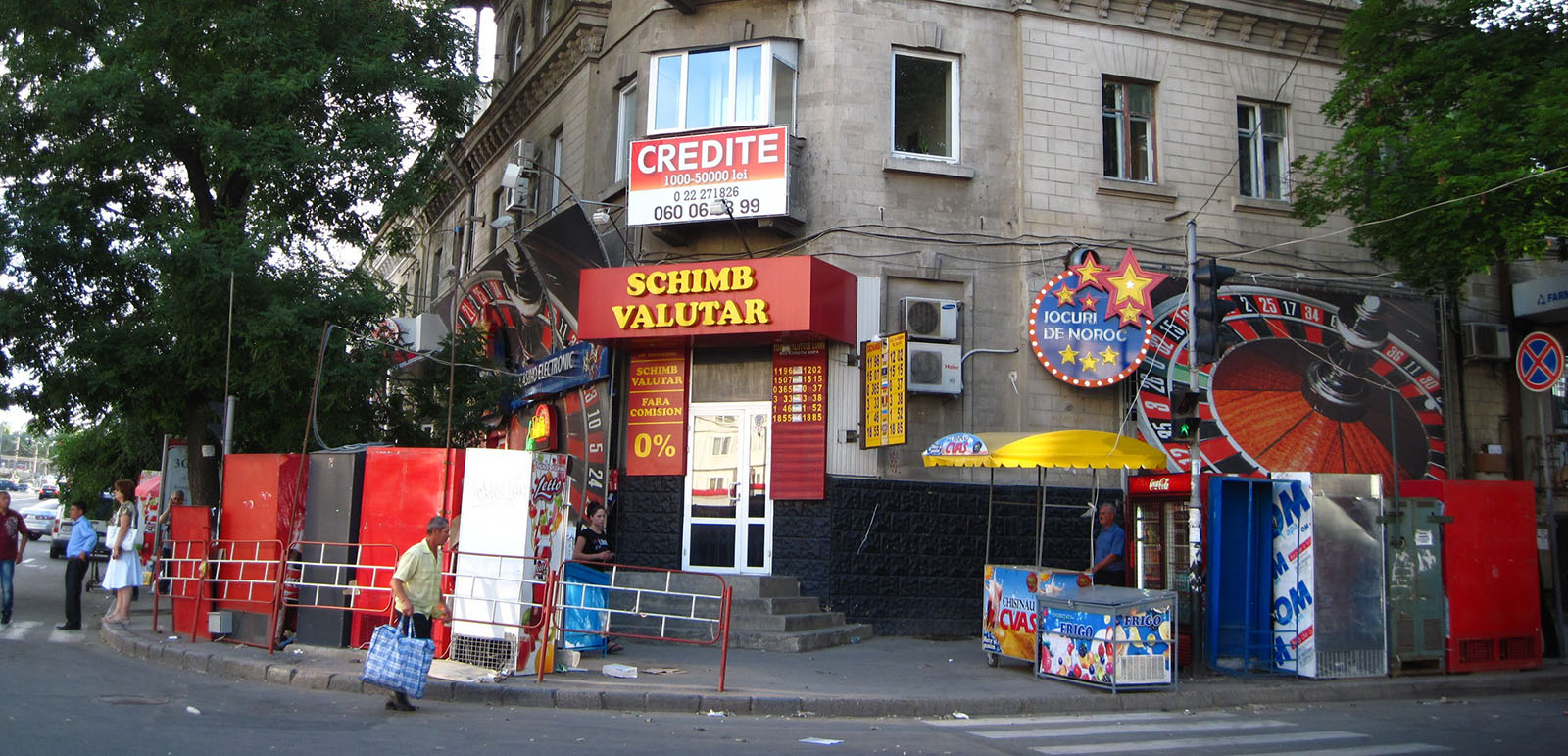
EU institutions, policymakers and many expert debates often frame enlargement as a test for candidate countries. Adam Kola argues that it is equally a test for the European Union. The accession of Ukraine, Moldova and the Western Balkans will also reshape the EU by forcing it to reform and redefine itself Read more
Ruairidh Brown
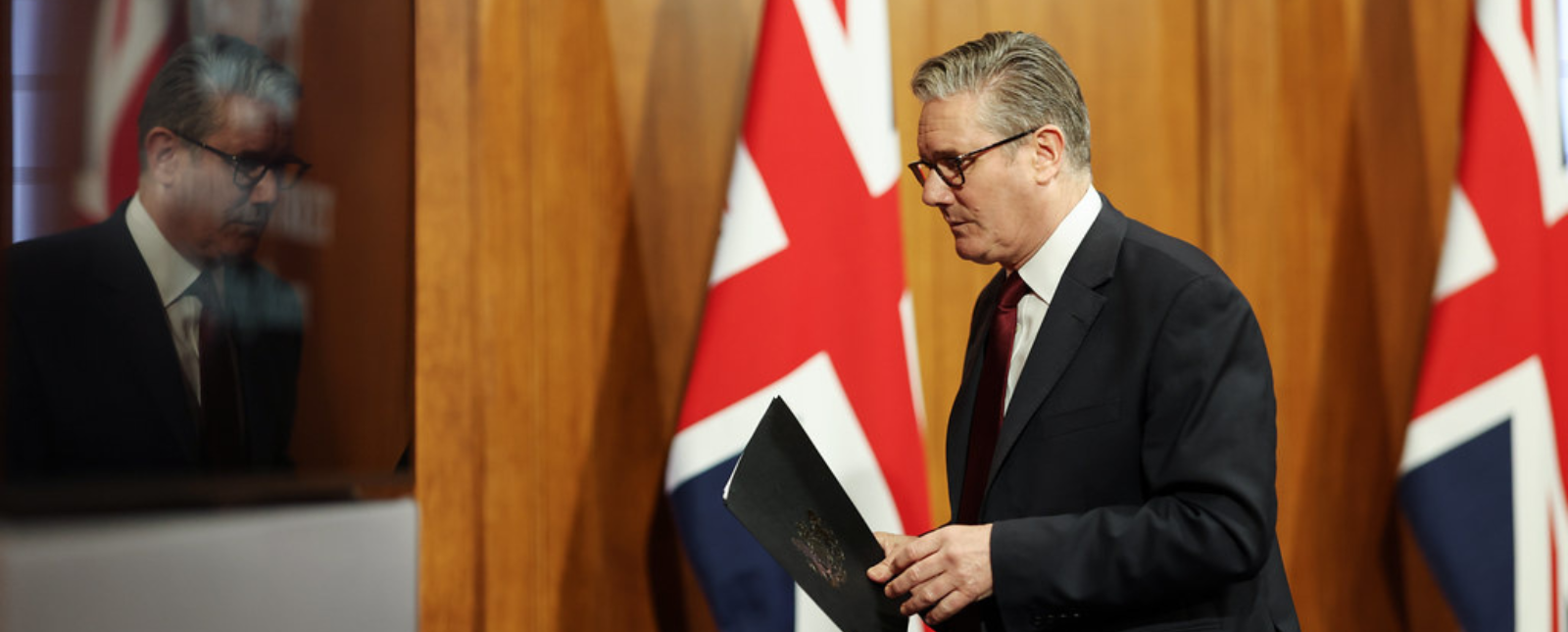
As Keir Starmer prepares to vacate 10 Downing Street, his unwavering opposition to Vladimir Putin has been hailed as his finest, most ‘statesmanlike’ achievement. Ruairidh Brown argues this assessment is fundamentally mistaken. Starmer stretched the trope of British leaders re-fighting the Second World War to its breaking point Read more
Annika Björkdahl
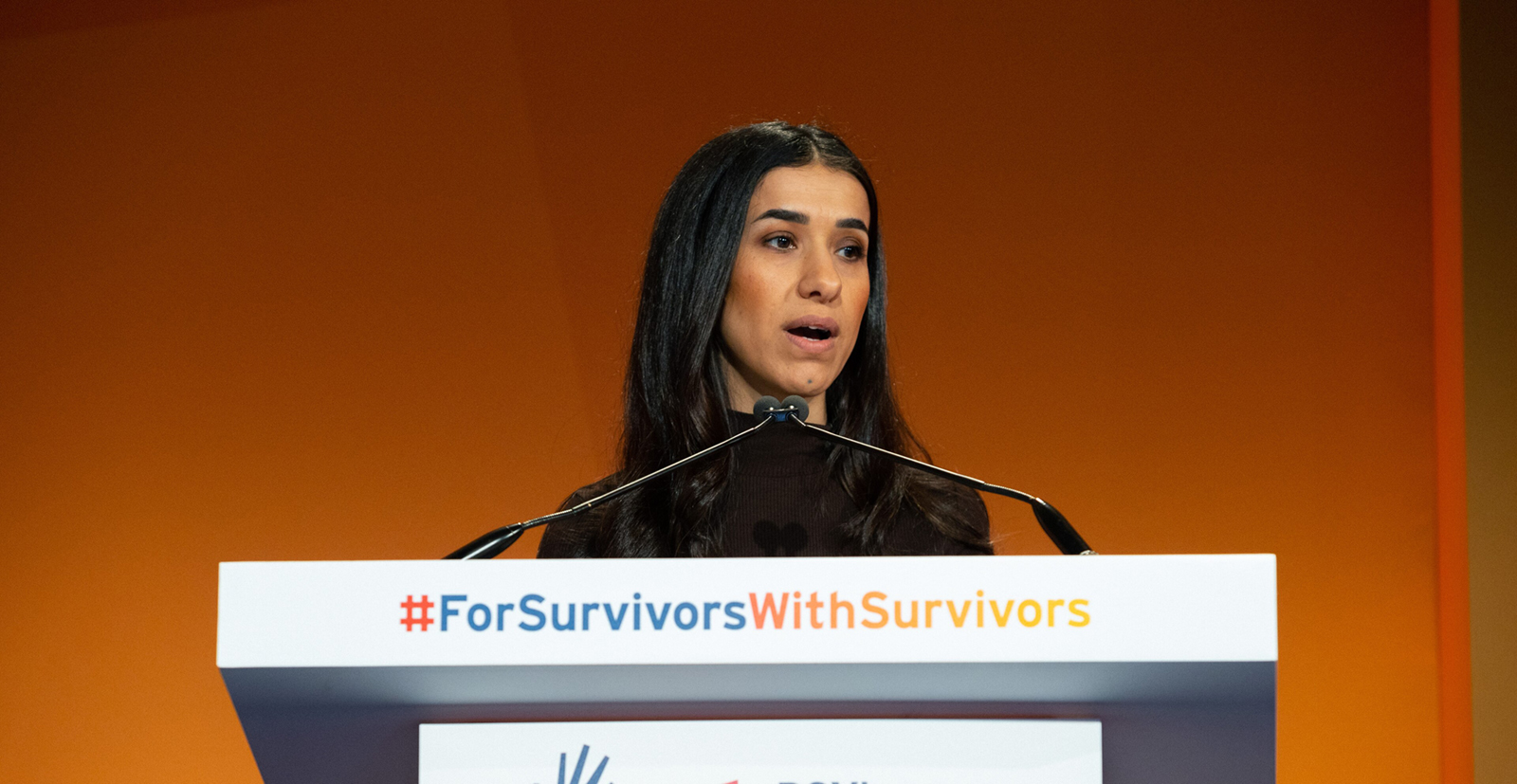
As reports of gendered violence emerge from Gaza, Sudan, Ukraine and elsewhere, a crucial question remains: whose stories shape our understanding of war? Annika Björkdahl, Kristine Höglund and Johanna Mannergren show how women's testimonies have transformed how the world recognises wartime violence. Despite this, women remain marginal to many accounts of conflict Read more
Katerina Klimoska
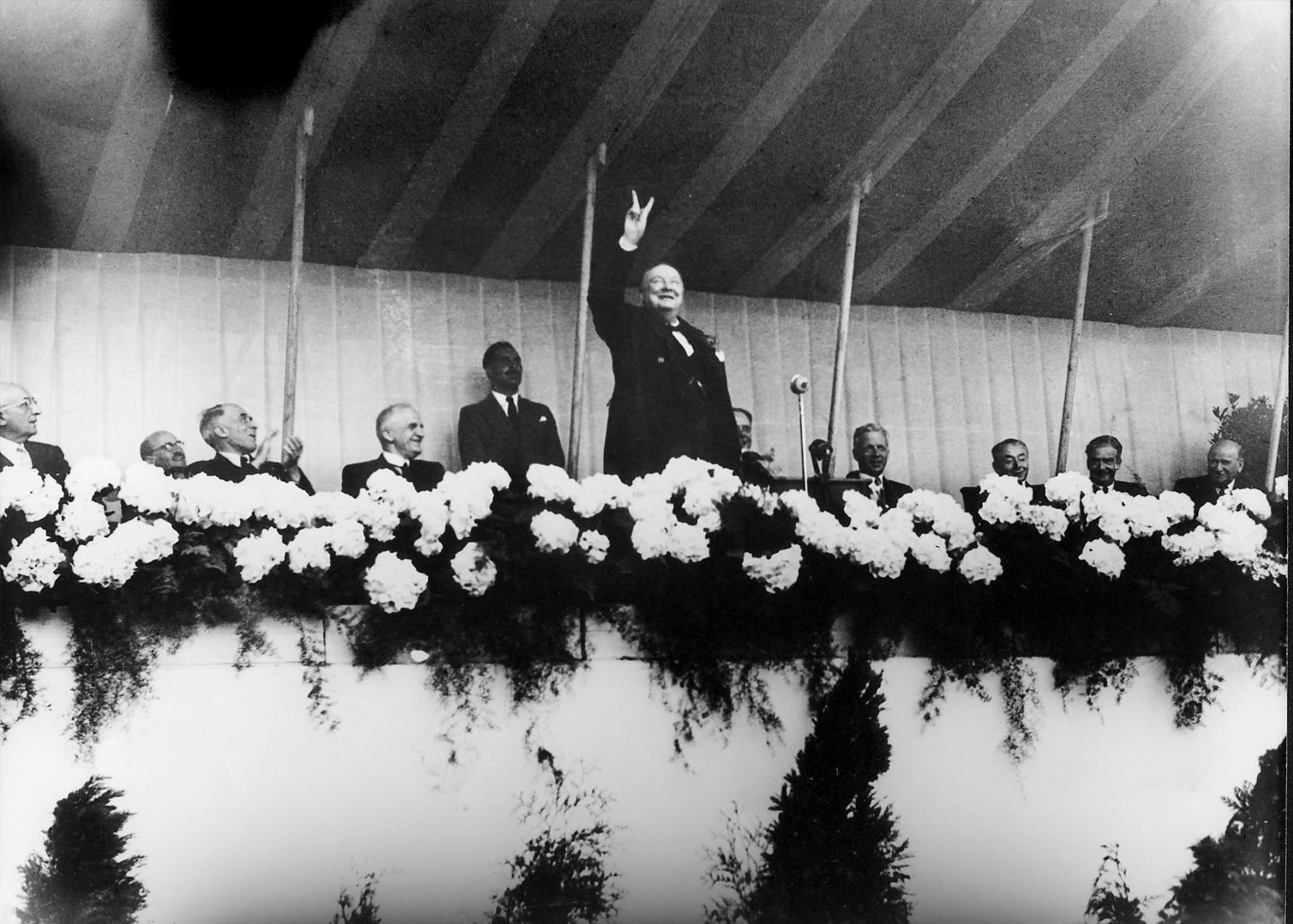
Drawing on her research at the Historical Archives of the European Union, Katerina Klimoska argues that Europe’s current geopolitical awakening is less a departure from the past than a rediscovery of ideas embedded in European integration from its earliest postwar years Read more
Iveri Kekenadze Gustafsson
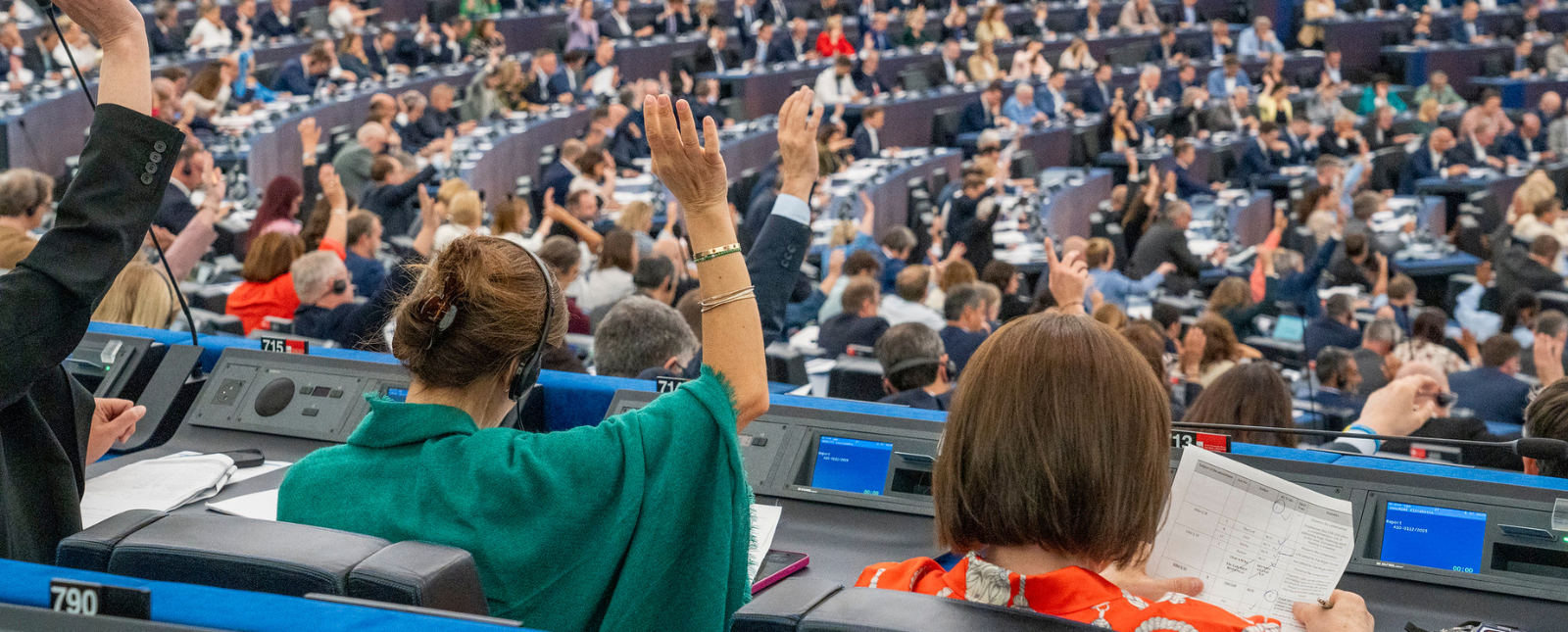
The crushing defeat of Viktor Orbán’s Fidesz in Hungary’s 2026 elections gives the EU a rare opportunity to reform its enlargement policy. Iveri Kekenadze Gustafsson argues that this moment can accelerate candidates’ path to membership and prevent single states from derailing the process for domestic or bilateral political gain Read more
Fulvio Attinà
Why do regime-change wars re-emerge when global order is under strain? As multilateral institutions lose effectiveness and legitimacy, Fulvio Attinà argues that states are increasingly turning to unilateral or coalition-based force. Interventions such as those in Iraq, Libya, Ukraine, and Iran reflect not isolated crises, but a deeper process of coalition reconfiguration during systemic transition Read more
Matis Poussardin
Russia’s invasion of Ukraine made EU enlargement a strategic necessity without altering its merit-based rules. The tension between urgency and strict conditionality endures. Matis Poussardin argues that EU agencies can bridge this gap by enabling gradual, sector-specific participation in EU governance without lowering accession standards Read more
We use necessary cookies to make our site work. We'd also like to set analytics cookies that help us make improvements by measuring how you use the site. These will be set only if you accept.
▼
Strictly Necessary Cookies
Necessary cookies enable core functionality such as security, network management, and accessibility. You may disable these by changing your browser settings, but this may affect how the website functions.
▼
Analytics Cookies
Google Analytics
We'd like to set Google Analytics cookies to help us improve our website by collecting and reporting information on how you use it. The cookies collect information in a way that does not directly identify anyone. For more information on how these cookies work please see our Privacy Notice.