Zsófia Papp
Zsófia Papp and Godfred Bonnah Nkansah show that during Covid-19, Hungarians judged the quality of democracy less by procedural norms and more by government performance. Their findings reveal when citizens in backsliding regimes accept violations of democratic standards – and when they refuse to compromise Read more
Emilija Tudzarovska
The EU economic crisis revealed a clash between the EU and national authorities. This clash is, however, only one part of the story. Events in Greece, Italy, Bulgaria and Slovenia, writes Emilija Tudzarovska, also revealed a crisis of party politics. This crisis has triggered appeals to populism and technocracy – technopopulism – which weakens yet further the institutionalisation of politics Read more
Max Steuer
After the break-up of the governing coalition in Slovakia, President Čaputová appointed Slovakia's first cabinet composed of largely non-partisan experts. Max Steuer questions the labelling of this cabinet as ‘non-political’ or ‘technocratic’. While not hailing from general election results, it enjoys other sources of democratic legitimacy Read more
Steffen Hurka
Why are laws often so hard to understand? Steffen Hurka argues that the complexity of laws increases when political conflict becomes more intense and when decision-making becomes more inclusive. Democracies aim for compromise and the balancing of interests, and complex laws are the inevitable consequence Read more
Gabriella Gricius
In a globalised world with complex governing problems, experts are understudied but essential players. Examining their role in security helps us understand how issues are designated important, and why only certain kinds of knowledge are perceived as expertise. Such study, writes Gabriella Gricius, also helps us challenge the notion of expertise as neutral truth-telling Read more
Orlaith Rice
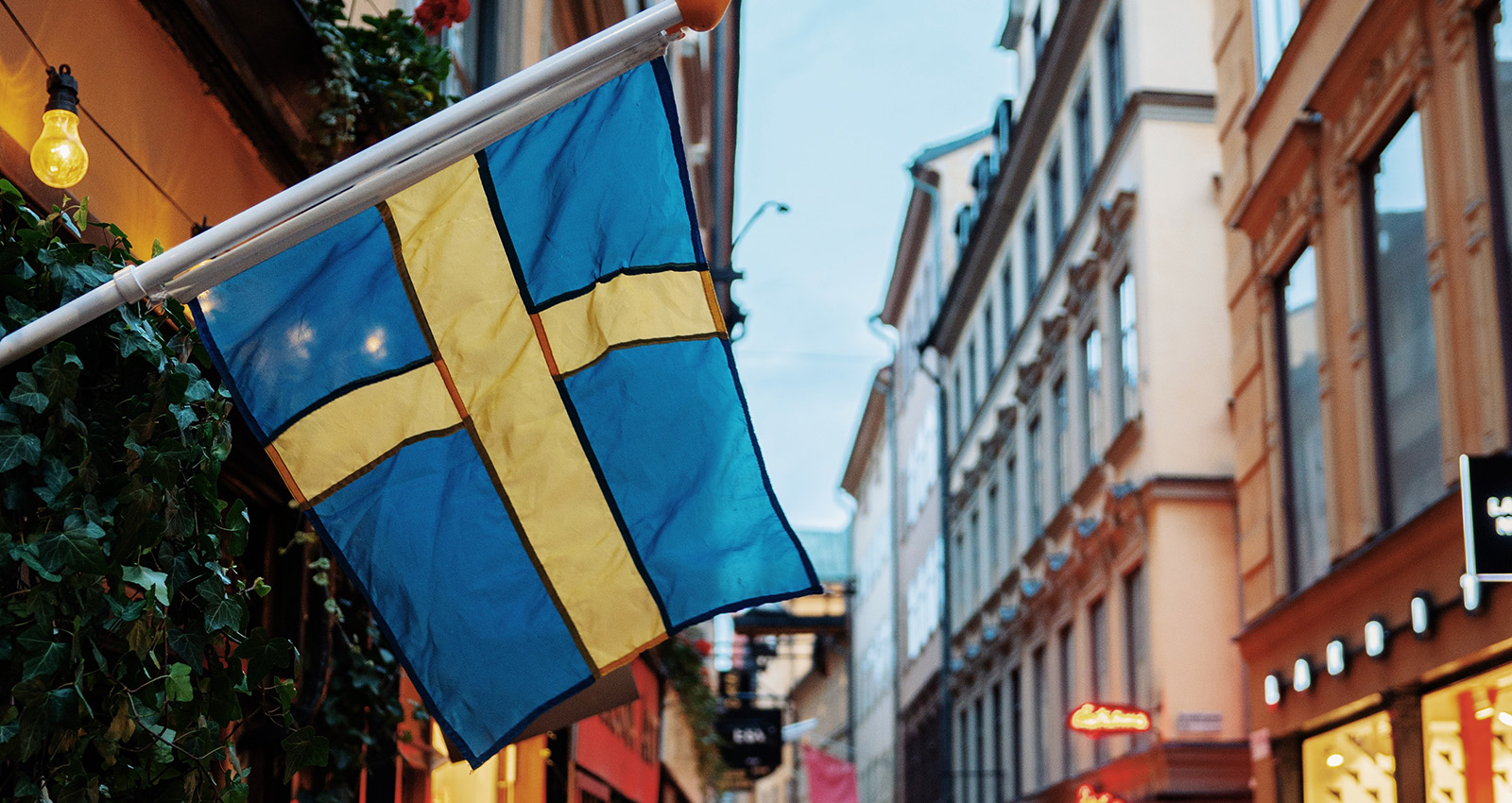
The Swedish government’s strategy for addressing the Covid-19 pandemic sparked international debate about its hands off approach. Orlaith Rice points to Sweden’s institutional framework and high trust levels as two key components in understanding this country's unique pandemic response Read more
Trym Nohr Fjørtoft
Have we had enough of experts? Covid-19 revealed how expertise doesn't necessarily translate into public acceptance of the right to make decisions in the public interest. Trym Nohr Fjørtoft and Asimina Michailidou explore the conditions under which expert agencies secure public legitimacy. Their conclusion? It's about striking the right balance Read more
The Loop
Cutting-edge analysis showcasing the work of the political science discipline at its best.
We use necessary cookies to make our site work. We'd also like to set analytics cookies that help us make improvements by measuring how you use the site. These will be set only if you accept.
▼
Strictly Necessary Cookies
Necessary cookies enable core functionality such as security, network management, and accessibility. You may disable these by changing your browser settings, but this may affect how the website functions.
▼
Analytics Cookies
Google Analytics
We'd like to set Google Analytics cookies to help us improve our website by collecting and reporting information on how you use it. The cookies collect information in a way that does not directly identify anyone. For more information on how these cookies work please see our Privacy Notice.