Nicholas Ross Smith
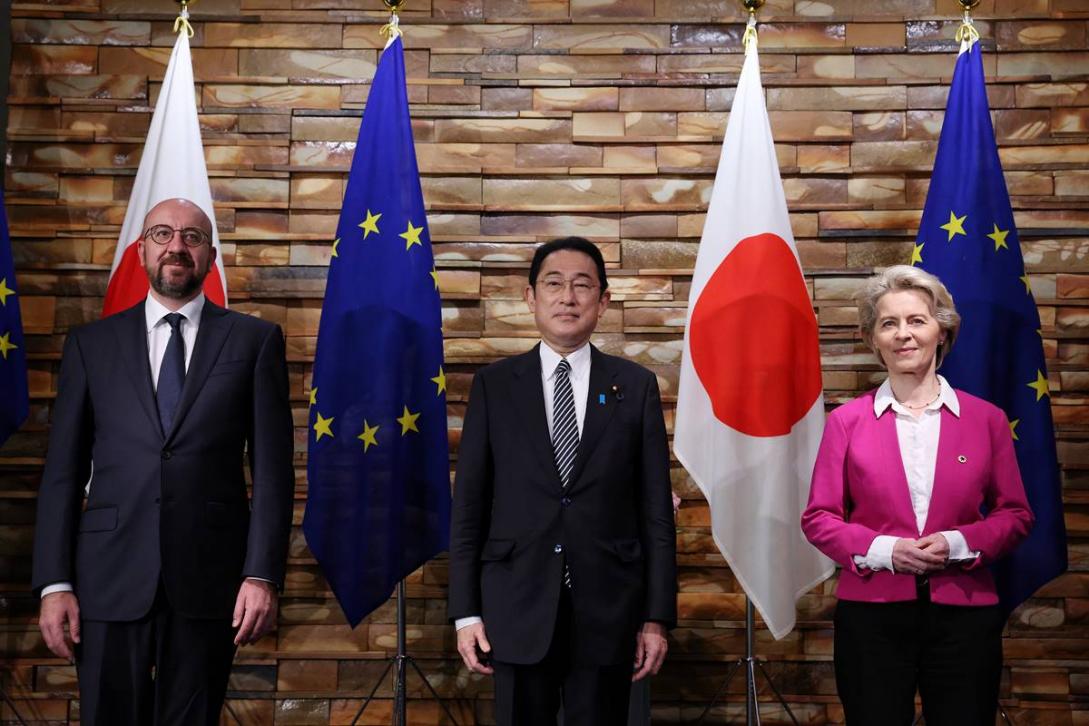
Four years after launching its Indo-Pacific Strategy, the EU still isn't seen as a serious geopolitical player in the 'region'. Closing this perception gap, not building more capability, argues Nicholas Ross Smith, is Brussels' real challenge Read more
Yuting Alina He
South Korean democracy recently escaped the imposition of martial law. The turnaround, argues argues Yuting Alina He, was helped by the livestreaming of events as they unfolded in Seoul. Livestreaming may not be new, but it has recently developed into a powerful instrument of political mobilisation and change Read more
Joakim Kreutz
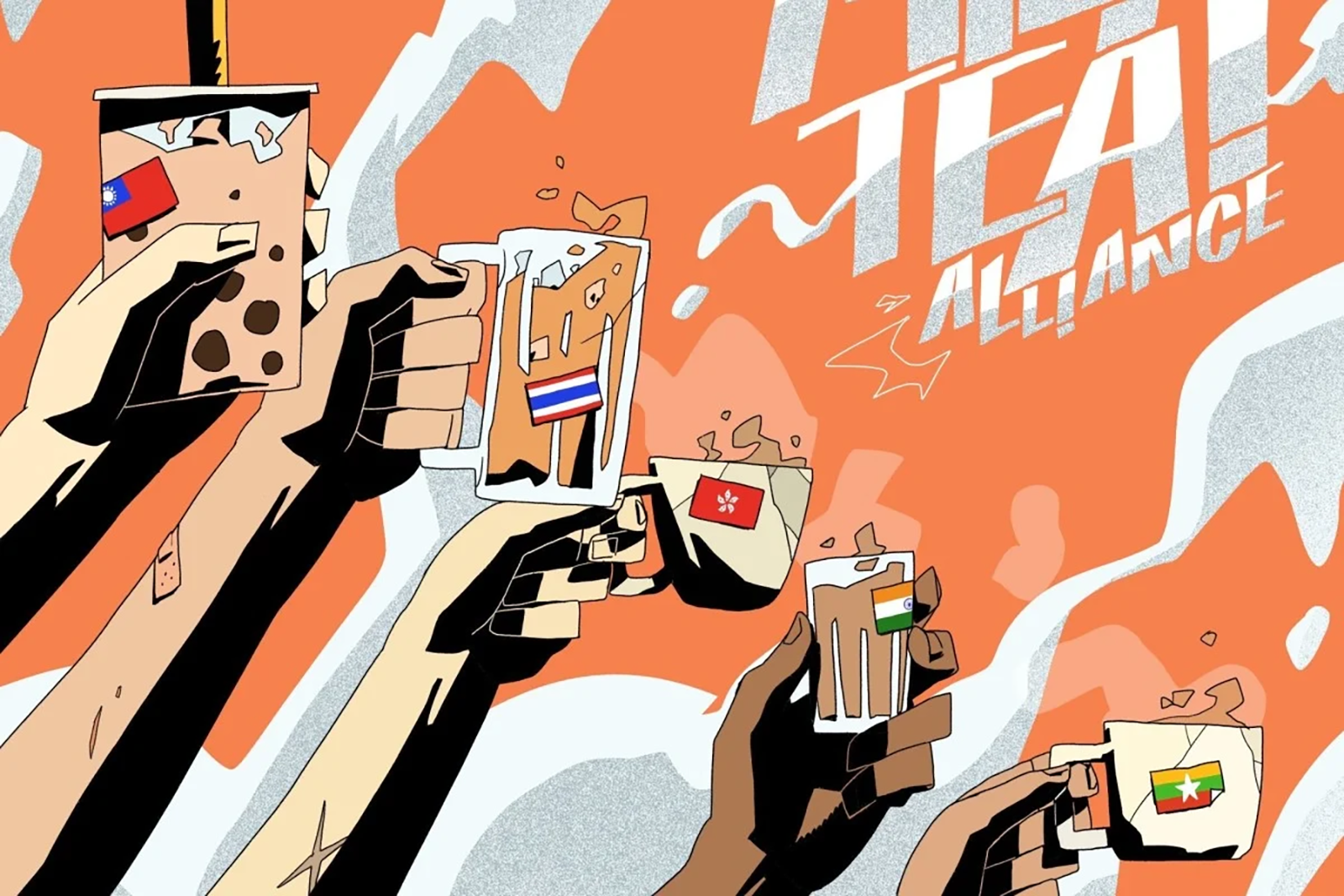
In an increasingly globalised and digital world, national borders are no longer constraints on political mobilisation, argue Joakim Kreutz and Anthi Antonia Makrogianni. Thailand's 2020 #MilkTeaAlliance protests show how shared identities created in online communities can form in reaction to online repression Read more
Albrecht Rothacher
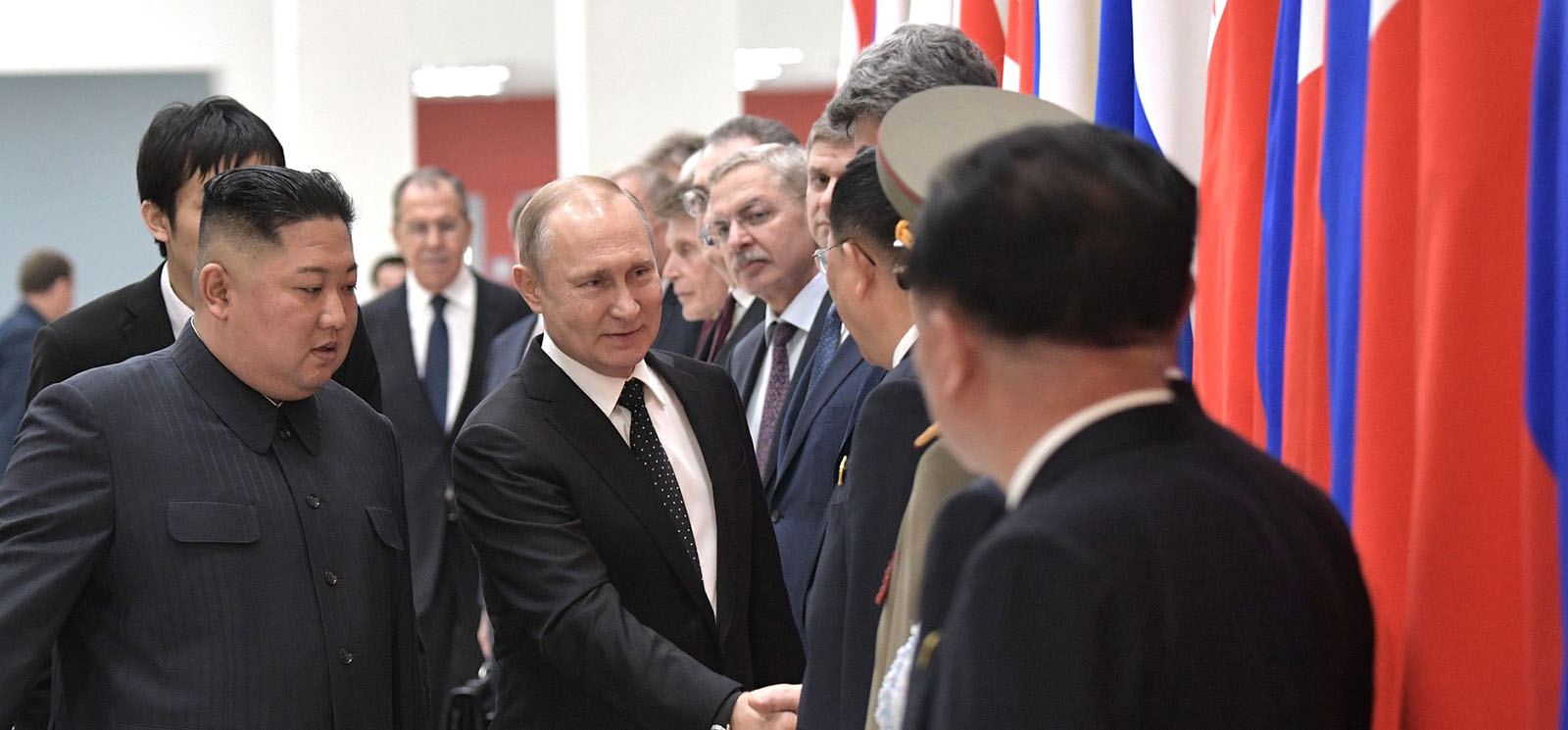
The ‘Axis of Evil’ coined by President George W. Bush is not so much redundant for Washington today as in need of descriptive expansion, argues Albrecht Rothacher. The threat of a new enlarged axis of evil is all the greater for the increasing neo-isolationism of the United States Read more
Abhishek Sharma
The concept of an ‘Indo-Pacific’ region is gaining traction. More countries in and beyond the Indo-Pacific region are building closer relations—in opposition to China. Abhishek Sharma argues that North Korea sees opportunity in the region's changing power dynamics to position itself as China's ally Read more
Eun A Jo
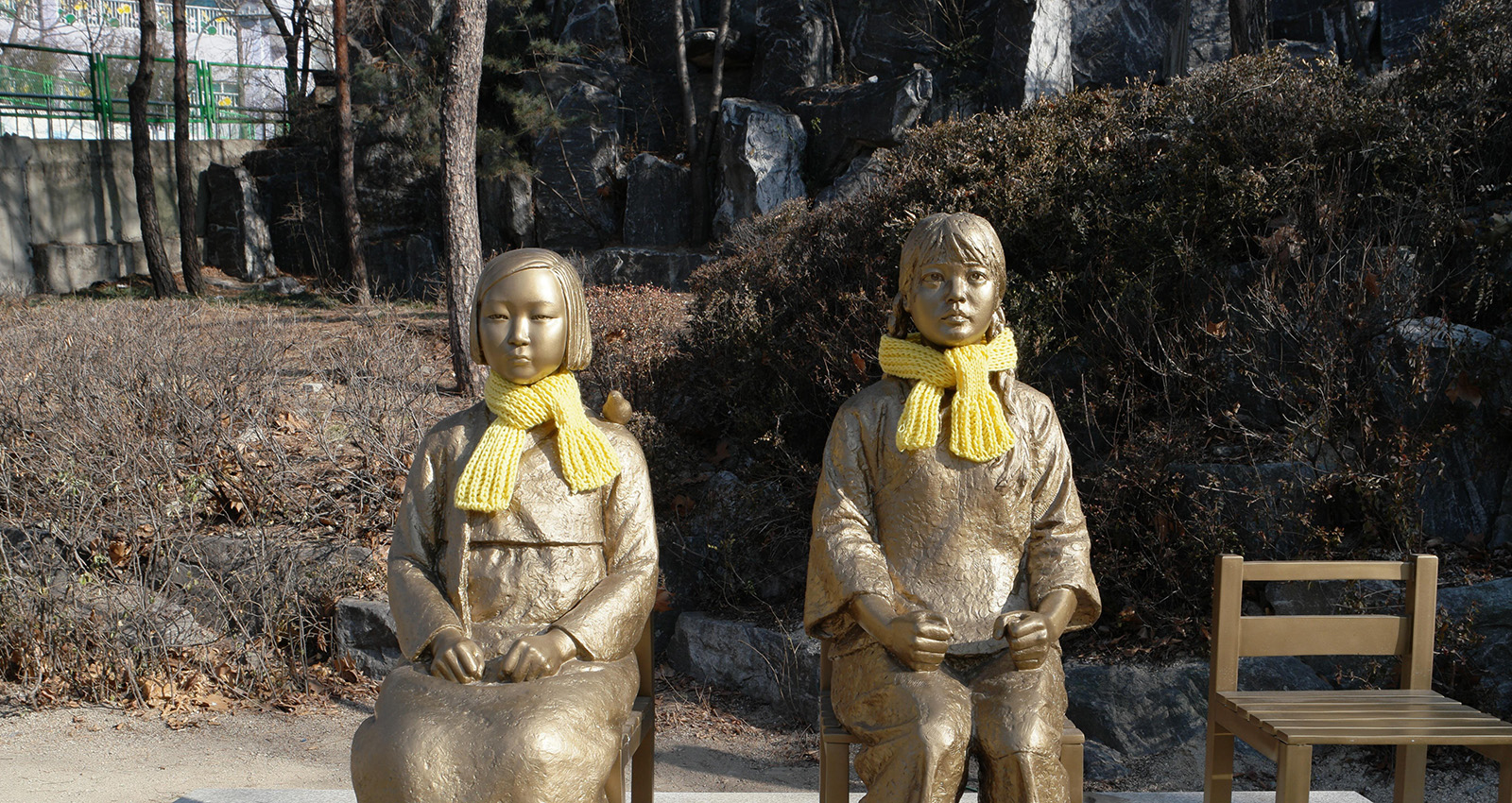
How does collective memory shape politics? Eun A Jo provides an interactive framework for studying memory politics and, as a case study, illustrates how South Korean struggles for democracy became bound up in understandings of Japan Read more
Edward Goldring
Hager Ali launched this series by pointing out that 'we lack the terminology to do anything beyond counting non-democracies'. Yet Edward Goldring argues that we sometimes struggle to accurately do that. This raises troubling questions for analyses of non-democracies – and emphasises the importance of studying history Read more
Kannen Ramsamy
Covid-19 is a crisis caused by scientific and evidential uncertainty. Kannen Ramsamy argues that adopting the so-called ‘precautionary principle’ in developing policy responses is crucial. Countries that have not done so, such as the US and Sweden, are now paying a heavy price Read more
The Loop
Cutting-edge analysis showcasing the work of the political science discipline at its best.
We use necessary cookies to make our site work. We'd also like to set analytics cookies that help us make improvements by measuring how you use the site. These will be set only if you accept.
▼
Strictly Necessary Cookies
Necessary cookies enable core functionality such as security, network management, and accessibility. You may disable these by changing your browser settings, but this may affect how the website functions.
▼
Analytics Cookies
Google Analytics
We'd like to set Google Analytics cookies to help us improve our website by collecting and reporting information on how you use it. The cookies collect information in a way that does not directly identify anyone. For more information on how these cookies work please see our Privacy Notice.